Del som digitalt kort
 Del
Del
 Detaljer
 Studentguide

 Last ned
 Liknende objekter
 Lysbildefremvisning
 Q&A
Q&A Besøksstatistikk
Mummification, Dress


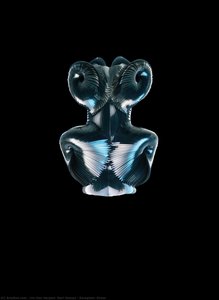
Iris van Herpen's 'Mummification, Dress' is a stunning sculptural fashion piece blending technology and nature. Explore intricate layers, crystalline forms, and a hauntingly beautiful exploration of transformation.
 Les mer
Iris van Herpen: Nederlandsk haute couture-designer som forener mote med teknologi og vitenskap. Utforsk hennes skulpturelle 3D-printede kjoler, samarbeid med Neri Oxman og avantgarde-design.
Kunstverket som vises på denne siden er beskyttet av opphavsretten, noe som betyr at vi ikke har juridisk tillatelse til å lage eller selge identiske reproduksjoner. Denne beskyttelsen håndheves i henhold til internasjonale avtaler som for eksempel Bernerkonvensjonen og av nasjonale lover, inkludert de som er fastsatt i Amerikansk opphavsrettslov – Tittel 17.
Denne metoden er i fullt samsvar med opphavsrettslige regler, da den ikke innebærer kopiering eller duplisering av det beskyttede kunstverket. I stedet er det snakk om en kreativ nytolkning – et nytt maleri som er inspirert av originalen, men ikke identisk med den.
Giclée / Kunsttrykk
Giclée- eller lerretsprint av museumskvalitet med rask produksjon og fleksible valgmuligheter for etterbehandling. ( Bestill håndmalt reproduksjon Gå til digitalt bilde)




































Standardformat
tilpasset
CM
INCH
Velg mellom våre forhåndsdefinerte størrelser som bevarer kunstverkets opprinnelige proporsjoner.
Loading sizes...

bredde
høyde
Skriv inn bredden og høyden du trenger, slik at den passer til din ramme eller vegg. Et trykk kan kun beskjæres, aldri gjøres større enn bildet, så et format med en annen form vil miste en del av motivet. Vi sender deg en digital mockup for godkjenning før vi trykker noe som helst. Bildet som vises på denne siden viser ikke den faktiske beskjæringen — det er kun mockuppen som gjør det.
Verdensomspennende levering () på 2 uker i stedet for standard 4/5 uker. (28 October)

Gratis ekspressfrakt over hele verden

Lerretsduk av høykvalitets lin

Full transportforsikring

Garanti for refusjon av toll og importavgifter

Garantert fargeekthet

100 dagers returrett ved fabrikasjonsfeil

100% pengene tilbake-garanti

Mengderabatt
 Glassalternativet er kun tilgjengelig i størrelser under 110 cm

Mummification, Dress
Giclée / Kunsttrykk
Format på reproduksjon
-


Totalpris
Nkr 662
The Sculptural Echo of Time: Iris van Herpen’s “Mummification, Dress”
Iris van Herpen's "Mummification, Dress" isn’t merely a garment; it’s a meticulously crafted meditation on the cyclical nature of existence, a visual poem exploring themes of preservation, decay, and rebirth. Created in 2009 in collaboration with Neri Oxman, this piece transcends the boundaries of fashion, firmly establishing itself within the realm of sculptural art. The photograph captures a moment frozen in time – a dress seemingly emerging from an ancient tomb, its intricate layers hinting at rituals long past. The stark black background amplifies the work’s dramatic intensity, forcing the viewer to confront the sheer complexity and otherworldly beauty of the design.
Van Herpen's genius lies not just in her aesthetic vision but in her masterful integration of technology and traditional craftsmanship. The dress itself is a testament to this fusion – constructed from layers of shimmering fabrics, meticulously arranged beads, and perhaps even delicate metallic elements, all brought together through advanced fabrication techniques. Oxman’s influence is particularly evident in the piece's structural design; drawing inspiration from biological forms and processes, it evokes the intricate patterns found within fossilized remains or the protective shells of ancient creatures. The deliberate fragmentation of form mirrors the process of mummification itself – a careful layering and preservation intended to transcend mortality.
Deconstructing Form: Lines, Shapes, and Texture
A close examination reveals a masterful manipulation of visual elements. Sharp, angular lines define the dress’s structural core, creating a sense of crystalline geometry that contrasts sharply with the flowing curves of the skirt. This juxtaposition speaks to the inherent tension between rigidity and fluidity – mirroring the delicate balance between preservation and decay. The shapes themselves are a captivating blend of organic and geometric forms; the layered elements suggest scales or overlapping petals, while the overall structure maintains a distinctly architectural quality. The surface is anything but smooth; it’s a rich tapestry of textures—a deliberate layering that invites tactile exploration even within the still image. This complexity isn't accidental; it reflects the intricate processes involved in both mummification and the creation of this extraordinary garment.
Illumination and Perspective: A Dramatic Stage
The lighting is crucial to the work’s impact, acting as a sculptor’s tool to highlight form and create atmosphere. The directional light source, positioned slightly above and in front of the dress, casts dramatic shadows that accentuate its three-dimensional structure. These shadows aren't merely absences of light; they actively shape our perception, emphasizing the intricate details and creating a sense of depth and mystery. The relatively straightforward perspective – a frontal view – allows the viewer to fully immerse themselves in the dress’s complexity, appreciating the sheer scale and detail of its construction. The photograph feels less like a simple portrait and more like a carefully staged tableau, inviting us to contemplate the story it silently tells.
Echoes of Antiquity: Symbolism and Legacy
The title, “Mummification, Dress,” immediately establishes a powerful symbolic connection to ancient Egyptian practices. It’s not simply about preserving clothing; it's about safeguarding memory, identity, and the essence of a life lived. The dress becomes a vessel for these intangible qualities, suggesting that beauty and artistry can transcend time itself. Furthermore, the work subtly references the concept of metamorphosis – the transformation from one state to another. This echoes the core principles of mummification, where the deceased were prepared for an afterlife journey, undergoing a profound physical and spiritual change. “Mummification, Dress” is therefore not just a beautiful object; it’s a poignant reminder of our own mortality and the enduring power of art to capture and preserve moments in time.
Spørsmål og svar
Fra hvilket land kommer Avant-garde Fashion Photography-verket "Mummification, Dress"?
"Mummification, Dress" knytter Avant-garde Fashion Photography-bevegelsen til Nederland gjennom skaperens fødested.
Hvordan er fargekomposisjonen i "Mummification, Dress" av Iris Van Herpen, Neri Oxman bygget opp?
Fargekomposisjonen i "Mummification, Dress" av Iris Van Herpen, Neri Oxman kombinerer en Serene kontrast med en Discordant Palette harmoni.
Hvor mye lys ser fargene i "Mummification, Dress" ut til å reflektere?
Luminansen som er registrert for "Mummification, Dress" av Iris Van Herpen, Neri Oxman er Dark.
Kunstnerbiografi
En sammensmeltning av couture og kode: Iris van Herpens verden
Født i den fredelige nederlandske landsbyen Wegmond i 1984, var Iris van Herpens kunstneriske bane alt annet enn konvensjonell. Opprinnelig ble hun trukket mot den klassiske ballettens disiplin, men hun oppdaget snart at moten tilbød et mer ekspansivt lerret for hennes voksende kreativitet – et rike der bevegelse, form og tekstur kunne syntetiseres til noe helt nytt. Denne tidlige eksponeringen for dansens presisjon og fysiskhet formet hennes estetikk dypt, og ga henne en dyp forståelse av hvordan plagg samhandler med kroppen og påvirker dens uttrykk. Etter studier ved Artez Institute of the Arts i Arnhem, med avgang i 2006, trådte van Herpen ikke bare inn i moteverdenen; hun søkte å redefinere den. Da hun lanserte sitt eget merke i 2007, utmerket hun seg raskt, ikke gjennom etterfølgelse av etablerte trender, men gjennom en radikal omfavnelse av innovasjon og eksperimentering.Skulpturering med lys og teknologi
Van Herpens arbeid overskrider de tradisjonelle grensene for haute couture og visker ut linjene mellom mote, kunst og vitenskap. Hun er viden kjent for sin banebrytende bruk av teknologi – spesifikt 3D-printing, laserskjæring og ukonvensjonelle materialer – for å skape plagg som i mindre grad blir «båret» enn *beboet*. Dette er ikke bare klær; de er bærbare skulpturer, intrikate konstruksjoner som ser ut til å trosse tyngdekraften og utfordre vår oppfatning av form. Designene hennes fremmaner ofte den naturlige verden ved å hente inspirasjon fra biomimikry, anatomi og komplekse vitenskapelige fenomener. De delikate strukturene i livet under vann, kompleksiteten i det menneskelige nervesystemet og mønstrene man finner i geologiske formasjoner fungerer alle som råmateriale for hennes pustløse kreasjoner. Et signaturelement er hennes evne til å manipulere lys og skygge gjennom bruk av transparente og reflekterende materialer, noe som skaper en eterisk kvalitet som gir hennes verk en følelse av overjordisk skjønnhet. Plaggene virker å puste og utvikle seg med bæreren, og blir en forlengelse av deres egen fysiske eksistens.Samarbeid som katalysator: Neri Oxman og videre
Sentralt i van Herpens kunstneriske utvikling har det ligget en ånd av samarbeid. Kanskje hennes mest betydningsfulle partnerskap er med professor ved MIT Media Lab, Neri Oxman, en visjonær innen feltet materiell økologi. Sammen har de frembrakt banebrytende verk som «Biopiracy» og «Voltage», hvor de utforsker skjæringspunktet mellom biologiske strukturer og digitale fabrikasjonsteknikker. Disse samarbeidene handler ikke bare om å anvende teknologi på mote; de handler om å bruke mote som en plattform for vitenskapelig undersøkelse og kunstnerisk uttrykk. Utover Oxman har van Herpen også søkt inspirasjon fra arkitektur, i erkjennelsen av dens evne til å skape dynamiske rom og former. Hun har deltatt i prosjekter med arkitekter som ytterligere har utvidet hennes kreative vokabular. Innflytelsen fra avantgarde-designere som Alexander McQueen og Hussein Chalayan er også tydelig i hennes konseptuelle tilnærming og vilje til å tøye grenser. Disse influensene er ikke etterligninger, men snarere springbrett for hennes egen unike visjon – en syntese av kunstferdighet, teknologi og en dyp respekt for den naturlige verden.Anerkjennelse og en varig arv
Virkningen av Iris van Herpens arbeid har blitt bredt anerkjent både i moteindustrien og utenfor. I 2011 ble hun invitert til å bli gj medlem av den prestisjetunge parisiske Chambre Syndicale de la Haute Couture – et bevis på hennes eksepsjonelle talent og innovative tilnærming. Hennes kreasjoner har prydet catwalkene under Paris Fashion Week og har blitt stilt ut i anerkjente museer verden over, inkludert Metropolitan Museum of Art (New York), Victoria & Albert Museum (London) og Palais de Tokyo (Paris). Tallrike priser og utmerkelser bekrefter ytterligere hennes bidrag til mote og design. Men kanskje vil van Herpens mest varige arv være hennes rolle som pioner – en revolusjonær skikkelse som har utfordret tradisjonelle forestillelse om plaggkonstruksjon, integrert avansert teknologi i moteindustrien og bygget bro mellom kunst, vitenskap og teknologi. Hun inspirerer en ny generasjon designere til å utforske ukonvensjonelle materialer, teknikker og konsepter, og beviser at mote kan være mer enn bare bekledning; det kan være en kraftfull form for kunstnerisk uttrykk og en katalysator for innovasjon. Hennes arbeid handler ikke bare om hva vi har på oss, men om *hvordan* vi samhandler med verden rundt oss – og hvordan vi forestiller oss selve fremtidens design.
Iris Van Herpen, Neri Oxman
1984 - , Nederland
Kort om kunstneren
- Artistic Movement Or Style: Haute Couture, Techwear
- Artists Or Movements Influenced By This Artist: Fremtidige motedesignere
- Artists Who Influenced This Artist:
- Alexander McQueen
- Hussein Chalayan
- Date Of Birth: 1984
- Full Name: Iris van Herpen
- Nationality: Nederlandsk
- Notable Artworks:
- Synesthesia Dress
- Refinery Smoke
- Micro Dress
- Place Of Birth: Wegmond, Nederland
Relaterte artikler

Bronzens Mesterverk: 10 Skulpturer Som Forandret Kunsthistorien | TopImpressionists
Oppdag 10 legendariske bronse skulpturer som revolusjonerte kunsthistorien! Fra Michelangelo til Rodin – lær om teknikker, historier og tidløs skjønnhet. Finn museumskvalitets reproduksjoner & interiørinspirasjon på TopImpressionists.com.

Bronseklassikere: 10 skulpturer som revolusjonerte kunsten | TopImpressionists
Utforsk 10 legendariske bronseskulpturer som formet kunsthistorien! Fra Rodin til Michelangelo – oppdag historiene, teknikkene og skjønnheten bak tidløse mesterverk. Finn din perfekte veggkunst eller interiørdekor på TopImpressionists.com.

The Enduring Form: Exploring Themes & Techniques in Sculpture Across Historical Periods
Explore the rich history of sculpture from ancient masterpieces to contemporary innovations. Discover key techniques, influential artists & investment potential for discerning art collectors.

Rembrandts Mesterverk: Topp 25 Kunstverk for Din Vegg | TopImpressionists.no
Utforsk Rembrandts 25 mest ikoniske kunstverk! Oppdag historiene bak mestermalerier, portretter og bibelske scener fra den nederlandske barokken. Finn museumskvalitets reproduksjoner & interiørinspirasjon på TopImpressionists.com.

The Enduring Form: Sculpture Across History, Technique & Emotional Resonance
Explore the rich history of sculpture with TopImpressionists. Discover key techniques, influential artists & investment potential for discerning collectors. Expert insights into valuing and collecting timeless masterpieces.
Utforsk kunstverk organisert etter temaer, stiler og kjennetegn.