Forhåndsvisning
 Send
Send Del med andre
 Vis detaljer
 Veiledning

 Last ned bildet
 Liknende objekter
 Røntgenundersøkelse
 Lysbildefremvisning
 Statistikk
Skredderen


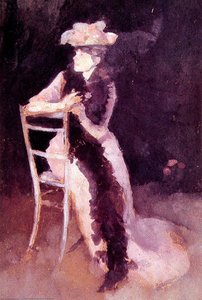
Oppdag James Abbotts mesterverk "Skredderen" (1854). Whistler fanger en rolig øyeblikk med en cobbler under bordet, i en atmosfære av kos og subtile farger. Se reproduksjonen!
 Vis hele teksten
Utforsk James Whistler (1834-1903): Amerikansk kunstner kjent for tonalismen og estetisk filosofi. Oppdag 'Whistlers Mor', nocturner, portretter & hans tro på 'kunst for kunstens skyld'.
Håndlaget oljereproduksjon
Håndmalt olje på lerret i din valgte størrelse og ramme, laget på bestilling av våre kunstnere. ( Bytt til trykk Bytt til digitalt bilde)




P118B $10

P118H $10

P118W $10

P438Z $10

P508JH $12

P508YH $12

P805H $10

P805Z $10

P919BZ $10

P919G $10

P919XJ $10

P959ZH $10

P968JZ $12

W106C $8

W218G $10

W218JH $8

W218Y $10

W307PJ $10

W316G $10

W316PJ $8

W316Y $10

W398PJ $8

W4111J $10

W500HY $15

W500JH $15

W692G $12

W849H $8

W940BG $15

W953PJ $8




Standardformat
skreddersydd
CM
INCH
Velg mellom våre forhåndsdefinerte størrelser som bevarer kunstverkets opprinnelige proporsjoner.
Loading sizes...

bredde
høyde
Du kan angi egne mål for å tilpasse en spesifikk ramme eller plass. Dersom den valgte størrelsen ikke samsvarer med originalbildets proporsjoner, vil vi enten beskjære kunstverket eller utvide maleriet med ytterligere håndmalte elementer. En digital mockup vil bli sendt til din godkjenning før produksjonen starter.
Vennligst merk at forhåndsvisningen på skjermen ikke gjenspeiler den faktiske beskjæringen eller utvidelsen. Kun mockuppen vil vise den endelige komposisjonen nøyaktig.
Selv om tilpassede størrelser er tilgjengelige, anbefaler vi å velge et mål fra den forhåndsdefinerte listen for å bevare de originale proporsjonene.
Eksempler på hva som kan endres: Erstatt ansikt med bilde av kunden; Legg til kjæledyr (f.eks. bytt ut katt med hund); Inkluder en skjult melding i bakgrunnen; Endre bakgrunnslandskap eller elementer.
Etter bestilling vil TopImpressionists.com-teamet sende e-post til kunden for instruksjoner og sende et utkast (mockup) som forhåndsvisning.
Etter bestilling vil TopImpressionists.com-teamet sende e-post til kunden for instruksjoner og sende et utkast (mockup) som forhåndsvisning.
Verdensomspennende levering () på 3–4 uker i stedet for standard 5 uker. (23 September). Ingen kompromisser med kvaliteten.

Gratis ekspressfrakt over hele verden

Lerretsduk av høykvalitets lin

Full forsikring under transport

Garanti for refusjon av toll og importavgifter

Garantert korrekt fargegjengivelse

100 dagers returrett (kun ved mangler)

100% pengene tilbake-garanti

Rabatt ved flere kjøp
 Glassalternativet er kun tilgjengelig i størrelser under 110 cm

Skredderen
Teknikk for reproduksjon
Størrelse på reproduksjon
-


Endelig pris
$ 269
A Moment of Quietude: James Abbott McNeill Whistler’s “The Cobbler”
James Abbott McNeill Whistler's "The Cobbler," painted in 1854, is more than just a depiction of a craftsman at work; it’s a carefully constructed tableau of domestic tranquility and subtle observation. Housed within the Freer Gallery of Art, this watercolor masterpiece invites us into a dimly lit corner of Victorian London, offering a poignant glimpse into an ordinary life imbued with quiet dignity. Whistler, a pivotal figure in the Aesthetic movement, deliberately sought to divorce art from moralizing narratives, prioritizing instead the exploration of form, color, and light – principles powerfully evident in “The Cobbler.” The painting’s enduring appeal lies not in grand gestures or dramatic scenes, but in its ability to capture a fleeting moment of contentment within the mundane.
Whistler's masterful use of watercolor is immediately striking. He eschews sharp outlines and bold contrasts, favoring instead a delicate layering of washes that create an atmosphere of hazy warmth. The muted palette – dominated by browns, ochres, and subtle blues – evokes the soft glow of candlelight, bathing the scene in a comforting luminescence. This deliberate choice contributes significantly to the painting’s overall sense of intimacy and relaxation. Notice how Whistler employs broken color techniques, allowing the pigments to blend softly, mimicking the diffused light filtering through a window or the gentle shadows cast by furniture. The artist's skill lies not just in rendering individual forms but in creating an illusion of depth and atmosphere through subtle variations in tone and hue.
Deconstructing the Scene: Form, Composition, and Symbolism
At first glance, “The Cobbler” presents a remarkably simple composition. A solitary man, presumably a cobbler judging by his profession, is seated beneath a table, his head bowed as if lost in thought or perhaps enjoying a pipe. The arrangement of objects – the scattered bottles, the worn chair, and the bowl on the floor – suggests a space of comfort and leisure, far removed from the demands of his trade. The placement of the figure under the table isn’t merely decorative; it actively contributes to the painting's feeling of enclosure and privacy. It creates a sense of intimacy, drawing the viewer into this small, contained world.
Symbolism subtly permeates the work. The bottles could represent indulgence or perhaps a moment of respite after a long day’s labor. The pipe itself is a potent symbol of contemplation and quiet enjoyment – an emblem of the man's personal space within his profession. Whistler deliberately avoids explicit narrative, allowing the viewer to project their own interpretations onto the scene. He presents us with a fragment of life, inviting us to contemplate its meaning without imposing our own judgments.
A Window into Aestheticism: Whistler’s Artistic Philosophy
“The Cobbler” is a quintessential example of Whistler's Aesthetic philosophy – “art for art’s sake.” He sought to elevate the visual experience itself, prioritizing beauty and harmony over didactic content. This approach was revolutionary at a time when art was often expected to convey moral lessons or historical narratives. Whistler believed that color and form possessed intrinsic value, independent of their subject matter. This is powerfully demonstrated in his use of tonal variations and subtle shifts in hue, which create a mesmerizing visual effect without resorting to dramatic imagery.
Whistler’s work reflects the broader cultural currents of mid-19th century Europe, particularly the influence of the Pre-Raphaelites and the rise of Impressionism. However, he diverged from these movements by rejecting naturalistic representation in favor of a more subjective and evocative approach. “The Cobbler” stands as a testament to Whistler’s unique vision – a quiet, contemplative masterpiece that continues to resonate with viewers today.
Bringing "The Cobbler" Home: Reproductions and Artistic Legacy
TopImpressionists offers meticulously crafted, hand-painted oil reproductions of James Abbott McNeill Whistler's “The Cobbler,” allowing art enthusiasts to experience the painting’s beauty and nuance in a tangible way. These reproductions faithfully capture the artist’s delicate brushwork, subtle color palette, and atmospheric depth, ensuring that you own a piece of art history. Beyond its aesthetic qualities, "The Cobbler" offers a valuable insight into Victorian life and Whistler's groundbreaking artistic philosophy.
Explore other captivating works by Whistler at /art/list/?Filter=8EWK63-James-Abbott-Mcneill-Whistler-Note-in-Blue-and-Opal and /art/list/?Filter=8EWK6M-James-Abbott-Mcneill-Whistler-Resting-in-Bed. And for a deeper understanding of Whistler’s artistic journey, visit our artist profile: /art/list/?Filter=8EWK7H-James-Abbott-Mcneill-Whistler-The-Cobbler.
Lignende kunstverk


Om kunstneren
A Life Shaped by Aestheticism: The World of James Abbott McNeill Whistler
James Abbott McNeill Whistler, født i Lowell, Massachusetts i 1834, var en kunstner som alltid befant seg i konflikt med konvensjonene – en maler som kjempet for “kunst for kunstens skyld” i en æra der moraliserende fortellinger ble høyt verdsatt. Hans tidlige liv, preget av hyppige flyttinger på grunn av farens jernbaningeniørvirksomhet, la til grunn for ham en følelse av tilpasningsevne og eksponering mot mangfoldige miljøer. Et kort, ulykkelig opphold ved West Point ble mislykket i å passe hans kunstneriske temperament, etterfulgt av arbeid med den amerikanske kyst- og geodetiske undersøkelsen – selv om dette forsinket ham, sluknet det ikke hans voksende lidenskap for kunst. Disse formative årene var preget av en iboende talent for tegning og et bestemt ønske om å skape en karriere som kunstner, en streben som til slutt førte ham over Atlanteren og inn i hjertet av den europeiske avantgarden. Frøene til Whistlers kunstneriske opprør ble sådd tidlig, pleiet av et sinn som motsto konformitet og omfavnet estetisk utforskning fremfor alt annet.Parisian Beginnings and the Cultivation of Style
Det avgjørende øyeblikket i Whistlers kunstneriske reise kom med hans flytting til Paris i 1855. Her, under veiledningen av Sébastien Bouré, finslipet han sine ferdigheter i olje, akvarell og trykkteknikker, absorberte innflytelsene fra fransk realisme og Barbizon-malerne. Likevel overgikk Whistler raskt å bare etterligne, og utviklet en distinkt stil preget av tonale harmoni og atmosfæriske effekter. Han var ikke interessert i å reprodusere virkeligheten; heller søkte han å fange dens *essens*, dets flyktige stemninger og subtile nyanser. Denne perioden markerte et avgjørende skifte fra representasjonell nøyaktighet mot en utforskning av ren estetisk form. Hans tidlige verk antydet allerede den delikate balansen mellom observasjon og abstraksjon som ville definere hans modne stil. Det var i Paris at Whistler begynte å artikulere sin tro på at kunst burde dømmes utelukkende basert på sine estetiske kvaliteter, fritt fra didaktiske eller moraliserende begrensninger – en filosofi som skulle bli grunnsteinen for hans kunstneriske praksis og en definerende egenskap ved den estetiske bevegelsen.Nocturnes, Portraits, and the Pursuit of Harmony
Whistlers kunstneriske visjon ble tydeliggjort i flere nøkkeltemer og stilvalg. Han fremmet konseptet “kunst for kunstens skyld”, avvisende fortellinger belastet med moralske eller sosiale kommentarer. Hans verk ble en øvelse i å fange subtile nyanser av lys, farge og atmosfære – en streben som førte til hans ikoniske *Nocturnes*. Disse atmosfæriske maleriene av skumringsscener, ofte som viser Themsen-elven om natten, var ikke ment som bokstavelige representasjoner, men heller som evokende inntrykk, studier i tonale harmoni og stemning. Han brukte ofte begrensede paletter og delikat pensling, og skapte en følelse av åndelig skjønnhet og stille kontemplasjon. Portretter okkuperte også en sentral plass i hans praksis, selv om han nærmet seg dem med en unik sans for estetikk. Whistler var ikke opptatt av å fange perfekte likheter; heller fokuserte han på kompositoriske arrangementer og tonale forhold, og behandlet sine sittere som komposisjonselementer innenfor et nøye konstruert estetisk rammeverk. Verk som *Arrangement in Grey and Black No. 1* – bedre kjent som *Whistler’s Mother* – demonstrerer dette tilnærmingen perfekt, transformerer et familieskildring til et ikonisk bilde av viktoriansk morlighet gjennom sin mesterskapelige bruk av form og tone.Controversy, Influence, and Lasting Legacy
Whistlers karriere var ikke uten kontrovers. Den berømte søksmålet mot ham fra kritikeren John Ruskin i 1878, utløst av *Nocturne in Black and Gold – The Falling Rocket*, ble et milepæl i kunsthistorien. Whistler vant saken og argumenterte at hans malerier ikke var ment å være bokstavelige representasjoner, men heller estetiske arrangementer av farge og form. Denne saken hevet hans profil og utløste viktige debatter om naturen til kunstkritikk og kunstnerisk frihet. Ut over denne juridiske kampen spredte Whistlers innflytelse seg vidt. Han var dypt inspirert av japanske trykk (ukiyo-e), som informerte hans kompositoriske prinsipper og vektlegging av dekorative mønstre, samt den tonale mesterstanden til spanske malere som Velázquez. Hans forsvar for “kunst for kunstens skyld” påvirket dypt den estetiske bevegelsen i England og Amerika, og banet vei for modernismen og utfordret konvensjonelle oppfatninger om kunstners formål. Han etterlot seg et uutslettelig preg på amerikansk kunst, inspirerte generasjoner av kunstnere til å omfavne formalistiske tilnærminger og utforske den uttrykksfulle potensialet til farge og komposisjon.- Nøkkelverk: *The Forge* (1861), *Portrett av Charles Lang Freer* (1873), *Brown and Gold: The Gold Girl—Connie Gilchrist* (1876-77), *Arrangement in Grey and Black No. 1 (Whistler’s Mother)* (1871), *Nocturne in Black and Gold – The Falling Rocket* (1875).
- Inspirasjoner: Japanske trykk, Velázquez.

James Abbott McNeill Whistler
1834 - 1903 , USA
Kort om kunstneren
- Artistic Movement Or Style: Tonalisme, Estetikk
- Artists Or Movements Influenced By This Artist: ['Estetisk bevegelse']
- Artists Who Influenced This Artist:
- Velázquez
- Japan
- Date Of Birth: 14. juli 1834
- Date Of Death: 1903
- Full Name: James Abbott McNeill Whistler
- Nationality: Amerikansk
- Notable Artworks:
- Mor i grått
- Nattscene
- Jernverk
- Place Of Birth: Lowell, USA
Relaterte artikler

The Unvarnished Truth: A Cultural Journey Through the Soul of American Realism
Explore the profound beauty of American Realism. From the Ashcan School's urban grit to intimate portraits, discover how artists captured the authentic soul of a nation through unvarnished truth and masterful observation.
Utforsk kunstverk organisert etter temaer, stiler og kjennetegn.