


 Se i rommet
 Del som digitalt kort
 Del
Del
 Detaljer
 Studentguide

 Last ned
 Liknende objekter
 Røntgen
 Lysbildefremvisning
 Besøksstatistikk
Teika
 1899
1899 68.0 x 85.0 cm
 Les mer
Håndlaget oljereproduksjon
Håndmalt olje på lerret i din valgte størrelse og ramme, laget på bestilling av våre kunstnere. ( Bytt til trykkversjon Gå til digitalt bilde)




































Standardformat
tilpasset
CM
INCH
Velg mellom våre forhåndsdefinerte størrelser som bevarer kunstverkets opprinnelige proporsjoner.
Loading sizes...

bredde
høyde
Skriv inn bredden og høyden du trenger, slik at den passer til din ramme eller vegg. Dette er håndmalt, så for en størrelse med en annen form kan kunstneren male litt mer rundt bildet, eller beskjære det noe — du velger selv. Vi sender deg en digital mockup for godkjenning før maleriet påbegynnes. Bildet som vises på denne siden viser ikke det faktiske resultatet — kun mockuppen gjør det.
Eksempler på hva som kan endres: Erstatt ansikt med bilde av kunden; Legg til kjæledyr (f.eks. bytt ut katt med hund); Inkluder en skjult melding i bakgrunnen; Endre bakgrunnslandskap eller elementer.
Etter bestilling vil TopImpressionists.com-teamet sende e-post til kunden for instruksjoner og sende et utkast (mockup) som forhåndsvisning.
Etter bestilling vil TopImpressionists.com-teamet sende e-post til kunden for instruksjoner og sende et utkast (mockup) som forhåndsvisning.
Verdensomspennende levering () på 3–4 uker i stedet for standard 5 uker. (24 October). Ingen kompromisser med kvaliteten.

Gratis ekspressfrakt over hele verden

Lerretsduk av høykvalitets lin

Full transportforsikring

Garanti for refusjon av toll og importavgifter

Garantert fargeekthet

100 dagers returrett ved fabrikasjonsfeil

100% pengene tilbake-garanti

Mengderabatt
 Glassalternativet er kun tilgjengelig i størrelser under 110 cm

Teika
Reproduksjonsmetode
Format på reproduksjon
-


Totalpris
Nkr 2557
The painting Teika by Janis Rozentāls is a stunning example of Latvian art from the late 19th century. Created in 1899, this beautiful piece is a testament to the artist's skill and attention to detail. The painting features a woman playing a harp, surrounded by lush greenery and a serene atmosphere.
The Teika painting is a must-see for anyone interested in Latvian art and history. With its beautiful colors, delicate lines, and serene atmosphere, it is a true masterpiece that continues to captivate audiences to this day.
The Artist and His Work
Janis Rozentāls was a renowned Latvian painter, known for his impressive collection of artworks that can be found in the Latvian National Museum of Arts. His paintings often depicted scenes from everyday life, as well as mythological and symbolic themes. The Teika painting is a prime example of his ability to capture the essence of a moment in time. Key Features of the Painting The painting measures 68 x 85 cm and is created using pastel techniques. The soft colors and delicate lines used in the piece create a sense of intimacy and tranquility. The woman's focus on playing the harp is palpable, and the surrounding environment seems to be at peace.- The painting is a beautiful representation of Latvian art from the late 19th century
- The use of pastel techniques creates a soft and delicate atmosphere
- The woman's focus on playing the harp is a testament to the artist's attention to detail
The Teika painting is a must-see for anyone interested in Latvian art and history. With its beautiful colors, delicate lines, and serene atmosphere, it is a true masterpiece that continues to captivate audiences to this day.
Spørsmål og svar
Fremstår fargene i "Teika" som sterke eller duse?
"Teika" av Janis Rozentāls viser en Monochromatic fargeintensitet.
Hvordan harmonerer fargene i "Teika" med hverandre?
Fargene i "Teika" av Janis Rozentāls viser en Strong Color Unity harmoni. Harmoni beskriver hvordan fargene forholder seg til hverandre.
Hvilke andre navn er Janis Rozentāls kjent under?
Janis Rozentāls opptrer under de alternative navnene Jan Rosenthal.
Kunstnerbiografi
A Pioneer of Latvian Painting: The Life and Art of Janis Rozentāls
Janis Rozentāls (1866–1916) represents a cornerstone in the development of Latvian art, an artist who played a crucial role in shaping a distinct national artistic identity during a period of profound cultural and political transformation. Born on March 18, 1866, in Bebri Farmstead within the Saldus parish of Courland Governorate – then part of the Russian Empire – Rozentāls’ journey from humble beginnings to celebrated painter is a testament to his unwavering dedication and exceptional talent. His early life was deeply intertwined with the rural Latvian landscape, an environment that would indelibly inform his artistic vision and sensibilities. He received his initial education at H. Krause's Elementary School in Saldus, followed by studies at Kuldīga District School; however, it was a fervent desire to express himself through art that ultimately led him to Riga at the age of fifteen – a pivotal moment marking the beginning of his formal artistic training.Blending Tradition and Modernity: Artistic Development and Style
Rozentāls’ artistic development is characterized by a remarkable synthesis of influences, primarily drawing from Impressionism and Art Nouveau movements, yet always filtered through a uniquely Latvian lens. He didn't simply adopt these styles; he skillfully transformed them, imbuing them with a distinctive character that resonated deeply with the burgeoning national consciousness of his time. A defining feature of his compositions is an intentional asymmetry coupled with a flowing, wavelike rhythm – hallmarks of Art Nouveau’s decorative aesthetic. However, Rozentāls masterfully balanced this ornamental quality with a nuanced understanding of tonal variations and color relationships, preventing his work from becoming overly stylized or artificial. He demonstrated a remarkable ability to seamlessly blend flatness with subtle transitions, creating images that were both visually arresting and emotionally resonant. His subject matter was remarkably diverse, encompassing portraits that offered profound insights into the inner lives of his subjects, evocative landscapes celebrating the serene beauty of Latvian nature – particularly vibrant depictions of springtime – and symbolic works inspired by biblical narratives and mythological themes. In 1910, he received a significant commission to design decorative friezes for the Riga Latvian Society, showcasing his capacity to execute monumental projects while maintaining artistic integrity and sensitivity. Beyond painting, Rozentāls was also a prolific graphic artist, producing meticulously designed book illustrations, magazine covers, posters, and drawings – demonstrating the breadth of his creative talents across various media.A Finnish Interlude: Marriage and Artistic Exchange
A transformative chapter in Rozentāls’ life unfolded in 1902 when he met Elli Forssell, a celebrated Finnish singer, in Riga. Their marriage in 1903 proved to be more than just a personal union; it served as a catalyst for artistic exchange and broadened his horizons considerably. The connection with Finland profoundly influenced his artistic perspective, leading him to deeply appreciate the work of prominent Finnish artists such as Gallen-Kallela, Järnefelt, Halonen, and Saarinen. He passionately wrote about their art, recognizing in them kindred spirits – individuals committed to expressing national identity through innovative artistic forms. From 1905 to 1916, the couple resided in Helsinki, providing Rozentāls with an immersive experience of Finnish culture and further enriching his artistic sensibilities. This period was marked by sustained artistic productivity, as he seamlessly integrated Latvian roots with the influences of his adopted environment, resulting in a uniquely hybrid style.Lasting Legacy: Major Works and Historical Significance
Rozentāls’ legacy is firmly established through a substantial body of work that continues to captivate audiences today. His portraits – including those of A. Dombrovskis, Rūdolfs Blaumanis, and his beloved wife Elli Forssell – are not merely representations of likenesses; they offer profound insights into the inner lives and personalities of their subjects. Landscapes such as “From Church” (1894) and “Picnic” (1913) beautifully capture the tranquil beauty of the Latvian countryside, imbued with a sense of nostalgia and reverence for nature’s splendor. His symbolic works – including "Temptation" and "Eve with the Apple" – explore universal themes of morality, desire, and spirituality through a compelling blend of realism and symbolism. Notably, he also created altar pieces for Latvian churches, adapting his artistic style to suit a broader audience while consistently upholding artistic quality. Janis Rozentāls passed away on December 26, 1916, in Helsinki, Finland, but was later reburied in Forest Cemetery, Riga, in 1920. His impact extends far beyond his paintings; the Janis Rozentāls Art High School in Riga stands as a lasting testament to his dedication to artistic education, and a memorial museum located within the building he designed in Saldus preserves his life and work for future generations. He remains an undeniably pivotal figure in Latvian art history, celebrated not only for his exceptional artistic achievements but also for his significant contribution to the development of a distinct national identity expressed through art – truly a pioneer of his time.- Key Influences: Impressionism, Art Nouveau, Finnish Art
- Notable Works: “From Church” (1894), “Picnic” (1913), Portraits of Dombrovskis and Blaumanis
- Legacy: Founder of professional fine arts in Latvia, inspiration for the Janis Rozentāls Art High School.
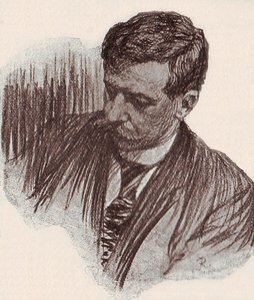
Janis Rozentāls
1866 - 1916 , Latvia
Kort om kunstneren
- Artistic Movement Or Style: Impressionisme, Art Nouveau
- Artists Or Movements Influenced By This Artist: ['Latviju']
- Artists Who Influenced This Artist: ['Finnish art']
- Date Of Birth: 18. marts 1866
- Date Of Death: 26. decembrī 1916
- Full Name: Janis Rozentāls
- Nationality: Latviju
- Notable Artworks:
- Nāve
- No baznīcas
- Pildus
- Place Of Birth: Saldus, Latvia