


 Se i rommet
 Del som digitalt kort
 Del
Del
 Detaljer
 Studentguide

 Last ned
 Liknende objekter
 Røntgen
 Lysbildefremvisning
 Besøksstatistikk
Familieforening


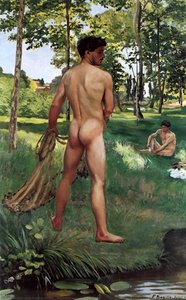
Opplev Jean Frédéric Bazilles fantastiske "Familieforening"! Et livlig bilde fra 1867 fanger et sosialt samvær under et stort tre. Perfekt for kunstinteresserte og samlere.
 Les mer
Frédéric Bazille (1841-1870): En kortfattet og vakker kunstner som var en viktig del av den franske impresjonismen, kjent for sine lysfulle landskap og menneskeskildringer.
Giclée / Kunsttrykk
Giclée- eller lerretsprint av museumskvalitet med rask produksjon og fleksible valgmuligheter for etterbehandling. ( Bestill håndmalt reproduksjon Gå til digitalt bilde)




P118B Nkr10

P118H Nkr10

P118W Nkr10

P438Z Nkr10

P508JH Nkr12

P508YH Nkr12

P805H Nkr10

P805Z Nkr10

P919BZ Nkr10

P919G Nkr10

P919XJ Nkr10

P959ZH Nkr10

P968JZ Nkr12

W106C Nkr8

W218G Nkr10

W218JH Nkr8

W218Y Nkr10

W307PJ Nkr10

W316G Nkr10

W316PJ Nkr8

W316Y Nkr10

W398PJ Nkr8

W4111J Nkr10

W500HY Nkr15

W500JH Nkr15

W692G Nkr12

W849H Nkr8

W940BG Nkr15

W953PJ Nkr8




Standardformat
tilpasset
CM
INCH
Velg mellom våre forhåndsdefinerte størrelser som bevarer kunstverkets opprinnelige proporsjoner.
Loading sizes...

bredde
høyde
Skriv inn bredden og høyden du trenger, slik at den passer til din ramme eller vegg. Et trykk kan kun beskjæres, aldri gjøres større enn bildet, så et format med en annen form vil miste en del av motivet. Vi sender deg en digital mockup for godkjenning før vi trykker noe som helst. Bildet som vises på denne siden viser ikke den faktiske beskjæringen — det er kun mockuppen som gjør det.
Verdensomspennende levering () på 2 uker i stedet for standard 4/5 uker. (20 October)

Gratis ekspressfrakt over hele verden

Lerretsduk av høykvalitets lin

Full transportforsikring

Garanti for refusjon av toll og importavgifter

Garantert fargeekthet

100 dagers returrett ved fabrikasjonsfeil

100% pengene tilbake-garanti

Mengderabatt
 Glassalternativet er kun tilgjengelig i størrelser under 110 cm

Familieforening
Giclée / Kunsttrykk
Format på reproduksjon
-


Totalpris
-
En kort introduksjon til en tragisk kunstner
Jean Frédéric Bazille er en kunstner hvis liv, dessverre, ble for kort. Han var født i Montpellier, Frankrike, i 1841, og hans historie er et bemerkende eksempel på et stort potensial som ble knust altfor tidlig. Bazilles oppvekst var preget av en spenning mellom hans ambisjoner innen kunst og familiens ønsker om en mer sikker fremtid gjennom medisinstudier. Denne dualiteten formet hans tidlige år, og delte hans oppmerksomhet mellom anatomisk undersøkelse og den forlokkende verdenen av farge og lys. Han flyttet til Paris i 1862, et sentralt knutepunkt for kunstneriske impulser, hvor han virkelig begynte å forme sin egen stil og identitet. Bazille ble en viktig del av det blomstrende Impressionist-miljøet, og samarbeidet tett med andre store navn som Pierre-Auguste Renoir og Alfred Sisley – kunstnere som alle var påvirket av hans innovative tilnærming til fargebruk og lysfangst.Stil og teknikk: Et blikk inn i Impressionismens hjerte
"Familieforening" er et uttrykk for Bazilles mesterskap innen Impressionisme, en bemerkelsesverdig kunstretning som fokuserte på å fange øyeblikkets flyktige skjønnhet. Verket er preget av en intens bruk av farge, lys og detaljerte teksturer – elementer som er sentrale for den tidlige Impressionistiske bevegelsen. Bazille utmerket seg i sin teknikk, spesielt når det gjaldt å skildre figurenes klær og de naturlige elementene med en imponerende presisjon. Han brukte et bredt spekter av lyse farger for å skape en levende og dynamisk atmosfære, samtidig som den intrikate detaljeringen i klærne fremhevet deres rike fargetoner og komplekse mønstre. Denne kombinasjonen av farge og teknikk gir bildet et unikt inntrykk av liv og bevegelse.Historisk kontekst: Et bilde av sin tid
"Familieforening" ble skapt i en spennende periode i kunsthistorien, da Impressionismen var i ferd med å utfordre tradisjonelle maleteknikker. Bazille var en sentral figur i denne utviklingen, og hans verk reflekterer den økende interessen for utendørs scener og sosiale sammenkomster som et bilde av moderne liv. Verket er et eksempel på 1800-tallets kunstneriske tendens til å feire hverdagslivet og de små gledene, og gir et innblikk i hvordan kunstnere forsøkte å fange essensen av det daglige livet.Symbolisme og følelsesmessig effekt: Mer enn bare et bilde
De naturlige elementene i bildet, spesielt treet som danner en ramme for samlingen, kan tolkes som symboler på harmoni med naturen eller glede ved utendørsaktiviteter. Samlingen av mennesker under treet representerer temaer som fellesskap og delt opplevelse, og vekker en følelse av samhørighet og tilhørighet. De livlige fargene og den dynamiske komposisjonen skaper en sterk følelsesmessig effekt, og inviterer betrakteren til å dele i gleden og feiringen som utspiller seg foran dem.En investering for kunstelskere og samlere
"Familieforening" er et slående kunstverk som vil berike enhver kunstsamling. Dens rike fargepalett, intrikate detaljer og historiske betydning gjør det til en verdifull tillegg til både private og profesjonelle rom. For interiørdesignere kan dette bildet være et fantastisk element for å skape en varm og innbydende atmosfære. Reproduksjoner av høy kvalitet gir deg muligheten til å bringe denne vakre skildringen inn i ditt hjem eller kontor, og nyte Bazilles kunstneriske visjon i mange år fremover.Spørsmål og svar
Hvem er opphavspersonen til "Familieforening", og hvilket år ble det laget?
Jean Frédéric Bazille laget "Familieforening" i 1867.
Kan jeg se "Familieforening" av Jean Frédéric Bazille under ulike lysforhold?
Røntgen-siden til "Familieforening" av Jean Frédéric Bazille er en interaktiv visning som lar deg bla gjennom elleve optiske lag av kunstverkets bilde, inkludert en visning i røntgenstil.
Hvilket rom i hjemmet passer en reproduksjon av "Familieforening" godt inn i?
Det anbefalte rommet for "Familieforening" av Jean Frédéric Bazille er en Stue og oppholdsrom. Forslaget kan selvfølgelig tilpasses ditt interiør.
Relaterte kunstverk




Kunstnerbiografi
The Brief Radiance of Jean Frédéric Bazille
Jean Frédéric Bazille’s story is one of immense promise tragically cut short, a fleeting yet significant contribution to the burgeoning Impressionist movement. Born in Montpellier, France, on December 6, 1841, into a prosperous Protestant family involved in wine production, Bazille initially seemed destined for a life far removed from the world of art. His parents, while supportive, insisted he pursue medical studies alongside his artistic inclinations – a compromise reflecting the societal expectations of the time and their desire for his financial security. This duality would shape his early years, dividing his attention between anatomical dissection and the captivating allure of color and light. However, it was within the vibrant atmosphere of Paris, where he relocated in 1862 to continue his medical training, that Bazille’s artistic path truly began to unfold.Forging a Path Amongst Giants
Paris proved to be a crucible for young Bazille. He quickly fell in with a circle of artists who would become synonymous with Impressionism: Claude Monet, Pierre-Auguste Renoir, and Alfred Sisley. Studying under Charles Gleyre provided him with formal training, but it was the shared passion and radical ideas exchanged amongst these friends that truly ignited his artistic vision. Bazille’s financial stability – a fortunate contrast to the often precarious existence of his companions – allowed him to generously support them, offering studio space and materials. This generosity wasn't merely practical; it stemmed from a deep camaraderie and belief in their collective potential. He became a vital hub for this emerging group, fostering an environment of experimentation and mutual encouragement. His early works, like *The Pink Dress* (c. 1864), already demonstrate a keen eye for capturing fleeting moments and the effects of light – hallmarks that would define Impressionism. He wasn’t simply mimicking established styles; he was actively participating in the creation of something entirely new. Bazille's work often depicted scenes of Parisian life, infused with an intimate understanding of his friends and their shared experiences.A Style Defined by Light and Friendship
Bazille's artistic style, though developing rapidly, possessed a unique character within the broader Impressionist aesthetic. While sharing their fascination with *plein air* painting – working outdoors to directly capture the nuances of natural light – his compositions often exhibited a more structured quality than Monet’s or Renoir’s. He frequently combined figure painting with landscape, placing his subjects thoughtfully within their environment, as seen in masterpieces like *Family Reunion* (1867-1868). This work is not merely a depiction of familial gathering; it's an exploration of light filtering through the trees, animating the scene and imbuing it with a sense of warmth and intimacy. His paintings weren’t just about *what* he saw, but *how* he saw it – the emotional resonance evoked by color, form, and light. He was deeply influenced by Eugène Delacroix, whose vibrant use of color resonated with his own artistic sensibilities, yet he moved beyond academic conventions to embrace a more modern sensibility. Bazille’s palette often featured rich, warm tones, reflecting the southern French landscapes that held such significance for him.A Life Interrupted: Legacy and Remembrance
The blossoming career of Jean Frédéric Bazille was brutally interrupted by the Franco-Prussian War in 1870. Driven by a sense of patriotic duty, he joined a Zouave regiment just months after the conflict erupted. Tragically, he was killed in action on November 28, 1870, at the young age of 28, near Beaune-la-Rolande. His death sent shockwaves through the artistic community, robbing them of a talented friend and generous benefactor. His premature demise meant his work remained relatively unknown for many years. However, in recent decades, Bazille’s contributions have been increasingly recognized and celebrated. Today, his paintings are held in prestigious museums like the Musée d'Orsay in Paris, and reproductions allow art lovers worldwide to experience the beauty and innovation of his vision. Bazille’s legacy extends beyond his artistic output; he embodies the spirit of youthful idealism, unwavering dedication, and the power of friendship that defined the early days of Impressionism. He remains a poignant reminder of the potential lost, yet also a testament to the enduring impact of a brief but brilliant career.Family Background and Early Influences
Born into a prominent Protestant family in Montpellier, Bazille’s upbringing was markedly different from many of his artistic peers. His parents, Gaston Bazille (a respected agronomist and senator) and Camille Vialars (descended from a wealthy Toulouse family), instilled in him a strong sense of responsibility and a deep appreciation for the arts. This privileged background provided him with financial stability, allowing him to pursue both medicine and painting without the constant worry of poverty that plagued many artists of the time. The family’s connection to the cultural life of Montpellier – including its museum and artistic society – undoubtedly shaped his early exposure to art and influenced his aesthetic sensibilities. His ancestry included goldsmiths and merchants, reflecting a history of entrepreneurialism and craftsmanship that may have subtly informed his approach to painting.Key Works and Artistic Development
Bazille’s oeuvre, though limited in size due to his tragically short life, showcases a remarkable evolution in style. Early works like *The Pink Dress* demonstrate his nascent talent for capturing fleeting moments and experimenting with color and light – hallmarks of the Impressionist movement. However, it was in *Family Reunion* (1867-1868) that he truly established his unique voice, blending figure painting with landscape to create a harmonious composition imbued with warmth and intimacy. This work exemplifies his ability to capture not just the visual appearance of a scene but also its emotional atmosphere. Other notable paintings include *Studio in Rue de Furstenberg* (c. 1867), which offers a glimpse into the social life of Parisian artists, and *Bathers (Summer Scene)* (c. 1869), showcasing his interest in depicting figures within natural settings. Throughout his career, Bazille consistently sought to integrate modern compositional strategies – such as unusual cropping and dynamic perspectives – with traditional painting techniques.A Tragic End and Lasting Impact
Bazille’s promising artistic career was abruptly cut short by the Franco-Prussian War. Driven by a sense of patriotic duty, he enlisted in the army just months before the conflict erupted and perished in action on November 28, 1870. His untimely death robbed the art world of a talented and visionary artist, but his legacy has endured through the recognition of his paintings and the inspiration he provided to later generations of Impressionists. Today, Bazille is increasingly appreciated as a key figure in the development of modern painting, celebrated for his innovative approach to composition, his masterful use of color, and his profound understanding of light and atmosphere. His story serves as a poignant reminder of the fragility of artistic genius and the enduring power of friendship and dedication.
Jean Frédéric Bazille
1841 - 1870 , Frankrike
Kort om kunstneren
- Artistic Movement Or Style: Impressionisme
- Artists Or Movements Influenced By This Artist: ['Impressionisme']
- Artists Who Influenced This Artist: ['Delacroix']
- Date Of Birth: 6 desember 1841
- Date Of Death: 28 november 1870
- Full Name: Jean Frédéric Bazille
- Nationality: Fransk
- Notable Artworks:
- The Pink Dress
- Family Reunion
- Place Of Birth: Montpellier, Frankrike
Relaterte artikler

Dining Room Elegance: Transforming Your Space with Impressionist Masterpieces
Elevate your dining room with the luminous beauty of Impressionist masterpieces. Discover how hand-painted Claude Monet and Renoir reproductions can transform your space into a sanctuary of light, color, and timeless elegance for your home.

Capturing the Soul: The Ethereal Magic and Timeless Technique of Impressionist Portraiture
Discover the ethereal beauty of Impressionist portraiture. Explore how masters like Monet and Renoir captured light and soul through brushwork, and learn how to bring this timeless magic into your home with exquisite, hand-painted oil reproductions from TopImpressionists.com.

Capturing the Drama: How Impressionist Light and Shadow Transform Your Living Space
Discover how the luminous light and dramatic shadows of Impressionist masterpieces can transform your home. Explore expert insights on using Renoir, Monet, and Cézanne to create a serene, culturally rich sanctuary through museum-quality, hand-painted oil reproductions.

Capturing the Light of Amsterdam: A Journey Through Impressionist Masterpieces of the Dutch Canals
Embark on a visual journey through the luminous Amsterdam canals. Discover how Impressionist masters captured the fleeting light of the Dutch landscape through evocative brushwork and color. Explore the timeless beauty of these masterpieces for your private art collection.
Utforsk kunstverk organisert etter temaer, stiler og kjennetegn.

