

Vist: · Med ramme:
 Forhåndsvisning

 Send
 Del
 Vis detaljer
 Faktablad for elever


 Last ned bilde
 Liknende objekter
 Røntgenundersøkelse
 Lysbildefremvisning
 Spørsmål og svar

 Statistikk
Found (Max Klinger)


Lerrets- og kunsttrykk fra Nkr480 ved 36 x 28 cm
Håndmalt oljereproduksjon fra Nkr2401
- Gratis verdensomspennende frakt på 3–4 uker
- Trykk på rull leveres innen 3 til 4 uker
- 100 dagers returrett og pengene tilbake
- Vurdert 4.9/5 av 241 kunder på ArtShopReviews.com
Nkr 745
Giclée / Kunsttrykk
Giclée- eller lerretsprint av museumskvalitet med rask produksjon og fleksible valgmuligheter for etterbehandling. ( Kjøp impresjonistisk oljemaleri Kjøp digital kopi
)
Medium
 Les mer om dette
Vårt budsjettalternativ: det samme motivet trykket på et 260 g/m² polyester-lerret i stedet for bomull, levert som rull i rør med vanlig post i løpet av 3 til 4 uker. Kun som rull (ingen ramme eller strekkramme) og uten ekspressproduksjon, for størrelser med minst én side på 80 cm eller mindre. Omtrent 30% billigere enn bomullslerratrykk.
Ikke tilgjengelig i denne størrelsen: minst én side må være 80 cm eller mindre.
Kun som rull: velg lerret i rør for å velge dette trykket.
Tilgjengelig for størrelser der begge sider er 110 cm eller mindre. For større størrelser trykkes motivet på matt bomullslerret.
Matt archival canvas er ikke tilgjengelig i denne størrelsen: begge sider må være 110 cm eller mindre. Trykket ditt er i stedet laget på matt bomullslerret.
Glassalternativet er kun tilgjengelig i størrelser under 110 cm
Størrelse
·Velg mellom våre forhåndsdefinerte størrelser som bevarer kunstverkets opprinnelige proporsjoner.
Laster inn størrelser...

bredde
høyde
Skriv inn ønsket bredde og høyde for å tilpasse trykket til din ramme eller vegg. Et trykk kan kun beskjæres, aldri skaleres opp utover motivets opprinnelige størrelse, noe som betyr at et format med andre proporsjoner vil føre til tap av deler av bildet. Vi sender deg en digital mockup for godkjenning før vi starter trykkeprosessen. Bildet som vises på denne siden viser ikke den faktiske beskjæringen — det er kun mockuppen som viser dette.
Standardformat
skreddersydd
CM
TOMMER
Fullfør
·
Hvit kant Nkr1

Uskarp kantfinish Nkr1

Fortsatt motiv Nkr1

P118B Nkr10

P118H Nkr10

P118W Nkr10

P438Z Nkr10

P508JH Nkr12

P508YH Nkr12

P805H Nkr10

P805Z Nkr10

P919BZ Nkr10

P919G Nkr10

P919XJ Nkr10

P959ZH Nkr10

P968JZ Nkr12

W106C Nkr8

W218G Nkr10

W218JH Nkr8

W218Y Nkr10

W307PJ Nkr10

W316G Nkr10

W316PJ Nkr8

W316Y Nkr10

W398PJ Nkr8

W4111J Nkr10

W500HY Nkr15

W500JH Nkr15

W692G Nkr12

W849H Nkr8

W940BG Nkr15

W953PJ Nkr8
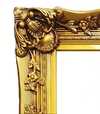
H24-GOLD Nkr30
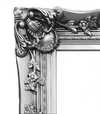
H24-SILVER Nkr30
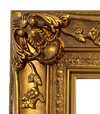
H36-GOLD Nkr70
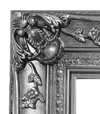
H36-SILVER Nkr70
Sendes i et beskyttende rør, klar til å rammes inn av din egen innrammer.
Over 105 cm sendes rammen som et sett til en profesjonell rammemaker — les detaljene.
Tilleggstjenester
valgfrittHva inkluderer ekstratjenestene?
Verdensomspennende levering () på 2 uker i stedet for standard 4/5 uker. (23 December)
Hurtigproduksjon og ekspresslevering er ikke tilgjengelig for Economy poly-canvas-trykk, som sendes med vanlig post.
Beskyttende ferniss
Navneskilt
Detaljer om gravert bronseplate
Denne elegante plaketten har kunstnerens navn og verkets tittel, vakkert gravert for en tidløs presentasjon.
Den er laget av bronse med en raffinert og elegant finish. Teksten er presisjonslaserengrert for et skarpt og varig resultat. Plaketten måler 9x2 cm og er kompakt, men lettlest. Den er laget for å være slitesterk og ripebestandig, noe som gir et profesjonelt uttrykk av museumskvalitet. Montering er enkelt takket være den medfølgende selvklebende baksiden.
Detaljer om gjennomsiktig akrylplate
Plaketten inneholder essensielle graverte detaljer som kunstnerens navn, tittelen på kunstverket, produksjonsår, teknikk – som olje på lerret eller akvarell – en kort beskrivelse av verket, samt en QR-kode som lenker til utfyllende informasjon om kunstverket.
Den er laget av klar akryl, noe som gir et strømlinjeformet og moderne utseende. Teksten er UV-gravert i svart for å sikre god visuell kontrast. Med en størrelse på 10x15 cm sikres optimal lesbarhet. Den leveres med to metallkroker for sikker montering på vegg. Plaketten er designet for å være værbestandig, noe som gjør den egnet for ulike miljøer, og den inkluderer interaktive funksjoner som fungerer sømløst ved skanning med smarttelefon.
Detaljer om plakett i svart akryl
Denne elegante plaketten inneholder gravert informasjon som kunstnerens navn, tittelen på kunstverket, produksjonsår, teknikk (som olje på lerret eller akvarell), en kort beskrivelse av verket, samt en QR-kode for rask tilgang til mer informasjon.
Selve plaketten er laget av raffinert sort akryl med en eksklusiv finish. Teksten er laserengravert i hvitt for høy kontrast og god lesbarhet. Størrelsen er 10x15 cm, utformet for å være lettlest. Den leveres med to metallkroker for profesjonell montering. Designet er strømlinjeformet og passer til alle interiørstiler. Den er også værbestandig og holdbar, med innebygd digital integrasjon for mobilkompatibilitet.
Glassalternativet er kun tilgjengelig i størrelser under 110 cm
 Glassalternativet er kun tilgjengelig i størrelser under 110 cm
- Gratis verdensomspennende frakt på 3–4 uker
- Lerretsduk av lin av høy kvalitet
- Full transportforsikring
- Garanti for refusjon av toll og importavgifter
- Garantert fargegjengivelse
- 100 dagers returrett og pengene tilbake
- 100% pengene tilbake-garanti
- Rabatt ved flere kjøp


Found: Max Klinger og Symbolism-øyeblikket
Two figures kneel in despair beneath a suspended form in this dramatic monochromatic etching filled with dense, swirling cross-hatching.
Max Klinger: biografi
Hans Parodi over Funnet av en hanske var inspirert av en drøm: undersøk hvordan hansken fremstår i hvert trykk.
Om kunstverket
The Artwork Found by Max Klinger
In the quiet tension of Found, the viewer encounters a scene of profound emotional distress. Max Klinger, born in 1857 in Leipzig, Germany, presents a vision that feels caught in a moment of sudden, sharp anguish. The composition draws the eye upward through a pyramidal arrangement, where two figures kneel in supplication at the base. Above them, a third figure remains suspended on a rigid rectangular plane, creating a sense of unsettling verticality. The atmosphere is heavy with a feeling of helplessness, as if the figures are trapped within a swirling chaos of lines that refuse to settle.
The imagery suggests a narrative of torment or judgment, though the exact nature of the suffering remains a mystery. Shadows and highlights dance across the forms, emphasizing the intensity of the facial expressions and the physical strain of the subjects. There is a palpable sense of unease in the way the figures interact with the space around them. The scene does not offer the comfort of a clear light source, leaving the viewer to navigate the deep shadows and the turbulent, textured background that seems to pulse with internal turmoil.
Composition and Visual Elements
A heavy, pyramidal structure dictates the movement of the scene, pulling the eye upward through a tense arrangement of forms. At the base, two figures kneel in a state of supplication, their bodies anchoring the bottom of the triangle. Above them, a third figure remains suspended on a rigid, rectangular plane, creating a jarring contrast between the organic curves of the human forms and the unyielding geometry of the platform. This vertical tension holds the viewer in a state of suspended animation, caught between the grounded suffering below and the hovering presence above.
The background refuses to remain still. Dense, swirling lines churn through the space, suggesting a world in a state of constant, chaotic turmoil. These lines wrap around the figures, blurring the distinction between the subjects and the atmosphere surrounding them. Light and shadow dance unevenly across the scene, with deep, heavy blacks clashing against pale highlights to emphasize the emotional weight of the figures. The perspective feels strangely flattened, yet the layering of these dark, textured shapes creates a sense of depth that pulls the viewer into the center of the struggle.
Technique and Artistic Materials
The scene emerges from a monochromatic world, where every shadow and highlight relies on a careful dance of gray tones. This is the result of a meticulous printmaking process, likely an etching or an engraving. One can almost feel the physical resistance of the metal plate as the artist uses sharp etching needles to incise deep, deliberate lines into the surface. These marks do not merely outline forms; they build a dense, textured landscape through heavy cross-hatching that catches the light and holds the darkness in place.
The materials used in this creation speak to a tactile, hands-on labor. A metal plate, perhaps zinc or copper, receives the initial wounding of the needle, creating the channels that will eventually hold the ink. Once the incised lines are ready, ink is pressed into these grooves, transferring the soul of the plate onto paper. This method allows for a staggering level of detail, where the swirling, chaotic lines of the background and the sharp, angular contours of the figures emerge from the interplay of ink and fiber.
Style and Artistic Movement
The work breathes with the heavy, restless energy of late 19th-century Expressionism. Every line seems to vibrate with an internal tension, pushing beyond mere representation to capture a raw, psychological state. This approach finds a striking kinship with the visual language of Edvard Munch, where the external world bends and twists to mirror the turbulence of the human spirit. The figures do not simply exist in space; they appear caught in a moment of profound emotional upheaval, their forms shaped by the weight of what they feel rather than the strict rules of anatomy.
At its core, the piece is deeply rooted in the Symbolist movement. It moves away from the literalism of the natural world to explore the shadowy, subjective realms of the subconscious. Rather than depicting a clear, objective reality, the imagery functions through a language of signs and metaphors that point toward deeper, unseen truths. The atmosphere is thick with the sense of a dream or a nightmare, where the boundaries between the physical self and the internal psyche begin to dissolve into a swirl of dark, textured lines.
Emotional and Symbolic Themes
Anguish and fear pulse through the scene, casting a heavy shadow over the figures. A profound sense of desperation grips the viewer as the subject matter unfolds, depicting a moment of intense emotional distress and torment. The two kneeling figures at the base of the composition seem trapped in a state of supplication, their bodies conveying a deep-seated helplessness. Above them, a third figure remains suspended on a rigid rectangular plane, watching the suffering below. This triangular arrangement creates a palpable tension, suggesting a heavy power dynamic or the weight of an inevitable judgment.
Chaos swirls in the background, where dense, agitated lines churn like a storm. These movements suggest a state of inner turmoil or perhaps the presence of overwhelming external forces acting upon the souls depicted. The darkness and light do not merely define form; they heighten the psychological weight of the moment. Every line contributes to an atmosphere of unease, as if the very air around the figures is thick with their collective despair. The struggle feels immediate, caught in a perpetual state of spiritual or emotional crisis.
Related Works by Max Klinger
The shadows of the artist's imagination stretch into other graphic cycles, where the boundaries between reality and the subconscious continue to blur. In the series Paraphrase on the Finding of a Glove, a single lost object transforms into a potent fetish, triggering a sequence of dreamlike visions and unsettling encounters. This narrative exploration of desire and loss finds a musical counterpart in the Brahms Fantasies from 1894, where the artist translates the spirit of composition into visual form. These works reveal a mind preoccupied with the hidden currents of human longing and the irrational forces that govern our inner lives.
Other explorations move through the realms of myth and movement. The artist's hand traces the tension found in The Rape of Prometheus and the rhythmic energy of Preparation for the dance. Each piece acts as a window into a world where the physical and the psychological are inseparable. Whether through the meticulous lines of an etching or the heavy presence of a sculpture, the artist's vision remains fixed on the tension between the seen world and the unseen impulses that drive it.
Spørsmål og svar
Er denne reproduksjonen av Found malt for hånd eller er den trykt?
Trykk: Found reproduseres som et giclée-trykk på bomullslerret eller på Epson arkivpapir.
Hvilken størrelse bør jeg velge for Found?
Størrelsene varierer fra 36.3 x 27.5 cm (Nkr480) til 248.4 x 188.4 cm (Nkr4352); tabellen på denne siden viser de viktigste alternativene og deres priser.
Hvor lang leveringstid er det?
Trykk som sendes i rør leveres kostnadsfritt med vanlig post og ankommer innen 3 til 4 uker; oppspente eller innrammede trykk tar 4 til 5 uker. Ekspresslevering med bud er kun tilgjengelig ved kjøp av ekspressfrakt. Du kan returnere varen innen 100 dager for full refusjon, uten krav til tilstand.
Hvilket medium brukte Max Klinger i Found?
Etching
Kort om verket og kunstquiz
Om Max Klinger

Max Klinger
1857 - 1920, Tyskland
Om Max Klinger: liv, verk og biografi
Kort om Max Klinger
- Artistic Movement Or Style: Symbolisme
- Artists Or Movements Influenced By This Artist: ['Inspection Med']
- Artists Who Influenced This Artist:
- Menzel
- Goya
- Date Of Birth: 1857
- Date Of Death: 1920
- Full Name: Max Klinger
- Nationality: Tysk
- Notable Artworks:
- Paraphrase...
- Beethoven
- The Bull
- Place Of Birth: Leipzig, Tyskland
Utforsk kunstverk organisert etter temaer, stiler og kjennetegn.


Max Klinger
Found
() ·
Med ramme: ·
Totalsum