


 Se i rommet
 Del som digitalt kort
 Del
Del
 Detaljer
 Studentguide

 Last ned
 Liknende objekter
 Røntgen
 Lysbildefremvisning
 Besøksstatistikk
Still Life with Apples 1


Paul Cézanne's 'Still Life with Apples' captures the artist’s revolutionary approach to form and color, bridging Impressionism & Cubism. Explore geometric shapes, vibrant hues, and a timeless composition.
 Les mer
Key Works and Recurring Motifs</h2>
Cézanne’s oeuvre is remarkably diverse
Giclée / Kunsttrykk
Giclée- eller lerretsprint av museumskvalitet med rask produksjon og fleksible valgmuligheter for etterbehandling. ( Bestill håndmalt reproduksjon Gå til digitalt bilde)




P118B Nkr10

P118H Nkr10

P118W Nkr10

P438Z Nkr10

P508JH Nkr12

P508YH Nkr12

P805H Nkr10

P805Z Nkr10

P919BZ Nkr10

P919G Nkr10

P919XJ Nkr10

P959ZH Nkr10

P968JZ Nkr12

W106C Nkr8

W218G Nkr10

W218JH Nkr8

W218Y Nkr10

W307PJ Nkr10

W316G Nkr10

W316PJ Nkr8

W316Y Nkr10

W398PJ Nkr8

W4111J Nkr10

W500HY Nkr15

W500JH Nkr15

W692G Nkr12

W849H Nkr8

W940BG Nkr15

W953PJ Nkr8




Standardformat
tilpasset
CM
INCH
Velg mellom våre forhåndsdefinerte størrelser som bevarer kunstverkets opprinnelige proporsjoner.
Loading sizes...

bredde
høyde
Skriv inn bredden og høyden du trenger, slik at den passer til din ramme eller vegg. Et trykk kan kun beskjæres, aldri gjøres større enn bildet, så et format med en annen form vil miste en del av motivet. Vi sender deg en digital mockup for godkjenning før vi trykker noe som helst. Bildet som vises på denne siden viser ikke den faktiske beskjæringen — det er kun mockuppen som gjør det.
Verdensomspennende levering () på 2 uker i stedet for standard 4/5 uker. (26 October)

Gratis ekspressfrakt over hele verden

Lerretsduk av høykvalitets lin

Full transportforsikring

Garanti for refusjon av toll og importavgifter

Garantert fargeekthet

100 dagers returrett ved fabrikasjonsfeil

100% pengene tilbake-garanti

Mengderabatt
 Glassalternativet er kun tilgjengelig i størrelser under 110 cm

Still Life with Apples 1
Giclée / Kunsttrykk
Format på reproduksjon
-


Totalpris
Nkr 657
A Moment Frozen in Time: Paul Cézanne’s Still Life with Apples
Paul Cézanne's *Still Life with Apples* (c. 1895-98) isn’t merely a depiction of fruit; it’s a profound exploration of form, light, and the very essence of perception. Painted during a pivotal period in his artistic development, this work represents a decisive shift away from the Impressionist tendencies that had initially shaped his early career and towards the nascent principles of Cubism – though Cézanne himself vehemently resisted any categorization as a “Cubist.” The painting, now housed within the collection at King’s College (Keynes Collection) in Cambridge, offers a glimpse into a mind relentlessly seeking to understand and represent the world around him with unprecedented rigor. It's a testament to his belief that art should not simply mimic reality but rather reveal its underlying structure, much like a sculptor revealing the form within a block of stone.The Composition: Geometric Harmony in a Domestic Setting
Cézanne’s genius lies in his ability to transform a commonplace scene – a simple table laden with apples and two cups – into a complex geometric arrangement. The composition is deliberately unbalanced, defying traditional notions of symmetry and creating a sense of dynamic tension. The apples themselves are not rendered as soft, yielding fruits; instead, they are fragmented into sharp planes of color and form, suggesting their three-dimensionality with remarkable precision. Notice how the curves of the fruit echo the angles of the table and the cups, establishing a visual dialogue between the objects. The placement of the two cups – one nestled in the upper left corner, the other on the right side – creates an asymmetrical balance that draws the eye across the canvas. The bowl at the bottom left acts as an anchor, grounding the composition while simultaneously contributing to the overall sense of depth and spatial awareness.Color and Light: A Painterly Exploration
Cézanne’s use of color is equally revolutionary. He abandons the bright, fleeting hues favored by Impressionism in favor of a more subdued palette dominated by earthy tones – ochres, browns, greens, and blues. These colors are not blended smoothly; rather, they are applied in small, broken brushstrokes that create a shimmering effect, capturing the play of light on the surfaces of the fruit and the surrounding objects. The lighting itself is ambiguous, suggesting an unseen source and casting subtle shadows that further enhance the sense of volume and form. The artist’s deliberate manipulation of color creates a feeling of stillness and contemplation, inviting the viewer to linger and examine the details with careful attention.Symbolism and the Pursuit of Truth
While Cézanne avoided overt symbolism in his work, *Still Life with Apples* is rich in subtle visual cues. The apples themselves have long been associated with knowledge, temptation, and immortality – potent symbols that resonate throughout Western art history. The presence of the cups hints at refreshment and conviviality, suggesting a moment of quiet contemplation or shared experience. More profoundly, this painting represents Cézanne’s lifelong quest to capture not just the appearance of objects but their underlying essence—their “truth.” He believed that by dissecting forms into their fundamental geometric components, he could arrive at a more complete and enduring representation of reality. This work stands as a cornerstone in his journey toward a new visual language, one that would profoundly influence generations of artists to come.A Reproduction for Your Space: Bringing Cézanne’s Vision Home
TopImpressionists offers meticulously hand-painted reproductions of Paul Cézanne's *Still Life with Apples*, capturing the artist’s revolutionary approach to form, color, and light. Our skilled artisans recreate the painting’s intricate details and nuanced atmosphere with exceptional fidelity, ensuring that your reproduction will be a stunning addition to any interior space. Available in a range of sizes, our reproductions are printed on archival-quality canvas using vibrant pigments, guaranteeing long-lasting beauty and authenticity. Whether you're an art enthusiast, collector, or simply seeking to infuse your home with the timeless elegance of Cézanne’s vision, TopImpressionists provides a remarkable opportunity to own a piece of art history.Spørsmål og svar
Hva har "Still Life with Apples 1" til felles med resten av Paul Cézanne sin produksjon?
"Still Life with Apples 1" tilhører Paul Cézanne sitt Post-Impressionism-verk, der de dokumenterte temaene inkluderer impressionism, geometric forms, color studies, modern art, pioneering style.
Hvilke motiver fremkommer i "Still Life with Apples 1" av Paul Cézanne?
Temaene i "Still Life with Apples 1" av Paul Cézanne inkluderer apples, fruit, cézanne, composition, table, still life, color. Sammen oppsummerer de verkets motiv.
Hva er "Still Life with Apples 1" laget med, og i hvilken stil?
"Still Life with Apples 1" er utført i Acrylic On Canvas, i Post-Impressionism-stil.
Relaterte kunstverk


Kunstnerbiografi
Paul Cézanne: Fra Impresjonismens Skygger til Kubismens Fødsel
Paul Cézanne, født i Aix-en-Provence i 1839, representerer et monumentalt skillepunkt i kunsthistorien. Han bygget en bro mellom impresjonismens flyktige øyeblikksbilder og kubismens fragmenterte former, men hans vei var ikke preget av umiddelbar anerkjennelse. Snarere var det en langsom prosess med utforskning, fylt med tvil og kritikk, som til slutt resulterte i et arv som for alltid ville endre moderne kunst. Cézanne ble født inn i en velstående familie – hans far var opprinnelig hattemaker før han ble bankmann – noe som ga ham en økonomisk trygghet uvanlig for aspirerende kunstnere. Dette tillot ham å dedikere seg til sin lidenskap uten det umiddelbare presset av kommersiell suksess. Selv om faren først ønsket at han skulle følge en juridisk karriere, viste den kunstneriske kallingen seg for sterk, og han forlot loven til fordel for maleriet – et valg som definerte hans liv. Tidlige påvirkninger inkluderte romantikken fra hans ungdom og Barbizonskolens dedikasjon til landskapet, men det var gjennom møter med kunstnere som Paul Gauguin og Georges Seurat, og deres innovative tilnærminger til farge og form, at Cézanne begynte å smi sin egen distinkte vei.En Analytisk Reise: Utviklingen av en Unik Stil
Cézannes tidlige arbeider gjenspeilet ofte de dramatiske, emosjonelt ladede temaene som kjennetegner romantikken – mørke fargepaletter og uttrykksfulle penselstrøk dominerte hans lerret. Denne innledende fasen var imidlertid bare et springbrett mot en langt mer analytisk og banebrytende tilnærming. Misfornøyd med å kun fange flyktige inntrykk av lys, slik impresjonistene foretrakk, begav Cézanne seg ut på en søken etter å forstå og representere den underliggende strukturen i objektene selv. Han ønsket ikke bare *hva* han så, men *hvordan* han oppfattet de fundamentale formene som konstituerte virkeligheten. Dette førte ham til å bryte ned naturlige former i deres geometriske ekvivalenter – kjegler, sylindere, sfærer – og forutse kubistrevolusjonen flere tiår før den materialiserte seg. Hans teknikk ble preget av små, repetitive penselstrøk, omhyggelig lagt på hverandre for å bygge opp komplekse farge- og teksturfelter, og skape en følelse av soliditet og dybde som tidligere var usett i maleriet. Han var ikke interessert i illusjonistisk rom; i stedet presenterte han ofte objekter fra flere synsvinkler samtidig, utfordret tradisjonelle forestillinger om perspektiv og tvang betrakteren til å aktivt engasjere seg med den konstruerte naturen av hans komposisjoner. Denne bevisste forvrengningen var ikke vilkårlig, men snarere et forsøk på å formidle en mer fullstendig forståelse av formen, representere ikke bare et enkelt øyeblikk i tid, men en syntese av persepsjon.Landskapets Magi, Stilllivets Intimitet og Menneskekroppens Mysterier
Cézannes oeuvre er bemerkelsesverdig mangfoldig, og omfatter landskaper, stillliv, portretter og fremstillinger av badende kvinner. Likevel forenes alle verkene av hans unike tilnærming til form og farge. The Pond at Jas de Bouffan, malt i 1880, er et eksempel på hans landskapsarbeider, som viser hans evne til å fange essensen av naturen gjennom en nøye arrangement av former og toner. Portrait of Émile Zola, skapt i 1866, avslører hans utviklende stil og gir et overbevisende innblikk i den intellektuelle intensiteten hos sin nære venn og medforfatter. Hans stillliv, som de med epler og annen frukt, er ikke bare representasjoner av objekter, men snarere utforskninger av volum, lys og romlige forhold. Mont Sainte-Victoire-serien ble en besettelse for Cézanne, et tilbakevendende motiv som tillot ham å nådeløst undersøke form og perspektiv over flere tiår. Disse maleriene er ikke bare fremstillinger av et fjell; de er studier i hvordan vi oppfatter dybde, volum og samspillet mellom lys og skygge. Til slutt representerer hans serie med Bathers, som viser nakne figurer i idylliske landskaper, en dyp utforskning av menneskekroppen og dens forbindelse til naturen, ofte fylt med en følelse av tidløshet og stille kontemplasjon.En Varig Innflytelse: Cézannes Arv i Moderne Kunst
Paul Cézannes innvirkning på etterfølgende generasjoner kunstnere er umålelig. Han regnes som «den moderne kunstenes far» for sine banebrytende bidrag til billedspråket, og banet vei for mange av de store kunstbevegelsene i det 20. århundre. Pablo Picasso og Georges Braque var dypt takknemlige for Cézannes vektlegging av geometriske former og flere perspektiver, som ble sentrale prinsipper i kubismen. Hans dristige bruk av farge inspirerte også fauvistbevegelsen, ledet av kunstnere som Henri Matisse, som omfavnet livlige, ikke-naturalistiske nyanser. Selv surrealistiske kunstnere fant gjenklang i Cézannes utforskning av subjektiv persepsjon og psykologisk dybde. Utover spesifikke bevegelser frigjorde Cézannes insistering på kunstnerens personlige visjon og hans forkastelse av tradisjonelle akademiske begrensninger generasjoner av malere til å utforske nye uttrykksformer. Han utfordret selve definisjonen av representasjon, skiftet fokuset fra å etterligne virkeligheten til å konstruere en visuell opplevelse basert på underliggende struktur og subjektiv persepsjon. Hans død i 1906 markerte ikke en slutt, men en begynnelse – daggryet av en ny æra i kunsthistorien, en som ble dypt formet av hans revolusjonerende visjon.
Paul Cézanne
1839 - 1906 , Frankrike
Kort om kunstneren
- Artistic Movement Or Style: Post-impresjonisme
- Artists Or Movements Influenced By This Artist:
- Kubismen
- Fauvismen
- Artists Who Influenced This Artist:
- Romanticismen
- Barbizon skolen
- Date Of Birth: 19. januar 1839
- Date Of Death: 22. oktober 1906
- Full Name: Paul Cézanne
- Nationality: Fransk
- Notable Artworks:
- The Pond at Jas de Bouffan
- Portrait of Émile Zola
- Mont Sainte-Victoire
- Place Of Birth (City And Country): Aix-en-Provence, Frankrike
Relaterte artikler
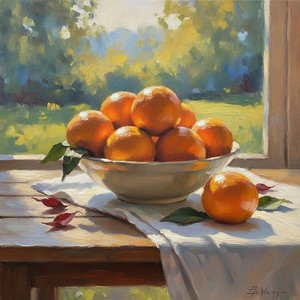
Sun-Drenched Citrus: The Vibrant Beauty of Oranges in Impressionist Masterpieces
Embark on a sensory journey through Impressionist masterpieces. Discover how Renoir and Cézanne captured the vibrant light and luscious textures of sun-drenched oranges in exquisite still life paintings designed to inspire and transform your home.

Beyond the Light: Discovering the Soul and Emotional Depth of Post-Impressionism
Embark on a cultural journey through Post-Impressionism. Discover the profound emotional depth of masters like Van Gogh and Cézanne, exploring how they moved beyond light to capture the very soul of human experience through vibrant color and symbolic form.

Capturing the Light: A Journey Through the Ethereal Magic of Impressionism and Post-Impressionism
Embark on a cultural journey through the luminous world of Impressionism. Discover the profound beauty of Monet, Van Gogh, and Cézanne through expert art history insights and explore how to bring these timeless masterpieces into your home with museum-quality hand-painted reproductions.

A Journey Through Time: From the Dark Ages to Contemporary Masterpieces
Embark on a visual journey through art history. Explore the luminous evolution from Impressionism to Post-Impressionism, celebrating the masters of light and form like Monet, Renoir, and Cézanne in this curated cultural retrospective.
Utforsk kunstverk organisert etter temaer, stiler og kjennetegn.


