

 Forhåndsvisning
 Send
Send Del
Del
 Vis detaljer
 Utskriftsvennlig guide

 Last ned bilde
 Liknende objekter
 Røntgenundersøkelse
 Lysbildefremvisning
 Spørsmål og svar
 Statistikk
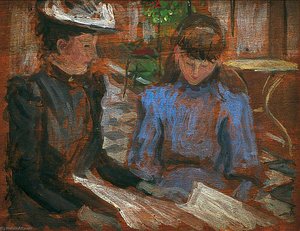
The Worktable

- 21.0 x 26.0 cm


Admire 'The Worktable' by Philip Wilson Steer (1894). An exquisite oil on panel portrait of a woman sewing, showcasing Impressionist light & detail. Hand-painted reproduction available.
 Vis hele teksten
"meta_description": "Philip Wilson Steer (1860-1942) var en britisk impresjonist kjent for sine lysende landskap og haveskildringer. Inspirert av Manet & Whistler, er hans verk representert i Tate & Uffizi. Han var en viktig skikkelse i den britiske kunstbevegelsen."
Giclée / Kunsttrykk
Giclée- eller lerretsprint av museumskvalitet med rask produksjon og fleksible valgmuligheter for etterbehandling. ( Kjøp håndmalt maleri Bytt til digitalt bilde)




P118B Nkr10

P118H Nkr10

P118W Nkr10

P438Z Nkr10

P508JH Nkr12

P508YH Nkr12

P805H Nkr10

P805Z Nkr10

P919BZ Nkr10

P919G Nkr10

P919XJ Nkr10

P959ZH Nkr10

P968JZ Nkr12

W106C Nkr8

W218G Nkr10

W218JH Nkr8

W218Y Nkr10

W307PJ Nkr10

W316G Nkr10

W316PJ Nkr8

W316Y Nkr10

W398PJ Nkr8

W4111J Nkr10

W500HY Nkr15

W500JH Nkr15

W692G Nkr12

W849H Nkr8

W940BG Nkr15

W953PJ Nkr8




Standardformat
skreddersydd
CM
INCH
Velg mellom våre forhåndsdefinerte størrelser som bevarer kunstverkets opprinnelige proporsjoner.
Loading sizes...

bredde
høyde
Skriv inn ønsket bredde og høyde for å tilpasse trykket til din ramme eller vegg. Et trykk kan kun beskjæres, aldri skaleres opp utover motivets opprinnelige størrelse, noe som betyr at et format med andre proporsjoner vil føre til tap av deler av bildet. Vi sender deg en digital mockup for godkjenning før vi starter trykkeprosessen. Bildet som vises på denne siden viser ikke den faktiske beskjæringen — det er kun mockuppen som viser dette.
Verdensomspennende levering () på 2 uker i stedet for standard 4/5 uker. (7 November)

Gratis ekspressfrakt over hele verden

Lerretsduk av lin av høy kvalitet

Full transportforsikring

Garanti for refusjon av toll og importavgifter

Garantert fargegjengivelse

100 dagers returrett ved fabrikasjonsfeil

100% pengene tilbake-garanti

Rabatt ved flere kjøp
 Glassalternativet er kun tilgjengelig i størrelser under 110 cm

The Worktable
Giclée / Kunsttrykk
Størrelse på reproduksjon
-


Totalpris for valgte alternativer
Nkr 669
A Moment Frozen in Light: Philip Wilson Steer’s “The Worktable”
Philip Wilson Steer's "The Worktable," painted in 1894, isn't merely a depiction of a woman engaged in domestic activity; it’s a carefully constructed tableau vivant—a snapshot of Victorian life imbued with an exquisite sense of light and atmosphere. The painting immediately draws the viewer into a quiet, intimate scene within a modestly furnished room. A woman, her features softened by the diffused afternoon light, sits at a simple wooden table, her hands deftly manipulating fabric – likely engaged in sewing or embroidery. The composition is remarkably restrained, focusing entirely on this single, compelling interaction. There’s no grand gesture, no dramatic narrative; instead, Steer masterfully captures a fleeting moment of focused concentration and quiet industry.
Steer's style leans heavily into the tenets of Impressionism, yet he transcends simple replication of visual effects. He employs loose, broken brushstrokes—particularly noticeable in the rendering of the fabrics and the play of light on the table surface—to create a shimmering, almost ethereal quality. The palette is muted, dominated by soft blues, greens, and browns, reflecting the natural light filtering through an unseen window. This deliberate restraint allows the subtle nuances of color and texture to take precedence, contributing significantly to the painting’s overall mood.
The Context of a Changing Era
To fully appreciate “The Worktable,” it's crucial to understand the historical context in which it was created. The late 19th century witnessed significant social and economic shifts in Britain, marked by rapid industrialization and urbanization. Traditional rural life was giving way to new urban realities, and domestic roles were undergoing subtle transformations. Steer’s painting reflects this evolving landscape, portraying a scene of quiet productivity within the confines of the home—a space increasingly valued as a sanctuary from the pressures of modern life. The inclusion of books and papers on the table suggests an intellectual engagement alongside the practical tasks at hand, hinting at the multifaceted roles women played in Victorian society.
Furthermore, Steer’s work aligns with the broader artistic currents of his time. He was a key figure in the British Impressionist movement, influenced by artists like Monet and Whistler. However, unlike some of his contemporaries who embraced purely optical effects, Steer sought to capture not just the appearance of light but also its emotional impact—the sense of warmth, tranquility, and domestic comfort that permeated Victorian interiors.
Symbolism and Emotional Resonance
Beyond its surface details, “The Worktable” is rich in symbolic meaning. The woman’s posture – her hands resting gently on the table – conveys a sense of contentment and self-sufficiency. She's not presented as a passive figure but rather as an active participant in shaping her own world. The unfinished task at hand—the fabric being worked upon—represents both labor and creativity, highlighting the value placed on domestic skills during this period. The clock hanging on the wall subtly underscores the passage of time, reminding us that this moment is fleeting, a precious fragment captured for posterity.
Ultimately, “The Worktable” evokes a powerful sense of nostalgia—a longing for simpler times and a connection to traditional values. It’s a painting that invites contemplation, prompting viewers to reflect on the beauty of everyday moments and the enduring significance of human connection. Its quiet elegance and subtle emotional depth make it a truly remarkable example of Victorian art.
Useful Links:
- The Worktable art print by Philip Wilson Steer (1860–1942) | Custom ...
- Robert Wilson
- Philip Wilson Steer: Capturing Modern Life & British Impressionism's Essence
Spørsmål og svar
Hvilken orientering har "The Worktable" av Philip Wilson Steer?
"The Worktable" av Philip Wilson Steer har et Landscape-format. Formatet beskriver komposisjonens proporsjoner.
Er fargene i "The Worktable" sterke eller dempede?
Fargene i "The Worktable" av Philip Wilson Steer har en Subtle Color metning med en Monochromatic intensitet.
Hva er reproduksjonsrettighetene til "The Worktable" hos The Ashmolean Museum?
Opphavsretten til "The Worktable" av Philip Wilson Steer er klar: verket er fritt tilgjengelig – opphavsretten har utløpt. At det befinner seg hos The Ashmolean Museum, endrer ikke denne statusen.
Lignende kunstverk




Om kunstneren
En Pioner av Britisk Impresjonisme: Philip Wilson Steers Liv og Virke
Philip Wilson Steer, født i Birkenhead i 1860, representerer en fascinerende overgangsfigur i britisk kunsthistorie. Han var ikke bare et talentfullt maleri, men også en viktig brobygger mellom tradisjonelle teknikker og de radikale ideene som preget impresjonismen. Steers tidlige liv ble formet av en kunstnerisk familie; hans far var både portrettmaler og dedikert kunstlærer. Denne bakgrunnen ga ham et solid fundament, men det var flyttingen til Whitchurch nær Monmouth i ung alder som virkelig plantet frøene til hans senere landskapsmotiver. Den britiske landsbygda ble en konstant kilde til inspirasjon gjennom hele karrieren hans. Etter formell utdannelse ved Hereford Cathedral School, Gloucester School of Art og South Kensington Drawing Schools, tok Steer et avgjørende steg mot kunstnerisk modenhet da han reiste til Paris i 1880. Her studerte han ved Académie Julian og senere under Alexandre Cabanel ved École des Beaux-Arts, en periode som åpnet hans øyne for nye perspektiver og maleteknikker.Paris, Impresjonismen og Steers Unike Stil
Paris ble et avgjørende vendepunkt i Steers kunstneriske utvikling. Han ble dypt berørt av verkene til Édouard Manet og James McNeill Whistler, og absorberte deres innovative metoder for å fange lys, farge og atmosfære. Denne eksponeringen tente en lidenskap for impresjonismen i ham, men Steer var ingen blind etterfølger. Han klarte på mesterlig vis å kombinere disse franske influensene med sin egen britiske sensibilitet, og skapte dermed en stil som var unikt hans egen. Hans malerier kjennetegnes av evnen til å fange flyktige øyeblikk – sollysets spill på vannet, den subtile atmosfæren ved kysten. Han brukte løse penselstrøk og levende farger ikke bare for å gjengi scener, men også for å fremkalle følelser og skape en umiddelbar opplevelse for betrakteren. Motiver som strandscener og havlandskaper går igjen i hans arbeid, ofte badet i sølvaktig, gjennomskinnelig lys, noe som demonstrerer hans beherskelse av å fange friskheten og luminositeten i disse miljøene. Tidlige verk som The Music Room viser allerede hans talent for komposisjon og lyssetting, mens malerier som Girls Running: Walberswick Pier pulserer av energi og vitalitet fra en Suffolk-kystby.En Forkjemper for Moderne Kunst og Etaples’ Innflytelse
Steer var ikke bare opptatt av å male; han spilte også en aktiv rolle i å forme det britiske kunstmiljøet. Han var med på å grunnlegge New English Art Club, en organisasjon dedikert til å fremme moderne kunstneriske uttrykk – et modig trekk i en tid da tradisjonelle smaker fortsatt dominerte. Gjennom dette forumet og regelmessige utstillinger ved Royal Academy, inkludert deltakelse på den banebrytende London Impressionist Exhibition i 1889, bidro han til å introdusere nye ideer og utfordre konvensjonelle normer. Hans tid ved kunstnerkolonien i Etaples i 1887 forfinede ytterligere hans kunstneriske visjon. Dette livlige fellesskapet av kunstnere ga et stimulerende miljø for eksperimentering og samarbeid, og styrket hans evne til å fange lys og atmosfære med økende finesse. Steer hentet inspirasjon fra en rekke mestere – John Constable, J.M.W. Turner og til og med François Boucher – men filtrerte alltid disse influensene gjennom sitt eget unike perspektiv.Et Varig Etterlatenskap og Anerkjennelse
Philip Wilson Steer fortsatte å male flittig frem til helseproblemer tvang ham til å stoppe i 1940, og han døde to år senere i en alder av 81. Hans bidrag ble bredt anerkjent i hans levetid, kulminerende med en Order of Merit. I dag finnes verkene hans i prestisjetunge samlinger over hele verden, inkludert Tate Gallery og til og med Uffizi-galleriet – et bevis på hans internasjonale anerkjennelse. Utover selve maleriene strekker Steers arv seg gjennom hans lange virke som malerilærer ved Slade School of Art. I mange år hadde han en dyp innflytelse på generasjoner av unge kunstnere, og ga dem ikke bare tekniske ferdigheter, men også en dyp forståelse for observasjon og kunstnerisk integritet. Hans bidrag til utviklingen og aksepten av impresjonismen i Storbritannia er ubestridelig, og sikrer hans plass som en betydningsfull skikkelse i britisk kunsthistorie – en maler som på mesterlig vis forente tradisjon og modernitet, og etterlot seg et varig preg på det britiske kunstlandskapet. Malerier som Convalescent, med sine rike teksturer og uttrykksfulle blikk, og The Teme at Ludlow, som fremhever rolig skjønnhet og mesterlig penselføring, fortsetter å fengsle publikum i dag, og demonstrerer den tidløse kvaliteten på hans kunstneriske visjon.
Philip Wilson Steer
1860 - 1942 , Storbritannia
Kort om kunstneren
- Artistic Movement Or Style: Impresjonisme
- Artists Or Movements Influenced By This Artist: ['Britisk Impresjonisme']
- Artists Who Influenced This Artist:
- Manet
- Whistler
- Date Of Birth: 1860
- Date Of Death: 1942
- Full Name: Philip Wilson Steer
- Nationality: Britisk
- Notable Artworks:
- The Music Room
- Girls Running
- Convalescent
- Place Of Birth: Birkenhead, UK
Relaterte artikler

The Timeless Beauty of Oil on Panel: Capturing Light and Texture through the Impressionist Lens
Discover the exquisite depth of oil on panel. Explore how Impressionist masters captured light and texture through tactile brushwork, and learn how to bring these museum-quality, hand-painted masterpieces into your home with expert curation.

The Soul of Impressionism: Why Oil on Canvas Captures Eternal Light and Timeless Emotion
Discover the enchanting alchemy of Impressionism. Explore how the mastery of oil on canvas, through glazing and impasto, captures eternal light and emotion. Perfect for lovers of Monet and Van Gogh seeking the profound depth of hand-painted fine art.

The Art of Safe Transit: How We Protect Masterpiece Oil Paintings Globally
Discover the sophisticated science of protecting Impressionist masterpieces. From climate-controlled transit to vibration-resistant engineering, learn how we ensure every hand-painted oil work arrives safely and perfectly preserved for collectors worldwide.

From Fleeting Moments to Eternal Masterpieces: Transform Your Memories into Bespoke Impressionist Oil Paintings
Elevate your cherished memories with TopImpressionists.com. We transform your photos into exquisite, hand-painted Impressionist oil masterpieces. Experience the timeless texture of real brushstrokes and professional artistry to create a lasting legacy for your home.

The Luminous Living Room: Curating Your Space with Timeless Impressionist Masterpieces
Transform your living room with the luminous beauty of Impressionist masterpieces. Discover museum-quality, hand-painted oil reproductions from Monet to Renoir, curated for the discerning collector seeking timeless elegance and soulful interior design.
Utforsk kunstverk organisert etter temaer, stiler og kjennetegn.