


 Se i rommet
 Del som digitalt kort
 Del
Del
 Detaljer
 Studentguide

 Last ned
 Liknende objekter
 Røntgen
 Lysbildefremvisning
 Besøksstatistikk
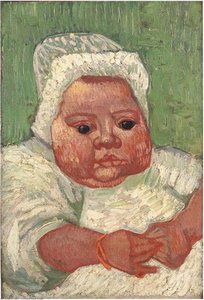
Child at Table
 Oil
Oil- WallArt
- Post-Impressionism
 1893
1893- 19th Century
 25.0 x 26.0 cm
A peaceful moment of childhood captured in Pierre Bonnard's intimate Post-Impressionist style features a baby at a dining table, inviting you to bring this serene 1893 masterpiece into your private collection.
 Les mer
Pierre Bonnard (1867-1947) var en fransk maler kjent for sine intime og fargerike bilder av hverdagsøyeblikk og 'Intimist'-stilen. Oppdag hans unike kunstneriske verden!
Giclée / Kunsttrykk
Giclée- eller lerretsprint av museumskvalitet med rask produksjon og fleksible valgmuligheter for etterbehandling. ( Bestill håndmalt reproduksjon Gå til digitalt bilde)




P118B Nkr10

P118H Nkr10

P118W Nkr10

P438Z Nkr10

P508JH Nkr12

P508YH Nkr12

P805H Nkr10

P805Z Nkr10

P919BZ Nkr10

P919G Nkr10

P919XJ Nkr10

P959ZH Nkr10

P968JZ Nkr12

W106C Nkr8

W218G Nkr10

W218JH Nkr8

W218Y Nkr10

W307PJ Nkr10

W316G Nkr10

W316PJ Nkr8

W316Y Nkr10

W398PJ Nkr8

W4111J Nkr10

W500HY Nkr15

W500JH Nkr15

W692G Nkr12

W849H Nkr8

W940BG Nkr15

W953PJ Nkr8




Standardformat
tilpasset
CM
INCH
Velg mellom våre forhåndsdefinerte størrelser som bevarer kunstverkets opprinnelige proporsjoner.
Loading sizes...

bredde
høyde
Skriv inn bredden og høyden du trenger, slik at den passer til din ramme eller vegg. Et trykk kan kun beskjæres, aldri gjøres større enn bildet, så et format med en annen form vil miste en del av motivet. Vi sender deg en digital mockup for godkjenning før vi trykker noe som helst. Bildet som vises på denne siden viser ikke den faktiske beskjæringen — det er kun mockuppen som gjør det.
Verdensomspennende levering () på 2 uker i stedet for standard 4/5 uker. (26 October)

Gratis ekspressfrakt over hele verden

Lerretsduk av høykvalitets lin

Full transportforsikring

Garanti for refusjon av toll og importavgifter

Garantert fargeekthet

100 dagers returrett ved fabrikasjonsfeil

100% pengene tilbake-garanti

Mengderabatt
 Glassalternativet er kun tilgjengelig i størrelser under 110 cm

Child at Table
Giclée / Kunsttrykk
Format på reproduksjon
-


Totalpris
Nkr 656
A Quiet Moment Captured in Light
In the delicate brushstrokes of Pierre Bonnard’s 1893 masterpiece, Child at Table, we are invited into a sanctuary of domestic tranquility. This intimate portrait transcends a mere depiction of a meal; it serves as a window into the profound beauty found within the mundane. The scene centers on a young child seated at a table, eyes cast downward in a moment of quiet contemplation or perhaps simple hunger. Surrounded by the soft presence of others, the infant becomes the focal point of a larger, harmonious domestic universe. Bonnard, a master of the Intimist style, utilizes this small-scale composition to evoke a sense of warmth and stillness that resonates deeply with anyone who finds poetry in the everyday rhythms of home life.
The painting is a testament to the artist's early mastery of light and atmosphere. Though created during his formative years, the work already hints at the vibrant, almost luminous color palette that would later define his career. The interplay of light across the tabletop, the subtle textures of the bowl, and the soft contours of the child’s form create a tactile experience for the viewer. There is a rhythmic quality to the composition, where the placement of the apple and the surrounding figures guides the eye in a gentle loop, mirroring the cyclical, peaceful nature of a family meal. For the collector or interior designer, this piece offers a sophisticated touch of nostalgia, bringing a sense of calm, historical elegance to any curated space.
The Art of Intimism and Emotional Resonance
To understand Child at Table, one must look toward the movement that Bonnard helped pioneer. As a member of the Nabis group, Bonnard moved away from the rigid structures of academic realism, opting instead to capture the emotional essence of a scene through color and suggestion. In this work, the technique is not about sharp, photographic precision, but about the "feeling" of the light. The soft edges and blended tones suggest a memory being revisited—a fleeting moment of childhood innocence preserved forever in oil. This approach allows the viewer to project their own emotions onto the canvas, making the artwork feel deeply personal and universally relatable.
For those seeking to adorn a living space with art that inspires reflection, this reproduction offers more than just visual appeal; it provides an emotional anchor. The painting’s ability to evoke peace makes it an ideal centerpiece for bedrooms, libraries, or quiet sitting rooms where a sense of serenity is desired. It stands as a tribute to the beauty of the unseen moments—the quiet breaths between actions that constitute a life well-lived. Owning a piece of Bonnard’s legacy is an invitation to slow down and appreciate the luminous, tender details of our own existence.
Spørsmål og svar
Er "Child at Table" overordnet sett mest lys eller mørk?
De registrerte verdiene for "Child at Table" av Pierre Bonnard er: shadow lysstyrke, Soft Shadow luminans.
Kan bildet av "Child at Table" av Pierre Bonnard gjenskapes fritt?
"Child at Table" av Pierre Bonnard er i det frie domene – opphavsretten har utløpt. Denne statusen avgjør hvordan bildet av verket kan reproduseres.
Hvor bør en reproduksjon av "Child at Table" av Pierre Bonnard henges opp?
Med sin Square form, anbefales en reproduksjon av "Child at Table" for et Dining Room.
Relaterte kunstverk




Kunstnerbiografi
A Life Bathed in Light: The World of Pierre Bonnard
Pierre Bonnard, født i 1867 i den parisanske forsted Fontenay-aux-Roses, var ikke ment til et liv fylt med kunstnerisk uttrykk. Hans far, en høytstående offiser i det franske Forsvarsdepartementet, hadde forestilt seg en juridisk karriere for sin sønn. Ung Pierre fulgte derfor trofast studiene i juss, og fikk sitt vitnemål i 1888, men hans hjerte lå et annet sted – i den fascinerende verden av farge og form. Denne dualiteten, denne spenningen mellom forventning og lidenskap, ville subtilt forme hans kunstneriske reise, og gi arbeidet hans en unik intimitet. I utgangspunktet dabbet han i karikatur, og skarpnet en observasjonsevne som senere blomstret opp til eksakt gjengivelse av hverdagslige scener. Likevel var det ved Académie Julian at Bonnard virkelig fant veien sin, hvor han møtte likesinnede som delte hans voksende avvisning av akademiske konvensjoner og omfavnet den avantgarde-ånden som svevde gjennom Paris. Dette møtet førte ham til Nabis, en gruppe kunstnere – inkludert Maurice Denis, Paul Sérusier og Édouard Vuillard – som søkte å infuse kunst med åndelighet og symbolikk, og bevege seg utover ren representasjon mot en utforskning av indre opplevelse.The Nabi Years and the Cultivation of Intimacy
Bonnards tilknytning til Nabis var avgjørende. Gruppenes vektlegging av flate former, dristige fargepaletter og avvisning av tradisjonell perspektiv resonerte dypt med hans kunstneriske sanser. Inspirert av japanske trykk – deres elegante linjer og harmoniske komposisjoner – og Symbolistbevegelsens utforskning av subjektiv følelse, begynte Bonnard å utvikle sin signaturstil. Han var ikke interessert i store narrativer eller historiske allegorier; heller vendte han seg innover, og fokuserte på de stille øyeblikkene i hverdagen: en kvinne som bader, en familie samlet til middag, en solbrennende hage. Disse var ikke bare skildringer av scener, men destillasjoner av følelser – evokasjoner av minner og atmosfære. Denne fokuseringen på intim hverdagslighet tjente ham et kallenavn “Intimist”, et begrep som perfekt fanger den emosjonelle resonansen i arbeidet hans. Hans malerier handler ikke om *hva* som er avbildet, men *hvordan* det føles å være tilstede i disse øyeblikkene. Han jobbet fra minnet, skisserte grundig og deretter overførte disse inntrykkene på lerretet med en bemerkelsesverdig følsomhet for lys og farge.Color as Emotion: A Master Colorist
Bonnards mesterskap i farge er kanskje hans mest definerende karakteristika. Han brukte ikke bare farge; han *følte* den, og lot den styre stemningen og atmosfæren i sine malerier. Hans palett var livlig, men nyansert, ofte ved å bruke uventede kombinasjoner som skapte en følelse av skimrende lysstyrke. Han ville gjerne gå tilbake til ferdige lerret, og subtilt justere farger over flere arbeider for å oppnå perfekt harmoni – et vitnesbyrd om hans obsessive dedikasjon til kromatiske balanse. Dette var ikke et forsøk på realistisk representasjon; det var en måte å fange den subjektive opplevelsen av farge, dens evne til å vekke følelser og minner. Han forlot direkte observasjon, heller enn å male fra minnet, noe som tillot ham å innprege scenene sine med en drømmende kvalitet. Hans landskaper var ikke bare skildringer av steder, men emosjonelle reaksjoner på dem – filtrert gjennom linsen av personlig erfaring.Later Life and Lasting Legacy
Etter hvert som Bonnard ble eldre, forflyttet hans kunstneriske fokus ytterligere mot utforskningen av farge og lys. Han tilbrakte stadig mer tid utenfor Paris, fascinert av Middelhavslandskapet og dets intense lysstyrke. Hans forhold til Marthe de Meligny, hans kone og livslange muse, forble sentralt i livet og arbeidet hans. Hun dukket ofte opp i maleriene hans, ofte avbildet som bader eller engasjert i daglige aktiviteter, hennes tilstedeværelse utstraler en stille eleganse og intimitet. I 1912 kjøpte han “La Roulotte” i Vernonnet, nær Giverny, og etablerte et nært vennskap med Claude Monet. Denne nærheten til mesteren av impresjonismen drev Bonnards utforskning av lys og farge ytterligere, selv om han alltid opprettholdt sin egen distinkte kunstneriske visjon. Han fortsatte å male inntil kort før sin død i 1947, og etterlot seg et verk som fortsatt fengsler og inspirerer. Bonnards innflytelse på neste generasjon kunstnere er ubestridelig. Hans vektlegging av subjektiv opplevelse, hans mesterskap i fargebruk og hans feiring av hverdagen har satt et varig merke på moderne kunst. Han demonstrerte at skjønnhet kunne finnes ikke i store gesta eller heroiske narrativer, men i de stille øyeblikkene i livet – badet i lys og fylt med følelser.Notable Works & Collections
- Woman in Checkered Dress (1890): Et tidlig eksempel på hans Nabi-inspirerte stil, som viser flate former og dristige fargekombinasjoner.
- The Dining Room (1913): En typisk Intimist scene, som fanger varmen og intimiteten i hverdagslivet.
- Bowl of Fruit (c. 1933): Demonstrerer hans mesterskap i stilleben, med livlige farger og en følelse av lysende dybde.
- The Almond Tree in Blossom (1947): Ett av hans siste malerier, ferdigstilt kort før sin død, som viser hans fortsatte utforskning av farge og lys.
- Musée Marmottan Monet, Paris, Frankrike
- Art Institute of Chicago
- Museum of Modern Art, New York City
- Tate Modern, London

Pierre Bonnard
1867 - 1947 , Frankrike
Kort om kunstneren
- Artistic Movement Or Style: Post-Impressionisme, Intimisme
- Artists Or Movements Influenced By This Artist: ['Les Nabis']
- Artists Who Influenced This Artist:
- Paul Gauguin
- Hokusai
- Date Of Birth: 3. oktober 1867
- Date Of Death: 23. januar 1947
- Full Name: Pierre Bonnard
- Nationality: Fransk
- Notable Artworks:
- Dame i checkered kappe
- Spisestue
- Fruktfat
- Place Of Birth: Fontenay-aux-Roses, Frankrike
Relaterte artikler

Beyond the Light: Discovering the Soul and Emotional Depth of Post-Impressionism
Embark on a cultural journey through Post-Impressionism. Discover the profound emotional depth of masters like Van Gogh and Cézanne, exploring how they moved beyond light to capture the very soul of human experience through vibrant color and symbolic form.
Utforsk kunstverk organisert etter temaer, stiler og kjennetegn.


