
 Forhåndsvisning
 Send
Send Del
Del
 Vis detaljer
 Utskriftsvennlig guide

 Last ned bilde
 Liknende objekter
 Røntgenundersøkelse
 Lysbildefremvisning
 Spørsmål og svar
 Statistikk
Teologi


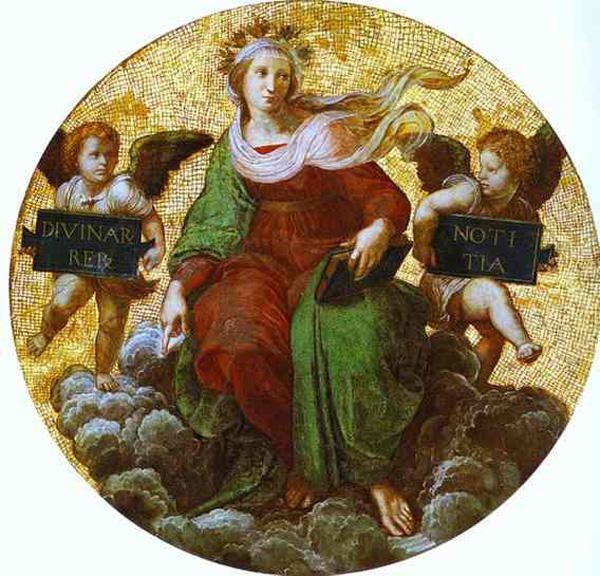
Oppdag Raphael's 'Teologi', et mesterverk fra den italienske renessansen som symboliserer tro, visdom og guddommelig kunnskap. Et fascinerende bilde av høyeste kunstneriske kvalitet.
 Vis hele teksten
Høyrenessansens mester bak Skolen i Athen. Oppdag hans legendariske Madonnas og fantastiske Vatikan-fresker i dag.
Giclée / Kunsttrykk
Giclée- eller lerretsprint av museumskvalitet med rask produksjon og fleksible valgmuligheter for etterbehandling. ( Kjøp håndmalt maleri Bytt til digitalt bilde)




P118B Nkr10

P118H Nkr10

P118W Nkr10

P438Z Nkr10

P508JH Nkr12

P508YH Nkr12

P805H Nkr10

P805Z Nkr10

P919BZ Nkr10

P919G Nkr10

P919XJ Nkr10

P959ZH Nkr10

P968JZ Nkr12

W106C Nkr8

W218G Nkr10

W218JH Nkr8

W218Y Nkr10

W307PJ Nkr10

W316G Nkr10

W316PJ Nkr8

W316Y Nkr10

W398PJ Nkr8

W4111J Nkr10

W500HY Nkr15

W500JH Nkr15

W692G Nkr12

W849H Nkr8

W940BG Nkr15

W953PJ Nkr8




Standardformat
skreddersydd
CM
INCH
Velg mellom våre forhåndsdefinerte størrelser som bevarer kunstverkets opprinnelige proporsjoner.
Loading sizes...

bredde
høyde
Skriv inn ønsket bredde og høyde for å tilpasse trykket til din ramme eller vegg. Et trykk kan kun beskjæres, aldri skaleres opp utover motivets opprinnelige størrelse, noe som betyr at et format med andre proporsjoner vil føre til tap av deler av bildet. Vi sender deg en digital mockup for godkjenning før vi starter trykkeprosessen. Bildet som vises på denne siden viser ikke den faktiske beskjæringen — det er kun mockuppen som viser dette.
Verdensomspennende levering () på 2 uker i stedet for standard 4/5 uker. (9 November)

Gratis ekspressfrakt over hele verden

Lerretsduk av lin av høy kvalitet

Full transportforsikring

Garanti for refusjon av toll og importavgifter

Garantert fargegjengivelse

100 dagers returrett ved fabrikasjonsfeil

100% pengene tilbake-garanti

Rabatt ved flere kjøp
 Glassalternativet er kun tilgjengelig i størrelser under 110 cm

Teologi
Giclée / Kunsttrykk
Størrelse på reproduksjon
-


Totalpris for valgte alternativer
Nkr 669
Raphael’s “Theology”: A Renaissance Dialogue with Divinity
Raffaello Sanzio da Urbino, simply known as Raphael, stands as one of the most beloved figures in Western art history – a master of grace, clarity, and profound humanism. His painting "Theology," housed within the magnificent Vatican Museums, is not merely a depiction of religious doctrine; it’s an invitation to contemplate the very essence of faith, knowledge, and the relationship between humanity and the divine. Completed between 1509 and 1511 during his time in Rome, this fresco embodies the pinnacle of High Renaissance artistic ideals, showcasing Raphael's remarkable ability to synthesize classical philosophy with Christian theology.
At first glance, “Theology” presents a serene tableau: a woman seated within a cloud-filled space, attended by two radiant angels. However, beneath this surface tranquility lies a complex web of symbolism and intellectual inquiry. The central figure isn’t a specific saint or biblical character but rather an allegorical representation of Theology itself – the pursuit of understanding God's nature and will. Raphael masterfully avoids literal depictions, instead opting for an idealized form that speaks to the inherent dignity and potential of human reason. The composition is meticulously balanced, reflecting the Neoplatonic belief in humanity’s capacity to ascend towards divine knowledge through contemplation and intellectual exploration – a concept deeply rooted in Renaissance thought.
An Embodiment of Human Grandeur
Raphael's genius lies not just in his technical skill but also in his profound understanding of human psychology. The woman at the heart of the painting isn’t presented as a passive recipient of divine revelation; she is actively engaged in a process of intellectual pursuit. Her posture, her gaze, and the book held in her lap all suggest an intense focus on learning and understanding. The angels flanking her aren't simply messengers but rather embodiments of virtues – wisdom, faith, hope, and charity – each holding symbolic signs that further illuminate the painting’s meaning. The careful arrangement of these figures creates a visual harmony that mirrors the intellectual balance sought by Renaissance scholars.
The backdrop is equally significant. The swirling clouds represent the ethereal realm of divine knowledge, while the use of perspective—a revolutionary technique pioneered during this period—creates a sense of depth and realism, drawing the viewer into the scene. Raphael’s masterful handling of light and shadow further enhances the painting's atmosphere, evoking a feeling of tranquility and intellectual contemplation. The color palette is dominated by soft blues, golds, and whites – colors traditionally associated with spirituality and wisdom.
Contextualizing a Renaissance Masterpiece
"Theology" was created during a period of unprecedented cultural flourishing in Italy—the High Renaissance. This era witnessed a renewed interest in classical art, literature, and philosophy, as well as a growing emphasis on humanism – the belief that humans are capable of achieving greatness through reason and intellect. Raphael’s work reflects this spirit of inquiry, seamlessly blending Christian theology with humanist ideals. The painting can be seen as a direct response to the intellectual debates of the time, offering a visual representation of the complex relationship between faith and reason.
Interestingly, Raphael's artistic journey was deeply influenced by his father, Giovanni Santi, a poet and court painter who instilled in him a love for both art and literature. Furthermore, the painting’s creation coincided with the rise of figures like Baldassare Castiglione, whose “Book of the Courtier” provided a blueprint for ideal behavior within Renaissance society – a model that Raphael undoubtedly absorbed and incorporated into his artistic vision. The echoes of this intellectual milieu are palpable in "Theology," making it not just a beautiful painting but also a window into the vibrant cultural landscape of 16th-century Italy.
A Timeless Legacy: Bringing Raphael’s Vision Home
“Theology” by Raphael remains an enduring testament to the power of art to inspire and provoke thought. As a meticulously crafted oil painting reproduction, this masterpiece offers a unique opportunity to experience the beauty and intellectual depth of Raphael's genius in any setting. It is more than just decoration; it’s a conversation starter, a meditation on faith, knowledge, and the human condition. Owning a reproduction allows you to bring this timeless work into your home, fostering contemplation and enriching your surroundings with the spirit of the Renaissance.
Spørsmål og svar
Hvor kan jeg finne kunstverk som ligner på "Teologi" av Rafael?
Siden Lignende verk for "Teologi" av Rafael viser relaterte kunstverk.
Hvor kommer de besøkende til "Teologi" av Rafael fra?
Statistikk for "Teologi" av Rafael finnes på verkets Besøksstatistikk-side: månedlige visninger av verket, visninger av kunstnerens andre verk, samt en oversikt over nylige besøkende fordelt på land og språk.
Kan jeg se en forhåndsvisning av "Teologi" av Rafael før jeg bestiller?
For å forhåndsvise en reproduksjon av "Teologi" av Rafael, åpne kunstverkets Se kunstverket i et rom-side.
Om kunstneren
Raffael Sanzio: Renessansens Mester av Harmoni og Skjønnhet
Raffaello Sanzio da Urbino, kjent for verden som Raffael, trådte frem fra et usedvanlig fruktbart kulturelt landskap. Født i 1483 innenfor murene av Urbino, en liten, men intellektuelt levende bystat i Sentral-Italia, ble hans tidlige år preget av en atmosfære som verdsatte både kunstnerisk dyktighet og humanistisk lærdom. Hans far, Giovanni Santi, var ikke bare en maler ansatt av hertug Federico da Montefeltro – han var en mann dypt engasjert i renessansens strømninger, en poet som kroniserte hertugens liv og aktivt søkte innovative kunstneriske ideer fra hele Italia og utover. Denne fordypningen i et hoffmiljø, som verdsatte raffinement og intellektuell diskurs, formet dypt den unge Raffaels følsomhet. Farens bortgang i en alder av elleve år påla ham ansvar, men ga også en mulighet til å finpusse sine ferdigheter innenfor familieverkstedet, absorbere teknikker og tradisjoner under veiledning av lokale kunstnere. Selv i disse tidlige verkene begynte en mild ynde og omhyggelig oppmerksomhet på detaljer – kjennetegn på hans modne stil – å dukke opp.
Fra Umbria til Firenze: Å Tilegne Seg Nye Innflytelser
Raffaels kunstneriske reise var en kontinuerlig evolusjon, preget av perioder med intens studie og assimilering. Hans første trening under Pietro Perugino i Perugia la et solid grunnlag for den umbriske stilen – karakterisert av myk modellering, harmoniske komposisjoner og rolige religiøse scener. Raffael besatt imidlertid en umettelig nysgjerrighet som drev ham til å søke nye utfordringer og utvide sine kunstneriske horisonter. I 1504 reiste han til Firenze, en by som pulserte med energi av kunstnerisk innovasjon. Her møtte han mesterverkene til Leonardo da Vinci og Michelangelo, kunstnere som presset grensene for maleriet på et utenkelig vis. Han studerte nøye deres teknikker – Leonardos sfumato, hans subtile graderinger av lys og skygge, og Michelangelos kraftige anatomiske presisjon og dramatiske komposisjoner. Denne florentinske perioden var en smeltedigel for Raffael, tvang ham til å konfrontere nye kunstneriske muligheter og syntetisere dem inn i sin egen unike visjon. Innflytelsen er synlig i den økte dynamikken og psykologiske dybden i hans verk fra denne tiden, spesielt i serien med Madonna-bilder.
Det Romerske Triumfen: Bestillinger og Mesterverk
I 1508 mottok Raffael en innkalling som ville endre løpet av hans karriere – en invitasjon fra pave Julius II til å komme til Roma. Dette markerte begynnelsen på hans mest produktive og feirede periode. Den evige byen ga ham en enestående mulighet til å vise frem sine talenter i stor skala, pryde de pavelige leilighetene i Vatikanet med fantastiske fresker. Skolen i Athen, kanskje hans mest berømte verk, står som et vitnesbyrd om hans mesterskap innen komposisjon, perspektiv og filosofisk allegori. Innenfor sitt majestetiske rom samlet Raffael figurer fra klassisk antikk – Platon, Aristoteles, Pythagoras, Euklid – og skapte et levende tableau som feiret menneskelig fornuft og jakten på kunnskap. Han fortsatte å arbeide for etterfølgende paver, Leo X blant dem, og påtok seg monumentale prosjekter som dekorasjonen av Stanze della Segnatura og Stanza d'Eliodoro. Freskene hans i disse rommene er ikke bare dekorative; de er dype uttalelser om pavelig makt, religiøs tro og renessansens idealer.
En Syntese av Ynde og Storhet: Raffaels Kunstneriske Stil
Raffaels kunstneriske stil beskrives ofte som en harmonisk blanding av ynde, klarhet og ideell skjønnhet. Han besatt en ekstraordinær evne til å syntetisere ulike innflytelser – den umbriske tradisjonen, florentinske innovasjoner, klassisk antikk – inn i en unikt balansert estetikk. Hans komposisjoner er omhyggelig planlagt, og viser en følelse av orden og proporsjon som gjenspeiler hans dype forståelse av renessanseprinsipper. Hans figurer utstråler verdighet og emosjonell uttrykksfullhet, legemliggjør det humanistiske idealet om menneskelig perfeksjon. Han var også en mester i fargebruk, brukte rike, lysende nyanser for å skape verk som er både visuelt fengslende og intellektuelt stimulerende. I motsetning til Michelangelos ofte dramatiske og turbulente stil, utstråler Raffaels arbeid en følelse av ro og harmoni – en kvalitet som har gjort ham elsket av publikum i århundrer.
Et Varig Arv
Raffaels for tidlige død i 1520 i en alder av trettisju år avsluttet en karriere full av potensial. Likevel består hans arv som en av de mest betydningsfulle figurene i vestlig kunsthistorie. Hans arbeid ble en hjørnestein i den høye renessansens estetikk, og tjente som en modell for generasjoner av kunstnere. Mens Michelangelos innflytelse senere ville dominere kunstnerisk diskurs, opplevde Raffaels vektlegging på klarhet, harmoni og ideell skjønnhet en renessanse under nyklassisismeperioden, fremmet av kritikere som Johann Joachim Winckelmann. I dag fortsetter maleriene hans å inspirere ærefrykt og beundring, fengsle seerne med sin tekniske briljans, emosjonelle dybde og varige appell. Hans innflytelse kan sees i utallige kunstverk som fulgte, og befester hans plass som en sann mester av renessansen – en maler som fanget ikke bare sine motivers fysiske likhet, men også essensen av menneskelig ynde og verdighet.

Rafael
1483 - 1520 , Italia
Kort om kunstneren
- Artistic Movement Or Style: Høyrenessanse
- Artists Or Movements Influenced By This Artist:
- Giulio Romano
- Akademisk tradisjon
- Artists Who Influenced This Artist:
- Pietro Perugino
- Leonardo da Vinci
- Michelangelo
- Date Of Birth: 1483
- Date Of Death: 1520
- Full Name: Raffaello Sanzio
- Nationality: Italiensk
- Notable Artworks:
- Skolen i Athen
- Sistinske Madonna
- Forklaringen
- Alba-madonnaen
- Place Of Birth: Urbino, Italia
Relaterte artikler

The Eternal Glow of Fresco: Capturing Light, Spirit, and the Timeless Majesty of Wall Art
Discover the enduring beauty of fresco painting. Explore the history, technique, and spiritual depth of mural art, from Michelangelo to modern luxury design. Learn how to bring the timeless glow of masterworks into your home through exquisite, hand-painted reproductions.
Utforsk kunstverk organisert etter temaer, stiler og kjennetegn.


