


 Se i rommet
 Del som digitalt kort
 Del
Del
 Detaljer
 Studentguide

 Last ned
 Liknende objekter
 Røntgen
 Lysbildefremvisning
 Besøksstatistikk
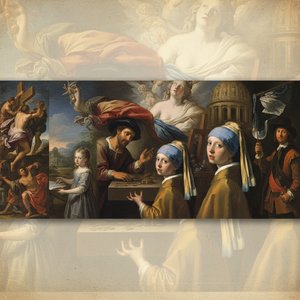
Parnassus or Apollo and the Muses
 Oil On Canvas
- WallArt
- Baroque
 1640
1640 88.0 x 221.0 cm
 Szépművészeti Múzeum
Simon Vouet's "Parnassus or Apollo & the Muses" (1640) depicts Greek gods and goddesses on Mount Parnassus, a masterpiece of French Baroque art with rich detail and harmonious composition.
 Les mer
Simon Vouet var en sentral fransk maler som introduserte italienske stilar til Frankrike og formet 1600-tallets franske kunst. Han er kjent for sine portretter og religiøse verk, samt sin rolle som hoffmaler under Ludvig XIII.
Giclée / Kunsttrykk
Giclée- eller lerretsprint av museumskvalitet med rask produksjon og fleksible valgmuligheter for etterbehandling. ( Bestill håndmalt reproduksjon Gå til digitalt bilde)




P118B Nkr10

P118H Nkr10

P118W Nkr10

P438Z Nkr10

P508JH Nkr12

P508YH Nkr12

P805H Nkr10

P805Z Nkr10

P919BZ Nkr10

P919G Nkr10

P919XJ Nkr10

P959ZH Nkr10

P968JZ Nkr12

W106C Nkr8

W218G Nkr10

W218JH Nkr8

W218Y Nkr10

W307PJ Nkr10

W316G Nkr10

W316PJ Nkr8

W316Y Nkr10

W398PJ Nkr8

W4111J Nkr10

W500HY Nkr15

W500JH Nkr15

W692G Nkr12

W849H Nkr8

W940BG Nkr15

W953PJ Nkr8




Standardformat
tilpasset
CM
INCH
Velg mellom våre forhåndsdefinerte størrelser som bevarer kunstverkets opprinnelige proporsjoner.
Loading sizes...

bredde
høyde
Skriv inn bredden og høyden du trenger, slik at den passer til din ramme eller vegg. Et trykk kan kun beskjæres, aldri gjøres større enn bildet, så et format med en annen form vil miste en del av motivet. Vi sender deg en digital mockup for godkjenning før vi trykker noe som helst. Bildet som vises på denne siden viser ikke den faktiske beskjæringen — det er kun mockuppen som gjør det.
Verdensomspennende levering () på 2 uker i stedet for standard 4/5 uker. (26 October)

Gratis ekspressfrakt over hele verden

Lerretsduk av høykvalitets lin

Full transportforsikring

Garanti for refusjon av toll og importavgifter

Garantert fargeekthet

100 dagers returrett ved fabrikasjonsfeil

100% pengene tilbake-garanti

Mengderabatt
 Glassalternativet er kun tilgjengelig i størrelser under 110 cm

Parnassus or Apollo and the Muses
Giclée / Kunsttrykk
Format på reproduksjon
-


Totalpris
Nkr 657
A Celestial Gathering: Simon Vouet’s “Parnassus or Apollo and the Muses”
Simon Vouet's "Parnassus or Apollo and the Muses," painted around 1640, isn’t merely a depiction of Greek mythology; it’s an immersive experience—a carefully constructed tableau of intellectual pursuit, divine inspiration, and harmonious beauty. The painting, now housed in collections worldwide, captures a pivotal moment on Mount Parnassus, the legendary home of the Muses – goddesses who preside over arts and sciences. Vouet, a key figure in transitioning French art from Mannerism to the Baroque, masterfully blends Italian influences with his own distinctly French sensibility, creating an image that resonates with both classical grandeur and intimate human connection. The sheer scale of the work—measuring 88 x 221 cm—draws the viewer into this vibrant scene, inviting them to become a silent participant in the gathering.A Baroque Symphony of Light and Color
Vouet’s technique is characterized by a remarkable realism combined with an idealized elegance – hallmarks of the Baroque style. He employs *sfumato*, a subtle blurring of lines and colors, to create a sense of atmospheric depth and volume, particularly evident in the drapery and the figures themselves. The palette is rich and luminous, dominated by warm earth tones—ochres, siennas, and reds—contrasted with cooler blues and greens that suggest the ethereal quality of Mount Parnassus. Light plays a crucial role; it’s not merely illuminating the scene but actively shaping it, emanating from unseen sources to bathe the figures in a golden glow. This masterful use of light creates an almost theatrical effect, as if we are witnessing a sacred performance. The composition is carefully balanced, with Apollo, the central figure, positioned at the heart of the gathering, radiating authority and artistic inspiration.The Muses and Their Domains
At the center of this intellectual haven stands Apollo Musagetes, the leader of the Muses, engaged in playing a lyre. Each Muse is depicted with distinct attributes reflecting her specific domain: Calliope, the muse of epic poetry, holds a scroll; Terpsichore, the muse of dance, carries a flute; and Clio, the muse of history, clutches a laurel wreath. The arrangement isn’t random; it represents the interconnectedness of all artistic disciplines. The figures are not simply posed but engaged in conversation and activity—a lively exchange of ideas and creative sparks. Notice the details: the instruments, the books, the gestures – each element contributes to the painting's narrative richness. The inclusion of musical instruments underscores the importance of music as a source of inspiration for all the arts.Symbolism and the Pursuit of Knowledge
“Parnassus or Apollo and the Muses” is laden with symbolism, reflecting the Renaissance fascination with classical learning and the pursuit of knowledge. Mount Parnassus itself represents the highest point of intellectual achievement—a place where inspiration flows freely. The gathering embodies the ideal of *studia humanitatis* – the study of humanities – a cornerstone of Renaissance education. Apollo’s role as the patron of the arts reinforces this theme, suggesting that artistic creation is divinely inspired and fundamentally linked to reason and intellect. The painting isn't just about beautiful imagery; it’s a meditation on the nature of creativity, the importance of learning, and the enduring power of human imagination.A Timeless Masterpiece for Reflection and Inspiration
Vouet’s “Parnassus or Apollo and the Muses” remains a profoundly moving work of art. Its harmonious composition, luminous colors, and rich symbolism continue to captivate viewers centuries after its creation. Whether admired as a historical document, a technical masterpiece, or simply a beautiful image, it serves as a potent reminder of the enduring value of knowledge, creativity, and the pursuit of beauty in all its forms. Reproductions of this painting offer an opportunity to bring this celestial gathering into any space, fostering contemplation and inspiring a deeper appreciation for the arts.Spørsmål og svar
Hvor sterk er kontrasten i "Parnassus or Apollo and the Muses" av Simon Vouet?
Kontrastnivået i "Parnassus or Apollo and the Muses" av Simon Vouet er Bold.
Hva er formatet og størrelsen på "Parnassus or Apollo and the Muses"?
"Parnassus or Apollo and the Muses" av Simon Vouet er en Panoramic komposisjon som måler 88 x 221 cm i originalformat.
Fra hvilket land kommer Baroque-verket "Parnassus or Apollo and the Muses"?
Det Baroque-pregede verket "Parnassus or Apollo and the Muses" ble skapt av en kunstner født i Frankrike.
Kunstnerbiografi
Simon Vouet: En Bro mellom Italia og Frankrikes Barokk
Simon Vouet, født i Paris i 1590, er en kunstner hvis navn kanskje ikke umiddelbart ringer noen bjeller utenfor kunsthistorikerkretser, men hans innflytelse på utviklingen av fransk maleri er udiskutabel. Han representerer et viktig skifte – overgangen fra manierismen til den mer dynamiske og teatralske barokken. Vouet var ikke bare en dyktig håndverker; han var en kulturell formidler, en brobygger mellom italienske kunstneriske tradisjoner og det franske hoffets økende interesse for nye stiler. Hans tidlige liv ble preget av et kunstnerisk hjemmemiljø – faren Laurent var maler, og også broren Aubin fulgte i farens fotspor. Denne familiære tilhørighet ga ham en solid base å bygge på, men det var hans reiser og studier som virkelig formet ham.
Reise gjennom Europa: Fra England til Det Osmanske Rike og Roma
Vouets unge år var preget av en rastløshet og et ønske om å lære. Allerede som 14-åring ble han sendt til England for å male et portrett, noe som vitner om hans tidlige talent og rykte. En fascinerende episode i hans liv var reisen gjennom Det Osmanske Rike i 1611–12, som en del av Baron de Sancys følge. Denne eksotiske opplevelsen ga ham et unikt perspektiv og utvidet horisonten hans. Men det var tiden han tilbrakte i Italia, spesielt i Roma fra 1614 til 1627, som definerte hans kunstneriske utvikling. Roma på denne tiden var et smeltedigel av kunstnerisk innovasjon, og Vouet kastet seg ut i den pulserende scenen med entusiasme.
I Roma studerte han nøye de store mesterne – Caravaggios dramatiske bruk av lys og skygge, Veroneses elegante fargepaletter og di sotto in su-teknikken (den nedefra-og-opp perspektivet), samt Carraccis klassiske tilnærming. Han absorberte også elementer fra Guercino, Lanfranco og Guido Reni, og syntetiserte disse ulike stilene til en unik visjon som var både italiensk i sin inspirasjon og samtidig tydelig hans egen. Hans valg til president for Accademia di San Luca i 1624 var et bevis på hans anerkjennelse og dyktighet i den italienske kunstverdenen.
Tilbake til Frankrike: Barokkens Ambassadør
I 1627 ble Vouet tilbakekalt til Paris av kong Ludvig XIII, som utnevnte ham til Premier peintre du Roi – en posisjon som ga ham enorm innflytelse og muligheter. Dette markerte et vendepunkt i hans karriere og i fransk kunsthistorie. Han ble oppgaven å introdusere den italienske barokken for det franske hoffet, og han tok denne utfordringen på alvor. Hans stil var preget av en elegant balanse mellom dramatikk og klassisk ro – ikke like voldsom som Caravaggios mørke intensitet, men heller en mer raffinert og tilgjengelig form for barokk.
Vouet etablerte en stor og aktiv atelier, hvor han veiledet en rekke talentfulle elever, blant annet Charles Le Brun, Valentin de Boulogne, Pierre Mignard og Eustache Le Sueur. Disse elevene spredte hans stil og teknikker over hele Frankrike, og bidro til å skape en distinkt fransk barokkskole. Han mottok mange prestisjetunge oppdrag, inkludert dekorative prosjekter for kongelige palasser og private herskapshus. Hans evne til å kombinere religiøse temaer med allegoriske motiver, og hans dyktighet i portrettmaleri, gjorde ham svært etterspurt.
Et Varig Arv
Simon Vouets betydning ligger ikke bare i hans egne verk, men også i den varige innflytelsen han hadde på fransk malerkunst. Han var en nøkkelfigur i overgangen fra manierismen til barokken, og han bidro til å forme den visuelle identiteten til det franske hoffet og aristokratiet. Hans evne til å absorbere og transformere italienske stiler, kombinert med hans talent for å skape et harmonisk og elegant uttrykk, sikret ham en sentral plass i kunsthistorien. Selv om han kanskje ikke er like kjent som noen av sine samtidige, er Simon Vouet en viktig figur å huske når man utforsker utviklingen av europeisk maleri på 1600-tallet – en bro mellom to kulturer og to kunstneriske epoker.

Simon Vouet
1590 - 1649 , Frankrike
Kort om kunstneren
- Artistic Movement Or Style: Barokkmaleri
- Artists Or Movements Influenced By This Artist:
- Charles Le Brun
- Valentin de Boulogne
- Fransk barokkmaleri
- Artists Who Influenced This Artist:
- Caravaggio
- Paolo Veronese
- Carracci
- Guercino
- Lanfranco
- Guido Reni
- Date Of Birth: 9. januar 1590
- Date Of Death: 30. juni 1649
- Full Name: Simon Vouet
- Nationality: Fransk
- Notable Artworks:
- Rikdommer
- Tidens seier
- St. Bruno
- Cupid og Psyke
- Place Of Birth: Paris, Frankrike
Relaterte artikler
Barokkens Mesterverk: Topp 10 Kunstverk som Definerte en Epoke | TopImpressionists.no
Opplev barokkens prakt! Utforsk Rembrandts, Caravaggios og Rubenses mest ikoniske verk. Lær om historien bak disse mesterverkene og finn inspirasjon til din interiørdekor på TopImpressionists.com. Museums kvalitet kunsttrykk.

Charles Le Brun: Master of French Baroque Classicism & His Enduring Legacy
Explore the life & art of Charles Le Brun, master of French Baroque Classicism. Discover his royal commissions, influence on Versailles, and enduring legacy through detailed analysis & stunning artworks.

Barokkens drama: Å bringe prakt og følelser inn i moderne interiører
Oppdag barokkens praktfulle drama! Lær om stilens historie, kjennetegn og hvordan du kan integrere den i ditt hjem med s eksklusive kunstutvalg.

Simon Vouet: A Baroque Master's Journey from Italian Influence to French Classicism
Explore the life & art of Simon Vouet, a pivotal French Baroque painter who introduced Italian styles to France. Discover his masterpieces and lasting influence on 17th-century art.

The Dramatic Flourish: Exploring the Baroque Movement's Enduring Legacy in Art History
Explore the dramatic world of Baroque art! Discover iconic artists like Caravaggio & Rubens, defining techniques, and its lasting impact on art history. Expert insights for collectors & enthusiasts at TopImpressionists.
Utforsk kunstverk organisert etter temaer, stiler og kjennetegn.


