

 Forhåndsvisning
 Send
Send Del
Del
 Vis detaljer
 Utskriftsvennlig guide

 Last ned bilde
 Liknende objekter
 Røntgenundersøkelse
 Lysbildefremvisning
 Spørsmål og svar
 Statistikk
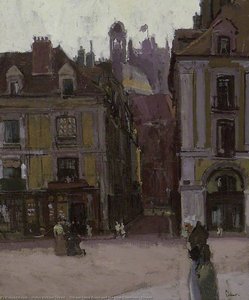
The Bar Parlour

- 104.0 x 158.0 cm


Explore 'The Bar Parlour' by Walter Richard Sickert – an evocative Impressionist painting capturing London nightlife and featuring three figures in a dimly lit bar setting.
 Vis hele teksten
Oppdag Walter Sickert (1860-1942), en britisk maler inspirert av Whistler & Degas. Kjent for stemningsfulle London-scener, musikkteater og interiører – sentral i tidlig moderne kunst.
Giclée / Kunsttrykk
Giclée- eller lerretsprint av museumskvalitet med rask produksjon og fleksible valgmuligheter for etterbehandling. ( Kjøp håndmalt maleri Bytt til digitalt bilde)




P118B Nkr10

P118H Nkr10

P118W Nkr10

P438Z Nkr10

P508JH Nkr12

P508YH Nkr12

P805H Nkr10

P805Z Nkr10

P919BZ Nkr10

P919G Nkr10

P919XJ Nkr10

P959ZH Nkr10

P968JZ Nkr12

W106C Nkr8

W218G Nkr10

W218JH Nkr8

W218Y Nkr10

W307PJ Nkr10

W316G Nkr10

W316PJ Nkr8

W316Y Nkr10

W398PJ Nkr8

W4111J Nkr10

W500HY Nkr15

W500JH Nkr15

W692G Nkr12

W849H Nkr8

W940BG Nkr15

W953PJ Nkr8




Standardformat
skreddersydd
CM
INCH
Velg mellom våre forhåndsdefinerte størrelser som bevarer kunstverkets opprinnelige proporsjoner.
Loading sizes...

bredde
høyde
Skriv inn ønsket bredde og høyde for å tilpasse trykket til din ramme eller vegg. Et trykk kan kun beskjæres, aldri skaleres opp utover motivets opprinnelige størrelse, noe som betyr at et format med andre proporsjoner vil føre til tap av deler av bildet. Vi sender deg en digital mockup for godkjenning før vi starter trykkeprosessen. Bildet som vises på denne siden viser ikke den faktiske beskjæringen — det er kun mockuppen som viser dette.
Verdensomspennende levering () på 2 uker i stedet for standard 4/5 uker. (5 November)

Gratis ekspressfrakt over hele verden

Lerretsduk av lin av høy kvalitet

Full transportforsikring

Garanti for refusjon av toll og importavgifter

Garantert fargegjengivelse

100 dagers returrett ved fabrikasjonsfeil

100% pengene tilbake-garanti

Rabatt ved flere kjøp
 Glassalternativet er kun tilgjengelig i størrelser under 110 cm

The Bar Parlour
Giclée / Kunsttrykk
Størrelse på reproduksjon
-


Totalpris for valgte alternativer
Nkr 670
A Glimpse into London's Twilight: The Soul of Sickert's Bar Parlour
In the quiet, amber-hued corners of early twentieth-century London, Walter Richard Sickert found his most profound muses. The Bar Parlorp, painted in 1922, serves as a masterful window into a world that exists in the soft periphery of the bustling metropolis. This evocative piece captures a fleeting moment of repose within a dimly lit establishment, where the boundaries between public life and private intimacy begin to blur. Through his distinctive lens, Sickert does not merely document a scene; he invites the viewer to sit at the table, to feel the weight of the afternoon shadows, and to become a silent participant in this intimate tableau of everyday existence.
The composition is anchored by three figures who inhabit the space with a natural, unforced grace. Two women are seated at a table, their presence suggesting a shared confidence or perhaps a momentary respite from the world outside, while a man leans against the counter behind them, his posture embodying the weary yet watchful character of the urban dweller. There is a profound sense of theatricality in this arrangement—a nod to Sickert’s own early ambitions on the London stage. Every element, from the scattered bottles on the counter to the humble loaf of bread resting on the table, contributes to a narrative of domesticity found within the public sphere, creating a scene that feels both deeply personal and universally recognizable.
The Mastery of Impressionistic Light and Texture
Technically, The Bar Parlour is a triumph of late Impressionist sensibility. Sickert eschews the sharp, clinical lines of realism in favor of loose, expressive brushstrokes that prioritize atmosphere over anatomical precision. This technique allows the light to perform its own magic; rather than being a harsh, direct force, the illumination is soft and diffused, as if filtering through a haze of tobacco smoke and dust motes. The color palette is a sophisticated study in earth tones—deep ochres, warm umbers, and muted shadows—which coalesce to create an inviting, nostalgic warmth that wraps around the viewer like a heavy velvet curtain.
For the discerning collector or interior designer, this painting offers more than mere decoration; it provides a focal point of profound emotional depth. The texture of the paint itself adds a tactile dimension to the work, suggesting the weathered surfaces of the bar and the soft fabrics of the figures' attire. When rendered as a high-quality reproduction, the interplay of light and shadow retains its ability to transform a room, lending an air of sophisticated melancholy and timeless elegance to any curated space. It is a piece that does not demand attention through loudness, but rather commands it through a quiet, irresistible magnetism.
A Legacy of Shadows and Human Connection
To understand the emotional resonance of this work, one must consider Sickert’s unique position as an artist caught between German heritage and British urbanity. His fascination with the "marginalized" and the "unseen" is palpable here. There is no grand historical drama unfolding in The Bar Parlour; instead, the drama lies in the subtle psychological tension between the characters and the heavy, comforting stillness of their environment. It is a celebration of the mundane, elevated to the level of high art through sheer observational genius.
Owning or displaying a reproduction of this masterpiece allows one to bring a piece of London's historical soul into the modern home. It serves as a reminder of the beauty found in the quiet intervals of life—the moments of stillness amidst the chaos of progress. For those seeking to infuse their interiors with a sense of history, warmth, and intellectual depth, Sickert’s vision offers an unparalleled source of inspiration, bridging the gap between the fleeting present and the enduring past.
Spørsmål og svar
Kan "The Bar Parlour" av Walter Richard Sickert, som er en del av samlingen til Fitzwilliam College, reproduseres lovlig?
"The Bar Parlour" av Walter Richard Sickert, som er en del av samlingen til Fitzwilliam College, er fritt tilgjengelig – opphavsretten har utløpt. Denne statusen avgjør om det er tillatt å lage reproduksjoner av bildet.
Hva forestiller "The Bar Parlour" av Walter Richard Sickert, og hvilken stemning formidler det?
"The Bar Parlour" av Walter Richard Sickert skildrer london life, bar parlour scene, interior painting, early 20th century, figure composition, earth tones palette, domestic setting i en Elegant stemning. Motiv og atmosfære beskriver verket sammen.
Er "The Bar Parlour" av Walter Richard Sickert i det frie domene?
Opphavsrettslig status for "The Bar Parlour" av Walter Richard Sickert: verket er fritt tilgjengelig – opphavsretten har utløpt. Dette avgjør om det er tillatt å lage frie reproduksjoner av bildet.
Lignende kunstverk




Om kunstneren
Walter Richard Sickert: En Maler av Skygger og Lys
Walter Richard Sickert, født i München i 1860, var en kunstner som alltid befant seg i utkanten – tysk ved fødselen, britisk ved valg, og en maler som konstant svingte mellom tradisjonell kunst og den spirende modernismen. Hans tidlige liv var preget av bevegelse; familiens flytting til England i 1868, drevet av politiske omveltninger i Europa, la et fundament for en følelse av utstøtthet som kanskje bidro til hans hele livet lange fascinasjon for de marginaliserte og de utenforstående. Selv om han kom fra en kunstnerisk slekt – faren, Oswald Sickert, var en dansk maler – hadde den unge Walter opprinnelig ambisjoner om å bli skuespiller, og spilte i flere mindre roller i årene 1879-81. Denne tidlige erfaringen med scenekunst, med illusjonens kunst og karakterutvikling, ville dypt påvirke hans kunstneriske visjon, og gi hans malerier en teateraktighet og psykologisk dybde som skilte ham fra sine samtidige. Likevel viste seg fristelsen av visuell uttrykk å være sterkere, og han meldte seg inn ved Slade School i 1881 og ble deretter en dedikert elev av James Abbott McNeill Whistler. Denne veiledningen var avgjørende, og la grunnlaget for Sickerts preferanse for tonalstudier malt *alla prima*, direkte fra naturen, og en raffinert estetisk sans som underbygde hans tidlige verk. Whistlers innflytelse var ikke bare teknisk; han fremmet en verdsettelse av kunstnerisk uavhengighet og en villighet til å utfordre konvensjonelle normer.London's Underbelly og Alluren av Moderne Liv
Sickerts kunstneriske kompass sirklet raskt mot de pulserende, ofte skitne realitetene i London-livet. Han ble fascinert av atmosfæren til byens musikksaler – steder fylt med energi, spektakel og et mangfoldig samfunn. Hans malerier fra denne perioden, som Katie Lawrence at Gatti's, er bemerkelsesverdige for sin uanstrengte fremstilling av disse miljøene og deres innbyggere. Disse var ikke bare representasjoner; de var utforskninger av moderne urbant eksistens, og fanget øyeblikkene og følelsene som opplevdes i disse veggene. Han søkte å male livet slik det ble levd, ikke slik det ble idealisert – en radikal avvik fra viktorianske kunstneriske konvensjoner. Denne forpliktelsen til realisme utløste kontrovers. Kritikere mente at hans motiver var "ulempefulle" og "skumle", og utfordret sansene som foretrakk idealiserte representasjoner. Sickerts vilje til å male vanlige mennesker, spesielt kvinnelige artister, med ærlighet og uten romantisering, var en provoserende handling – et forvarsel om skiftet mot sosial realisme i 20. århundrets kunst. Hans tid i Dieppe, Frankrike, fra 1898 avtok også betydelig, og ga nye perspektiver på lys, farge og komposisjon, mens hans etterfølgende besøk i Venezia ytterligere raffinerte hans tilnærming til å male innvendige rom og komplekse arrangementer av figurer. Han malte ikke bare det han så; han tolket det gjennom et distinkt personlig filter, og la en følelse av mystikk og psykologisk spenning i selv de mest banale scenene.En Katalysator for Endring: Camden Town Group og Ut over
Da det 20. århundre brøt frem, ble Sickert en sentral figur i den spirende britiske avantgarde-bevegelsen. Han meldte seg inn i New English Art Club i 1888, og allierte seg med kunstnere som omfavnet franske impresjonistiske prinsipper. Senere spilte han en nøkkelrolle i å etablere Camden Town Group i 1911 – en gruppe kunstnere dedikert til å fremstille moderne liv med urokkelig ærlighet og stilmessig innovasjon. Sickerts innflytelse på denne gruppen var betydelig, og oppmuntret dem til å bryte med tradisjonelle akademiske begrensninger og utforske nye former for uttrykk. Han fremmet en unromantisk visjon av det urbane landskapet, og fokuserte på hverdags scener og vanlige mennesker. Hans malerier i denne perioden inkluderte ofte urovekkende emner, som hans Camden Town Murder-serie, som gjenspeilte en økende fascinasjon for kriminalitet og psykologisk spenning. Denne viljen til å konfrontere vanskelige temaer sikret ham et rykte som en provoserende og utfordrende kunstner. Han var ikke bare interessert i å male det overfladiske; han ville grave dypt inn i de mørkere hjørnene av den menneskelige psyke, og utforske temaer som ensomhet, angst og moralsk tvetydighet.Arv og Betydningsfulle Mysterier
Walter Richard Sickerts arv strekker seg langt utover hans produktive produksjon. Han var en katalysator for endring i britisk kunst, og banet vei for etterfølgende generasjoner av kunstnere til å omfavne modernismen og utforske nye veier for uttrykk. Hans innflytelse kan sees i arbeidet til mange kunstnere som fulgte ham, spesielt de knyttet til Camden Town Group og andre avantgarde-bevegelser. Sickerts pionerånd, hans forpliktelse til realisme og hans vilje til å utfordre samfunnsnormene resonerer fortsatt med kunstnere i dag. Hans malerier er kraftige vitnesbyrd om en forandrende verden, og gir glimt inn i livet og opplevelsene til de som ofte ble oversett av tradisjonell kunsthistorie. *Han var en kunstner som turte å se utover overflaten, konfrontere de ubehagelige sannhetene om moderne liv og fange dem på lerret med urokkelig ærlighet.*Nøkkeldetaljer & Innflytelser
- Født: 31. mai 1860, München
- Død: 22. januar 1942, Bathampton
- Nøkkelinnflytelser: James Abbott McNeill Whistler, Edgar Degas
- Assosierte grupper: New English Art Club, Camden Town Group

Walter Richard Sickert
1860 - 1942 , Tyskland
Kort om kunstneren
- Artistic Movement Or Style: Post-Impressionisme
- Artists Or Movements Influenced By This Artist: ['Camden Town Group']
- Artists Who Influenced This Artist:
- Whistler
- Degas
- Date Of Birth: 31. mai 1860
- Date Of Death: 22. jan 1942
- Full Name: Walter Richard Sickert
- Nationality: Britisk
- Notable Artworks:
- Katie Lawrence
- Sinn Féiners
- L'Hotel Royal
- Place Of Birth: Munich, Tyskland
Relaterte artikler

Walter Sickert: A Shadowy Realism & the Modern British Canvas
Explore the life & work of Walter Sickert, a pivotal British painter bridging Impressionism to Modernism. Discover his evocative scenes of London life, controversial legacy, and lasting influence on 20th-century art.

Impressionismens Mesterverk: Topp 10 Kunstverk for Ditt Hjem
Oppdag impressionismens magi! Utforsk 10 ikoniske kunstverk av Monet, Renoir & Degas. Lær om historien bak maleriene og finn inspirasjon til din egen veggkunst på TopImpressionists.com – museumskvalitet for hjemmet ditt.

Richard Hayley Lever: A Study in British Impressionism & Coastal Light
Explore the captivating world of Richard Hayley Lever (1876-1958), a master of Impressionism renowned for his vibrant coastal scenes. Discover his life, style & legacy with TopImpressionists.

Utover Lys og Farge: Impresjonisme vs. Postimpresjonisme for den kresne samleren
Dykk ned i impresjonismens og postimpresjonismens verden med vår ekspertguide. Lær å identifisere, vurdere og investere i mesterverk fra Monet, Van Gogh og Cézanne. For den kresne kunstsamleren.

National Gallery Londons 25 Mesterverk: Kunsthistorie for Ditt Hjem | TopImpressionists.no
Oppdag National Gallery Londons 25 mest ikoniske kunstverk! Lær historien bak mesterverk fra Van Gogh, Monet & Rembrandt. Finn inspirasjon til interiøret og kjøp museumskvalitets reproduksjoner på TopImpressionists.com – din kilde for klassisk kunst.