

Przedstawiony: · Wraz z ramą:
 Podgląd w skali 1:1

 Wyślij jako kartkę
 Udostępnij
 Szczegóły dzieła
 Karta informacyjna


 Pobierz obraz
 Podobne obiekty
 RTG
 Pokaz slajdów
 Pytania i odpowiedzi

 Statystyki
The Elements (Albert Joseph Moore, 1866)


Płótna i wydruki artystyczne od zł200 w formacie 24 x 41 cm
Ręcznie malowana reprodukcja olejowa od zł1102
- Darmowa wysyłka na cały świat w ciągu 3–4 tygodni
- Wydruki w tubie dostarczane w ciągu 3–4 tygodni
- 100 dni na zwrot, gwarancja zwrotu pieniędzy
- Ocena 4.9/5 na podstawie 241 opinii klientów w ArtShopReviews.com
zł 310
Giclée / Wydruk artystyczny
Wydruki giclée lub płótna o jakości muzealnej, szybka realizacja i szeroki wybór opcji wykończenia. ( Obraz olejny impresjonistyczny Kup kopię cyfrową
)
Technika i materiał
 Dowiedz się więcej
Nasza opcja budżetowa: ten sam obraz wydrukowany na płótnie poliestrowym 260 g/m² zamiast bawełnianego, dostarczany w tubie przesyłką pocztową w ciągu 3 do 4 tygodni. Tylko w formie rulonu (bez krosien, bez ram) i bez ekspresowej produkcji, dla formatów, których przynajmniej jeden bok ma 80 cm lub mniej. Około 30% taniej niż wydruk na płótnie bawełnianym.
Nieosiągalne dla tego rozmiaru: przynajmniej jeden bok musi mieć 80 cm lub mniej.
Tylko w tubie: aby wybrać ten wydruk, wybierz opcję płótna zwiniętego w tubę.
Dostępne dla formatów, których oba boki mają maksymalnie 110 cm. W przypadku większych rozmiarów wydruk jest wykonywany na matowym płótnie bawełnianym.
Matowe płótno archiwalne nie jest dostępne w tym rozmiarze: każdy z boków musi mieć maksymalnie 110 cm. Twój wydruk zostanie wykonany na matowym płótnie bawełnianym.
Opcja ze szkłem jest dostępna wyłącznie w rozmiarach poniżej 110 cm
Wymiar
·Wybierz spośród naszych standardowych rozmiarów, które zachowują oryginalne proporcje dzieła sztuki.
Ładowanie rozmiarów...

szerokość
wysokość
Wpisz wymaganą szerokość i wysokość, aby dopasować grafikę do ramy lub ściany. Wydruk można jedynie przyciąć, nigdy nie powiększając go poza oryginalny obraz, dlatego format o innych proporcjach spowoduje utratę części kompozycji. Przed rozpoczęciem druku prześlemy Ci cyfrowy podgląd do zatwierdzenia. Obraz wyświetlany na tej stronie nie pokazuje rzeczywistego przycięcia — jedynie podgląd oddaje ten efekt.
Standardowy format
personalizowane
CM
CALE
Wykończenie
·
Białe krawędzie zł1

rozmyte krawędzie zł1

Przedłużony zł1

P118B zł10

P118H zł10

P118W zł10

P438Z zł10

P508JH zł12

P508YH zł12

P805H zł10

P805Z zł10

P919BZ zł10

P919G zł10

P919XJ zł10

P959ZH zł10

P968JZ zł12

W106C zł8

W218G zł10

W218JH zł8

W218Y zł10

W307PJ zł10

W316G zł10

W316PJ zł8

W316Y zł10

W398PJ zł8

W4111J zł10

W500HY zł15

W500JH zł15

W692G zł12

W849H zł8

W940BG zł15

W953PJ zł8
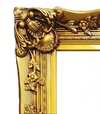
H24-GOLD zł30
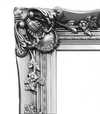
H24-SILVER zł30
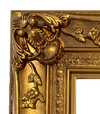
H36-GOLD zł70
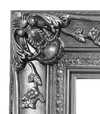
H36-SILVER zł70
Dostarczane w ochronnej tubie, gotowe do oprawienia przez Twojego ramiarza.
Dodatki
opcjonalneCo obejmują dodatki?
Dostawa na cały świat () w ciągu 2 tygodni zamiast standardowych 4/5 tygodni. (27 Grudzień)
Przy wydruku na płótnie poliestrowym typu Economy niedostępna jest opcja pilnej produkcji ani przesyłki kurierskiej, ponieważ produkt wysyłany jest pocztą zwykłą.
Lakier ochronny
Etykieta obiektu
Szczegóły grawerowanej brązowej tabliczki
Ta elegancka tabliczka zawiera imię i nazwisko artysty oraz tytuł dzieła, precyzyjnie wygrawerowane dla ponadczasowej prezentacji.
Wykonana z brązu o wyrafinowanym, eleganckim wykończeniu. Tekst jest precyzyjnie grawerowany laserowo, co zapewnia wyraźny i trwały efekt. Tabliczka o wymiarach 9x2 cm jest kompaktowa, a jednocześnie czytelna. Została zaprojektowana tak, aby była trwała i odporna na zarysowania, zapewniając profesjonalny wygląd o jakości muzealnej. Montaż jest prosty dzięki dołączonej taśmie mocującej.
Szczegóły przezroczystej tabliczki akrylowej
Tabliczka zawiera niezbędne grawerowane informacje, takie jak nazwisko artysty, tytuł dzieła, data powstania, rodzaj użytych materiałów – np. olej na płótnie lub akwarela – krótki opis pracy oraz kod QR prowadzący do pełnych informacji o dziele.
Wykonana z przezroczystego akrylu, zapewnia gładkie, nowoczesne wykończenie. Tekst jest grawerowany metodą UV w kolorze czarnym, co zapewnia wyraźny kontrast. Dzięki wymiarom 10x15 cm tabliczka zapewnia optymalną czytelność. Jest wyposażona w dwa metalowe uchwyty, które umożliwiają bezpieczny montaż na ścianie. Tabliczka jest odporna na warunki atmosferyczne, dzięki czemu nadaje się do ekspozycji w różnych miejscach, a także posiada funkcje interaktywne, które współpracują z telefonami komórkowymi po zeskanowaniu.
Szczegóły czarnej tabliczki akrylowej
Ta elegancka tabliczka zawiera wygrawerowane informacje, takie jak nazwisko artysty, tytuł dzieła, data powstania, technika wykonania (np. olej na płótnie lub akwarela), krótki opis utworu oraz kod QR umożliwiający szybki dostęp do dodatkowych informacji.
Tabliczka wykonana jest z wysokiej jakości czarnego akrylu o eleganckim wykończeniu. Tekst jest grawerowany laserowo na biało, co zapewnia wysoki kontrast i doskonałą czytelność. Tabliczka o wymiarach 10x15 cm została zaprojektowana tak, aby była łatwa do odczytania. W zestawie znajdują się dwa metalowe uchwyty umożliwiające profesjonalny montaż. Nowoczesny design sprawia, że tabliczka pasuje do każdego stylu wnętrza. Jest ona również odporna na warunki atmosferyczne i trwała, a dzięki wbudowanej integracji cyfrowej zapewnia kompatybilność z urządzeniami mobilnymi.
Opcja ze szkłem jest dostępna wyłącznie w rozmiarach poniżej 110 cm
 Opcja ze szkłem jest dostępna wyłącznie w rozmiarach poniżej 110 cm
- Darmowa wysyłka na cały świat w ciągu 3–4 tygodni
- Wysokiej jakości płótno lniane
- Pełne ubezpieczenie przesyłki
- Gwarancja zwrotu należności celnych i podatków importowych
- Gwarancja wiernego odwzorowania kolorów
- 100 dni na zwrot, gwarancja zwrotu pieniędzy
- Gwarancja 100% zwrotu pieniędzy
- Zniżka przy zakupie wielu sztuk


The Elements: Albert Joseph Moore i epoka Aestheticism
Four figures in flowing robes gather around a smoking cauldron in this serene, neo-classical scene rendered in rich earthy tones.
Albert Joseph Moore: biografia
Albert Joseph Moore (1841-1893) – angielski malarz estetyczny znany z wyrafinowanych obrazów kobiet w stylu klasycystycznym i dekoracyjnych kompozycji. Podziwiaj jego arcydzieła, takie jak "Króliki" i "Ofiarowanie Eliaszowi".
O dziele sztuki
The Elements by Albert Joseph Moore
In this 1866 work, The Elements by Albert Joseph Moore unfolds as a quiet, ritualistic gathering. Four figures sit in a balanced square around a central cauldron, their presence steady and calm. Wisps of smoke rise from the vessel, drifting into a background that feels like aged, textured plaster. The scene carries a sense of mystery, as if we are witnessing a private moment of alchemy or ancient ceremony. The figures are draped in flowing robes, their graceful poses suggesting a deep, contemplative stillness.
Albert Joseph Moore, born in York, United Kingdom, on September 4, 1841, brings a distinct sense of harmony to this composition. The figures appear almost flat against their backdrop, emphasizing a decorative quality that prioritizes pattern and form. Earthy tones of ochre, beige, and terracotta dominate the space, while small accents of blue and gold catch the eye. This palette creates a muted, serene atmosphere that wraps around the central subject.
The lighting remains soft and diffused, casting no harsh shadows across the scene. Instead, a gentle glow illuminates the smooth skin of the figures and the curvilinear lines of their drapery. There is a profound sense of unity in the way the characters are arranged, creating a world that feels both structured and organic. This work reflects the artist's ability to capture a sense of tranquil, symbolic existence through carefully rendered forms.
Composition and Visual Elements
Four figures sit in a steady square formation, encircling a central cauldron that anchors the entire scene. This arrangement creates a sense of profound balance and symmetry, drawing the eye inward toward the heart of the gathering. The figures are draped in flowing robes that ripple with soft, curvilinear lines, their graceful poses lending a sense of quietude to the ritual. Each face remains serene and contemplative, lost in a moment of stillness as wisps of smoke rise from the vessel below. The background offers a textured surface, reminiscent of aged plaster, which keeps the focus firmly on the figures and their harmonious arrangement.
The color palette breathes with warmth, dominated by earthy tones of ochre, beige, and terracotta. These grounded hues provide a stable foundation for the more luminous accents of blue and gold that dance across the composition. These touches of color add a layer of richness to the muted landscape, catching the light amidst the soft, diffused glow that permeates the space. The shallow perspective keeps the figures close to the surface, emphasizing the decorative quality of the scene and the rhythmic interplay of their forms.
Style and Artistic Technique
The canvas breathes with the precision of an academic style, where every stroke of oil paint works to honor classical themes and intricate decorative patterns. There is a profound sense of order in the way the forms are rendered, as if the artist sought to capture a moment of eternal stillness. The drapery flows around the figures with a careful, deliberate touch, tracing the contours of the body through layers of pigment that suggest both weight and lightness. It is a scene where the physical world meets a stylized, rhythmic grace.
Softness governs the visual language here. Lines do not cut sharply through the space; instead, they curve and wander in a gentle, flowing motion. These curvilinear shapes dominate the composition, mirroring the organic rhythms of the human form and the swirling wisps of smoke rising from the central cauldron. The edges of the figures and the textures of the background blend with a quiet harmony, avoiding any jarring angles that might disrupt the serenity of the arrangement. The surface itself carries a tactile quality, reminiscent of aged plaster, which grounds the ethereal subject matter in a sense of antiquity.
Related Works by the Artist
The artist's hand moves through various themes, often returning to the grace of the human form. In 1863, the canvas captures the weight of Elijah's Sacrifice, a work that carries the influence of Ford Madox Brown and Edward Armitage. This piece emerges from a period where the artist begins to find a specific, neo-classical voice. Nearby in time, the year 1865 brings us to The Marble Seat, a work that begins a long series of purely decorative compositions. These early explorations set the stage for a career defined by a search for harmony in pose and color.
As the years pass, the imagery shifts and matures. Around 1866, the notes of A Musician drift through the studio, capturing a different kind of rhythm. The artist continues to refine this aesthetic, moving toward the more elaborate and painstaking compositions of later years. By 1883, the vision settles into the forms seen in Kingcups, where the focus remains on the delicate balance of the figure and the surrounding space. Each work reflects a persistent devotion to the Hellenic spirit and the subtle textures of drapery.
Pytania i odpowiedzi
Czy ta reprodukcja The Elements jest malowana ręcznie, czy jest to wydruk?
Wydruk: The Elements jest reprodukowany jako wydruk giclée na płótnie bawełnianym lub na archiwalnym papierze artystycznym marki Epson.
Jaki rozmiar wybrać dla The Elements?
Dostępne rozmiary obejmują zakres od 24.3 x 41.1 cm (zł200) do 143.8 x 243.2 cm (zł1400); tabela na tej stronie przedstawia główne warianty oraz ich ceny.
Ile trwa dostawa?
Wydruk zwinięty w tubie jest wysyłany bezpłatnie pocztą zwykłą i dociera w ciągu 3–4 tygodni; wydruk na płótnie lub w ramie wymaga 4–5 tygodni. Dostawa kurierem ekspresowym jest dostępna wyłącznie przy wykupieniu płatnej opcji Express Delivery. Możesz dokonać zwrotu w ciągu 100 dni z pełnym zwrotem kosztów, bez żadnych dodatkowych warunków.
Jakiej techniki użył/a Albert Joseph Moore w pracy The Elements?
Oil On Canvas
Najważniejsze informacje i quiz o sztuce
O Albert Joseph Moore

Albert Joseph Moore
1841 - 1893, Wielka Brytania
O Albert Joseph Moore: życie, twórczość i biografia
Krótkie informacje o Albert Joseph Moore
- Artistic Movement Or Style: Estetyzm
- Artists Who Influenced This Artist:
- Ruskin
- Ford Madox Brown
- Edward Armitage
- Date Of Birth: 4 września 1841
- Date Of Death: 25 września 1893
- Full Name: Albert Joseph Moore
- Nationality: Brytyjczyk
- Notable Artworks:
- The Marble Seat
- Elijah's Sacrifice
- The Loves of The Seasons
- Place Of Birth: York, Wielka Brytania

Albert Joseph Moore
The Elements
() ·
Wraz z ramą: ·
Suma całkowita