


 Podgląd w skali 1:1
 Wyślij jako kartkę
 Udostępnij
 Szczegóły dzieła
 Przewodnik

 Pobierz obraz
 Podobne obiekty
 RTG
RTG Pokaz slajdów
 Q&A
Q&A Statystyki
The Coffeepot
 Oil On Canvas
- WallArt
- Fauvism
 1902
1902- Modern
 55.0 x 46.0 cm
Experience the vibrant Fauvist energy of Albert Marquet's 1902 masterpiece The Coffeepot, a stunning display of bold colors and expressive brushwork that invites you to bring this piece of art history into your home.
 Rozwiń treść
"meta_description": "Albert Marquet (1875-1947) – francuski malarz znany z subtelnych kolorów i pejzaży z perspektywy okna. Jego prace charakteryzują się atmosferą, światłem i wpływem Fauwizmu oraz Japonii, pozostawiając trwały ślad w sztuce nowoczesnej."
Giclée / Wydruk artystyczny
Wydruki giclée lub płótna o jakości muzealnej, szybka realizacja i szeroki wybór opcji wykończenia. ( Zamów ręcznie malowaną reprodukcję Przejdź do wersji cyfrowej)




P118B zł10

P118H zł10

P118W zł10

P438Z zł10

P508JH zł12

P508YH zł12

P805H zł10

P805Z zł10

P919BZ zł10

P919G zł10

P919XJ zł10

P959ZH zł10

P968JZ zł12

W106C zł8

W218G zł10

W218JH zł8

W218Y zł10

W307PJ zł10

W316G zł10

W316PJ zł8

W316Y zł10

W398PJ zł8

W4111J zł10

W500HY zł15

W500JH zł15

W692G zł12

W849H zł8

W940BG zł15

W953PJ zł8




Standardowy format
personalizowane
CM
INCH
Wybierz spośród naszych standardowych rozmiarów, które zachowują oryginalne proporcje dzieła sztuki.
Loading sizes...

szerokość
wysokość
Wpisz wymaganą szerokość i wysokość, aby dopasować grafikę do ramy lub ściany. Wydruk można jedynie przyciąć, nigdy nie powiększając go poza oryginalny obraz, dlatego format o innych proporcjach spowoduje utratę części kompozycji. Przed rozpoczęciem druku prześlemy Ci cyfrowy podgląd do zatwierdzenia. Obraz wyświetlany na tej stronie nie pokazuje rzeczywistego przycięcia — jedynie podgląd oddaje ten efekt.
Dostawa na cały świat () w ciągu 2 tygodni zamiast standardowych 4/5 tygodni. (31 Październik)

Bezpłatna ekspresowa wysyłka na cały świat

Wysokiej jakości płótno lniane

Pełne ubezpieczenie przesyłki

Gwarancja zwrotu należności celnych i podatków importowych

Gwarancja wiernego odwzorowania kolorów

100-dniowa polityka zwrotów (tylko w przypadku wad)

Gwarancja 100% zwrotu pieniędzy

Zniżka przy zakupie wielu sztuk
 Opcja ze szkłem jest dostępna wyłącznie w rozmiarach poniżej 110 cm

The Coffeepot
Giclée / Wydruk artystyczny
Wymiary reprodukcji
-


Cena całkowita
zł 268
A Symphony of Fauvist Light: Exploring The Coffeepot
In the dawn of the twentieth century, a revolution of color swept through the Parisian art scene, forever altering the trajectory of modern painting. At the heart of this movement, known as Fauvism, stood Albert Marquet, an artist capable of capturing the profound beauty within the mundane. His 1902 masterpiece, The Coffeepot, serves as a breathtaking window into this era of experimentation. The painting presents a deceptively simple subject—a metallic coffeepot resting beside a cup on a table, accompanied by the subtle presence of a vase—yet it vibrates with an internal energy that transcends its domestic setting. Through his masterful use of light and form, Marquet invites the viewer into a quiet, intimate moment, transformed by the sheer power of color.
The technique employed in The Coffeepot is a testament to Marquet’s ability to balance the raw, expressive impulses of Fauvism with a refined sense of composition. The artist utilizes a bold and warm palette, where golden hues dance across the surfaces of the metalware, creating a sense of warmth and tactile reality. His brushwork is both confident and spontaneous, leaving visible traces of movement that lend the canvas a rhythmic vitality. This energetic application of oil on canvas prevents the still-life from feeling static; instead, the objects seem to breathe within their environment. The interplay between the earthy tones and the luminous highlights creates a depth that draws the eye inward, making the simple arrangement feel monumental.
Beyond its technical brilliance, the painting carries a deep emotional resonance that makes it an enduring favorite for collectors and decorators alike. There is a sense of nostalgic tranquility found in the composition, a quietude that offers a sanctuary from the frenetic pace of modern life. For the interior designer, this piece acts as a sophisticated focal point, capable of anchoring a room with its warmth and historical gravity. It does not merely decorate a space; it imbues it with a sense of cultured serenity. To possess a reproduction of such a work is to bring a fragment of art history into one's home, celebrating the delicate balance between the everyday objects we cherish and the extraordinary light in which they can be seen.
Pytania i odpowiedzi
W jakiej technice wykonano „The Coffeepot” – Albert Marquet?
„The Coffeepot” wykonano w technice Oil On Canvas.
Jaki jest zalecany format i orientacja druku dla "The Coffeepot"?
W przypadku "The Coffeepot" zalecanym formatem wydruku jest rozmiar Small w orientacji Portrait.
Jaki jest ogólny nastrój dzieła „The Coffeepot” – Albert Marquet?
"The Coffeepot" ma Bold atmosferę.


Biografia artysty
A Life Immersed in Light and Color
Albert Marquet, a name synonymous with the serene beauty of French landscapes, was born in Bordeaux, France, on March 27, 1875. His artistic journey wasn’t one of sudden bursts of brilliance but rather a gradual unfolding—a patient exploration of light, color, and atmosphere that culminated in a uniquely personal style. From his early days experimenting with Fauvist techniques to his later mastery of naturalistic landscapes, Marquet's life was inextricably linked to the visual world around him. He moved to Paris at the tender age of fifteen, enrolling at the École des Arts Décoratifs and subsequently at the prestigious École des Beaux-Arts, where he studied under Gustave Moreau, absorbing the rich symbolism and romanticism of the Symbolist movement. This formative period laid the foundation for his artistic sensibilities, exposing him to a diverse range of influences that would shape his distinctive approach.From Fauve Ferocity to Serene Landscapes
Marquet’s rise as an artist coincided with the vibrant explosion of Fauvism in early 20th-century France. He quickly found himself immersed in this revolutionary movement, exhibiting alongside fellow artists like Henri Matisse, André Derain, and Maurice de Vlaminck at the pivotal 1905 Salon d'Automne. The critics’ derisive label “les fauves” – the wild beasts – reflected both the boldness of their color palettes and their seemingly unrestrained approach to form. While Marquet embraced the vibrant hues of Fauvism, he possessed a remarkable restraint that distinguished his work from some of his contemporaries. Unlike those who reveled in purely chromatic intensity, he maintained a keen eye for drawing and light, subtly modulating colors to create harmonious compositions—a delicate balance between exuberance and control. This inherent restraint hinted at the evolution towards a more naturalistic style that would define much of his later career. Around 1910, Marquet began distancing himself from the purely expressive fervor of Fauvism, increasingly turning his attention to landscapes as his primary subject matter. This shift wasn’t merely a stylistic change; it represented a deeper engagement with the world around him. He embarked on extensive travels throughout Europe and North Africa—from the bustling harbors of Marseilles and Le Havre to the sun-drenched coasts of Spain and Italy, and finally to the exotic landscapes of Morocco. These journeys weren't simply about documenting locations; they were profound explorations of atmosphere, light, and the subtle poetry of everyday life. He meticulously observed how light transformed a scene throughout the day, capturing fleeting moments of beauty with remarkable sensitivity. His travels profoundly influenced his artistic vision, shaping his understanding of color, composition, and the relationship between man and nature.A Master of Atmosphere and Light
Marquet’s true genius lay in his ability to capture the elusive qualities of light and atmosphere—a skill that set him apart from many of his contemporaries. His landscapes are not simply representations of places; they are evocative expressions of mood, sensation, and the transient beauty of the natural world. He masterfully rendered shimmering reflections on water, the hazy glow of sunlight filtering through mist, and the subtle nuances of color that define a particular time of day or season. These weren’t merely visual details; they were integral to his artistic vision—a way of conveying not just what he saw but also *how* it felt to be there. His paintings often evoke a sense of quiet contemplation, inviting the viewer to lose themselves in the beauty and serenity of the landscape. Marquet's technique involved abbreviated brushstrokes and a muted palette—grays, blues, ochres, and subtle greens—allowing him to convey both form and atmosphere with remarkable economy. He wasn’t interested in meticulously detailing every element of his scenes; instead, he focused on capturing the essence of the moment, using color and light to suggest rather than define. This approach was deeply influenced by his admiration for Japanese art, particularly the work of Hokusai, whose use of line and color to evoke atmosphere and emotion resonated profoundly with Marquet’s artistic sensibilities. The artist wasn't interested in merely reproducing what he saw; he sought to capture the feeling of being there.Key Characteristics of Marquet’s Style
- Fauvist Beginnings: Early works demonstrate bold color palettes characteristic of Fauvism, though with more restraint than some contemporaries.
- Emphasis on Light and Atmosphere: A defining feature of his mature work, focusing on capturing the ephemeral qualities of light and its effect on landscapes.
- Muted Palette: A preference for grays, blues, and ochres to convey atmosphere and form with economy.
- Abbreviated Brushstrokes: A technique used to suggest rather than define details, enhancing the sense of movement and light.
- Influence of Japanese Art: A noted appreciation for the calligraphic simplicity and evocative power of line found in Japanese prints.
Legacy and Enduring Influence
Albert Marquet passed away on June 14, 1947, in La Frette-sur-Seine, France, leaving behind a legacy that continues to inspire artists today. His paintings are held in prestigious museums around the world—including the Musée National d'Art Moderne in Paris, the Tate Gallery in London, and numerous private collections—attesting to his enduring significance in the history of modern art. While initially recognized as a key figure in Fauvism, Marquet’s lasting influence lies not just in his stylistic innovations but also in his profound sensitivity to light, color, and the beauty of the natural world. He demonstrated that it was possible to embrace modernity without sacrificing traditional values such as draftsmanship and composition. His work reminds us of the power of observation, the importance of capturing fleeting moments of beauty, and the enduring appeal of a serene and contemplative vision. Marquet’s art remains a testament to the artist's ability to find profound meaning in the everyday—a quiet celebration of light, color, and the wonders of the natural world.
Albert Marquet
1875 - 1947 , Francja
Krótka nota
- Artistic Movement Or Style: Fauwizm, Naturalizm
- Artists Or Movements Influenced By This Artist: ['Impressioniści']
- Artists Who Influenced This Artist:
- Gustave Moreau
- Henri Matisse
- Date Of Birth: 1875
- Date Of Death: 1947
- Full Name: Albert Marquet
- Nationality: Francuz
- Notable Artworks:
- La plage de Sainte-Adresse
- Le 14 Juillet au Havre
- Place Of Birth: Bordeaux, Francja
Powiązane artykuły
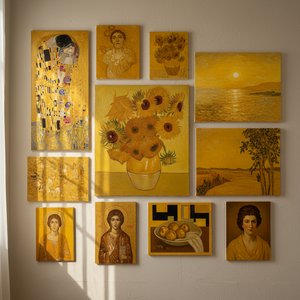
Top 10 Sławnych Obrazów w Odcieniach Ochry Żółtej – Sztuka i Dekoracja Domu
Odkryj 10 najsłynniejszych obrazów w odcieniach ochry żółtej! Van Gogh, Monet i inni mistrzowie. Poznaj historię sztuki, inspiracje kolorystyczne i techniki malarskie. Reprodukcje najwyższej jakości na TopImpressionists.com – udekoruj swój dom arcydziełami!

Martwa natura w sztuce: od starożytności do współczesności – historia, symbolika i trwały urok
Odkryj fascynującą historię martwej natury w sztuce – od antycznych początków po współczesne reinterpretacje. Poznaj mistrzów, symbolikę i techniki malarskie. Ekskluzywne artykuły na TopImpressionists.com!

Abraham Hendricksz van Beyeren: Pioneering Dutch Still Life & the Banquet Tradition
Explore the captivating world of Dutch Golden Age still life with Abraham van Beyeren. Discover his innovative techniques, symbolic banquet scenes & lasting influence on art history. Learn about collecting these masterpieces.

Złoty Wiek Holandii: 10 arcydzieł, które zmieniły historię sztuki | TopImpressionists.com
Odkryj 10 arcydzieł Złotego Wieku Holandii! Poznaj historię Rembrandta, Vermeera i innych mistrzów. Reprodukcje obrazów najwyższej jakości do Twojego wnętrza – TopImpressionists.com.

Silent Narratives: Exploring the Enduring Appeal of Still Life Painting Across Centuries
Explore the rich history of still life painting with TopImpressionists. Discover Dutch Masters, decode vanitas symbolism & learn about collecting timeless art. Expert insights and museum-quality reproductions.