

Shown: · With its frame:
 Podgląd w skali 1:1
 Wyślij jako kartkę
 Udostępnij
 Szczegóły dzieła
 Przewodnik

 Pobierz obraz
 Podobne obiekty
 RTG
RTG Pokaz slajdów
 Q&A
Q&A Statystyki
Deesis Range: The Saviour
 Oil On Canvas
- WallArt
- Russian Renaissance
 1410
1410 158.0 x 106.0 cm
 Галерея Третьякова
zł 1036
Ręcznie malowana reprodukcja olejowa
Ręcznie malowany obraz olejny na płótnie, wykonany na zamówienie przez naszych artystów w wybranym przez Ciebie wymiarze i oprawie. ( Przełącz na wydania drukowane Przejdź do wersji cyfrowej)
Size
·Standardowy format
personalizowane
CM
INCH
Wybierz spośród naszych standardowych rozmiarów, które zachowują oryginalne proporcje dzieła sztuki.
Loading sizes...

szerokość
wysokość
Wpisz wymaganą szerokość i wysokość, aby obraz pasował do Twojej ramy lub ściany. Ponieważ jest to dzieło malowane ręcznie, w przypadku rozmiaru o innych proporcjach artysta może domalować nieco więcej wokół obrazu lub przyciąć jego fragmenty — wybór należy do Ciebie. Przed rozpoczęciem pracy prześlemy Ci cyfrową wizualizację do zatwierdzenia. Obraz widoczny na tej stronie nie przedstawia rzeczywistego efektu — jedynie wizualizacja oddaje realny rezultat.
 Dowiedz się więcej
Finish
·
White zł1

Blurside zł1

Extended zł1

P118B zł10

P118H zł10

P118W zł10

P438Z zł10

P508JH zł12

P508YH zł12

P805H zł10

P805Z zł10

P919BZ zł10

P919G zł10

P919XJ zł10

P959ZH zł10

P968JZ zł12

W106C zł8

W218G zł10

W218JH zł8

W218Y zł10

W307PJ zł10

W316G zł10

W316PJ zł8

W316Y zł10

W398PJ zł8

W4111J zł10

W500HY zł15

W500JH zł15

W692G zł12

W849H zł8

W940BG zł15

W953PJ zł8

H24-GOLD zł30

H24-SILVER zł30

H36-GOLD zł45

H36-SILVER zł45
Shipped in a protective tube, ready for your own framer.
Above 105 cm the frame is shipped as a kit for a professional framer — read the details.
Extras
optionalWhat do the extras include?
Examples of what can be changed: Replace face with customer photo; Add pet (e.g., replace cat with dog); Include hidden message in background; Change background landscape or elements.
After order, TopImpressionists.com team will email client for instructions and provide a mockup preview
After order, TopImpressionists.com team will email client for instructions and provide a mockup preview
Dostawa na całym świecie () w ciągu 3–4 tygodni zamiast standardowych 5 tygodni. (29 Październik). Bez kompromisów w kwestii jakości.
Lakier ochronny
Etykieta obiektu
Szczegóły grawerowanej brązowej tabliczki
This elegant plaque features the artist's name and the title of the artwork, finely engraved for a timeless presentation.
It is made from bronze with a refined, elegant finish. The text is precisely laser-engraved for a sharp and permanent result. Measuring 9x2 cm, the plaque is compact yet easy to read. It's built to be durable and scratch-resistant, offering a professional, museum-quality look. Mounting is simple thanks to the included adhesive backing.
Szczegóły przezroczystej tabliczki akrylowej
The plaque includes essential engraved details such as the artist's name, the title of the artwork, the date it was created, the type of media used-like oil on canvas or watercolor-a brief description of the piece, and a QR code that links to the complete artwork information.
It is crafted from clear acrylic, offering a sleek, modern appearance. The text is UV-engraved in black to ensure strong visual contrast. With a size of 10x15 cm, it ensures optimal readability. It comes equipped with two metal hooks for secure wall mounting. The plaque is designed to be weather-resistant, making it suitable for various environments, and it includes interactive features that work seamlessly with smartphone scanning.
Szczegóły czarnej tabliczki akrylowej
This elegant plaque includes engraved information such as the artist's name, the title of the artwork, the date it was created, the type of media used (like oil on canvas or watercolor), a short description of the artwork, and a QR code for quick access to more information.
The plaque itself is made from refined black acrylic with a premium finish. The text is laser-engraved in white for high contrast and readability. Its size is 10x15 cm, designed to be easy to read. It comes with two metal hooks for professional mounting. The design is sleek and fits any interior style. It is also weather-resistant and durable, with built-in digital integration for mobile compatibility.
Opcja ze szkłem jest dostępna wyłącznie w rozmiarach poniżej 110 cm
 Opcja ze szkłem jest dostępna wyłącznie w rozmiarach poniżej 110 cm
- Bezpłatna ekspresowa wysyłka na cały świat
- Wysokiej jakości płótno lniane
- Pełne ubezpieczenie przesyłki
- Gwarancja zwrotu należności celnych i podatków importowych
- Gwarancja wiernego odwzorowania kolorów
- 100-dniowa polityka zwrotów (tylko w przypadku wad)
- Gwarancja 100% zwrotu pieniędzy
- Zniżka przy zakupie wielu sztuk


Opis obiektu
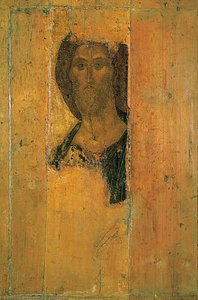
Contemplative portrait of Christ by Andrei Rublev (c. 1410), showcasing masterful Russian iconography; discover this timeless piece today.
Biografia artysty
Andriej Rublow (ok. 1360-1428): Mistrz rosyjskiej ikonografii, znany z mistycznych dzieł, takich jak „Zwiastowanie” i „Trójca Święta”. Odkryj głębię duchową oraz wpływy bizantyjskie.
About the painting
A Glimpse into Sacred Contemplation: The Aura of Rublev's Deesis
To stand before an image evocative of Andrei Rublev’s profound spiritual vision is to step across the threshold of time itself. This depiction, echoing the solemnity of a Deesis grouping, centers on a figure whose gaze seems to penetrate the veil between worlds. The subject, bearing the unmistakable gravitas associated with Christ or a deeply contemplative saint, commands attention through sheer emotional resonance. It is not merely a portrait; it is an encounter. The artist has captured that fleeting moment where introspection deepens into profound understanding, allowing the viewer to feel the weight of sacred thought emanating from the canvas.
Mastery in Pigment and Spirit: Technique and Craftsmanship
The technical brilliance evident in this work speaks volumes about Andrei Rublev’s unparalleled skill. Observe the meticulous handling of the paint; every visible brushstroke contributes to a tapestry of light and shadow that gives the figure an almost lifelike dimensionality. The contrast between the luminous quality of the face and the simplicity of the background—that striking yellow wall—is nothing short of masterful. This deliberate use of color serves not merely as decoration, but as a structural element guiding the eye directly to the emotional core: the man’s contemplative expression. For those who appreciate fine art reproduction, understanding this technique is key; it allows us to recreate the depth and subtlety that only painstaking hand-painting can achieve.
The Weight of History: Context in Russian Iconography
Dating back to 1410, this piece situates itself within a pivotal era for Russian art. Andrei Rublev was more than just a painter; he was the spiritual chronicler of his age. His work is deeply embedded in the tradition of Orthodox iconography, yet it possesses a unique psychological depth that elevates it beyond mere religious depiction into universal human experience. The style speaks to a period where Byzantine influences mingled with a burgeoning national artistic voice—a confluence that imbues the piece with both timeless sacredness and palpable human drama. Owning a reproduction allows one to bring this historical dialogue into a modern setting.
Symbolism of the Gaze: Emotional Impact for the Modern Collector
The most captivating element remains the subject’s gaze, directed slightly over the shoulder. This averted yet knowing look invites participation from the viewer. Symbolically, it speaks to themes of divine mystery, eternal watchfulness, and quiet wisdom. For collectors and interior designers alike, this piece offers more than just aesthetic beauty; it offers an atmosphere. It suggests a sanctuary within a room—a focal point that encourages pause, reflection, and a deeper appreciation for the enduring narratives of faith and humanity. The rich tones and profound subject matter ensure that this artwork will not merely hang on a wall, but rather inhabit the space with quiet dignity.
Pytania i odpowiedzi
Jak nasycone są kolory w „Deesis Range: The Saviour” – Andriej Rublow?
Kolory w „Deesis Range: The Saviour” – Andriej Rublow charakteryzują się Vivid intensywnością.
Czy "Deesis Range: The Saviour" charakteryzuje się silnym kontrastem światłocienia?
„Deesis Range: The Saviour” – Andriej Rublow prezentuje Serene kontrast między jasnymi a ciemnymi partiami dzieła.
Do czego zaleca się wykorzystanie reprodukcji „Deesis Range: The Saviour” – Andriej Rublow?
Reprodukcja dzieła „Deesis Range: The Saviour” – Andriej Rublow jest polecana do Focal. Sugestia ta wynika z tematyki, nastroju oraz kolorystyki pracy.
Quick facts and art quiz
About Andriej Rublow

Andriej Rublow
1360 - 1428, Rosja
Biografia artysty
Andriej Rubliow: Dusza Rosyjskiej Ikonografii
Andriej Rubliow (ok. 1360 – ok. 1430) pozostaje jedną z najbardziej enigmatycznych i głęboko wpływowych postaci w historii sztuki rosyjskiej. Był kimś znacznie więcej niż tylko malarzem; ucieleśnia on splot duchowej oddania, artystycznego mistrzostza i samej esencji średniowiecznej Rosji – narodu zmagającego się z własną tożsamością pośród wpływów bizantyjskich i rodzącej się świadomości narodowej. Choć szczegóły jego życia pozostają spowite tajemnicą, jego dziedzictwo jako czołowego ikonografa swojej epoki jest niezaprzeczalne, kształtując nie tylko język wizualny sztuki prawosławnej, ale także wywierając głęboki wpływ na kolejne pokolenia artystów.
Mało konkretnych informacji przetrwało do naszych czasów w odniesieniu do wczesnych lat Rubliowa. Uważa się, że urodził się w Moskwie, choć niektóre przekazy sugerują możliwe pochodzenie z klasztoru Trójcy Świętej (Trijckosko-Siergijewskiej Ławry) nieopodal miasta – miejsca, które mogło głęboko wpłynąć na jego rozwój artystyczny. Jego nauka pod okiem Teofanesa Greka, znamienitego bizantyjskiego ikonopisa, który przybył do Rosji, zapewniła mu bezcennne fundamenty w technikach i konwencjach stylistycznych epoki. Jednak Rubliow szybko wykroczył poza zwykłe naśladownictwo, nasycając te ustalone formy unikalną rosyjską wrażliwością – wyczuwalnym poczuciem pokory, duchową głębią i emocjonalnym rezonansem, który odróżnił jego dzieła od bizantyjskich poprzedników.
- Wczesna kariera na Kremlu: Wczesna twórczość Rubliowa jest nierozerwalnie związana z Moskiewskim Kremlem. W 1405 roku połączył siły z Teofanesem i Prokhoriem z Gorodźca, aby udekorować Sobór Zwiastowania, co stanowiło przełomowy moment w rosyjskim malarstwie ikon. Ta współpraca wprowadziła Rubliowa w najwyższe kręgi władzy i dostarczyła mu bezcennego doświadczenia w pracy na wielką skalę.
- Ikona Trójcy Świętej: Bez wątpienia najsławniejsze dzieło Rubliowa, ikona „Trójcy” (ok. 1420-1428), jest świadectwem jego artystycznego geniuszu. To arcydzieło, znajdujące się obecnie w Galerii Tretiakowskiej w Moskwie, subtelnie odchodzi od tradycyjnej ikonografii bizantyjskiej. Postacie Abrahama i Sary są nieobecne, zastąpione bardziej intymnym przedstawieniem Trójcy – Boga Ojca, Boga Syna i Ducha Świętego – co interpretuje się jako odzwierciedlenie własnego duchowego rozumienia boskiej jedności przez samego artystę.
- Monastyr Andronikowski: Po pracy na Kremlu, Rubliow spędził późniejszą część swojej kariery w Monastyrze Andronikowskim pod Moskwą. To właśnie tutaj kontynuował malowanie ikon i fresków, w tym serię zachwycających polichromii w Soborze Zbawiciela, prezentując swój ewoluujący styl i pogłębiającą się eksplorację duchową.
Fuzja Tradycji Bizantyjskich i Rosyjskich
Wizja artystyczna Rubliowa nie narodziła się w izolacji; była głęboko zakorzeniona zarówno w tradycjach bizantyjskich, jak i rodzącej się rosyjskiej wrażliwości. Wpływ Teofanesa jest niezaprzeczalny – drobiazgowość detali, bogactwo barw i formalna struktura kompozycji to znaki rozpoznawcze bizantyjskiego malarstwa ikon. Jednak Rubliow po mistrzowsku zintegrował te elementy z wyraźnie rosyjską estetyką – głębokim poczuciem pokory, naciskiem na ekspresję emocjonalną oraz więzią ze spiritualnym życiem wspólnoty monastycznej.
- Wpływ Bizancjum: Wpływ ikonografii bizantyjskiej jest wyraźnie widoczny w stosowaniu przez Rubliowa hierarchicznej kompozycji, starannym oddaniu draperii oraz przestrzeganiu ustalonych konwencji ikonograficznych. Jego praca demonstruje głębokie zrozumienie bizantyjskich zasad artystycznych, odzwierciedlając wymianę kulturową i religijną między Rosją a Bizancjum.
- Rosyjska Duchowość: Jednocześnie Rubliow przesiąknął swoją sztukę unikalną rosyjską perspektywą duchową. Jego postaci nie są wyidealizowane ani heroiczne; posiadają cichą godność i aurę głębokiej pokory. Ten nacisk na wewnętrzną duchowość silnie rezonował z etosem monastycznym jego czasów – okresu naznaczonego intensywnym żarem religijnym i tęsknotą za boskim zjednoczeniem.
- Ikonografia Nowogrodzka: Styl Rubliowa wykazuje również ślady nowogrodzkiego malarstwa ikon, znanego z ekspresyjnych twarzy i emocjonalnej intensywności. Ten wpływ przyczynił się do psychologicznej głębi i emocjonalnego rezonansu, które charakteryzują jego dzieła.
Symbolizm i Duchowa Głębia
Ikony Rubliowa to nie tylko piękne obrazy; są one przesycone warstwami symbolicznego znaczenia, odzwierciedlającymi głębokie zrozumienie teologii chrześcijańskiej i praktyki duchowej. Jego kompozycje często zawierają subtelne gesty, wyraz twarzy i układy przestrzenne, które przekazują złożone idee teologiczne.
- Ikona Trójcy Świętej: Ikona „Trójcy” jest szczególnie bogata w symbolikę. Trzej aniołowie reprezentują Ojca, Syna i Ducha Świętego, podczas gdy centralna postać – skromny żerca – symbolizuje ludzką potrzebę Bożej łaski. Brak Abrahama i Sary w kompozycji sugeruje odejście od tradycyjnych narracji na rzecz bardziej intymnego i osobistego rozumienia relacji Boga z ludzkością.
- Inne elementy ikonograficzne: Rubliow często stosował gesty symboliczne, takie jak dłonie złożone w modlitwie czy oczy zwrócone ku niebu, aby wyrazić duchowe pragnienie i oddanie. Jego użycie koloru – szczególnie bogatych błękitów i złota – również niesie ze sobą ciężar symboliczny, przywołując pojęcia boskości i transcendencji.
Dziedzictwo i Znaczenie Historyczne
Mimo stosunkowo krótkiego życia, Andriej Rubliow pozostawił niezatarty ślad w rosyjskiej sztuce i kulturze. Jego twórczość głęboko wpłynęła na kolejne pokolenia ikonopisarzy, kształtując rozwój rosyjskiej ikonografii przez stulecia. Sobór Stoglaw (Stogławi Sobor) w 1551 roku oficjalnie ogłosił styl Rubliowa wzorcem dla malarstwa kościelnego, cementując jego status jako narodowego bohatera sztuki.
- Film Tarkowskiego: Film Andrieja Tarkowskiego z 1966 roku pt. Andriej Rubliow odegrał kluczową rolę w odrodzeniu zainteresowania życiem i twórczością artysty. Film, choć luźno oparty na wydarzeniach historycznych, uchwycił duchową głębię i artystyczny geniusz Rubliowa, wprowadzając go do szerszej publiczności.
- Uznanie Świętości: W 1988 roku Rosyjski Kościół Prawosławny kanonizował Rubliowa jako świętego, uznając jego głęboki wkład w rosyjską duchowość i sztukę. Jego dzień wspomnienia obchodzony jest 29 stycznia, upamiętniając zarówno jego śmierć, jak i nieprzemijające dziedzictwo.
- Trwały Wpływ: Dziś Andriej Rubliow pozostaje jednym z najbardziej ukochanych artystów Rosji – symbolem duchowego oddania, artystycznego mistrzostwa i trwałej mocy wiary. Jego ikony wciąż budzą podziw i czcią, oferując wgląd w duszę średniowiecznej Rosji oraz ponadczasowe piękno chrześcijańskiej ikonografii.
Krótka nota
- Artistic Movement Or Style: Rosyjska malarska ikona
- Artists Or Movements Influenced By This Artist:
- Ikony bizantyjskie
- Sztuka prawosławna rosyjska
- Artists Who Influenced This Artist:
- Teofanes Grek
- Prochor z Gorodiec
- Date Of Birth: ok. 1360
- Date Of Death: ok. 1428
- Full Name: Andriej Rublow
- Nationality: Rosyjska
- Notable Artworks:
- Ikona Trójcy Świętej
- Ikona Zwiastowania
- Place Of Birth: Moskwa, Rosja
Deesis Range: The Saviour
·