


 Podgląd w skali 1:1
 Wyślij jako kartkę
 Udostępnij
 Szczegóły dzieła
 Przewodnik

 Pobierz obraz
 Podobne obiekty
 RTG
RTG Pokaz slajdów
 Statystyki
The Vision of Eustace


Explore Annibale Carracci's masterpiece 'The Vision of Saint Eustace,' a dramatic allegory blending Renaissance idealism with naturalistic detail—a cornerstone of Bolognese Baroque art.
 Rozwiń treść
Annibale Carracci – włoski malarz epoki baroku, rewolucjonista stylu, znany z fresków Palazzo Farnese i syntezy klasycznych wpływów z kolorami Wenecji. Jego dzieła inspirują do dziś!
Giclée / Wydruk artystyczny
Wydruki giclée lub płótna o jakości muzealnej, szybka realizacja i szeroki wybór opcji wykończenia. ( Zamów ręcznie malowaną reprodukcję Przejdź do wersji cyfrowej)




P118B zł10

P118H zł10

P118W zł10

P438Z zł10

P508JH zł12

P508YH zł12

P805H zł10

P805Z zł10

P919BZ zł10

P919G zł10

P919XJ zł10

P959ZH zł10

P968JZ zł12

W106C zł8

W218G zł10

W218JH zł8

W218Y zł10

W307PJ zł10

W316G zł10

W316PJ zł8

W316Y zł10

W398PJ zł8

W4111J zł10

W500HY zł15

W500JH zł15

W692G zł12

W849H zł8

W940BG zł15

W953PJ zł8




Standardowy format
personalizowane
CM
INCH
Wybierz spośród naszych standardowych rozmiarów, które zachowują oryginalne proporcje dzieła sztuki.
Loading sizes...

szerokość
wysokość
Wpisz wymaganą szerokość i wysokość, aby dopasować grafikę do ramy lub ściany. Wydruk można jedynie przyciąć, nigdy nie powiększając go poza oryginalny obraz, dlatego format o innych proporcjach spowoduje utratę części kompozycji. Przed rozpoczęciem druku prześlemy Ci cyfrowy podgląd do zatwierdzenia. Obraz wyświetlany na tej stronie nie pokazuje rzeczywistego przycięcia — jedynie podgląd oddaje ten efekt.
Dostawa na cały świat () w ciągu 2 tygodni zamiast standardowych 4/5 tygodni. (28 Październik)

Bezpłatna ekspresowa wysyłka na cały świat

Wysokiej jakości płótno lniane

Pełne ubezpieczenie przesyłki

Gwarancja zwrotu należności celnych i podatków importowych

Gwarancja wiernego odwzorowania kolorów

100-dniowa polityka zwrotów (tylko w przypadku wad)

Gwarancja 100% zwrotu pieniędzy

Zniżka przy zakupie wielu sztuk
 Opcja ze szkłem jest dostępna wyłącznie w rozmiarach poniżej 110 cm

The Vision of Eustace
Giclée / Wydruk artystyczny
Wymiary reprodukcji
-


Cena całkowita
zł 266
The Vision of Eustace: A Renaissance Reverie
Annibale Carracci’s “The Vision of Eustace,” painted in 1585, is more than just a depiction of a man and his dog; it's a potent distillation of Renaissance ideals – a celebration of human potential intertwined with the sublime beauty of nature. Executed during a pivotal moment in Italian art history, this monochrome masterpiece reflects Carracci’s ambition to revive the classical spirit while embracing a distinctly naturalistic style, a movement he spearheaded alongside his brother and cousin within the burgeoning artistic community of Bologna.
- Subject Matter: The scene portrays Eustace, a figure often associated with the early Christian martyr, engaged in a moment of contemplation and preparation. He stands poised before a dramatic waterfall, a bow and arrow suggesting both hunting prowess and a readiness for spiritual or physical challenges. His loyal dog accompanies him, symbolizing fidelity and companionship – virtues highly valued within Renaissance thought.
- Style & Technique: Carracci’s mastery is immediately evident in the meticulous detail and balanced composition. The painting showcases his skill in *disegno*, the foundational principle of Italian art emphasizing careful drawing and anatomical accuracy. Notice the precise rendering of the figures, the flowing drapery, and the dynamic movement of the water – all hallmarks of Carracci's approach. The monochrome palette intensifies the drama and focuses attention on form and light, a technique borrowed from Venetian masters but employed with a distinctly Renaissance clarity.
Historical Context & Artistic Innovation
Bologna in 1585 was a city undergoing significant intellectual and artistic transformation. The *Accademia degli Incamminati*, founded by Carracci and his associates, represented a deliberate rejection of the prevailing Mannerist style – characterized by distortion and artificiality – and a return to the clarity and harmony of the High Renaissance. This group sought to emulate the works of Raphael and Leonardo da Vinci, believing that true artistic excellence lay in observing and faithfully representing nature. “The Vision of Eustace” embodies this spirit, demonstrating Carracci’s commitment to anatomical accuracy, balanced composition, and a profound understanding of human emotion.
Carracci's work was profoundly influenced by the humanist philosophy prevalent at the time, which emphasized the dignity and potential of humankind. The figure of Eustace reflects this ideal – a man engaged in virtuous activity, demonstrating courage, skill, and devotion. The inclusion of the dog further reinforces these themes, representing loyalty, protection, and the importance of companionship.
Symbolism & Emotional Resonance
Beyond its narrative content, “The Vision of Eustace” is rich in symbolic meaning. The waterfall itself represents a powerful force of nature – both destructive and life-giving – mirroring the dualities inherent in human existence. Eustace’s stance suggests a moment of decisive action, a call to embrace one's destiny with courage and faith. The horse, subtly present in the background, adds an element of wildness and untamed beauty, further emphasizing the connection between humanity and the natural world.
The painting evokes a profound sense of awe and wonder, inviting viewers to contemplate their own place within the grand scheme of things. Carracci’s masterful use of light and shadow creates a dramatic atmosphere, heightening the emotional impact of the scene. The monochrome palette adds to this effect, intensifying the focus on form and texture.
A Timeless Masterpiece – Recreated for Today
TopImpressionists offers meticulously crafted hand-painted reproductions of “The Vision of Eustace,” allowing you to bring this Renaissance masterpiece into your home or office. Each reproduction is created using traditional techniques, ensuring the highest level of detail and authenticity. Whether you are an art collector, interior designer, or simply someone who appreciates beauty, a TopImpressionists reproduction of Carracci’s “The Vision of Eustace” will be a timeless addition to your space – a testament to the enduring power of Renaissance art.
Pytania i odpowiedzi
Jaki jest ogólny nastrój dzieła „The Vision of Eustace” – Annibale Carracci?
"The Vision of Eustace" ma Calm atmosferę.
Jaki poziom kontrastu prezentuje „The Vision of Eustace” – Annibale Carracci?
„The Vision of Eustace” – Annibale Carracci prezentuje Serene kontrast między jasnymi a ciemnymi partiami dzieła.
Czy obraz „The Vision of Eustace” – Annibale Carracci można swobodnie reprodukować?
Status praw autorskich dla „The Vision of Eustace” – Annibale Carracci: dzieło znajduje się w należy do domeny publicznej – autorskie prawa majątkowe wygasły. Określa to, czy reprodukcje obrazu mogą być sporządzane swobodnie.
Biografia artysty
Early Life and the Bolognese Roots
Annibale Carracci, born on November 3, 1560, in Bologna, was a product of a family deeply intertwined with the artistic traditions of his city. His early life wasn’t marked by privilege or formal training in the conventional sense; rather, it unfolded within the nurturing environment of his father’s workshop—a modest tailor’s shop—where he absorbed the values and skills associated with craftsmanship. This grounding in practical artistry laid a crucial foundation for his later development as a painter, instilling in him an appreciation for meticulous detail, skillful execution, and a connection to the tangible world.
Bologna at the close of the 16th century was a city brimming with intellectual ferment—a vibrant crossroads where humanist ideals mingled with burgeoning artistic innovation. Yet, it also possessed a certain provincialism, a sense that it lagged behind the dominant currents flowing from Rome and Venice, centers of unparalleled artistic power. This awareness fueled within Annibale and his brother Agostino, along with their cousin Ludovico Carracci, a desire to forge their own path—to create an art that would not merely imitate the masters but also revitalize Italian painting by drawing upon the legacy of the High Renaissance while simultaneously embracing a more naturalistic approach.
The Carracci family’s artistic lineage extended beyond Annibale himself. His grandfather, Francesco Carracci, had been a painter for the Gonzaga court in Mantua, and his father, Antonio, continued this tradition, working as a tailor before transitioning to painting. This familial connection provided Annibale with an early exposure to the world of art, fostering within him a deep respect for artistic skill and a sense of belonging to a creative lineage.
The Accademia degli Incamminati: A Crucible of Innovation
In 1582, this ambition materialized in the establishment of the *Accademia degli Incamminati*, initially known as the Academy of the Desiderosi. This wasn’t simply a studio; it was a revolutionary institution—a crucible for artistic innovation, a space dedicated to rigorous life drawing, spirited debate, and a collective pursuit of artistic excellence. The academy's name itself—the “Progressives”—signified their intent: to move beyond the stylistic complexities of Mannerism and chart a new course toward a more grounded, emotionally resonant form of expression.
The Incamminati became a model for art academies across Europe, emphasizing observation from life as the cornerstone of artistic training. They rejected the prevailing reliance on memory drawings and idealized forms, advocating instead for direct engagement with the human body—a radical shift that would profoundly influence the course of Italian painting. The academy’s members—Annibale, Agostino, and Ludovico—collaborated closely, sharing ideas, critiquing each other's work, and pushing one another to strive for greater technical mastery and artistic vision.
The *Accademia degli Incamminati* wasn’t merely a place of instruction; it was also a social hub where artists engaged in lively discussions about art history, theory, and technique. They studied the works of the Old Masters—Raphael, Andrea del Sarto, Michelangelo—analyzing their compositions, color palettes, and methods of rendering form. This intellectual engagement informed their own artistic practice, allowing them to synthesize diverse influences and develop a unique style that would distinguish them from their contemporaries.
A Synthesis of Styles and Influences
Carracci’s artistic vision wasn't born in a vacuum; it was meticulously crafted through a deep engagement with the legacies of past masters. He possessed an extraordinary ability to synthesize diverse influences, creating a style that felt both deeply rooted in tradition and strikingly original. He admired the clarity of line and compositional balance found in the works of Raphael and Andrea del Sarto, seeking to emulate their grace and harmony. Yet, he also recognized the power of color and atmospheric effects championed by Venetian painters like Titian, infusing his own work with a vibrant luminosity and emotional depth.
The influence of Correggio was particularly profound, evident in Carracci’s dynamic compositions and illusionistic techniques—especially those showcased in his frescoes. He wasn't simply copying these masters; he was absorbing their strengths and forging them into something new. This eclectic blend became the hallmark of the Bolognese School, a significant branch of Baroque art that emphasized both classical ideals and naturalistic observation. Carracci’s genius lay in his ability to reconcile seemingly disparate elements, creating a harmonious whole that resonated with both intellectual rigor and emotional power.
The Roman Triumph: Palazzo Farnese and Beyond
The invitation to decorate the Palazzo Farnese in Rome marked a pivotal moment in Annibale Carracci’s career. This monumental commission—a vast fresco cycle depicting scenes from mythology—provided him with an unparalleled opportunity to showcase his artistic prowess and establish his reputation on a grand scale. The *Triumph of Bacchus and Ariadne*, arguably his masterpiece, is a breathtaking display of illusionistic technique, dynamic composition, and vibrant color. The frescoes seem to dissolve the boundaries between painting and reality, drawing the viewer into a world of mythic grandeur.
Alongside the *Triumph*, Carracci also undertook *The Loves of the Gods* at Palazzo Farnese, further exploring themes of mythology and love with a blend of classical idealism and keen observation. These works weren’t merely decorative; they were statements about the power of art to elevate the human spirit and celebrate the beauty of the natural world. His success in Rome solidified his position as one of the leading artists of his time, attracting a stream of commissions and influencing generations of painters.
Legacy and Historical Significance
Annibale Carracci’s impact on art history is immeasurable. He played a crucial role in bridging the gap between the High Renaissance and the Baroque period, moving away from the stylized complexities of Mannerism toward a more dynamic, emotionally charged aesthetic. His emphasis on naturalism—on depicting figures with anatomical accuracy and psychological depth—paved the way for artists like Caravaggio, who would further revolutionize Italian painting with their dramatic use of light and shadow.
The Accademia degli Incamminati, founded by Carracci and his associates, served as a model for art academies across Europe, promoting artistic training based on observation and classical principles. His frescoes at Palazzo Farnese remain iconic examples of Baroque illusionism and artistic grandeur, continuing to inspire awe and admiration centuries after their creation. The collective legacy of the Carracci family—Annibale, Agostino, and Ludovico—is one of profound innovation and enduring influence, establishing Bologna as a major center for artistic creativity.

Annibale Carracci
1560 - 1609 , Włochy
Krótka nota
- Artistic Movement Or Style: Barok Boloński
- Artists Or Movements Influenced By This Artist:
- Caravaggio
- Mannerismo
- Artists Who Influenced This Artist:
- Rafaello
- Andrea del Sarto
- Tycjan
- Date Of Birth: 3 listopada 1560
- Date Of Death: 15 lipca 1609
- Full Name: Annibale Carracci
- Nationality: Włoski
- Notable Artworks:
- Triumph Bacchus
- Loves Gods
- Portret Gabrieli
- Place Of Birth: Bolonia, Italia
Powiązane artykuły

Annibale Carracci: Bridging Renaissance Ideals & Baroque Innovation
Explore the life & art of Annibale Carracci, a pivotal figure bridging Renaissance ideals with Baroque innovation. Discover his masterpieces and lasting influence on Italian painting.

Barokowy Dramat we Wnętrzach: Sztuka Przepychu i Elegancji w Twoim Domu
Odkryj świat barokowego przepychu! Porady ekspertów jak wprowadzić elegancję i dramat do Twojego wnętrza. Inspiracje, charakterystyka stylu i praktyczne wskazówki.
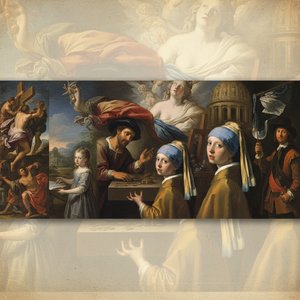
Barokowe arcydzieła: 10 obrazów, które zdefiniowały epokę | TopImpressionists.com
Odkryj 10 arcydzieł baroku! Caravaggio, Rembrandt, Rubens i inni artyści, którzy zdefiniowali epokę. Poznaj historie, techniki i inspiracje tych niezwykłych obrazów. Reprodukcje najwyższej jakości na TopImpressionists.com – idealne do Twojego wnętrza!

Italian Baroque Unlocked: High-Drama Art That Hits Hard
Dive into the high-drama world of Italian Baroque art. Discover how chiaroscuro, intense emotion, and theatrical lighting redefined aesthetics. Explore the visceral power of the Counter-Reformation through a modern lens with expert insights from TopImpressionists.com.

The Visceral Stage: Exploring Dramatic Narratives & Emotional Intensity in Baroque Art
Explore the dramatic world of Baroque art! Discover iconic masters like Caravaggio & Rembrandt, their techniques, and the movement's lasting impact. Expert insights for collectors & enthusiasts at TopImpressionists.
Odkryj dzieła sztuki uporządkowane według tematów, stylów i cech charakterystycznych.


