


 Zobacz w skali 1:1
 Wyślij
 Udostępnij
 Szczegóły
 Przewodnik

 Pobierz plik obrazu
 Podobne obiekty
 RTG
RTG Pokaz slajdów
 Statystyki
Landscape
 Oil On Canvas
- WallArt
- Portuguese Expressionism
 1896
1896- 19th Century
 64.0 x 47.0 cm
 Centro de Arte Moderna Gulbenkian
Experience the quaint riverside charm of this 1896 scene by António Teixeira Carneiro Júnior; discover the beauty of early Portuguese life art.
 Czytaj więcej
António Teixeira Carneiro Júnior – portugalski malarz ekspresjonistyczny znany z emocjonalnych portretów i krajobrazów, inspirowanych Paryżem. Jego twórczość odzwierciedla duchowość, melancholię i głębokie refleksje nad kondycją ludzką.
Giclée / Wydruk artystyczny
Wydruki giclée lub płótna o jakości muzealnej, szybka realizacja i szeroki wybór opcji wykończenia. ( Kup ręcznie malowany obraz Przełącz na wersję cyfrową)




P118B zł10

P118H zł10

P118W zł10

P438Z zł10

P508JH zł12

P508YH zł12

P805H zł10

P805Z zł10

P919BZ zł10

P919G zł10

P919XJ zł10

P959ZH zł10

P968JZ zł12

W106C zł8

W218G zł10

W218JH zł8

W218Y zł10

W307PJ zł10

W316G zł10

W316PJ zł8

W316Y zł10

W398PJ zł8

W4111J zł10

W500HY zł15

W500JH zł15

W692G zł12

W849H zł8

W940BG zł15

W953PJ zł8




Standardowy
na zamówienie
CM
INCH
Wybierz spośród naszych standardowych rozmiarów, które zachowują oryginalne proporcje dzieła sztuki.
Loading sizes...

szerokość
wysokość
Wpisz wymaganą szerokość i wysokość, aby dopasować grafikę do ramy lub ściany. Wydruk można jedynie przyciąć, nigdy nie powiększając go poza oryginalny obraz, dlatego format o innym proporcji spowoduje utratę części kompozycji. Przed rozpoczęciem druku prześlemy Ci cyfrowy podgląd do zatwierdzenia. Obraz wyświetlany na tej stronie nie pokazuje rzeczywistego przycięcia — jedynie podgląd oddaje ten efekt.
Dostawa na cały świat () w ciągu 2 tygodni zamiast standardowych 4/5 tygodni. (23 Październik)

Bezpłatna ekspresowa wysyłka na cały świat

Wysokiej jakości płótno lniane

Pełne ubezpieczenie transportowe

Gwarancja zwrotu należności celnych i podatków importowych

Gwarancja idealnego odwzorowania barw

100-dniowy okres na zwrot dzieła w przypadku wykrycia wad produkcyjnych

Gwarancja 100% zwrotu pieniędzy

Oferta przy zakupie wielu sztuk
 Opcja ze szkłem jest dostępna wyłącznie w rozmiarach poniżej 110 cm

Landscape
Giclée / Wydruk artystyczny
Rozmiar reprodukcji
-


Suma do zapłaty
zł 265
A Life Forged in Shadow and Light: The World of António Teixeira Carneiro Júnior
António Teixeira Carneiro Júnior stands as a cornerstone of Portuguese Expressionism, an artist whose life narrative mirrors the turbulent beauty found within his canvases—a testament to resilience born from profound adversity. Born in Amarante, Portugal, in 1872, his early years were irrevocably shaped by familial tragedy; the absence of his father and the untimely passing of his mother thrust him into the care of the Santa Casa da Misericórdia orphanage in Porto. This formative experience, though undeniably heartbreaking, inadvertently ignited a creative flame—a recognition of an innate talent for drawing that blossomed amidst hardship. The institution’s nurturing environment fostered not merely sustenance but also the initial spark of artistic curiosity, guiding his hand towards replicating religious illustrations and establishing a foundational understanding of visual representation.- Early Influences: Carneiro's formative years instilled in him an appreciation for meticulous observation and a dedication to capturing detail—skills that would become hallmarks of his distinctive style.
- The Escola Superior de Belas-Artes: Recognizing his burgeoning aptitude, the Escola Superior de Belas-Artes del Porto welcomed him as a student, providing invaluable training in Impressionistic techniques and broadening his artistic horizons.
Landscape – Leça da Palmeira: An Ode to Coastal Portugal
“Landscape – Leça da Palmeira,” painted in 1905, exemplifies Carneiro’s masterful embrace of Impressionism. The artwork depicts the picturesque Leça da Palmeira beachhead, bathed in the warm hues of a late afternoon sun. Thick brushstrokes convey an atmospheric haze, blurring the contours of buildings and creating a sense of serene contemplation. Vibrant sails dominate the seascape, symbolizing maritime trade and Portugal's rich seafaring heritage—a deliberate nod to Carneiro’s upbringing amidst Porto’s bustling harbor. The artist skillfully captures the interplay of light and shadow, imbuing the scene with an emotional resonance that speaks to the tranquility and beauty of the Portuguese coastline.Technique and Style: Impressionistic Brushstrokes and Color Harmony
Carneiro's technique is characterized by loose, expressive brushwork—a hallmark of Impressionism—which prioritizes capturing fleeting moments of light and color rather than striving for photographic accuracy. He employed a palette dominated by warm yellows, oranges, and reds, harmoniously blended to evoke feelings of warmth and optimism. The artist’s meticulous attention to detail is evident in the rendering of architectural elements and the depiction of sailboats, demonstrating his commitment to both observation and artistic skill.Symbolism Beyond Representation: Reflections on Loss and Resilience
Beyond its aesthetic beauty, “Landscape – Leça da Palmeira” carries a deeper symbolic significance—a poignant reflection on Carneiro’s own life experience. The tranquil beachhead serves as an emblem of solace and renewal, mirroring the artist's journey from adversity to artistic triumph. Just as the sun casts its golden glow upon the landscape, Carneiro’s art illuminates the complexities of human emotion with sensitivity and grace—a testament to his ability to transform personal hardship into enduring artistic expression.Legacy and Influence: A Pioneer of Portuguese Expressionism
António Teixeira Carneiro Júnior's contribution to Portuguese art history is undeniable. He remains a pivotal figure in the development of Expressionism, demonstrating that profound emotional depth can coexist with masterful artistic execution. His work continues to inspire artists today, reminding us that beauty emerges from confronting darkness and embracing vulnerability—a legacy etched forever within the vibrant canvases of his enduring vision.Pytania i odpowiedzi
Co łączy "Landscape" z resztą twórczości António Carneiro?
"Landscape" należy do nurtu Portuguese Expressionism w twórczości António Carneiro, której rozpoznawalne motywy obejmują religious imagery, impressionistic style, portuguese identity, orphanhood experience, expressionist legacy.
Jaki jest format dzieła "Landscape"?
„Landscape” autorstwa António Carneiro to kompozycja w formacie Portrait. Warto sprawdzić proporcje przed wyborem rozmiaru wydruku.
Z jakim uczuciem wiąże się "Landscape"?
„Landscape” budzi Reflective uczucia. Ton emocjonalny opisuje wrażenie, jakie wywołuje to dzieło.
Podobne dzieła


Biografia artysty
A Life Forged in Shadow and Light: The World of António Teixeira Carneiro Júnior
António Teixeira Carneiro Júnior, a pivotal figure in Portuguese Expressionism, was an artist whose life story is as compelling and emotionally resonant as the canvases he imbued with psychological depth. Born in Amarante, Portugal, in 1872, his early years were marked by profound loss and abandonment. The absence of his father and the untimely death of his mother led to a childhood spent within the walls of the Santa Casa da Misericórdia orphanage in Porto. This formative experience, while undoubtedly difficult, proved unexpectedly crucial; it was there that Carneiro received his initial artistic training, nurturing a nascent talent for drawing through copying religious illustrations. The institution provided not merely shelter but also a spark—an early recognition of an ability that would define his life’s path. It was this foundation that ultimately led him to the Escola Superior de Belas-Artes do Porto in 1884, where he studied under João Marques de Oliveira, beginning a formal artistic education that would soon blossom into something uniquely his own.Parisian Influences and the Birth of an Expressionist Vision
The trajectory of Carneiro’s artistry took a significant turn with his sojourn to Paris. Enrolling at the Académie Julien in 1897, he immersed himself in the artistic currents of the French capital, studying under luminaries like Jean-Paul Laurens and Jean-Joseph Benjamin-Constant. This period proved transformative, exposing him to new techniques and aesthetic philosophies that would profoundly influence his style. However, Carneiro didn’t simply absorb these influences; he synthesized them with a distinctly Portuguese sensibility, forging an artistic voice that was both modern and deeply rooted in his own cultural heritage. It was during this time that he began to move away from the prevailing naturalism of the era, gravitating towards Symbolist ideas and exploring themes of spirituality, melancholy, and introspection. He became fascinated by the darker aspects of human experience—loss, isolation, and the search for meaning—and sought to express these emotions through his art. This culminated in his groundbreaking triptych “A Vida” (Life), completed around 1900, which earned him a Silver Medal at the Exposition Universelle in Paris—a pivotal moment that signaled the beginning of widespread recognition for his unique artistic vision. The work itself is a testament to his burgeoning expressionist style, capturing not merely outward appearances but the inner emotional landscape of existence.A Master of Psychological Portraiture and Landscape
Carneiro’s oeuvre is characterized by an intense focus on psychological depth, particularly evident in his portraits. He wasn't interested in mere physical likeness; rather, he sought to capture the essence of his subjects—their inner turmoil, their hopes, their fears. His figures often possess a haunting quality, their eyes gazing out with an unsettling intensity that draws the viewer into their emotional world. This ability to convey profound psychological states extended beyond portraiture and permeated his landscapes as well. He didn’t simply depict scenes; he imbued them with mood and atmosphere, transforming natural settings into reflections of the human condition. His landscapes are often stark and dramatic, reflecting a sense of isolation and existential questioning. Throughout his career, Carneiro also engaged in illustration, producing evocative drawings for Dante's *Inferno* that showcase his mastery of line and shadow. He was a prolific artist, constantly experimenting with different techniques and styles, yet always remaining true to his core artistic principles. His work is marked by a deep sense of melancholy and a profound understanding of the human psyche.The Influence of Loss and the "Barão da Nova Sintra"
Carneiro’s early life was profoundly shaped by loss—the absence of his father and the untimely death of his mother. This experience instilled in him a lifelong preoccupation with themes of grief, abandonment, and the fragility of human existence. The Santa Casa da Misericórdia orphanage, where he spent much of his childhood, served as a constant reminder of his precarious situation and fueled his artistic exploration of emotional vulnerability. It is believed that this early trauma profoundly influenced his artistic style, contributing to the haunting quality of many of his works. His time at the "Barão da Nova Sintra" orphanage provided him with an initial opportunity to develop his skills through copying religious illustrations—a seemingly simple task that nonetheless honed his observational abilities and fostered a deep appreciation for detail. This early training laid the foundation for his later success as a painter and illustrator, shaping his artistic vision in ways that would continue to resonate throughout his career.Legacy and Influence: A Professor and Cultural Force
Beyond his accomplishments as a painter and illustrator, António Carneiro left an enduring legacy as an educator and cultural figure. In 1918, he was appointed Chair of the drawing department at the Escola de Belas-Artes do Porto, where he profoundly influenced generations of aspiring artists. He wasn’t merely a technical instructor; he encouraged his students to explore their own artistic voices, to challenge conventions, and to embrace experimentation. His teachings fostered a spirit of innovation that helped shape the course of Portuguese art in the 20th century. Furthermore, Carneiro was deeply involved in Portugal's literary and cultural scene, contributing to influential magazines like *Atlantida* and *Renascença Portuguesa*. He actively participated in intellectual debates and played a key role in shaping the artistic discourse of his time. His multifaceted contributions—as an artist, educator, and cultural commentator—cemented his position as one of Portugal’s most important modern masters. He remains a figure whose work continues to resonate with audiences today, offering a powerful glimpse into the complexities of the human soul.Rediscovering Carneiro: Museums and Continued Appreciation
Today, António Teixeira Carneiro Júnior's works can be found in prominent collections across Portugal, including the Centro de Arte Moderna Gulbenkian in Lisbon and the Museu da Fundação Dionísio Pinheiro e Alice Cardoso Pinheiro in Águeda. These institutions provide opportunities for audiences to engage with his art firsthand, appreciating the nuances of his technique and the depth of his emotional expression. The Museu da Fundação Dionísio Pinheiro e Alice Cardoso Pinheiro, in particular, holds a significant collection of Carneiro’s work, offering valuable insights into his artistic development. His paintings continue to be exhibited internationally, ensuring that his legacy endures for future generations. As scholars and art enthusiasts alike rediscover the richness and complexity of his oeuvre, António Teixeira Carneiro Júnior is rightfully taking his place among the most important figures in Portuguese Expressionism—an artist whose life and work serve as a testament to the power of art to illuminate the human condition.
António Carneiro
1872 - 1930 , Portugalia
Najważniejsze informacje
- Artistic Movement Or Style: Ekspresjonizm
- Artists Or Movements Influenced By This Artist: ['Symbolizm']
- Artists Who Influenced This Artist:
- João Marques de Oliveira
- Jean-Paul Laurens
- Benjamin-Constant
- Date Of Birth: 1872
- Date Of Death: 1930
- Full Name: António Teixeira Carneiro Júnior
- Nationality: Portugalski
- Notable Artworks:
- Leça da Palmeira
- Portret Dionísio Pinheiro
- Niezdefiniowany
- Place Of Birth: Amarante, Portugalia
Zobacz także powiązane artykuły

The Soul of Impressionism: Why Oil on Canvas Captures Eternal Light and Timeless Emotion
Discover the enchanting alchemy of Impressionism. Explore how the mastery of oil on canvas, through glazing and impasto, captures eternal light and emotion. Perfect for lovers of Monet and Van Gogh seeking the profound depth of hand-painted fine art.
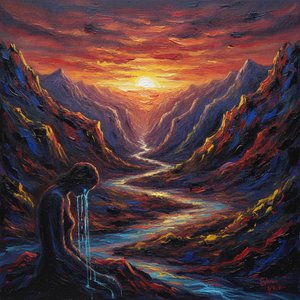
Capturing Emotion: A Journey Through the Soul of Expressionist Landscapes
Explore the profound emotional depth of Expressionist landscapes. Discover how Post-Impressionist masters moved beyond light to capture the soul through vibrant color and form. A curated journey for true art lovers seeking the beauty of expressive mastery.
Odkryj dzieła sztuki uporządkowane według tematów, stylów i cech charakterystycznych.


