


 Zobacz w skali 1:1
 Wyślij
 Udostępnij
 Szczegóły
 Przewodnik

 Pobierz plik obrazu
 Podobne obiekty
 RTG
RTG Pokaz slajdów
 Statystyki
Self-Portrait
 Acrylic On Canvas
- WallArt
- Atonal Expressionism
 1922
1922- 19th Century
 9.0 x 10.0 cm
 Arnold Schönberg Center
A striking black and yellow self-portrait drawing by Arnold Schoenberg, a pivotal figure of the early 20th century's musical avant-garde, captures the artist’s intense gaze with a distinctive mustache. Discover this unique piece and add it to your collection.
 Czytaj więcej
Odkryj rewolucyjną muzykę Arnolda Schönberga – atonalność, technikę dwunastotonową i wpływ na kompozytorów XX wieku. Poznaj jego dziedzictwo w Schönberg Center.
Giclée / Wydruk artystyczny
Wydruki giclée lub płótna o jakości muzealnej, szybka realizacja i szeroki wybór opcji wykończenia. ( Kup ręcznie malowany obraz Przełącz na wersję cyfrową)




P118B zł10

P118H zł10

P118W zł10

P438Z zł10

P508JH zł12

P508YH zł12

P805H zł10

P805Z zł10

P919BZ zł10

P919G zł10

P919XJ zł10

P959ZH zł10

P968JZ zł12

W106C zł8

W218G zł10

W218JH zł8

W218Y zł10

W307PJ zł10

W316G zł10

W316PJ zł8

W316Y zł10

W398PJ zł8

W4111J zł10

W500HY zł15

W500JH zł15

W692G zł12

W849H zł8

W940BG zł15

W953PJ zł8




Standardowy
na zamówienie
CM
INCH
Wybierz spośród naszych standardowych rozmiarów, które zachowują oryginalne proporcje dzieła sztuki.
Loading sizes...

szerokość
wysokość
Możesz wprowadzić własne wymiary, aby dopasować dzieło do konkretnej ramy lub przestrzeni. Jeśli wybrany rozmiar nie będzie odpowiadał proporcjom oryginalnego obrazu, przytniecie dzieło lub rozszerzymy obraz za pomocą odbicia lustrzanego lub jednolitego wypełnienia krawędzi. Przed rozpoczęciem produkcji prześlemy cyfrową wizualizację do Twojej akceptacji.
Prosimy pamiętać, że podgląd na ekranie nie odzwierciedla faktycznego przycinania ani rozszerzania. Tylko wizualizacja dokładnie pokaże końcową kompozycję.
Mimo dostępności niestandardowych rozmiarów, zalecamy wybór wymiaru z listy zdefiniowanej, aby zachować oryginalne proporcje.
Dostawa na cały świat () w ciągu 2 tygodni zamiast standardowych 4/5 tygodni. (13 Październik)

Bezpłatna ekspresowa wysyłka na cały świat

Wysokiej jakości płótno lniane

Pełne ubezpieczenie transportowe

Gwarancja zwrotu należności celnych i podatków importowych

Gwarancja idealnego odwzorowania barw

100-dniowy okres na zwrot dzieła w przypadku wykrycia wad produkcyjnych

Gwarancja 100% zwrotu pieniędzy

Oferta przy zakupie wielu sztuk
 Opcja ze szkłem jest dostępna wyłącznie w rozmiarach poniżej 110 cm

Self-Portrait
Giclée / Wydruk artystyczny
Rozmiar reprodukcji
-


Suma do zapłaty
zł 257
A Study in Yellow and Green: Arnold Schoenberg's Self-Portrait (1922)
This intimate drawing, measuring just 9 x 10 cm, offers an arresting glimpse into the mind of one of the 20th century’s most revolutionary composers – Arnold Schoenberg. Executed in 1922, a pivotal year in his artistic development, the work transcends a simple portrait; it's a concentrated distillation of intellectual intensity and perhaps, a subtle self-examination rendered with remarkable precision. The stark palette of yellow and green immediately draws the viewer in, colors that would become increasingly significant within Schoenberg’s musical explorations of atonality and dissonance.
- Subject & Composition: The central focus is undeniably the artist himself – a man with a neatly trimmed mustache, his gaze direct and unwavering. The simplified rendering emphasizes key features: the piercing green eyes, a hallmark of Schoenberg’s artistic vision, and the strong jawline hinting at an unyielding intellect.
- Technique & Materials: Crafted in black and yellow tones, the drawing utilizes a technique that suggests both meticulous observation and a deliberate departure from representational realism. The use of shading creates depth and volume, while the limited color palette contributes to a sense of austerity and focused contemplation.
The Second Viennese School & Atonality
To fully appreciate this self-portrait, it’s crucial to understand Schoenberg's place within the artistic landscape of early 20th-century Vienna. He was at the heart of the “Second Viennese School,” a group of composers – including Alban Berg and Anton Webern – who radically challenged traditional harmonic structures. Schoenberg pioneered atonality, rejecting the established rules of key signatures and chord progressions, believing that music should be free from conventional constraints. This drawing can be seen as a visual manifestation of this intellectual shift; the deliberate use of color and simplified form reflects a desire to break away from established artistic conventions.
The year 1922 was particularly significant for Schoenberg, marking a period of intense experimentation with serialism – a compositional technique based on mathematical series that further explored the possibilities of atonality. This self-portrait isn’t merely a likeness; it's a visual echo of his groundbreaking musical ideas.
Symbolic Resonance & Emotional Impact
While seemingly straightforward, the drawing possesses a subtle emotional depth. The intense gaze suggests introspection and perhaps a sense of isolation – feelings that likely accompanied Schoenberg as he navigated the turbulent waters of artistic innovation. The yellow and green hues, often associated with envy and growth respectively, could symbolize his ambition and relentless pursuit of new musical frontiers. The starkness of the image evokes a feeling of quiet contemplation, inviting the viewer to engage in their own thoughts about creativity, genius, and the challenges of pushing boundaries.
A Collector’s Piece – Reproduction & Legacy
This hand-painted reproduction captures not only the visual details of Schoenberg's self-portrait but also the spirit of a revolutionary artist. Each reproduction is meticulously crafted by skilled artisans, ensuring an authentic representation of this significant work. Perfect for interior design projects seeking a touch of intellectual sophistication or as a unique addition to any art collection, this piece offers a tangible connection to one of music’s most influential figures. Its small size makes it ideal for display in intimate settings, while its powerful imagery ensures that it will remain a captivating subject of contemplation for years to come.
Pytania i odpowiedzi
Co wyjaśnia sytuację prawną dotyczącą praw autorskich do „Self-Portrait” autorstwa Arnold Schönberg?
„Self-Portrait” autorstwa Arnold Schönberg znajduje się w stanowi domenę publiczną – autorskie prawa majątkowe wygasły. Okres ochrony praw autorskich liczony jest od śmierci artysty, która nastąpiła w 1951.
Jakie są wymiary oryginału "Self-Portrait"?
„Self-Portrait” w swojej oryginalnej formie ma wymiary 9 x 10 cm. Oryginalne wymiary stanowią pomocną wskazówkę przy wyborze rozmiaru reprodukcji.
Jaki nastrój oddaje „Self-Portrait” autorstwa Arnold Schönberg w ramach nurtu Atonal Expressionism?
W ramach nurtu Atonal Expressionism, dzieło „Self-Portrait” zostało utrwalone w Reflective tonie.
Jaką intensywność kolorów ma „Self-Portrait” autorstwa Arnold Schönberg?
Nasycenie barw w dziele „Self-Portrait” wynosi Vivid. Intensywność określa, jak mocne wydają się kolory.
Czy „Self-Portrait” autorstwa Arnold Schönberg to dzieło o jasnej czy ciemnej kolorystyce?
Jasność dzieła „Self-Portrait” autorstwa Arnold Schönberg wynosi brilliant, przy luminancji na poziomie Luminous.
Który artysta i jaki styl stoją za "Self-Portrait"?
"Self-Portrait" powstało autorstwa Arnold Schönberg w stylu Atonal Expressionism. Artysta oraz nurt definiują tradycję tego dzieła.
Gdzie najlepiej powiesić reprodukcję „Self-Portrait” autorstwa Arnold Schönberg?
Format (Square) oraz rekomendowana przestrzeń (Living Room) to dwa parametry dotyczące rozmieszczenia dzieła „Self-Portrait” autorstwa Arnold Schönberg.
Jakie tematy pojawiają się w „Self-Portrait” autorstwa Arnold Schönberg?
Tematyka dzieła "Self-Portrait" to self-portrait, arnold schoenberg, musical artist, early 20th century, atonality, vienna school, yellow drawing.
Biografia artysty
wczesne lata i muzyczne początki
arnold schoenberg, austriacko-amerykański kompozytor, urodził się 13 września 1874 roku w Wiedniu. Jego wczesne lata upłynęły w skromnych warunkach, gdyż jego ojciec był właścicielem sklepu obuwniczego. Mimo to, wrodzona pasja do muzyki sprawiła, że Schoenberg w dużej mierze samodzielnie kształtował swoje wykształcenie w tej dziedzinie.ewolucja muzyczna i znaczące dzieła
Wczesne prace Schoenberga, takie jak verklärte nacht (1899), prezentowały syntezę stylu brahmsowskiego i wagnerowskiego. W miarę postępów artystycznych stał się on centralną postacią drugiej szkoły wiedeńskiej, występując u boku antona weberna oraz albana berga. Jego kompozycje, w tym kwartet smyczkowy nr 2 (1907–1908), erwartung (1909) oraz pierrot lunaire (1912), stanowiły przykład jego nowatorskiego podejścia do atonalności.późniejsze życie, nauczanie i emigracja
W 1933 roku Schoenberg zrezygnował z członkostwa w pruskiej akademii sztuk wskutek dojścia nazistów do władzy, którzy uznali jego muzykę za „zdegenerowaną”. Następnie wykładał w USA, m.in. na Uniwersytecie Kalifornijskim w Los Angeles (1936–1944), gdzie obiekty uczelni zostały nazwane jego imieniem na jego cześć. [https://TopImpressionists.com/@/arnold-schoenberg](odkryj więcej o życiu i twórczości Schoenberga na TopImpressionists).- Schoenberg zgłębiał muzykę filmową i pisał bardziej tonalną muzykę, kończąc swoją symfonię kameralną nr 2 w 1939 roku.
- W ode to napoleon (1942), inspirowanej Byronem, wyśmiewał faszystowskich tyranów.
- Powojenna Wiedeń przyznała mu honorowe obywatelstwo, lecz artysta zmagał się z chorobą, co odzwierciedla jego trio smyczkowe (1946).
dziedzictwo i wpływ
Gdy świat dowiedział się o Holokauście, Schoenberg upamiętnił jego ofiary w utworze a survivor from warsaw (1947). W 1951 roku Izraelska Konserwatoria i Akademia Muzyczna wybrała go na swojego honorowego prezydenta. [https://TopImpressionists.com/@@/a@d3bqc7-the-museum-destroyed-by-fire-(united-states)](dowiedz się więcej o wpływie jego twórczości na TopImpressionists). kluczowe punkty:- Innowacyjna muzyka Schoenberga należała do najbardziej wpływowych i budzących kontrowersje w muzyce klasycznej XX wieku.
- Przynajmniej trzy pokolenia kompozytorów rozwijało jej sformalizowane zasady.
- Jego estetyka i historyczno-muzyczne poglądy wpłynęły na muzykologów, takich jak Theodor W. Adorno i Carl Dahlhaus.

Arnold Schönberg
1874 - 1951 , Austria
Najważniejsze informacje
- Artistic Movement Or Style: Technika dodekafoniczna; Ekspresjonizm
- Artists Or Movements Influenced By This Artist:
- Anton Webern
- Alban Berg
- Artists Who Influenced This Artist:
- Johannes Brahms
- Richard Wagner
- Date Of Birth: 13 września 1874
- Date Of Death: 1951
- Full Name: Arnold Schoenberg
- Nationality: Austro-Amerykanin
- Notable Artworks:
- Suita op. 29
- Maszyna do pisania muzyczna
- Staffliner
- Place Of Birth: Wiedeń, Austria
Zobacz także powiązane artykuły

Czarne arcydzieła: Top 10 słynnych obrazów pełnych mroku i ekspresji | TopImpressionists.com
Odkryj 10 słynnych obrazów, w których czerń króluje! Poznaj historie artystów, ekspresjonizm i mroczną paletę barw. Reprodukcje dzieł sztuki najwyższej jakości na TopImpressionists.com – inspiracje do wnętrz i kolekcjonerstwo.
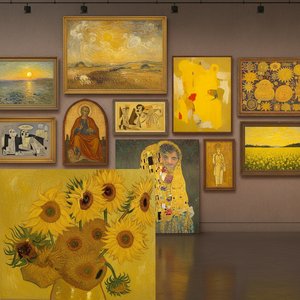
Top 10 Arcydzieł w Odcieniach Chromowej Żółci – Inspiracje do Wnętrz od TopImpressionists
Odkryj 10 arcydzieł sztuki, w których króluje chromowa żółć! Van Gogh, Monet, Renoir i inni mistrzowie. Inspiracje wnętrzarskie i reprodukcje obrazów najwyższej jakości na TopImpressionists.com. Eksploruj pełną kolekcję online!

Echoes of Time: Exploring the Enduring Appeal & Historical Context of Vintage Art Prints
Explore the captivating world of vintage art prints! Discover their history, collecting tips & enduring appeal. Expert insights on chromolithography and building a legacy collection with TopImpressionists.

Odbitki Giclée: Jakość Archiwalna i Estetyczne Niuanse dla Wymagającego Kolekcjonera
Poznaj sekrety druku giclée – technologii zapewniającej najwyższą jakość reprodukcji sztuki i trwałość archiwalaną. Poradnik dla wymagających kolekcjonerów o wyborze papieru, tuszy i profilach kolorystycznych.

The Enduring Legacy of Fine Art Prints: Technique, History & Aesthetic Impact
Explore the rich history & techniques of fine art prints. Discover investment potential, assess authenticity, and learn how to preserve your collection with expert guidance. Trusted insights for discerning collectors.
Odkryj dzieła sztuki uporządkowane według tematów, stylów i cech charakterystycznych.


