

 Podgląd w skali 1:1
 Wyślij jako kartkę
 Udostępnij
 Szczegóły dzieła
 Przewodnik

 Pobierz obraz
 Podobne obiekty
 RTG
RTG Pokaz slajdów
 Pytania i odpowiedzi
 Statystyki
Untitled

- 270.0 x 680.0 cm


A vibrant exploration of geometric color and space defines this 1987 untitled work by Brazilian Modernist Athos Bulcão de Almeida Lima, inviting you to bring a piece of iconic architectural history into your collection.
 Rozwiń treść
Odkryj Athosa Bulcão (1918-2008), kluczowego brazylijskiego modernistę, znanego z barwnych geometrycznych paneli ceramicznych i bliskiej współpracy z Oscarem Niemeyerem, który zdefiniował ikonografię Brasílii.
Dzieło sztuki prezentowane na tej stronie podlega ochronie prawem autorskim, co oznacza, że nie mamy prawa do tworzenia ani sprzedaży jego identycznej reprodukcji. Ochrona ta jest egzekwowana na mocy umów międzynarodowych, takich jak Konwencja berneńska oraz przez przepisy prawa krajowego, w tym te określone w Prawo autorskie USA – Tytuł 17.
Metoda ta jest w pełni zgodna z przepisami prawa autorskiego, ponieważ nie polega na kopiowaniu ani powielaniu chronionego dzieła. Stanowi ona kreatywną reinterpretację – nowy obraz, który czerpie inspirację z oryginału, ale nie jest z nim tożsamy.
Giclée / Wydruk artystyczny
Wydruki giclée lub płótna o jakości muzealnej, szybka realizacja i szeroki wybór opcji wykończenia. ( Zamów ręcznie malowaną reprodukcję Przejdź do wersji cyfrowej)




P118B zł10

P118H zł10

P118W zł10

P438Z zł10

P508JH zł12

P508YH zł12

P805H zł10

P805Z zł10

P919BZ zł10

P919G zł10

P919XJ zł10

P959ZH zł10

P968JZ zł12

W106C zł8

W218G zł10

W218JH zł8

W218Y zł10

W307PJ zł10

W316G zł10

W316PJ zł8

W316Y zł10

W398PJ zł8

W4111J zł10

W500HY zł15

W500JH zł15

W692G zł12

W849H zł8

W940BG zł15

W953PJ zł8




Standardowy format
personalizowane
CM
INCH
Wybierz spośród naszych standardowych rozmiarów, które zachowują oryginalne proporcje dzieła sztuki.
Loading sizes...

szerokość
wysokość
Wpisz wymaganą szerokość i wysokość, aby dopasować grafikę do ramy lub ściany. Wydruk można jedynie przyciąć, nigdy nie powiększając go poza oryginalny obraz, dlatego format o innych proporcjach spowoduje utratę części kompozycji. Przed rozpoczęciem druku prześlemy Ci cyfrowy podgląd do zatwierdzenia. Obraz wyświetlany na tej stronie nie pokazuje rzeczywistego przycięcia — jedynie podgląd oddaje ten efekt.
Dostawa na cały świat () w ciągu 2 tygodni zamiast standardowych 4/5 tygodni. (6 Listopad)

Bezpłatna ekspresowa wysyłka na cały świat

Wysokiej jakości płótno lniane

Pełne ubezpieczenie przesyłki

Gwarancja zwrotu należności celnych i podatków importowych

Gwarancja wiernego odwzorowania kolorów

100-dniowa polityka zwrotów (tylko w przypadku wad)

Gwarancja 100% zwrotu pieniędzy

Zniżka przy zakupie wielu sztuk
 Opcja ze szkłem jest dostępna wyłącznie w rozmiarach poniżej 110 cm

Untitled
Giclée / Wydruk artystyczny
Wymiary reprodukcji
-


Cena całkowita
zł 274
A Symphony of Geometry and Space
In the vast expanse of modern Brazilian abstraction, few works capture the quiet dialogue between architecture and atmosphere as effectively as this 1987 masterpiece by Athos Bulcão de Almeida Lima. This untitled work serves as a profound meditation on space, utilizing a rhythmic arrangement that transcends the boundaries of a mere painting to become an immersive environment. The composition presents a meticulously structured interior—a restaurant setting where the interplay of blue walls and verdant green accents creates a sanctuary of calm. Through his masterful command of form, Bulcão invites the viewer into a world where every table and chair is positioned not just as furniture, but as a deliberate note in a larger visual symphony.
The technique employed here reflects the artist's deep-rooted connection to the tactile and the structural. While Bulcão is globally celebrated for his monumental tile panels that define the skin of Brasília’s architecture, this particular piece showcases his ability to translate that same geometric precision into a more intimate, painterly scale. The way the light seems to interact with the cool blue surfaces and the organic weight of the green accents suggests a depth that pulls the eye through the dining area, moving from the foreground tables toward the distant corners of the room. It is a study in balance, where the repetition of shapes provides a sense of stability, yet the subtle variations in color and placement prevent the scene from ever feeling static.
The Legacy of Brazilian Modernism
To understand this work is to understand the spirit of mid-to-late 20th-century Brazil. Athos Bulcão was more than a painter; he was an architect of the visual senses, a collaborator with legends like Oscar Niemeyer who sought to weave art into the very fabric of urban life. This piece, created in 1987, carries the weight of that legacy, embodying the clean lines and vibrant optimism of the Modernist movement. The artist’s background—rooted in the precision of his father's metalworking craft—is evident in the disciplined arrangement of the dining elements. There is a rhythmic pulse to the composition, a cadence of chairs and tables that echoes the mathematical beauty found in nature and urban design alike.
For the discerning collector or interior designer, this artwork offers much more than aesthetic appeal; it provides an emotional anchor. The cool palette of blues and greens evokes a sense of tranquility and sophisticated repose, making it an ideal centerpiece for spaces dedicated to contemplation or refined social gathering. It possesses the rare ability to command attention through its structural integrity while simultaneously blending into a contemporary setting with effortless grace. Owning a reproduction of such a significant work is an opportunity to bring a piece of Brazil's architectural soul into one's own environment, fostering a connection to a period of unparalleled creative courage and geometric elegance.
Pytania i odpowiedzi
Kiedy i z jakich materiałów wykonano "Untitled"?
Technika wykonania dzieła „Untitled” – Athos Bulcão to Painting, a datowanie pracy pochodzi z 1987.
Jaki nastrój oddaje styl Brazilian Modernism w dziele „Untitled”?
"Untitled" emanuje Calm emocjonalnym ładunkiem, wpisując się w nurt Brazilian Modernism.
Czy dzieło „Untitled” – Athos Bulcão, znajdujące się w zbiorach Izba Deputowanych, może być legalnie reprodukowane?
Oryginał dzieła „Untitled” znajduje się w Izba Deputowanych, a utwór jest nadal objęte ochroną prawa autorskiego.
Biografia artysty
Życie utkane z koloru i formy: Świat Athosa Bulcão
Athos Bulcão de Almeida Lima, nazwisko będące synonimem tętniącego życiem serca brazylijskiego modernizmu, przyszedł na świat 2 lipca 1918 roku w Rio de Janeiro, mieście przepełnionym artystycznym potencjałami. Jego wczesne lata zostały naznaczone osobistą stratą – śmiercią matki, gdy był jeszcze dzieckiem – lecz kształtowała go praktyczna biegłość ojca, Fortunato Bulcão, utalentowanego rzemieślnika obrabiającego metal. To zakorzenienie w rzemiośle okazało się formacyjne, subtelnie wpływając na geometryczną precyzję i haptyczną jakość, które później zdefiniowały jego twórczość. Choć początkowo pociągała go medycyna, Athos szybko odkrył, że jego prawdziwe powołanie nie leży w leczeniu ciał, lecz w poruszaniu dusz poprzez wizualną ekspresję. Porzucił studia medyczne, wybierając ścieżkę malarza – decyzję, która nieodwracalnie zmieniła krajobraz brazylijskiej sztuki.Od Pampulha do Brasílii: Duch współpracy
Lata 40. okazały się kluczowe dla rozwoju artystycznego Bulcão. Pierwsza wielka szansa pojawiła się, gdy pomagał Cândido Portinariemu przy monumentalnym malowidle „São Francisco de Assis” w murach kościoła Pampulha w Belo Horizonte. To doświadczenie, przesiąknięte religijną ikonografią i wielkoskalową kompozycją, bez wątpienia poszerzyło jego artystyczne horyzonty. Kolejna podróż do Paryża, trwająca aż do 1949 roku, wystawiła go na prądy europejskiej abstrakcji, jednak to po powrocie do Brazylii współpraca z architektem Oscarem Niemeyerem prawdziwie rozpaliła jego twórczą trajektorię. Ich partnerstwo stało się legendarne, nierozerwalnie związane z samym procesem tworzenia Brasílii. Bulcão nie tylko dekorował przestrzenie zaprojektowane przez Niemeyera; był integralną częścią ich koncepcji, tchnąc w architekturę miasta unikalnego, brazylijskiego ducha poprzez nowatorskie wykorzystanie azulejos – glazurowanych płytek ceramicznych. Rozumiał, jak tłumaczyć bryły architektoniczne na dynamiczne doświadczenia wizualne, tworząc harmonijny dialog między formą a kolorem.Język geometrii: Styl i innowacja
Język artystyczny Bulcão jest natychmiast rozpoznawalny: to uścisk abstrakcyjnych i geometrycznych form, przedstawionych w palecie często uderzająco jasnych barw. Nie interesowała go odwzorowująca dokładność; zamiast tego dążył do wywołania emocji i stworzenia atmosfery poprzez grę kształtu, linii i odcienia. Jego panele z płytek nie były jedynie elementami dekoracyjnymi, lecz integralnymi komponentami otoczenia architektonicznego, zaprojektowanymi tak, by wchodzić w interakcję ze światłem i cieniem, ruchem i bezruchem. Kluczowym aspektem jego procesu było świadome zrzeczenie się kontroli podczas instalacji. Projektował poszczególne płytki, często czerpiąc abstrakcję z form naturalnych lub przedmiotów codziennego użytku, a następnie powierzał ich rozmieszczenie robotnikom, dopuszczając element przypadku i improwizacji. Takie podejście zaowocowało kompozycjami, które wydawały się organiczne i żywe, wymykając się sztywnej powtarzalności na rzecz subtelnych wariacji. Wybitne dzieła, takie jak „Untitled” (świadectwo jego innowacyjnej pracy z metalem) oraz nastrojowe „Sabará”, demonstrują tę unikalną wrażliwość estetyczną. Nawet utwory takie jak „Cena de Bar - Vermelhinho” oferują wgląd w tętniące życiem życie społeczne przeplatane z artystycznymi poszukiwaniami.Trwałe dziedzictwo: Poza granicami Brasílii
Wpływ Athosa Bulcão wykracza daleko poza ikoniczny krajobraz Brasílii. Jego prace zdobią liczne przestrzenie publiczne i prywatne w całej Brazylii – od szpitali i szkół po ambasady i teatry. Nie ograniczał się jedynie do pracy z płytkami; eksplorował także rzeźbę i malarstwo, nieustannie przesuwając granice swojej ekspresji. Fundação Athos Bulcão, założona w Brasílii w 1992 roku, stanowi świadectwo jego trwałego dziedzictwa, poświęcone ochronie jego dorobku, wspieraniu edukacji i inspirowaniu przyszłych pokoleń artystów. Odszedł 31 lipca 2008 roku w wyniku powikłań związanych z chorobą Parkinsona, lecz jego artystyczny duch nadal rezonuje w Brazylii i poza jej granicami. Bulcão nie był tylko artystą; był wizjonerem, który pomógł zdefiniować tożsamość estetyczną narodu, udowadniając, że sztuka może być jednocześnie głęboko osobista i mocno zintegrowana z tkanką codziennego życia. Jego twórczość pozostaje potężnym przypomnieniem o transformacyjnej mocy koloru, formy i wspólnej kreatywności.
Athos Bulcão
1918 - 2008 , Brazylia
Krótka nota
- Artistic Movement Or Style: Abstrakcyjny, Geometryczny
- Artists Who Influenced This Artist:
- Cândido Portinari
- Oscar Niemeyer
- Date Of Birth: 2 lipca 1918
- Date Of Death: 31 lipca 2008
- Full Name: Athos Bulcão de Almeida Lima
- Nationality: Brazylijczyk
- Notable Artworks:
- Bez tytułu
- Sabará
- Cena de bar - Vermelhinho
- Place Of Birth: Rio de Janeiro, Brazylia
Powiązane artykuły

Top 10 Sławnych Obrazów w Odcieniach Chromowej Zieleni – Sztuka i Dekoracja Domu
Odkryj 10 najsłynniejszych obrazów w odcieniach chromowej zieleni! Van Gogh, Monet, Renoir i inni mistrzowie. Poznaj historię sztuki, techniki malarskie i inspiracje kolorystyczne. Reprodukcje najwyższej jakości na TopImpressionists.com – idealne do Twojego wnętrza.
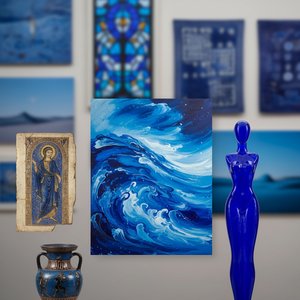
Błękit w Sztuce: Symbolika, Historia i Psychologiczne Oddziaływanie Koloru
Odkryj fascynującą historię błękitu w sztuce! Poznaj symbolikę, psychologię i wpływ tego koloru na arcydzieła renesansu i współczesne trendy. Ekspercka analiza dla miłośników sztuki.

Top 10 Sławnych Obrazów w Odcieniach Szaroniebieskiego – Inspiracje dla Wnętrz | TopImpressionists.com
Odkryj 10 najsłynniejszych obrazów w odcieniach szaroniebieskiego! Poznaj historie Claude Moneta, Degasa i Van Gogha. Inspiracje wnętrzarskie i reprodukcje najwyższej jakości na TopImpressionists.com – sztuka dla Twojego domu.

Top 10 słynnych obrazów w odcieniach kadmiowej zieleni – arcydzieła dla Twojego wnętrza
Odkryj 10 najsłynniejszych obrazów w odcieniach kadmiowej zieleni! Poznaj historie Monet, Van Gogha i Cézanne'a. Inspiracje wnętrzarskie i reprodukcje najwyższej jakości na TopImpressionists.com.

Szmaragdowe Wizje: Symbolika i Estetyczny Wpływ Zieleni w Historii Sztuki
Odkryj fascynującą historię zieleni w sztuce! Poznaj symbolikę koloru od starożytności do współczesności, wpływ pigmentów i psychologię emocji. Ekspercka analiza dzieł sztuki na TopImpressionists.
Odkryj dzieła sztuki uporządkowane według tematów, stylów i cech charakterystycznych.
