

Shown: · With its frame:
 Podgląd w skali 1:1
 Wyślij jako kartkę
 Udostępnij
 Szczegóły dzieła
 Przewodnik

 Pobierz obraz
 Podobne obiekty
 RTG
RTG Pokaz slajdów
 Q&A
Q&A Statystyki


zł 1046
Ręcznie malowana reprodukcja olejowa
Ręcznie malowany obraz olejny na płótnie, wykonany na zamówienie przez naszych artystów w wybranym przez Ciebie wymiarze i oprawie. ( Przełącz na wydania drukowane Przejdź do wersji cyfrowej)
Size
·Standardowy format
personalizowane
CM
INCH
Wybierz spośród naszych standardowych rozmiarów, które zachowują oryginalne proporcje dzieła sztuki.
Loading sizes...

szerokość
wysokość
Wpisz wymaganą szerokość i wysokość, aby obraz pasował do Twojej ramy lub ściany. Ponieważ jest to dzieło malowane ręcznie, w przypadku rozmiaru o innych proporcjach artysta może domalować nieco więcej wokół obrazu lub przyciąć jego fragmenty — wybór należy do Ciebie. Przed rozpoczęciem pracy prześlemy Ci cyfrową wizualizację do zatwierdzenia. Obraz widoczny na tej stronie nie przedstawia rzeczywistego efektu — jedynie wizualizacja oddaje realny rezultat.
 Dowiedz się więcej
Finish
·
White zł1

Blurside zł1

Extended zł1

P118B zł10

P118H zł10

P118W zł10

P438Z zł10

P508JH zł12

P508YH zł12

P805H zł10

P805Z zł10

P919BZ zł10

P919G zł10

P919XJ zł10

P959ZH zł10

P968JZ zł12

W106C zł8

W218G zł10

W218JH zł8

W218Y zł10

W307PJ zł10

W316G zł10

W316PJ zł8

W316Y zł10

W398PJ zł8

W4111J zł10

W500HY zł15

W500JH zł15

W692G zł12

W849H zł8

W940BG zł15

W953PJ zł8

H24-GOLD zł30

H24-SILVER zł30

H36-GOLD zł45

H36-SILVER zł45
Shipped in a protective tube, ready for your own framer.
Above 105 cm the frame is shipped as a kit for a professional framer — read the details.
Extras
optionalWhat do the extras include?
Examples of what can be changed: Replace face with customer photo; Add pet (e.g., replace cat with dog); Include hidden message in background; Change background landscape or elements.
After order, TopImpressionists.com team will email client for instructions and provide a mockup preview
After order, TopImpressionists.com team will email client for instructions and provide a mockup preview
Dostawa na całym świecie () w ciągu 3–4 tygodni zamiast standardowych 5 tygodni. (1 Listopad). Bez kompromisów w kwestii jakości.
Lakier ochronny
Etykieta obiektu
Szczegóły grawerowanej brązowej tabliczki
This elegant plaque features the artist's name and the title of the artwork, finely engraved for a timeless presentation.
It is made from bronze with a refined, elegant finish. The text is precisely laser-engraved for a sharp and permanent result. Measuring 9x2 cm, the plaque is compact yet easy to read. It's built to be durable and scratch-resistant, offering a professional, museum-quality look. Mounting is simple thanks to the included adhesive backing.
Szczegóły przezroczystej tabliczki akrylowej
The plaque includes essential engraved details such as the artist's name, the title of the artwork, the date it was created, the type of media used-like oil on canvas or watercolor-a brief description of the piece, and a QR code that links to the complete artwork information.
It is crafted from clear acrylic, offering a sleek, modern appearance. The text is UV-engraved in black to ensure strong visual contrast. With a size of 10x15 cm, it ensures optimal readability. It comes equipped with two metal hooks for secure wall mounting. The plaque is designed to be weather-resistant, making it suitable for various environments, and it includes interactive features that work seamlessly with smartphone scanning.
Szczegóły czarnej tabliczki akrylowej
This elegant plaque includes engraved information such as the artist's name, the title of the artwork, the date it was created, the type of media used (like oil on canvas or watercolor), a short description of the artwork, and a QR code for quick access to more information.
The plaque itself is made from refined black acrylic with a premium finish. The text is laser-engraved in white for high contrast and readability. Its size is 10x15 cm, designed to be easy to read. It comes with two metal hooks for professional mounting. The design is sleek and fits any interior style. It is also weather-resistant and durable, with built-in digital integration for mobile compatibility.
Opcja ze szkłem jest dostępna wyłącznie w rozmiarach poniżej 110 cm
 Opcja ze szkłem jest dostępna wyłącznie w rozmiarach poniżej 110 cm
- Bezpłatna ekspresowa wysyłka na cały świat
- Wysokiej jakości płótno lniane
- Pełne ubezpieczenie przesyłki
- Gwarancja zwrotu należności celnych i podatków importowych
- Gwarancja wiernego odwzorowania kolorów
- 100-dniowa polityka zwrotów (tylko w przypadku wad)
- Gwarancja 100% zwrotu pieniędzy
- Zniżka przy zakupie wielu sztuk


Opis obiektu
Judith Beheading Holofernes (detail): Caravaggio's monumental Baroque masterpiece uses tenebrism to depict Bethulia’s siege with visceral realism and psychological drama—a cornerstone of Counter-Reformation art.
Biografia artysty
Karawagio (1571-1610): Rewolucyjny mistrz realizmu i tenebrizmu! Dramatyczne sceny religijne, intensowne światłocienie i styl, który inspirował Rubensa i Rembrandta.
About the painting
Judith Beheading Holofernes – A Baroque Masterpiece Illuminated by Darkness
Michelangelo Merisi da Caravaggio’s “Judith Beheading Holofernes” transcends mere depiction; it embodies the very soul of Baroque art—a visceral confrontation with faith, morality, and the brutal realities of human experience. Painted in Rome around 1598-1599 for Genoa banker Ottavio Costa, this monumental canvas resides today at the Galleria Nazionale d’Arte Antica, serving as a beacon of artistic innovation and enduring emotional resonance. The Artist: Caravaggio – A Revolutionary Vision Michelangelo Merisi da Caravaggio (1571-1610), born in Milan amidst profound familial tragedy—the devastating plague claiming his father and grandfather—challenged the conventions of Renaissance idealism. Rejecting polished surfaces and idealized forms, he championed unflinching realism infused with palpable emotion – a daring stance that irrevocably established him as one of Baroque’s foremost figures. His formative years were spent honing his craft in Milan under Simone Peterzano, absorbing the principles of classical painting; however, it was Rome—a crucible of artistic patronage and spiritual fervor—that truly unleashed Caravaggio's genius. The Painting: Tenebrism – Light Against Shadow “Judith Beheading Holofernes” exemplifies Caravaggio’s revolutionary technique known as tenebrism—a dramatic interplay between intense illumination and impenetrable darkness. This masterful manipulation of chiaroscuro isn’t merely stylistic; it's fundamentally psychological, designed to draw the viewer into the scene’s harrowing drama. The light originates from a single source – positioned on Holofernes’ left side – casting deep shadows that engulf him entirely and amplifying Judith’s unwavering resolve. Caravaggio meticulously renders every gruesome detail with breathtaking precision—the severed head, Judith's gaze, Holofernes’ contorted expression—creating an unforgettable tableau of violence and psychological torment. Historical Context: The Counter-Reformation’s Response The painting emerged during the turbulent era of the Counter-Reformation – a period marked by fervent religious zealotry and papal decrees aimed at combating Protestant heresy. Caravaggio's artistic vision responded directly to these anxieties, embodying a profound moral contemplation amidst societal upheaval. Commissioned as a symbol of Catholic piety and defiance against pagan idolatry, “Judith Beheading Holofernes” reflects the Baroque preoccupation with dramatic narrative and emotional intensity—themes that continue to captivate audiences centuries later. Symbolism: Heroic Sacrifice and Moral Triumph Beyond its technical brilliance, “Judith Beheading Holofernes” is laden with symbolic significance. Judith embodies courage and unwavering faith – confronting evil head-on in defense of her people. Holofernes represents pagan barbarity and oppression—a vanquished foe symbolizing the triumph of righteousness over wickedness. The act itself—the decapitation—represents a decisive victory against demonic forces, reaffirming Christian values amidst darkness. Conclusion: An Enduring Legacy “Judith Beheading Holofernes” remains an unparalleled testament to Caravaggio’s artistic prowess and his profound engagement with the human condition. Its innovative tenebrism, coupled with its meticulous detail and evocative portrayal of psychological drama, secures its place as one of Baroque art's most iconic masterpieces—a painting that continues to inspire awe and provoke contemplation. For those seeking inspiration or considering acquiring a high-quality reproduction, exploring Caravaggio’s broader oeuvre – particularly “Judith Beheading Holofernes” alongside Wikipedia's insightful analysis—offers invaluable insight into his groundbreaking style and its enduring influence on subsequent generations of artists.Pytania i odpowiedzi
Z jakiej epoki pochodzi „Judith Beheading Holofernes (detail)” – K Caravaggio?
„Judith Beheading Holofernes (detail)” – K Caravaggio pochodzi z okresu Renesans. Epoka ta stanowi kontekst historyczny dla tego dzieła.
Jakie zastosowanie i przestrzeń są zalecane dla „Judith Beheading Holofernes (detail)” – K Caravaggio?
Dzieło „Judith Beheading Holofernes (detail)” – K Caravaggio jest polecane do Manifestacja artystyczna, najlepiej w Salon lub strefa dzienna. Zastosowanie oraz przestrzeń pomagają zdecydować, gdzie najlepiej umieścić reprodukcję.
Czy „Judith Beheading Holofernes (detail)” – K Caravaggio to znane dzieło sztuki?
Poziom popularności dla „Judith Beheading Holofernes (detail)” – K Caravaggio wynosi Ikoniczne.
Quick facts and art quiz
About K Caravaggio

K Caravaggio
1571 - 1610, Hiszpania
Biografia artysty
Życie i Początki Mistrza Cienia
Michelangelo Merisi da Caravaggio, nazwisko synonim dramatyzmu i realizmu w sztuce barokowej, urodził się w 1571 roku w Mediolanie, mieście tętniącym życiem artystycznym, lecz targanym niepokojami społecznymi. Jego młodość naznaczona była tragedią – zaraza zdziesiątkowała rodzinę, odbierając życie ojcu i dziadkowi, gdy miał zaledwie sześć lat. Wychowywany w skromnych warunkach, od najmłodszych lat doświadczał ludzkiego cierpienia i wytrwałości – motywów, które miały później dominować na jego płótnach. Pierwsze lekcje sztuki pobierał w Mediolanie u Simone Peterzano, ucznia Tycjana, przyswajając podstawy renesansowej techniki, lecz już wtedy zwiastował buntowniczy duch, który miał wkrótce rozbić konwencje. Ta nauka stanowiła solidny fundament, jednak to Rzym, do którego przybył około 1592 roku, pozwolił Caravaggiowi odnaleźć własny głos, choć nie bez początkowych trudności i przeciwności losu. Miasto, będące pulsującym centrum mecenatu artystycznego i religijnej gorączki, okazało się zarówno fascynujące, jak i bezlitosne dla ambitnego młodego malarza.Rewolucja Wizualna: Technika i Styl
Przybycie Caravaggia do Rzymu zwiastowało trzęsienie ziemi w krajobrazie włoskiej sztuki. Odmówił przyjęcia panującego stylu manieryzmu – charakteryzującego się sztuczną elegancją i wydłużonymi formami – na rzecz bezkompromisowego realizmu, który szokował i urzekał publiczność. Jego najbardziej przełomową innowacją było mistrzowskie wykorzystanie chiaroscuro, dramatycznego kontrastu światła i cienia, które wyniosło do nowego poziomu ekspresji. Ta technika, często określana jako tenebrism, nie była jedynie zabiegiem estetycznym; stanowiła środek intensyfikacji emocjonalnego oddziaływania, wciągając widza w samo serce sceny i nadając postaciom namacalną obecność. Rezygnował z idealizowanych przedstawień, zasiedlając swoje obrazy zwykłymi ludźmi – często pochodzącymi z ulic Rzymu – jako modelami dla postaci religijnych. To radykalne podejście kwestionowało tradycyjne pojęcie piękna i świętości, czyniąc sacrum przystępnym i głęboko ludzkim. Jego kompozycje były często surowe i bezpośrednie, koncentrując się na kluczowych momentach intensywnego dramatu, czy to brutalny realizm „Pojmania Chrystusa”, czy cicha kontemplacja w „Świętym Franciszku z Asyżu w ekstazie”.Kluczowe Dzieła i Trwały Wpływ
W trakcie stosunkowo krótkiej kariery Caravaggio stworzył bogaty dorobek, który do dziś rezonuje z odbiorcami. Wczesne prace, takie jak „Wróżka” (1594), demonstrują jego rodzący się talent w uchwyceniu realistycznych detali i psychologicznej głębi. „Ostatnia Wieczerza” (1601-1602), znajdująca się w National Gallery w Londynie, jest przykładem jego mistrzostwa w chiaroscuro i zdolności do przekazywania głębokich emocji w biblijnej narracji. „Dawid z Głową Goliaty” (ok. 1610) jest szczególnie przejmujący, często interpretowany jako autoportret odzwierciedlający własny problematyczny stan umysłu Caravaggia. Jego wpływ wykraczał daleko poza Włochy, inspirując pokolenie artystów znanych jako Caravaggisti, lub „cieniarze”, którzy przejęli jego styl w całej Europie. Do wybitnych naśladowców należeli Peter Paul Rubens, Jusepe de Ribera i Gerrit van Honthorst, każdy adaptując techniki Caravaggia do własnej unikalnej wizji artystycznej.Burzliwe Życie i Trwałe Dziedzictwo
Życie Caravaggia było równie dramatyczne i burzliwe jak jego sztuka. Porywczy temperament i skłonność do bójek wciągały go w częste kłopoty z prawem, kulminując w 1606 roku oskarżeniem o morderstwo, które zmusiło go do ucieczki z Rzymu. Przez następne cztery lata włóczył się po Neapolu, Malcie i Sycylii, kontynuując malowanie, jednocześnie rozpaczliwie poszukując papieskiego przebaczenia. Pomimo wysiłków pozostał przestępcą, nawiedzonym przez przeszłość i dręczonym osobistymi konfliktami. Zmarł w Porto Ercole we Włoszech w 1610 roku w tajemniczych okolicznościach – przyczyna jego śmierci pozostaje przedmiotem debaty, z teoriami sięgającymi od gorączki po otrucie. Mimo krótkiego życia artystycznego, dziedzictwo Caravaggia trwa jako świadectwo jego rewolucyjnej wizji i niezachwianego zaangażowania w realizm. Podważył konwencje swojej epoki, torując drogę do bardziej nowoczesnego podejścia do malarstwa i pozostawiając niezatarte piętno na historii sztuki zachodniej. Jego twórczość nadal budzi podziw i prowokuje do refleksji, przypominając o sile sztuki w oświetlaniu najciemniejszych zakątków ludzkiego doświadczenia.Quick facts about K Caravaggio
- Artyści, Którzy Go Zainspirowali:
- Tycjan
- Leonardo da Vinci
- Artyści/Ruchy Inspirowane Nim:
- Rubens
- Ribera
- Data Urodzenia: 29 września 1571
- Data Śmierci: 18 lipca 1610
- Miejsce Urodzenia: Mediolan, Włochy
- Narodowość: Włoska
- Pełne Imię I Nazwisko: Michelangelo Merisi da Caravaggio
- Ruch Artystyczny/Styl: Barok, Tenebrzm
- Znane Dzieła:
- Fortuneteller
- Supper at Emmaus
- Dawid z Goliatem
Odkryj dzieła sztuki uporządkowane według tematów, stylów i cech charakterystycznych.


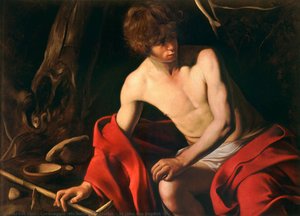


K Caravaggio
Judith Beheading Holofernes (detail)
() ·
With its frame: · Hand-painted in oil on linen
Total