


 Zobacz w skali 1:1
 Wyślij
 Udostępnij
 Szczegóły
 Przewodnik

 Pobierz plik obrazu
 Podobne obiekty
 RTG
RTG Pokaz slajdów
 Statystyki
Maria Immaculata
 Oil On Canvas
- WallArt
- Baroque Classicizing Style
 1688
1688 181.0 x 128.0 cm
 Galeria Obrazów Sanssouci
Marvel at 'Maria Immaculata' by Carlo Maratta! This stunning Baroque masterpiece depicts the Virgin Mary with angels, showcasing exquisite detail and classicizing style from 1688. A timeless work of art.
 Czytaj więcej
Poznaj Karola Maratti (1625-1713), włoskiego mistrza baroku klasycystycznego, znanego z obrazów religijnych i fresków zamówionych przez sześciu papieży! Eksponaty dostępne na platformach takich jak TopImpressionists.
Ręcznie malowana reprodukcja olejowa
Ręcznie malowany obraz olejny na płótnie, wykonany na zamówienie przez naszych artystów w wybranym przez Ciebie wymiarze i oprawie. ( Przełącz na wersję drukowaną Przełącz na wersję cyfrową)




P118B zł10

P118H zł10

P118W zł10

P438Z zł10

P508JH zł12

P508YH zł12

P805H zł10

P805Z zł10

P919BZ zł10

P919G zł10

P919XJ zł10

P959ZH zł10

P968JZ zł12

W106C zł8

W218G zł10

W218JH zł8

W218Y zł10

W307PJ zł10

W316G zł10

W316PJ zł8

W316Y zł10

W398PJ zł8

W4111J zł10

W500HY zł15

W500JH zł15

W692G zł12

W849H zł8

W940BG zł15

W953PJ zł8




Standardowy
na zamówienie
CM
INCH
Wybierz spośród naszych standardowych rozmiarów, które zachowują oryginalne proporcje dzieła sztuki.
Loading sizes...

szerokość
wysokość
Wpisz wymaganą szerokość i wysokość, aby obraz pasował do Twojej ramy lub ściany. Ponieważ jest to dzieło malowane ręcznie, w przypadku rozmiaru o innym proporcji artysta może domalować nieco więcej wokół obrazu lub przyciąć fragmenty — wybór należy do Ciebie. Przed rozpoczęciem pracy prześlemy Ci cyfrową wizualizację do zatwierdzenia. Obraz widoczny na tej stronie nie przedstawia rzeczywistego efektu — jedynie wizualizacja oddaje realny rezultat.
Przykłady możliwych zmian: Zamień twarz na zdjęcie klienta; Dodaj zwierzę domowe (np. zamień kota na psa); Ukryj wiadomość w tle; Zmień krajobraz lub elementy tła.
Po złożeniu zamówienia zespół TopImpressionists.com skontaktuje się z klientem drogą mailową w celu uzyskania instrukcji i prześle wizualizację projektu
Po złożeniu zamówienia zespół TopImpressionists.com skontaktuje się z klientem drogą mailową w celu uzyskania instrukcji i prześle wizualizację projektu
Dostawa na całym świecie () w ciągu 3–4 tygodni zamiast standardowych 5 tygodni. (25 Październik). Bez kompromisów w kwestii jakości.

Bezpłatna ekspresowa wysyłka na cały świat

Wysokiej jakości płótno lniane

Pełne ubezpieczenie transportowe

Gwarancja zwrotu należności celnych i podatków importowych

Gwarancja idealnego odwzorowania barw

100-dniowy okres na zwrot dzieła w przypadku wykrycia wad produkcyjnych

Gwarancja 100% zwrotu pieniędzy

Oferta przy zakupie wielu sztuk
 Opcja ze szkłem jest dostępna wyłącznie w rozmiarach poniżej 110 cm

Maria Immaculata
Technika wykonania
Rozmiar reprodukcji
-


Suma do zapłaty
zł 1032
A Divine Embrace: Exploring the Baroque Majesty of Maria Immaculata
Carlo Maratta’s “Maria Immaculata,” painted in 1688, isn't merely a depiction of the Virgin Mary; it’s a carefully constructed tableau of faith, grace, and the burgeoning classical ideals of the late Baroque period. The painting immediately draws the viewer into a scene brimming with serene beauty – a testament to Maratta’s mastery of light, composition, and his deep understanding of religious iconography. The work transcends simple portraiture, offering a glimpse into a world where divine presence is palpable, inviting contemplation on themes of motherhood, purity, and spiritual devotion.
Maratta, a pivotal figure in Roman art after the Mannerist style, skillfully blended the emotional intensity of the Baroque with a newfound emphasis on clarity and balance. He was deeply influenced by Andrea Sacchi, his mentor, who instilled within him a reverence for classical forms and a restraint that tempered the dramatic flourishes characteristic of earlier Baroque painters. This influence is evident in “Maria Immaculata” – the figures are rendered with elegant poise, their gestures refined and harmonious, creating an atmosphere of dignified serenity. The color palette is rich yet controlled, dominated by deep blues and golds, evoking a sense of majesty and spiritual depth.
- Subject & Composition: At the heart of the painting stands Mary, presented as a figure of profound grace and maternal tenderness. She cradles the infant Jesus, his face radiating an innocent beauty. Surrounding them are a host of angels – one hovering above her head, another descending from the heavens, and two more positioned on either side, acting as silent witnesses to this sacred moment. The composition is meticulously balanced, drawing the eye towards Mary’s central position while subtly guiding it through the intricate arrangement of figures and architectural elements.
- Technique & Style: Maratta's brushwork is remarkably smooth and polished, indicative of his meticulous attention to detail. He employs sfumato – a technique borrowed from Leonardo da Vinci – to soften edges and create an ethereal quality, particularly around Mary’s face and the infant Jesus. The use of gold leaf adds a luminous sheen to the garments and halos, further enhancing the painting's sense of grandeur.
- Historical Context: Painted in 1688, “Maria Immaculata” reflects the Counter-Reformation’s emphasis on religious art as a tool for spiritual instruction and inspiration. The Catholic Church actively commissioned artworks that reinforced its doctrines and promoted piety among the faithful. The depiction of Mary as Immaculate – signifying her sinless conception – was a key theological concept during this period, emphasizing her unique role in salvation history.
Symbolism Woven into Sacred Space
Beyond its immediate beauty, “Maria Immaculata” is laden with symbolic meaning. The angels themselves represent divine messengers and protectors, embodying the grace and guidance offered by God’s presence. Mary's pose – her hand gently shielding the infant Jesus – symbolizes protection, nurturing, and the safeguarding of faith. The architectural setting, though somewhat simplified, evokes a sense of heavenly space, suggesting the sacredness of this encounter. The inclusion of light is particularly significant; it emanates from Mary and the Christ Child, illuminating the scene and symbolizing divine grace.
Notably, the painting’s composition echoes classical ideals of harmony and proportion, reflecting Maratta's commitment to a refined aesthetic rooted in antiquity. The arrangement of figures creates a pyramidal structure, a compositional device frequently employed by Renaissance artists to convey stability and balance.A Legacy of Baroque Elegance
Carlo Maratta’s “Maria Immaculata” stands as a remarkable example of the Roman Baroque at its most refined. It showcases his ability to seamlessly blend technical mastery with profound spiritual insight, creating an artwork that continues to resonate with viewers centuries later. The painting's enduring appeal lies not only in its aesthetic beauty but also in its capacity to evoke feelings of reverence, peace, and a deep connection to the timeless themes of faith and motherhood. Reproductions of this masterpiece offer a chance to bring this serene vision into any space, fostering contemplation and reminding us of the profound beauty found within religious art.
Further Research: For more information about Carlo Maratta and “Maria Immaculata,” explore resources such as the TopImpressionists website (https://TopImpressionists.com/carlo-maratta-maria-immaculata) and Wikipedia’s entry on Carlo Maratta (https://en.wikipedia.org/wiki/Carlo_Maratta).
Pytania i odpowiedzi
Jakie emocje budzą kolory w „Maria Immaculata” autorstwa Carlo Maratta?
Paleta Earthy dzieła „Maria Immaculata” autorstwa Carlo Maratta współgra z jego Tranquil wydźwiękiem emocjonalnym. Kolor jest jednym ze sposobów, w jakie praca przekazuje uczucia.
Gdzie mogę znaleźć statystyki dotyczące „Maria Immaculata” autorstwa Carlo Maratta?
Statystyki dotyczące „Maria Immaculata” autorstwa Carlo Maratta znajdują się na stronie Statystyki dzieła: obejmują one miesięczną liczbę odwiedzin danego dzieła, wizyty przy pracach artysty oraz podział ostatnich odwiedzających według krajów i języków.
Jaki nastrój ma "Maria Immaculata"?
Nastrój dzieła „Maria Immaculata” autorstwa Carlo Maratta opisuje się jako Calm. Klasyfikacja ta może pomóc w dopasowaniu pracy do konkretnego wnętrza.
Biografia artysty
Rzymski mistrz baroku klasycystycznego
Carlo Maratta, często znany jako Maratti, to postać kluczowa dla włoskiego malarstwa XVII wieku, stanowiąca żywy pomost między pełnym przepychu dojrzałym barokiem a bardziej wyrafinowaną, inspirowaną antykiem estetyką. Urodzony 15 maja 1625 roku w Camerano, w obrębie Państwa Kościelnego – dzisiejszych Włoch – rozpoczął swoją artystyczną wędrówkę od przeprowadzki do Rzymu w wieku zaledろ lat. Ta zmiana miejsca zamieszkania okazała się przełomowa, gdyż otworzyła mu drzwi do pracowni Andrea Sacchi, malarza słynącego z umiarkowanych kompozycji i głębokiego przywiązania do ideałów klasycznych. Wpływ Sacchi w sposób fundamentalny ukształtował rozwijający się styl Maratty, zaszczepiając w nim dążenie do klarowności, równowagi oraz powściągliwego emocjonalizmu, który odróżniał go od bardziej ekstrawaganckich współczesnych mu twórców baroku. Ta nauka nie była jedynie technicznym szkoleniem; było to zanurzenie w filozoficznym podejściu do sztuki, stawiającym rygor intelektualny i harmonijny projekt ponad teatralny spektakl. Maratta przyswoił te zasady, lecz nie zamknął się wyłącznie w ich granicach, wykazując niezwykłą zdolność do syntezy klasycznych fundamentów z dominującymi nurtami barokowej wrażliwości.Rozkwit kariery w Rzymie
Talent Maratty rozkwitł niezwykle szybko, a już w połowie lat 50. XVII wieku zaczął przyciągać znaczące zamówienia. Jego wczesne dzieła, takie jak Nawiedzenie (1656) dla Santa Maria della Pace, ujawniają mistrzowską władzę nad światłem i ruchem, połączoną z rodzącą się zdolnością do nasycania scen religijnych namacalnym poczuciem duchowej głębi. Nie był on jedynie naśladowcą ustalonych wzorców; tchnął w nie własną, unikalną wizję, charakteryzującą się pełnymi wdzięku postaciami, eleganckimi draperiami oraz subtelnym, a zarazem potężnym operowaniem kolorem. W tym okresie powstało również Objawienie Tajemnicy Trójcy św. Augustynowi (ok. 1655), dzieło będące doskonałym przykładem jego umiejętności balansowania między klasycznym idealizmem a barokowym dynamizmem. Wraz ze wzrostem sławy, rosła także skala i prestiż jego zleceń. Stał się ulubionym artystą wpływowych rzymskich rodów, a co najważniejsze – samego papiestwa. Przez sześć dekady Maratta cieszył się mecenatem nie mniejszej liczby niż sześciu papieży, co stanowi świadectwo jego artystycznej biegłości i politycznego wyczucia. Ta niezmienna wsparcie ze strony Stolicy Apostolskiej nie tylko zapewniło mu bezpieczeństwo finansowe, ale także umieściło go w samym sercu rzymskiego życia artystycznego i kulturalnego.Synteza stylów i wpływów
Styl Maratty często określa się mianem „baroku klasycystycznego”, co doskonale oddaje jego wyjątkową pozycję w krajobrazie historii sztuki. Choć głęboko zakorzeniony w tradycji klasycznej wywodzącej się od Rafaela, nie był on odporny na wpływ bardziej teatralnych tendencji baroku. Jego współczesny, Giovanni Bellori, dostrzegł tę syntezę, dokumentując podejście artystyczne Maratty we wczesnej biografii. Artysta po mistrzowsku integrował dramatyczne użycie światłocienia, charakterystyczne dla malarstwa barokowego, z klarownością formy i kompozycyjną równowagą preferowaną przez klasyków. Ta fuzja zaowocowała dziełami, które były jednocześnie angażujące emocjonalnie i satysfakcjonujące intelektualnie. Jego paleta, choć żywa, często pozostawała powściągliwa, przedkładając harmonijne relacje kolorystyczne nad gwałtowne kontrasty. Doskonale radził sobie z przedstawianiem narracji religijnych, nasycając je poczuciem czci i duchowej intensywności. Zjawienie się Matki Bożej św. Filipowi Neri (ok. 1675), znajdujące się obecnie w Palazzo Pitti we Florencji, jest doskonałym przykładem jego zdolności do interpretowania takich tematów z gracją i głębokim rezonansem emocjonalnym.Poza malarstwo: Restauracja i dziedzictwo
Wkład Maratty wykraczał poza tworzenie nowych dzieł; powierzono mu również zadanie ochrony artystycznego dziedzictwa Rzymu. W latach 1702–1703 Innocenty XI mianował go surintendent des chambres du vatican i powierzył mu naprawę fresków Rafaela w watykańskich Stanze – odpowiedzialność, która podkreślała jego status jako czołowego autorytetu w dziedzinie sztuki klasycznej. Podjęcie tego zadania nie było jedynie kwestią technicznej renowacji; był to akt czci wobec jednego z największych skarbów Włoch, powierzony mistrzowi, który w pełni rozumiał jego wagę. Maratta pracował płodnie aż do śmierci w Rzymie 15 grudnia 1713 roku, pozostawiając po sobie ogromny i wpływowy dorobek. Jego dziedzictwo jako mistrza późnobarokowego maniery klasycystycznej przetrwało przez cały XVIII wiek, inspirując kolejne pokolenia artystów poprzez nacisk na klarowność, równowagę i harmonijną kompozycję. Dziś jego obrazy można odnaleźć w muzeach na całym świecie, co sprawia, że jego artystyczna wizja nieustannie inspiruje i zachwyca odbiorców.Kluczowe dzieła i trwały wpływ
- Apollo ścigający Dafne: Dynamiczne przedstawienie mitu klasycznego, ukazujące kunszt Maratty w oddawaniu ruchu i emocji.
- Adoracja Trzech Króli (w girlandzie): Bogato szczegółowa kompozycja, będąca przykładem jego mistrzostwa w operowaniu kolorem i formą.
- Adoracja Pasterzy: Barokowe arcydzieło z 1690 roku, cenione za boską symbolikę i dynamiczną aranżację.
- Nawiedzenie: Wczesne dzieło demonstrujące rodzący się talent Maratty do operowania światłem i ruchem w kontekście religijnym.
- Objawienie Tajemnicy Trójcy św. Augustynowi: Przekonujący przykład jego zdolności do łączenia klasycznego idealizmu z elementami barokowymi.

Carlo Maratta
1625 - 1713 , Włochy
Najważniejsze informacje
- Artistic Movement Or Style: Barok klasycystyczny
- Artists Or Movements Influenced By This Artist: ['Rafael Santi']
- Artists Who Influenced This Artist: ['Andrea Sacchi']
- Date Of Birth: 18 maja 1625
- Date Of Death: 15 grudnia 1713
- Full Name: Carlo Maratta
- Nationality: Włoski
- Notable Artworks:
- Apollo Chasing Daphne
- Adoracja Magi
- Adoracja Pastuszy
- Place Of Birth: Camerano, Marche
Zobacz także powiązane artykuły

Dramatyczny Rozkwit Baroku: Dziedzictwo Sztuki Kontrreformacji i Mistrzowie Chiaroscuro
Odkryj dramatyczny świat baroku! Poznaj historię sztuki kontrreformacji, mistrzów chiaroscuro i weneckich arcydzieł. Reprodukcje najwyższej jakości na TopImpressionists.com.

Baroque Classicism: The Grandeur of Order and Drama in 17th-Century Art History
Explore the profound elegance of Baroque Classicism. Discover how 17th-century masters synthesized dramatic emotion with classical order through the lens of the Counter-Reformation and the works of legends like Carlo Maratta and Andrea Sacchi.

Barokowy Dramat we Wnętrzach: Sztuka Przepychu i Elegancji w Twoim Domu
Odkryj świat barokowego przepychu! Porady ekspertów jak wprowadzić elegancję i dramat do Twojego wnętrza. Inspiracje, charakterystyka stylu i praktyczne wskazówki.

The Visceral Stage: Exploring Dramatic Narratives & Emotional Intensity in Baroque Art
Explore the dramatic world of Baroque art! Discover iconic masters like Caravaggio & Rembrandt, their techniques, and the movement's lasting impact. Expert insights for collectors & enthusiasts at TopImpressionists.
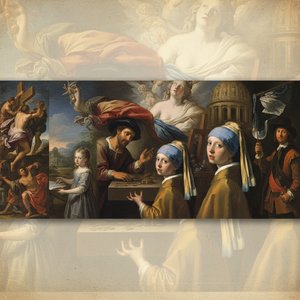
Barokowe arcydzieła: 10 obrazów, które zdefiniowały epokę | TopImpressionists.com
Odkryj 10 arcydzieł baroku! Caravaggio, Rembrandt, Rubens i inni artyści, którzy zdefiniowali epokę. Poznaj historie, techniki i inspiracje tych niezwykłych obrazów. Reprodukcje najwyższej jakości na TopImpressionists.com – idealne do Twojego wnętrza!
Odkryj dzieła sztuki uporządkowane według tematów, stylów i cech charakterystycznych.
