
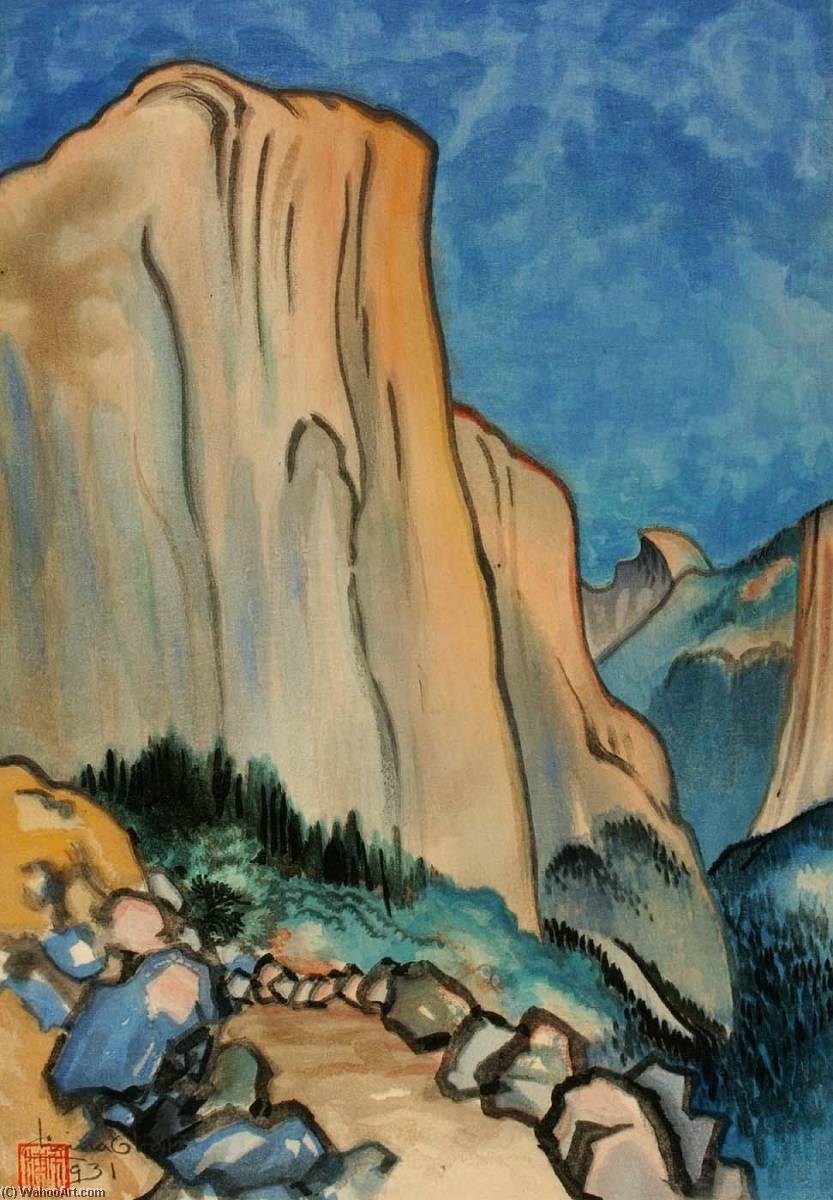
Shown: · With its frame:
 Podgląd w skali 1:1
 Wyślij jako kartkę
 Udostępnij
 Szczegóły dzieła
 Przewodnik

 Pobierz obraz
 Podobne obiekty
 RTG
RTG Pokaz slajdów
 Q&A
Q&A Statystyki
 1931
1931 40.0 x 28.0 cm
zł 1045
Ręcznie malowana reprodukcja olejowa
Ręcznie malowany obraz olejny na płótnie, wykonany na zamówienie przez naszych artystów w wybranym przez Ciebie wymiarze i oprawie. ( Przełącz na wydania drukowane Przejdź do wersji cyfrowej)
Ten utwór podlega ochronie prawem autorskim
Dzieło sztuki prezentowane na tej stronie podlega ochronie prawem autorskim, co oznacza, że nie mamy prawa do tworzenia ani sprzedaży jego identycznej reprodukcji. Ochrona ta jest egzekwowana na mocy umów międzynarodowych, takich jak Konwencja berneńska oraz przez przepisy prawa krajowego, w tym te określone w Prawo autorskie USA – Tytuł 17.
Jako pełną szacunku i legalną alternatywę oferujemy personalizowane, malowane ręcznie dzieła sztuki inspirowane oryginałem. Nasi wykwalifikowani i profesjonalni artyści starannie analizują styl, nastrój oraz artystyczną esencję pierwowzoru, aby stworzyć nowe, unikalne dzieło, które przywołuje te same emocje – pozostając jednocześnie w pełni oryginalną kreacją.
Metoda ta jest w pełni zgodna z przepisami prawa autorskiego, ponieważ nie polega na kopiowaniu ani powielaniu chronionego dzieła. Stanowi ona kreatywną reinterpretację – nowy obraz, który czerpie inspirację z oryginału, ale nie jest z nim tożsamy.
 Dowiedz się więcej
Size
·Standardowy format
personalizowane
CM
INCH
Wybierz spośród naszych standardowych rozmiarów, które zachowują oryginalne proporcje dzieła sztuki.
Loading sizes...

szerokość
wysokość
Wpisz wymaganą szerokość i wysokość, aby obraz pasował do Twojej ramy lub ściany. Ponieważ jest to dzieło malowane ręcznie, w przypadku rozmiaru o innych proporcjach artysta może domalować nieco więcej wokół obrazu lub przyciąć jego fragmenty — wybór należy do Ciebie. Przed rozpoczęciem pracy prześlemy Ci cyfrową wizualizację do zatwierdzenia. Obraz widoczny na tej stronie nie przedstawia rzeczywistego efektu — jedynie wizualizacja oddaje realny rezultat.
Finish
·
White zł1

Blurside zł1

Extended zł1

P118B zł10

P118H zł10

P118W zł10

P438Z zł10

P508JH zł12

P508YH zł12

P805H zł10

P805Z zł10

P919BZ zł10

P919G zł10

P919XJ zł10

P959ZH zł10

P968JZ zł12

W106C zł8

W218G zł10

W218JH zł8

W218Y zł10

W307PJ zł10

W316G zł10

W316PJ zł8

W316Y zł10

W398PJ zł8

W4111J zł10

W500HY zł15

W500JH zł15

W692G zł12

W849H zł8

W940BG zł15

W953PJ zł8

H24-GOLD zł30

H24-SILVER zł30

H36-GOLD zł45

H36-SILVER zł45
Shipped in a protective tube, ready for your own framer.
Above 105 cm the frame is shipped as a kit for a professional framer — read the details.
Extras
optionalWhat do the extras include?
Examples of what can be changed: Replace face with customer photo; Add pet (e.g., replace cat with dog); Include hidden message in background; Change background landscape or elements.
After order, TopImpressionists.com team will email client for instructions and provide a mockup preview
After order, TopImpressionists.com team will email client for instructions and provide a mockup preview
Dostawa na całym świecie () w ciągu 3–4 tygodni zamiast standardowych 5 tygodni. (31 Październik). Bez kompromisów w kwestii jakości.
Lakier ochronny
Etykieta obiektu
Szczegóły grawerowanej brązowej tabliczki
This elegant plaque features the artist's name and the title of the artwork, finely engraved for a timeless presentation.
It is made from bronze with a refined, elegant finish. The text is precisely laser-engraved for a sharp and permanent result. Measuring 9x2 cm, the plaque is compact yet easy to read. It's built to be durable and scratch-resistant, offering a professional, museum-quality look. Mounting is simple thanks to the included adhesive backing.
Szczegóły przezroczystej tabliczki akrylowej
The plaque includes essential engraved details such as the artist's name, the title of the artwork, the date it was created, the type of media used-like oil on canvas or watercolor-a brief description of the piece, and a QR code that links to the complete artwork information.
It is crafted from clear acrylic, offering a sleek, modern appearance. The text is UV-engraved in black to ensure strong visual contrast. With a size of 10x15 cm, it ensures optimal readability. It comes equipped with two metal hooks for secure wall mounting. The plaque is designed to be weather-resistant, making it suitable for various environments, and it includes interactive features that work seamlessly with smartphone scanning.
Szczegóły czarnej tabliczki akrylowej
This elegant plaque includes engraved information such as the artist's name, the title of the artwork, the date it was created, the type of media used (like oil on canvas or watercolor), a short description of the artwork, and a QR code for quick access to more information.
The plaque itself is made from refined black acrylic with a premium finish. The text is laser-engraved in white for high contrast and readability. Its size is 10x15 cm, designed to be easy to read. It comes with two metal hooks for professional mounting. The design is sleek and fits any interior style. It is also weather-resistant and durable, with built-in digital integration for mobile compatibility.
Opcja ze szkłem jest dostępna wyłącznie w rozmiarach poniżej 110 cm
 Opcja ze szkłem jest dostępna wyłącznie w rozmiarach poniżej 110 cm
- Bezpłatna ekspresowa wysyłka na cały świat
- Wysokiej jakości płótno lniane
- Pełne ubezpieczenie przesyłki
- Gwarancja zwrotu należności celnych i podatków importowych
- Gwarancja wiernego odwzorowania kolorów
- 100-dniowa polityka zwrotów (tylko w przypadku wad)
- Gwarancja 100% zwrotu pieniędzy
- Zniżka przy zakupie wielu sztuk


Biografia artysty
Chiura Obata (1885-1975): Znany amerykański malarz japońsko-amerykański, profesor UC Berkeley i mistrz sumi-e. Znany z krajobrazów Kalifornii oraz sztuki stworzonej podczas internowania II wojny światowej.
About the painting
Quick facts and art quiz
About Chiura Obata

Chiura Obata
1952 - 1975, Japonia
Biografia artysty
Chiura Obata: A Life Bridging Worlds
Chiura Obata’s journey was one of remarkable resilience and artistic synthesis, a testament to the power of cultural exchange and the enduring spirit of creativity even in the face of adversity. Born Zoroku Sato in 1885 in Okayama Prefecture, Japan, his early life was steeped in tradition. At the age of seven, he was adopted by his older brother, Rokuichi, an artist himself, initiating a formal artistic education in the delicate art of sumi-e – Japanese ink painting. This foundational training instilled within him not just technical skill but also a deep reverence for nature and a philosophical approach to art that would permeate his entire career. Though initially steered towards a military path by his brother, Obata’s spirit yearned for artistic freedom, leading him at fourteen to leave home and pursue studies in Tokyo under masters like Tanryo Murata, Kogyo Terasaki, and Gaho Hashimoto. These years were crucial, exposing him not only to the nuances of Japanese aesthetics but also to burgeoning Western influences that would later shape his unique style. In 1903, a young Obata embarked on a new chapter, immigrating to the United States with aspirations of studying American art before continuing his journey in Europe – a path that ultimately led him to settle and flourish in San Francisco.Early Life and Artistic Foundations
Obata’s formative years were marked by a profound engagement with Japanese artistic traditions. From the age of five, he received instruction in sumi-e from Rokuichi Sato, his adoptive brother—a master painter who instilled within him not merely technical proficiency but also an unwavering appreciation for the beauty of natural landscapes and the meditative qualities of ink painting. This dedication to sumi-e would become a cornerstone of Obata’s artistic practice throughout his life, informing his distinctive style and shaping his worldview. Recognizing Obata's talent, Rokuichi encouraged him to pursue formal studies in Tokyo, where he apprenticed under prominent instructors like Tanryo Murata, Kogyo Terasaki, and Gaho Hashimoto—artists who exposed him to both Japanese artistic conventions and emerging Western ideas. These experiences broadened Obata’s intellectual horizons and solidified his conviction that art could serve as a conduit for understanding the world around him.The Influence of Yosemite and Artistic Transformation
A pivotal moment in Obata’s artistic development arrived in 1927 when he undertook a sketching tour of Yosemite National Park—a journey that would profoundly alter his creative trajectory. Captivated by the grandeur of the Sierra Nevada mountains, Obata was inspired to translate their majesty onto canvas and woodblock prints. This experience ignited within him an ardent passion for capturing the sublime beauty of nature—a fascination that would fuel his lifelong artistic endeavors. He meticulously documented Yosemite’s vistas with pencil, watercolor, and sumi ink, producing approximately one hundred sketches during his six-week expedition. These drawings served as a springboard for Obata's subsequent artistic explorations, demonstrating his ability to synthesize Eastern and Western aesthetic sensibilities—a hallmark of his distinctive style.Establishing the East West Art Society and Artistic Collaboration
Driven by a desire to foster cross-cultural dialogue among artists, Obata co-founded the East West Art Society in San Francisco in 1932—an organization that brought together practitioners from diverse backgrounds and traditions. Through this collective endeavor, Obata championed the importance of artistic exchange and encouraged experimentation with new techniques and styles—reflecting his belief that art could transcend cultural boundaries. Furthermore, Obata collaborated closely with fellow artists, sharing insights and inspiring innovation within the Society’s ranks. This spirit of collaboration underscored Obata's conviction that creativity flourished when nurtured by interaction and mutual understanding.World War II Internment and Artistic Resilience
The outbreak of World War II dramatically reshaped Obata’s life—bringing about an abrupt interruption to his artistic pursuits and subjecting him and his family to the injustices of wartime internment. Following Pearl Harbor, Obata and thousands of Japanese Americans were forcibly relocated to detention centers and later to camps across the American West—a traumatic experience that nevertheless galvanized Obata's determination to maintain his artistic practice. Remarkably, he established an art school within Topaz Relocation Center—providing a creative outlet for fellow detainees and offering instruction in over twenty-five subjects—demonstrating extraordinary resilience and reaffirming the transformative power of art even under oppressive circumstances. This initiative underscored Obata’s unwavering belief that creativity could endure amidst adversity—a testament to his spirit and artistic legacy. ## Legacy and Enduring Influence Chiura Obata’s artistic contributions extended far beyond his individual creations—leaving an indelible mark on American art history and inspiring generations of artists. His masterful command of sumi-e combined with Western landscape painting techniques resulted in a uniquely expressive style that captured the essence of California’s wilderness while honoring Japanese aesthetic traditions. Moreover, Obata's role as a teacher and cultural ambassador cemented his reputation as a visionary who championed artistic engagement and intercultural understanding—a legacy that continues to resonate today. His enduring influence can be seen in the works of countless artists who followed him—demonstrating the transformative power of creativity and the importance of preserving cultural heritage. Obata’s unwavering commitment to art, coupled with his profound empathy for human experience, solidified his place as one of America’s most distinguished artistic figures—a testament to the enduring spirit of innovation and compassion.Quick facts about Chiura Obata
- Artistic Movement Or Style: Sumi-e, Landscape
- Artists Who Influenced This Artist:
- Tanryo Murata
- Kogyo Terasaki
- Date Of Birth: November 18, 1885
- Date Of Death: October 6, 1975
- Full Name: Chiura Obata
- Nationality: Japanese-American
- Notable Artworks:
- Lake Mary
- Mono Crater
- Untitled Print Sleeve
- Place Of Birth: Okayama, Japan
Chiura Obata
El Capitán
() ·
With its frame: · Hand-painted in oil on linen
Total