

Shown: · With its frame:
 Podgląd w skali 1:1
 Wyślij jako kartkę
 Udostępnij
 Szczegóły dzieła
 Przewodnik

 Pobierz obraz
 Podobne obiekty
 RTG
RTG Pokaz slajdów
 Q&A
Q&A Statystyki


zł 1036
Ręcznie malowana reprodukcja olejowa
Ręcznie malowany obraz olejny na płótnie, wykonany na zamówienie przez naszych artystów w wybranym przez Ciebie wymiarze i oprawie. ( Przełącz na wydania drukowane Przejdź do wersji cyfrowej)
Size
·Standardowy format
personalizowane
CM
INCH
Wybierz spośród naszych standardowych rozmiarów, które zachowują oryginalne proporcje dzieła sztuki.
Loading sizes...

szerokość
wysokość
Wpisz wymaganą szerokość i wysokość, aby obraz pasował do Twojej ramy lub ściany. Ponieważ jest to dzieło malowane ręcznie, w przypadku rozmiaru o innych proporcjach artysta może domalować nieco więcej wokół obrazu lub przyciąć jego fragmenty — wybór należy do Ciebie. Przed rozpoczęciem pracy prześlemy Ci cyfrową wizualizację do zatwierdzenia. Obraz widoczny na tej stronie nie przedstawia rzeczywistego efektu — jedynie wizualizacja oddaje realny rezultat.
 Dowiedz się więcej
Finish
·
White zł1

Blurside zł1

Extended zł1

P118B zł10

P118H zł10

P118W zł10

P438Z zł10

P508JH zł12

P508YH zł12

P805H zł10

P805Z zł10

P919BZ zł10

P919G zł10

P919XJ zł10

P959ZH zł10

P968JZ zł12

W106C zł8

W218G zł10

W218JH zł8

W218Y zł10

W307PJ zł10

W316G zł10

W316PJ zł8

W316Y zł10

W398PJ zł8

W4111J zł10

W500HY zł15

W500JH zł15

W692G zł12

W849H zł8

W940BG zł15

W953PJ zł8

H24-GOLD zł30

H24-SILVER zł30

H36-GOLD zł45

H36-SILVER zł45
Shipped in a protective tube, ready for your own framer.
Above 105 cm the frame is shipped as a kit for a professional framer — read the details.
Extras
optionalWhat do the extras include?
Examples of what can be changed: Replace face with customer photo; Add pet (e.g., replace cat with dog); Include hidden message in background; Change background landscape or elements.
After order, TopImpressionists.com team will email client for instructions and provide a mockup preview
After order, TopImpressionists.com team will email client for instructions and provide a mockup preview
Dostawa na całym świecie () w ciągu 3–4 tygodni zamiast standardowych 5 tygodni. (29 Październik). Bez kompromisów w kwestii jakości.
Lakier ochronny
Etykieta obiektu
Szczegóły grawerowanej brązowej tabliczki
This elegant plaque features the artist's name and the title of the artwork, finely engraved for a timeless presentation.
It is made from bronze with a refined, elegant finish. The text is precisely laser-engraved for a sharp and permanent result. Measuring 9x2 cm, the plaque is compact yet easy to read. It's built to be durable and scratch-resistant, offering a professional, museum-quality look. Mounting is simple thanks to the included adhesive backing.
Szczegóły przezroczystej tabliczki akrylowej
The plaque includes essential engraved details such as the artist's name, the title of the artwork, the date it was created, the type of media used-like oil on canvas or watercolor-a brief description of the piece, and a QR code that links to the complete artwork information.
It is crafted from clear acrylic, offering a sleek, modern appearance. The text is UV-engraved in black to ensure strong visual contrast. With a size of 10x15 cm, it ensures optimal readability. It comes equipped with two metal hooks for secure wall mounting. The plaque is designed to be weather-resistant, making it suitable for various environments, and it includes interactive features that work seamlessly with smartphone scanning.
Szczegóły czarnej tabliczki akrylowej
This elegant plaque includes engraved information such as the artist's name, the title of the artwork, the date it was created, the type of media used (like oil on canvas or watercolor), a short description of the artwork, and a QR code for quick access to more information.
The plaque itself is made from refined black acrylic with a premium finish. The text is laser-engraved in white for high contrast and readability. Its size is 10x15 cm, designed to be easy to read. It comes with two metal hooks for professional mounting. The design is sleek and fits any interior style. It is also weather-resistant and durable, with built-in digital integration for mobile compatibility.
Opcja ze szkłem jest dostępna wyłącznie w rozmiarach poniżej 110 cm
 Opcja ze szkłem jest dostępna wyłącznie w rozmiarach poniżej 110 cm
- Bezpłatna ekspresowa wysyłka na cały świat
- Wysokiej jakości płótno lniane
- Pełne ubezpieczenie przesyłki
- Gwarancja zwrotu należności celnych i podatków importowych
- Gwarancja wiernego odwzorowania kolorów
- 100-dniowa polityka zwrotów (tylko w przypadku wad)
- Gwarancja 100% zwrotu pieniędzy
- Zniżka przy zakupie wielu sztuk


Opis obiektu
Biografia artysty
Poznaj Édouarda Maneta (1832-1883), prekursora impresjonizmu! Odkryj jego kontrowersyjne obrazy, wpływ na sztukę i życie artysty w Paryżu.
About the painting
A Moment of Parisian Introspection: Édouard Manet’s “The Smoker”
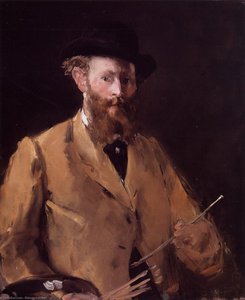
Édouard Manet's "The Smoker," painted in 1866, isn’t merely a portrait; it’s a distilled essence of late 19th-century Paris – a city brimming with contradictions, rapid change, and a burgeoning sense of modern alienation. This seemingly simple depiction of a man absorbed in the act of smoking offers a surprisingly complex glimpse into Manet's artistic philosophy and his deliberate rejection of academic tradition. The painting immediately draws the viewer in with its stark realism, yet beneath that surface lies a carefully constructed tableau laden with symbolic weight.
The subject himself is an enigmatic figure, seated before a modestly furnished table. His attire – a dark coat and hat – speaks to his bourgeois background, while the cigarette he holds represents a growing fascination with leisure and the burgeoning habit of smoking that was rapidly transforming Parisian society. Notice the deliberate lack of idealization; Manet presents the man as he is, unvarnished and undeniably present in the moment. The details are meticulously observed: the slight furrow of his brow, the way the light catches on his mustache, the subtle tension in his hands holding the cigarette. This commitment to direct observation was a radical departure from the prevailing artistic norms of the time, which prioritized idealized beauty and historical grandeur.
The Revolutionary Technique – A Dialogue with Caravaggio
Manet’s technique is equally revolutionary. He employs a loose, almost sketch-like approach, eschewing the smooth blending and meticulous detail favored by his academic contemporaries. This deliberate roughness creates a sense of immediacy and spontaneity, as if he were capturing the scene directly before him. Crucially, Manet was deeply influenced by the Baroque masters, particularly Caravaggio, whose dramatic use of light and shadow – *chiaroscuro* – he expertly emulated. The strong contrasts between light and dark sculpt the man’s face and hands, drawing attention to key features and imbuing the scene with a palpable sense of drama. The background is deliberately muted, almost dissolving into a hazy gray, further emphasizing the subject's presence and directing the viewer’s gaze solely upon him.
- Color Palette: Dominated by dark browns, grays, and blacks, punctuated by the warm glow of the light source.
- Brushwork: Loose and expressive, eschewing smooth blending in favor of visible brushstrokes that contribute to the painting’s immediacy.
- Composition: A carefully balanced arrangement that focuses attention on the central figure while subtly hinting at a larger narrative.
Symbolism and the Modern Condition
Beyond its technical brilliance, “The Smoker” is rich in symbolic meaning. The cigarette itself has become an enduring symbol of modernity – representing both pleasure and anxiety, contemplation and distraction. It’s a small, almost defiant act within a larger context of societal change. Consider the table behind him; it's not opulent or grand, reflecting the changing values of the era where comfort and practicality were gaining prominence over aristocratic display. The chair positioned to his right suggests a moment of respite, perhaps a brief escape from the pressures of urban life. Manet wasn’t simply painting a man smoking a cigarette; he was capturing a fleeting moment of introspection within the rapidly evolving landscape of modern Paris.
A Timeless Portrait – Perfect for Reproduction
Reproduced with meticulous attention to detail, “The Smoker” offers a captivating window into a pivotal moment in art history. TopImpressionists’s hand-painted reproductions faithfully recreate Manet's revolutionary style and evocative atmosphere, bringing this iconic image to life in your home or office. Whether you are an art enthusiast, a collector seeking a unique addition to your collection, or an interior designer searching for a sophisticated statement piece, this painting offers both historical significance and timeless beauty. The subtle nuances of Manet’s technique – the interplay of light and shadow, the expressive brushwork – are perfectly preserved in our reproductions, ensuring that you experience the full impact of this remarkable work of art.
Pytania i odpowiedzi
Czy "The Smoker" charakteryzuje się silnym kontrastem światłocienia?
Kontrast jasności w dziele "The Smoker" wynosi Serene. Kontrast określa stopień zróżnicowania między obszarami jasnymi a ciemnymi.
Czy kolory dzieła "The Smoker" są intensywne czy stonowane?
Kolorystyka dzieła "The Smoker" charakteryzuje się nasyceniem na poziomie Muted oraz intensywnością wynoszącą Monochromatic.
Co to za dzieło: "The Smoker"?
"The Smoker" to WallArt.
Quick facts and art quiz
About Édouard Manet

Édouard Manet
1832 - 1883, Francja
Biografia artysty
Paryski Buntownik: Życie i Sztuka Édouarda Maneta
Édouard Manet, urodzony w 1832 roku w zamożnej mieszczańskiej rodzinie Paryża, zdawałoby się, nie był skazany na los rewolucjonisty sztuki. Jego ojciec, szanowany sędzia, widział dla syna bezpieczną przyszłość w prawie lub marynarce – profesje godne ich pozycji społecznej. Jednak już jako chłopiec serce Maneta należało do malarstwa. W wieku jedenastu lat rozpoczął formalne lekcje rysunku, a choć krótko uczył się u akademickiego malarza Thomasa Couture’a, szybko uznał jego sztywne metody za duszace. Ta wczesna opozycja zapowiadała życie spędzone na kwestionowaniu artystycznych konwencji. Manet nie interesował się prostym odtwarzaniem przeszłości; pragnął uchwycić żywotność – a czasem niepokojącą rzeczywistość – współczesnego paryskiego życia. Często odwiedzał Luwr, nie tylko kopiując starych mistrzów, ale analizując ich techniki, ucząc się od artystów takich jak Caravaggio i Velázquez, jak światło i cień mogą rzeźbić formę i wywoływać emocje. Jednak to przesunięcie w prądach artystycznych, a zwłaszcza rozwój realizmu promowanego przez Gustave’a Courbeta, naprawdę rozpaliło twórczą ścieżkę Maneta. Nacisk Courbeta na przedstawianie codziennego życia bez idealizacji głęboko rezonował z Manetem, uwalniając go od ograniczeń tematów historycznych czy mitologicznych.Przełamywanie Tradycji: Skandal i Innowacja
Lata 60. XIX wieku to okres intensywnych przemian artystycznych w Paryżu, a Manet znalazł się w samym ich centrum. Pojawienie się japońskich grafik – *ukiyo-e* – głęboko wpłynęło na jego wrażliwość estetyczną. Urzekły go spłaszczone perspektywy, odważne kompozycje i uderzające użycie koloru, elementy które stały się znakiem rozpoznawczym jego własnego stylu. Ten wpływ, w połączeniu z narastającym odrzuceniem akademickiego poleru, doprowadził do powstania dzieł, które szokowały i skandalizowały paryski świat sztuki. Le Déjeuner sur l'herbe (Śniadanie na trawie), wystawione na Salonie Odtrąconych w 1863 roku – ekspozycji dla prac odrzuconych przez oficjalny salon – stało się punktem zapalnym kontrowersji. Obraz przedstawiający nagą kobietę swobodnie piknikującą z dwoma ubranych mężczyzn nie dotyczył samego nagości; chodziło o *sposób* prezentacji tej nagości. Postacie Maneta pozbawione były idealnych form i mitologicznego kontekstu tradycyjnych aktów. Były bezsprzecznie nowoczesne, konfrontując widza z niepokojącą bezpośredniością. Skandal wokół Le Déjeuner nasilił się wraz z jego arcydziełem z 1865 roku, Olympia. Ten obraz, celowa reinterpretacja *Wenus z Urbino* Tycjana, przedstawiał współczesną prostytutkę śmiało wpatrującą się w widza. Bezkompromisowy realizm i prowokacyjny temat spotkały się z powszechnym potępieniem. Krytycy oskarżali Maneta o wulgarność i artystyczną nieudolność, ale pod gniewem kryło się uznanie, że fundamentalnie zmienia język malarstwa.Pomost do Impresjonizmu: Światło, Pędzel i Współczesne Życie
Manet nigdy w pełni nie zaakceptował etykiety „impresjonisty”, ale jego wpływ na ten ruch był niezaprzeczalny. Dzielił ich odrzucenie akademickich konwencji i zaangażowanie w uchwycenie ulotnych efektów światła i atmosfery. Wystawiał wraz z Monetem, Renoirem, Degasem i innymi na niezależnych wystawach impresjonistów, umacniając swoją pozycję jako kluczowa postać awangardy. Technika Maneta ewoluowała w kierunku luźniejszego pędzla, priorytetowo traktując wrażenie formy nad precyzyjnym detalem. Eksperymentował z kolorem, często używając ostrych kontrastów, aby stworzyć dramatyczne efekty. Poza skandalizującymi aktami Manet eksplorował szeroki zakres tematów: portrety – w tym uderzające przedstawienia jego żony Suzanne i artysty Émile’a Zoli; sceny paryskiego nocnego życia, takie jak Bar w Folies-Bergère, które mistrzowsko oddaje alienację i spektakl współczesnego życia miejskiego; oraz intymne sceny domowe. Nie ograniczał się jedynie do dokumentowania tych tematów; badał je, kwestionując normy społeczne i podważając konwencjonalne pojęcia piękna.Dziedzictwo i Trwały Wpływ
Przedwczesna śmierć Édouarda Maneta w 1883 roku z powodu syfilisu przerwała karierę, która już na zawsze zmieniła bieg historii sztuki. Choć jego reputacja znacznie wzrosła po śmierci, jego wpływ był natychmiast odczuwalny przez młodszych artystów, którzy uznali go za wyzwoliciela. Przełamywał bariery, kwestionując tradycyjne pojęcia tematu, techniki i celu artystycznego. Jego nacisk na uchwycenie współczesnego życia utorował drogę impresjonizmowi i postimpresjonizmowi. Innowacyjne wykorzystanie pędzla i koloru wpłynęło na pokolenia malarzy. Gotowość do konfrontacji z niewygodnymi prawdami o społeczeństwie zmusiła widzów do zakwestionowania własnych założeń. Obrazy Maneta wciąż rezonują dziś nie tylko ze względu na swoją estetyczną piękność, ale także na ich trwałą aktualność. Pozostaje kluczową postacią w przejściu od realizmu do impresjonizmu i słusznie jest celebrowany jako jeden z ojców założycieli sztuki nowoczesnej – paryski buntownik, który ośmielił się malować świat takim, jakim go widział, ze wszystkimi jego złożonościami i sprzecznościami. Jego twórczość przypomina, że prawdziwa innowacja artystyczna często wiąże się z kwestionowaniem ustalonych norm i akceptacją niewygodnych prawd naszego czasu.Quick facts about Édouard Manet
- Artyści, Którzy Go Zainspirowali:
- Caravaggio
- Velázquez
- Courbet
- Artyści/Ruchy Inspirowane Nim:
- Monet
- Renoir
- Degas
- Data Urodzenia: 23 stycznia 1832
- Data Śmierci: 30 kwietnia 1883
- Miejsce Urodzenia: Paryż, Francja
- Narodowość: Francuz
- Pełne Imię I Nazwisko: Édouard Manet
- Ruch Artystyczny: Realizm, Impresjonizm
- Znane Dzieła:
- Śniadanie na trawie
- Olympia
- Bar w Folies-Bergère
Podobne dzieła




Odkryj dzieła sztuki uporządkowane według tematów, stylów i cech charakterystycznych.


Édouard Manet
The Smoker
() ·
With its frame: · Hand-painted in oil on linen
Total