

 Podgląd w skali 1:1
 Wyślij jako kartkę
 Udostępnij
 Szczegóły dzieła
 Przewodnik

 Pobierz obraz
 Podobne obiekty
 RTG
RTG Pokaz slajdów
 Q&A
Q&A Statystyki
Theodore Duret


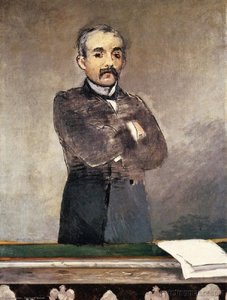
Captured in Manet’s Impressionistic style, this portrait depicts a dignified gentleman against a simple tabletop setting—a bold departure from academic tradition. Exploring themes of urban life and observation, Édouard Manet's masterpiece invites you to experience the beauty of modern Paris.
 Rozwiń treść
Poznaj Édouarda Maneta (1832-1883), prekursora impresjonizmu! Odkryj jego kontrowersyjne obrazy, wpływ na sztukę i życie artysty w Paryżu.
Otrzymaj plik gotowy do druku, którego jakość znacznie przewyższa podgląd internetowy. Każdy sprzedawany przez nas obraz cyfrowy pochodzi z wysokorozdzielczego pliku wzorcowego w naszej bazie — zazwyczaj o szerokości od 5 000 do 15 000 pikseli — dzięki czemu możesz drukować w dużym formacie, mocno kadrować lub z pełnym przekonaniem odwzorowywać najdrobniejsze detale.
Żaden plik nie opuszcza naszego studia bez odpowiedniej obróbki. Ekspert ds. cyfrowej edycji sprawdza zgodność kolorów z oryginałem i w razie potrzeby je koryguje, a następnie za pomocą profesjonalnych narzędzi do retuszu poprawia ostrość oraz szczegółowość — zawsze zachowując wierność pociągnięciom pędzla i stylowi artysty. Rezultatem jest obraz, który wygląda jak prawdziwe dzieło, a nie jak przefiltrowany skan.
Zatwierdzasz przed finalizacją zamówienia: nasz ekspert prześle obraz drogą mailową w ciągu 72 godzin do Twojego wglądu. Nie jesteś zadowolony? Poproś o poprawki lub korektę, bądź o zwrot kosztów, jeśli jakość nie spełnia oczekiwań.
To jakość, na której polegają wydawcy, studia projektowe, galerie oraz drukarnie.
Obraz cyfrowy
Pobierz plik o wysokiej rozdzielczości do osobistego użytku, druku oraz projektów kreatywnych. ( Przełącz na wydania drukowane Zamów ręcznie malowaną reprodukcję)
W każdym zamówieniu na obraz cyfrowy znajduje się
Profesjonalna dostawa cyfrowa z gwarancją
Wybierając TopImpressionists.com, nie otrzymujesz jedynie obrazu – otrzymujesz profesjonalnie udoskonalone cyfrowe dzieło sztuki, stworzone z najwyższą precyzją i objęte gwarancją satysfakcji. Oto wszystko, co automatycznie dołączane jest do Twojego zamówienia:

Błyskawiczna wysyłka e-mailowa
Plik z obrazem cyfrowym w wysokiej rozdzielczości zostanie przesłany na Twój adres e-mail w ciągu 72 godzin od złożenia zamówienia – gotowy do natychmiastowego użycia.

Plik cyfrowy wzbogacony przez AI
Twoja grafika została profesjonalnie zoptymalizowana przy użyciu zaawansowanych narzędzi AI oraz ręcznej edycji, co zapewnia maksymalną szczegółowość, klarowność i wierność kolorów.

Darmowe ponowne przesyłki dożywotnio
Przypadkowo usunąłeś lub zgubiłeś swój plik? Bez obaw – prześlemy go Tobie ponownie w dowolnym momencie, bez żadnych opłat.

Bez opłat importowych – zawsze
Ciesz się swoją sztuką natychmiast, bez żadnych opłat celnych, należności ani kosztów dostawy – pliki cyfrowe są zawsze wolne od podatku.

Gwarancja wierności kolorów
Dzięki zastosowaniu profesjonalnych narzędzi i procesów zarządzania barwą zapewniamy, że Twoje cyfrowe zdjęcie odzwierciedla oryginalne kolory tak wiernie, jak to tylko możliwe.

Gwarancja satysfakcji przez 100 dni
Jeśli nie będziesz zadowolony ze swojego cyfrowego obrazu, dokonamy jego poprawki lub zwrócimy 100% kosztów w ciągu 100 dni – bez zbędnych pytań.

100% Gwarancja zwrotu pieniędzy
Nie jesteś zadowolony? Otrzymaj pełny zwrot kosztów w ciągu 100 dni od otrzymania pliku cyfrowego – bez zbędnych pytań.

Rabaty przy zamówieniach hurtowych
Kup 3 obrazy, oszczędź 10% - Kup 5, oszczędź 15% - Kup 10+, oszczędź 20%. Idealne do projektów kreatywnych, galerii i agencji.
A Glimpse into Parisian Modernity
In the heart of 1868 Paris, amidst the burgeoning energy of a city on the precipice of radical change, Édouard Manet captured more than just a likeness; he captured an era. His portrait of Theodore Duret serves as a profound distillation of the anxieties and aspirations simmering beneath the surface of Belle Époque society. This is not merely a formal sitting of a prominent figure, but a carefully constructed window into a world where tradition was being dismantled by the raw, unvarnished truth of modern life. When one gazes upon this work, they are invited to step into a moment of quiet intensity, where the weight of history meets the fleeting essence of the present.
The subject, Theodore Duret, was far more than a mere sitter; he was a vital force in the art world—a journalist, critic, and one of the most fervent advocates for the Impressionist movement. Manet’s decision to portray him in such an informal, almost casual setting—seated beside a table laden with bottles—was a deliberate departure from the stiff, idealized portraiture favored by the academic establishment. There is a palpable sense of intimacy here, as if the viewer has stumbled upon a private moment in a Parisian café, witnessing the very man who would soon champion the revolution of light and color.
The Mastery of Impressionistic Technique
Technically, Theodore Duret stands as a testament to Manet’s role as a bridge between classical tradition and the radical energy of modern art. Eschewing the meticulous, smooth surfaces of his predecessors, Manet employed a loose, visible brushwork that breathes life into the canvas. This technique is particularly striking in the depiction of drapery and skin tones, where the paint seems to dance with a sense of immediacy and spontaneity. The artist prioritizes capturing atmospheric effects and the play of light over rigid anatomical precision, a hallmark of the burgeoning Impressionist style.
The palette is masterfully muted, relying on subtle tonal variations rather than jarring, vibrant colors to create depth and mood. This restraint allows the viewer to focus on the interplay of shadow and light, much like the works of the Old Masters Manet so deeply studied in the Louvre. The black of the subject's suit is not merely a flat pigment but a complex arrangement of dark tones that anchor the composition, providing a stark contrast to the softer, more ephemeral elements of the background. For the discerning collector or interior designer, this sophisticated use of tone offers a timeless elegance that integrates seamlessly into both classical and contemporary spaces.
Symbolism and Emotional Resonance
Beyond the technical brilliance lies a deeper layer of symbolism that speaks to the tension of the age. The presence of the bottles on the table serves as a subtle nod to the everyday realities of Parisian life, grounding the portrait in the tangible world of the senses. It strips away the heroic veneer often found in academic portraits, replacing it with a sense of modernity—the beauty found in the mundane and the unpolished. The man's posture, with one hand on his hip and the other holding his hat, suggests a character of confidence and perhaps a touch of defiance, mirroring Manet’s own rebellious spirit against the Salon.
For those seeking to adorn their homes with art that inspires conversation, this piece offers an unparalleled emotional impact. It evokes a sense of nostalgia for a lost Paris while simultaneously feeling strikingly fresh. To hang a high-quality reproduction of this masterpiece is to bring into one's environment a piece of history that refuses to be static. It is an invitation to contemplate the courage of the avant-garde and the enduring power of a single, well-captured moment in time.
Pytania i odpowiedzi
Kto stworzył "Theodore Duret" i w jakim roku?
"Theodore Duret" – autorstwa Édouard Manet, rok powstania: 1868.
Kto jest autorem dzieła "Theodore Duret"?
Autorstwo dzieła "Theodore Duret" przypisuje się Édouard Manet.
Gdzie mogę pobrać „Theodore Duret” – Édouard Manet?
Możliwość pobrania dzieła „Theodore Duret”: strona Pobierz plik cyfrowy oferuje wysokiej rozdzielczości cyfrowe zdjęcie do pobrania.
Podobne dzieła






Biografia artysty
Paryski Buntownik: Życie i Sztuka Édouarda Maneta
Édouard Manet, urodzony w 1832 roku w zamożnej mieszczańskiej rodzinie Paryża, zdawałoby się, nie był skazany na los rewolucjonisty sztuki. Jego ojciec, szanowany sędzia, widział dla syna bezpieczną przyszłość w prawie lub marynarce – profesje godne ich pozycji społecznej. Jednak już jako chłopiec serce Maneta należało do malarstwa. W wieku jedenastu lat rozpoczął formalne lekcje rysunku, a choć krótko uczył się u akademickiego malarza Thomasa Couture’a, szybko uznał jego sztywne metody za duszace. Ta wczesna opozycja zapowiadała życie spędzone na kwestionowaniu artystycznych konwencji. Manet nie interesował się prostym odtwarzaniem przeszłości; pragnął uchwycić żywotność – a czasem niepokojącą rzeczywistość – współczesnego paryskiego życia. Często odwiedzał Luwr, nie tylko kopiując starych mistrzów, ale analizując ich techniki, ucząc się od artystów takich jak Caravaggio i Velázquez, jak światło i cień mogą rzeźbić formę i wywoływać emocje. Jednak to przesunięcie w prądach artystycznych, a zwłaszcza rozwój realizmu promowanego przez Gustave’a Courbeta, naprawdę rozpaliło twórczą ścieżkę Maneta. Nacisk Courbeta na przedstawianie codziennego życia bez idealizacji głęboko rezonował z Manetem, uwalniając go od ograniczeń tematów historycznych czy mitologicznych.Przełamywanie Tradycji: Skandal i Innowacja
Lata 60. XIX wieku to okres intensywnych przemian artystycznych w Paryżu, a Manet znalazł się w samym ich centrum. Pojawienie się japońskich grafik – *ukiyo-e* – głęboko wpłynęło na jego wrażliwość estetyczną. Urzekły go spłaszczone perspektywy, odważne kompozycje i uderzające użycie koloru, elementy które stały się znakiem rozpoznawczym jego własnego stylu. Ten wpływ, w połączeniu z narastającym odrzuceniem akademickiego poleru, doprowadził do powstania dzieł, które szokowały i skandalizowały paryski świat sztuki. Le Déjeuner sur l'herbe (Śniadanie na trawie), wystawione na Salonie Odtrąconych w 1863 roku – ekspozycji dla prac odrzuconych przez oficjalny salon – stało się punktem zapalnym kontrowersji. Obraz przedstawiający nagą kobietę swobodnie piknikującą z dwoma ubranych mężczyzn nie dotyczył samego nagości; chodziło o *sposób* prezentacji tej nagości. Postacie Maneta pozbawione były idealnych form i mitologicznego kontekstu tradycyjnych aktów. Były bezsprzecznie nowoczesne, konfrontując widza z niepokojącą bezpośredniością. Skandal wokół Le Déjeuner nasilił się wraz z jego arcydziełem z 1865 roku, Olympia. Ten obraz, celowa reinterpretacja *Wenus z Urbino* Tycjana, przedstawiał współczesną prostytutkę śmiało wpatrującą się w widza. Bezkompromisowy realizm i prowokacyjny temat spotkały się z powszechnym potępieniem. Krytycy oskarżali Maneta o wulgarność i artystyczną nieudolność, ale pod gniewem kryło się uznanie, że fundamentalnie zmienia język malarstwa.Pomost do Impresjonizmu: Światło, Pędzel i Współczesne Życie
Manet nigdy w pełni nie zaakceptował etykiety „impresjonisty”, ale jego wpływ na ten ruch był niezaprzeczalny. Dzielił ich odrzucenie akademickich konwencji i zaangażowanie w uchwycenie ulotnych efektów światła i atmosfery. Wystawiał wraz z Monetem, Renoirem, Degasem i innymi na niezależnych wystawach impresjonistów, umacniając swoją pozycję jako kluczowa postać awangardy. Technika Maneta ewoluowała w kierunku luźniejszego pędzla, priorytetowo traktując wrażenie formy nad precyzyjnym detalem. Eksperymentował z kolorem, często używając ostrych kontrastów, aby stworzyć dramatyczne efekty. Poza skandalizującymi aktami Manet eksplorował szeroki zakres tematów: portrety – w tym uderzające przedstawienia jego żony Suzanne i artysty Émile’a Zoli; sceny paryskiego nocnego życia, takie jak Bar w Folies-Bergère, które mistrzowsko oddaje alienację i spektakl współczesnego życia miejskiego; oraz intymne sceny domowe. Nie ograniczał się jedynie do dokumentowania tych tematów; badał je, kwestionując normy społeczne i podważając konwencjonalne pojęcia piękna.Dziedzictwo i Trwały Wpływ
Przedwczesna śmierć Édouarda Maneta w 1883 roku z powodu syfilisu przerwała karierę, która już na zawsze zmieniła bieg historii sztuki. Choć jego reputacja znacznie wzrosła po śmierci, jego wpływ był natychmiast odczuwalny przez młodszych artystów, którzy uznali go za wyzwoliciela. Przełamywał bariery, kwestionując tradycyjne pojęcia tematu, techniki i celu artystycznego. Jego nacisk na uchwycenie współczesnego życia utorował drogę impresjonizmowi i postimpresjonizmowi. Innowacyjne wykorzystanie pędzla i koloru wpłynęło na pokolenia malarzy. Gotowość do konfrontacji z niewygodnymi prawdami o społeczeństwie zmusiła widzów do zakwestionowania własnych założeń. Obrazy Maneta wciąż rezonują dziś nie tylko ze względu na swoją estetyczną piękność, ale także na ich trwałą aktualność. Pozostaje kluczową postacią w przejściu od realizmu do impresjonizmu i słusznie jest celebrowany jako jeden z ojców założycieli sztuki nowoczesnej – paryski buntownik, który ośmielił się malować świat takim, jakim go widział, ze wszystkimi jego złożonościami i sprzecznościami. Jego twórczość przypomina, że prawdziwa innowacja artystyczna często wiąże się z kwestionowaniem ustalonych norm i akceptacją niewygodnych prawd naszego czasu.
Édouard Manet
1832 - 1883 , Francja
Krótka nota
- Artyści, Którzy Go Zainspirowali:
- Caravaggio
- Velázquez
- Courbet
- Artyści/Ruchy Inspirowane Nim:
- Monet
- Renoir
- Degas
- Data Urodzenia: 23 stycznia 1832
- Data Śmierci: 30 kwietnia 1883
- Miejsce Urodzenia: Paryż, Francja
- Narodowość: Francuz
- Pełne Imię I Nazwisko: Édouard Manet
- Ruch Artystyczny: Realizm, Impresjonizm
- Znane Dzieła:
- Śniadanie na trawie
- Olympia
- Bar w Folies-Bergère