Pracownia — Darmowa wysyłka na cały świat — Czas dostawy: 2–6 tygodni
Obraz ze zdjęcia Lista życzeń Koszyk
Podgląd w skaliPodgląd w skali Podgląd ARPodgląd AR Zamów ręcznie malowaną reprodukcję Zamów ręcznie malowaną reprodukcjęKup obraz wysokiej rozdzielczości Kup obraz wysokiej rozdzielczości Wyślij jako kartkęWyślij jako kartkę
Szczegóły dziełaSzczegóły dzieła Dodaj do ulubionych Dodaj do ulubionych PobierzPobierz Podobne obiektyPodobne obiekty RTGRTG Pokaz slajdówPokaz slajdów

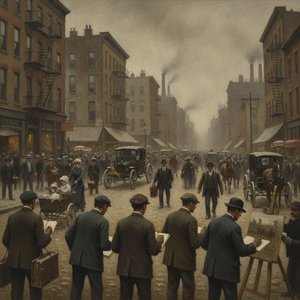
untitled (1164)

Experience the haunting beauty of Edward Hopper's 'untitled (1164)' – a masterful depiction of urban solitude and quiet contemplation bathed in subtle light. Explore its iconic imagery.

Edward Hopper – mistrz amerykańskiego realizmu, maluje samotność i miejski krajobraz z wyczarującym światłem i cieniem. Odkryj jego ikoniczne obrazy, takie jak Nighthawks!

Giclée / Wydruk artystyczny

Druk giclée lub płótno o jakości muzealnej, szybka realizacja i szeroki wybór opcji wykończenia. (Zamów ręcznie malowaną reprodukcję Zamów ręcznie malowaną reprodukcjęKup obraz wysokiej rozdzielczości Kup obraz wysokiej rozdzielczości)

P118B $10
P118H $10
P118W $10
P438Z $10
P508JH $12
P508YH $12
P805H $10
P805Z $10
P919BZ $10
P919G $10
P919XJ $10
P959ZH $10
P968JZ $12
W106C $8
W218G $10
W218JH $8
W218Y $10
W307PJ $10
W316G $10
W316PJ $8
W316Y $10
W398PJ $8
W4111J $10
W500HY $15
W500JH $15
W692G $12
W849H $8
W940BG $15
W953PJ $8

Standard
custom
CM
INCH

Wybierz spośród naszych standardowych rozmiarów, które zachowują oryginalne proporcje dzieła sztuki.

szerokość
wysokość

Możesz wprowadzić własne wymiary, aby dopasować dzieło do konkretnej ramy lub przestrzeni. Jeśli wybrany rozmiar nie będzie odpowiadał proporcjom oryginalnego obrazu, przytniecie dzieło lub rozszerzymy obraz za pomocą odbicia lustrzanego lub jednolitego wypełnienia krawędzi. Przed rozpoczęciem produkcji prześlemy cyfrową wizualizację do Twojej akceptacji.
Prosimy pamiętać, że podgląd na ekranie nie odzwierciedla faktycznego przycinania ani rozszerzania. Tylko wizualizacja dokładnie pokaże końcową kompozycję.
Mimo dostępności niestandardowych rozmiarów, zalecamy wybór wymiaru z listy zdefiniowanej, aby zachować oryginalne proporcje.

Dostawa na cały świat () w ciągu 2 tygodni zamiast standardowych 4/5 tygodni. (19 Sierpień)

why_choose_icon
Bezpłatna ekspresowa wysyłka na cały świat
why_choose_icon
Wysokiej jakości płótno lniane
why_choose_icon
Pełne ubezpieczenie przesyłki
why_choose_icon
Gwarancja zwrotu należności celnych i podatków importowych
why_choose_icon
Gwarancja wiernego odwzorowania kolorów
why_choose_icon
Polityka 60-dniowego zwrotu (tylko w przypadku wad)
why_choose_icon
Gwarancja 100% zwrotu kosztów
why_choose_icon
Zniżka przy zamówieniu wielu produktów

Suma całkowita

$ 69

reproduction

untitled (1164)

Giclée / Wydruk artystyczny

Wymiary reprodukcji

-

Cena całkowita

$ 69

Szybki podgląd

  • Artist: Edward Hopper
  • Movement: American Realism
  • Notable elements or techniques: Dramatic lighting; Precise observation
  • Artistic style: Realist
  • Subject or theme: Urban solitude; Domestic scene
  • Medium: Oil on Canvas

Quiz o sztuce

Do każdego pytania dotyczy tylko jedna poprawna odpowiedź.

Pytanie 1:
What is the predominant mood conveyed by Edward Hopper’s ‘untitled (1164)’?
Pytanie 2:
The image depicts a scene in which setting:
Pytanie 3:
What prominent element contributes to the atmosphere of isolation within the painting?
Pytanie 4:
Edward Hopper’s artistic style is characterized by:
Pytanie 5:
Which artist influenced Hopper's approach to realism during his formative years?

Opis kolekcjonerski

A Moment Frozen in Time: The Quietude of Hopper’s Vision

In the vast canon of American Realism, few works capture the profound weight of silence as effectively as Edward Hopper's "Untitled (1164)." This evocative piece serves as a distilled essence of the mid-century American urban experience, acting less as a mere depiction of a diner interior and more as a visual meditation on solitude and the unspoken connections that bind us. Captured through a lens of stark tonal contrasts, the painting presents two figures seated at a table bathed in diffused light. Their postures, heavy with a palpable stillness, speak volumes about the complexities of human interaction in an increasingly modern, fragmented world. To gaze upon this work is to step into a realm where time seems to suspend itself, inviting the viewer to linger in the quiet tension between presence and absence.

The composition is deceptively simple, yet it reveals a masterclass in spatial storytelling. Hopper expertly utilizes perspective to draw the observer deep into the room, simultaneously emphasizing the vast emptiness that surrounds the central couple. The strategic placement of chairs and tables—some clustered near the figures and others drifting into the periphery—creates a sense of spatial isolation that mirrors the emotional distance between the individuals present. A solitary potted plant offers a subtle touch of organic warmth against the cool, monochrome palette, while a single cup resting on the table serves as a poignant visual anchor, hinting at a recent interruption or perhaps the rhythmic, lonely routine of urban life.

Mastery of Light and the Texture of Solitude

Hopper’s signature aesthetic is defined by an unwavering commitment to realism, elevated by his poetic use of light and shadow. Eschewing flamboyant brushstrokes, he favored smooth, meticulous surfaces achieved through the delicate technique of glazing. By applying thin, translucent layers of paint over previous coats, Hopper achieved subtle gradations of tone that heighten the emotional impact of the image. This technical precision is most evident in the rendering of textures: the worn, tactile quality of the upholstery, the glossy, reflective surface of the tabletop, and the delicate, intricate foliage of the plant. These details ground the ethereal atmosphere in a tangible reality, making the loneliness of the scene feel all the more intimate.

For the discerning collector or interior designer, "Untitled (1164)" offers much more than mere decoration; it provides a focal point of profound psychological depth. The painting’s ability to evoke a sense of nostalgic melancholy makes it an extraordinary addition to any space seeking a touch of intellectual and emotional sophistication. Whether placed in a contemporary gallery setting or a quiet study, the work commands attention through its understated power. It is a piece that does not shout for recognition but rather waits to be discovered, rewarding the viewer with a deeper understanding of the beauty found within the most solitary of moments.


O artyście

A Solitude Observed: The Life and Art of Edward Hopper

Edward Hopper, a name inextricably linked to the quietude and subtle melancholy that permeated 20th-century American life, wasn’t simply a painter of scenes; he was a poet of light and shadow, a chronicler of modern isolation. Born in Nyack, New York, in 1882, to middle-class parents of Dutch ancestry, Hopper's early years provided a stable upbringing that nurtured his artistic inclinations. From childhood sketches meticulously dated and signed, it became evident that keen observation and an innate talent for drawing were central to his being. Though initially encouraged towards commercial illustration – a pragmatic suggestion from his parents – Hopper’s ambitions leaned toward fine art, leading him to the New York School of Art where he studied under William Merritt Chase and Robert Henri. These formative years instilled not only technical skill but also an appreciation for realism and a commitment to depicting the world as he saw it—unvarnished and honest. The writings of Ralph Waldo Emerson resonated deeply with Hopper, reinforcing his sense of individualism and acute observation – qualities that would become hallmarks of his artistic vision. Early travels to Paris exposed him to Impressionism, yet Hopper quickly diverged from its fleeting brushstrokes, forging a path uniquely his own.

Finding His Voice: Realism and the American Scene

Hopper’s artistic journey wasn't immediate or effortless. He grappled with discovering his distinctive voice, experimenting with various styles before settling into the realism that would define his career. This wasn’t mere replication of reality; it was a distillation of its essence, stripping away extraneous detail to reveal underlying emotional truths. His paintings began to focus on everyday scenes – houses, diners, offices, hotel rooms – imbued with a sense of stillness and often, loneliness. He possessed an extraordinary ability to capture the psychological states of his subjects, hinting at narratives without explicitly stating them. The precise rendering of light and shadow became crucial, not merely as descriptive elements but as emotional cues, creating atmospheres that were both captivating and unsettling. House by the Railroad (1925), an early masterpiece, exemplifies this approach—a seemingly simple composition radiating a profound sense of isolation and mystery. Hopper’s printmaking, often overlooked, ran parallel to his painting, sharing similar themes and stylistic qualities, demonstrating his mastery across mediums. He wasn't interested in grand historical narratives or allegorical symbolism; he focused on the mundane, elevating it through careful observation and emotional resonance.

Iconic Visions: Nighthawks and Beyond

While Hopper’s career unfolded gradually, certain works catapulted him to widespread recognition. Nighthawks (1942), arguably his most famous painting, became an instant icon of American culture. The late-night diner scene, bathed in stark fluorescent light, perfectly encapsulates the alienation and anonymity of modern urban life. The figures within are lost in their own thoughts, disconnected from one another despite their proximity—a poignant commentary on the human condition. Gas (1940), with its striking portrayal of a roadside gas station, showcases Hopper’s fascination with American landscapes and the burgeoning automobile culture. Other notable works like *Automat*, *Office in a Small City*, and *Summertime* each offer unique insights into the complexities of 20th-century American society. These paintings weren't merely depictions of places; they were explorations of mood, psychology, and the subtle dramas unfolding within ordinary settings. His wife, Josephine Nivison Hopper, played a vital role not only as his lifelong companion but also as a frequent model, contributing significantly to the characterization of his female figures.

Themes and Legacy: A Lasting Influence

Several recurring themes permeate Hopper’s oeuvre. Urban isolation is perhaps the most prominent—the sense of loneliness experienced by individuals even amidst crowds. He explored the American landscape, both rural and urban, often emphasizing its starkness and emptiness. His work delves into psychological realism, probing the inner lives of his subjects with a sensitivity that transcends mere representation. There’s also an undercurrent of nostalgia for a simpler past, juxtaposed with an acknowledgement of the complexities and anxieties of modern life. Hopper's influence on subsequent artists is undeniable. His unique style has inspired countless painters, including Pierre Sanford Ross, and continues to resonate with contemporary artists seeking to capture the essence of human experience. His paintings remain highly sought after by collectors and are exhibited in major museums worldwide, solidifying his place as a pivotal figure in American art history. More than just an artist, Edward Hopper was a visual philosopher, offering profound insights into the human condition through his masterful use of light, shadow, and composition.
  • His legacy lies not only in the beauty of his paintings but also in their enduring ability to provoke thought, evoke emotion, and remind us of the quiet solitude that often defines our lives.
  • Hopper’s work continues to captivate audiences because it speaks to universal themes of loneliness, isolation, and the search for meaning in a rapidly changing world.
  • His paintings have become iconic representations of American culture, often used to symbolize the anxieties and aspirations of the 20th century—and beyond.
  • Hopper’s aesthetic has profoundly influenced filmmakers (like Alfred Hitchcock) and writers, inspiring countless works that explore similar themes of alienation and psychological tension.
Edward Hopper's ability to capture the essence of modern American life with honesty, sensitivity, and a distinctive artistic vision ensures his place as one of the most important artists of the 20th century.

Edward Hopper

Edward Hopper

1931 - 1967 , Stany Zjednoczone

Krótka nota

  • Artistic Movement Or Style: Realizm
  • Artists Or Movements Influenced By This Artist: ['Ross']
  • Artists Who Influenced This Artist:
    • Chase
    • Henri
  • Date Of Birth: 22 lipca 1882
  • Date Of Death: 15 maja 1967
  • Full Name: Edward Hopper
  • Nationality: Amerykański
  • Notable Artworks:
    • Nighthawks
    • Dom samotny
    • Gas
  • Place Of Birth: Nyack, USA
Odkryj dzieła sztuki uporządkowane według tematów, stylów i cech charakterystycznych.
© TopImpressionists.com — Wszelkie prawa zastrzeżone  ·  100% Ręcznie malowane · Gwarancja satysfakcji · Darmowa wysyłka na cały świat
VISA MASTERCARD