

Przedstawiony: · Wraz z ramą:
 Podgląd w skali 1:1
 Wyślij jako kartkę
 Udostępnij
 Szczegóły dzieła
 Przewodnik

 Pobierz obraz
 Podobne obiekty
 RTG
RTG Pokaz slajdów
 Pytania i odpowiedzi
 Statystyki

zł 1056
Ręcznie malowana reprodukcja olejowa
Ręcznie malowany obraz olejny na płótnie, wykonany na zamówienie przez naszych artystów w wybranym przez Ciebie wymiarze i oprawie. ( Przełącz na wydania drukowane Przejdź do wersji cyfrowej)
Ten utwór podlega ochronie prawem autorskim
Dzieło sztuki prezentowane na tej stronie podlega ochronie prawem autorskim, co oznacza, że nie mamy prawa do tworzenia ani sprzedaży jego identycznej reprodukcji. Ochrona ta jest egzekwowana na mocy umów międzynarodowych, takich jak Konwencja berneńska oraz przez przepisy prawa krajowego, w tym te określone w Prawo autorskie USA – Tytuł 17.
Jako pełną szacunku i legalną alternatywę oferujemy personalizowane, malowane ręcznie dzieła sztuki inspirowane oryginałem. Nasi wykwalifikowani i profesjonalni artyści starannie analizują styl, nastrój oraz artystyczną esencję pierwowzoru, aby stworzyć nowe, unikalne dzieło, które przywołuje te same emocje – pozostając jednocześnie w pełni oryginalną kreacją.
Metoda ta jest w pełni zgodna z przepisami prawa autorskiego, ponieważ nie polega na kopiowaniu ani powielaniu chronionego dzieła. Stanowi ona kreatywną reinterpretację – nowy obraz, który czerpie inspirację z oryginału, ale nie jest z nim tożsamy.
 Dowiedz się więcej
Wymiar
·Standardowy format
personalizowane
CM
INCH
Wybierz spośród naszych standardowych rozmiarów, które zachowują oryginalne proporcje dzieła sztuki.
Ładowanie rozmiarów...

szerokość
wysokość
Wpisz wymaganą szerokość i wysokość, aby obraz pasował do Twojej ramy lub ściany. Ponieważ jest to dzieło malowane ręcznie, w przypadku rozmiaru o innych proporcjach artysta może domalować nieco więcej wokół obrazu lub przyciąć jego fragmenty — wybór należy do Ciebie. Przed rozpoczęciem pracy prześlemy Ci cyfrową wizualizację do zatwierdzenia. Obraz widoczny na tej stronie nie przedstawia rzeczywistego efektu — jedynie wizualizacja oddaje realny rezultat.
Wykończenie
·
Białe krawędzie zł1

rozmyte krawędzie zł1

Przedłużony zł1

P118B zł10

P118H zł10

P118W zł10

P438Z zł10

P508JH zł12

P508YH zł12

P805H zł10

P805Z zł10

P919BZ zł10

P919G zł10

P919XJ zł10

P959ZH zł10

P968JZ zł12

W106C zł8

W218G zł10

W218JH zł8

W218Y zł10

W307PJ zł10

W316G zł10

W316PJ zł8

W316Y zł10

W398PJ zł8

W4111J zł10

W500HY zł15

W500JH zł15

W692G zł12

W849H zł8

W940BG zł15

W953PJ zł8

H24-GOLD zł30

H24-SILVER zł30

H36-GOLD zł45

H36-SILVER zł45
Dostarczane w ochronnej tubie, gotowe do oprawienia przez Twojego ramiarza.
Dodatki
opcjonalneCo obejmują dodatki?
Przykłady możliwych zmian: Zastąpienie twarzy zdjęciem klienta; Dodanie zwierzęcia (np. zamiana kota na psa); Ukrycie wiadomości w tle; Zmiana krajobrazu lub elementów tła.
Po złożeniu zamówienia zespół TopImpressionists.com skontaktuje się z klientem drogą mailową w celu uzyskania instrukcji i prześle podgląd projektu
Po złożeniu zamówienia zespół TopImpressionists.com skontaktuje się z klientem drogą mailową w celu uzyskania instrukcji i prześle podgląd projektu
Dostawa na całym świecie () w ciągu 3–4 tygodni zamiast standardowych 5 tygodni. (10 Listopad). Bez kompromisów w kwestii jakości.
Lakier ochronny
Etykieta obiektu
Szczegóły grawerowanej brązowej tabliczki
This elegant plaque features the artist's name and the title of the artwork, finely engraved for a timeless presentation.
It is made from bronze with a refined, elegant finish. The text is precisely laser-engraved for a sharp and permanent result. Measuring 9x2 cm, the plaque is compact yet easy to read. It's built to be durable and scratch-resistant, offering a professional, museum-quality look. Mounting is simple thanks to the included adhesive backing.
Szczegóły przezroczystej tabliczki akrylowej
The plaque includes essential engraved details such as the artist's name, the title of the artwork, the date it was created, the type of media used-like oil on canvas or watercolor-a brief description of the piece, and a QR code that links to the complete artwork information.
It is crafted from clear acrylic, offering a sleek, modern appearance. The text is UV-engraved in black to ensure strong visual contrast. With a size of 10x15 cm, it ensures optimal readability. It comes equipped with two metal hooks for secure wall mounting. The plaque is designed to be weather-resistant, making it suitable for various environments, and it includes interactive features that work seamlessly with smartphone scanning.
Szczegóły czarnej tabliczki akrylowej
This elegant plaque includes engraved information such as the artist's name, the title of the artwork, the date it was created, the type of media used (like oil on canvas or watercolor), a short description of the artwork, and a QR code for quick access to more information.
The plaque itself is made from refined black acrylic with a premium finish. The text is laser-engraved in white for high contrast and readability. Its size is 10x15 cm, designed to be easy to read. It comes with two metal hooks for professional mounting. The design is sleek and fits any interior style. It is also weather-resistant and durable, with built-in digital integration for mobile compatibility.
Opcja ze szkłem jest dostępna wyłącznie w rozmiarach poniżej 110 cm
 Opcja ze szkłem jest dostępna wyłącznie w rozmiarach poniżej 110 cm
- Bezpłatna ekspresowa wysyłka na cały świat
- Wysokiej jakości płótno lniane
- Pełne ubezpieczenie przesyłki
- Gwarancja zwrotu należności celnych i podatków importowych
- Gwarancja wiernego odwzorowania kolorów
- 100-dniowa polityka zwrotów (tylko w przypadku wad)
- Gwarancja 100% zwrotu pieniędzy
- Zniżka przy zakupie wielu sztuk


Opis obiektu
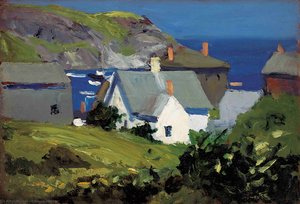
A profound sense of mid-century solitude permeates this Edward Hopper masterpiece featuring a contemplative woman bathed in afternoon light, inviting you to explore the quiet beauty of this iconic American Realism painting.
Biografia artysty
Mistrz amerykańskiego realizmu, który w Nighthawks uchwycił samotność. Odkryj jego ikoniczne obrazy oraz grę światła i cienia.
O obrazie
A Portrait of Quietude: The Haunting Stillness of Edward Hopper
In the vast canon of American Realism, few works capture the profound ache of modern existence as poignantly as Edward Hopper’s "untitled (4498)". Painted between 1950 and 1952, this masterpiece is far more than a mere observation of an urban corner; it is a distilled essence of mid-century anxiety and aspiration. The canvas presents us with a moment suspended in time, where a solitary woman stands upon the steps of a stately building, her gaze turned inward. As she lingers in the diffused afternoon light, there is a palpable sense that she is contemplating something far beyond the physical confines of the architecture surrounding her. Hopper invites the viewer into this private sanctuary of thought, creating a scene that feels both intensely personal and universally recognizable.
The visual language of the piece is defined by an unsettling stillness, a hallmark of Hopper’s unparalleled ability to render human isolation. Through a masterful execution of technique, he employs a palette of muted, cool blues and greens to weave an atmosphere of gentle melancholy. The architectural backdrop—characterized by classical columns and heavy, shadowed windows—serves as a stoic counterpoint to the woman’s delicate presence. This contrast emphasizes her detachment from the bustling world that exists just out of frame. The light, rendered with meticulous care, casts long, dramatic shadows across the stone steps and softly illuminates interior windows, subtly hinting at the unseen lives unfolding behind closed curtains, forever separated from our view.
Symbolism and the Architecture of Solitude
Beyond its technical brilliance, "untitled (4498)" resonates through its deep layers of symbolism. The woman serves as a universal archetype: the contemplative figure caught in a moment of profound introspection. Her posture—a delicate balance between anticipation and perhaps a quiet disappointment—suggests a soul waiting for a connection that may never arrive. Even the small, seemingly insignificant detail of the hat she holds in her hand carries weight; it acts as a shield against vulnerability or perhaps a remnant of a social identity she has momentarily set aside to face her own solitude. This interplay between the physical objects and the psychological state of the subject is what gives the painting its enduring emotional gravity.
For the discerning collector or interior designer, this work offers more than just aesthetic beauty; it provides a focal point for deep reflection. The painting’s ability to command a room through its quietude makes it an extraordinary choice for spaces designed for contemplation and peace. Whether placed in a modern gallery setting or a sophisticated residential study, the piece brings with it a sense of historical weight and emotional depth. It is a window into the American psyche of the 1950s, capturing the tension between the burgeoning urban landscape and the timeless, solitary nature of the human spirit. To own a high-quality reproduction of this work is to invite a permanent dialogue with one of art history's most evocative explorations of light, shadow, and the beauty found within loneliness.
Pytania i odpowiedzi
Jakie miejsce w historii sztuki zajmuje „untitled (4498)” – Edward Hopper?
Dzieło „untitled (4498)” – Edward Hopper klasyfikuje się jako Contemporary Realism, pochodzące z okresu Modern.
Jaki nastrój emocjonalny budzi „untitled (4498)” – Edward Hopper?
„untitled (4498)” budzi Melancholic emocje. Ton emocjonalny opisuje wrażenie, jakie wywołuje to dzieło.
Gdzie najlepiej eksponować dzieło „untitled (4498)” w formacie Landscape?
Format Landscape dzieła „untitled (4498)” – Edward Hopper jest rekomendowany do Lounge. Format oraz przestrzeń wspólnie pomagają w odpowiednim rozmieszczeniu reprodukcji.
Najważniejsze informacje i quiz o sztuce
O Edward Hopper

Edward Hopper
1931 - 1967, Stany Zjednoczone
Biografia artysty
Cisza amerykańskiego krajobrazu
Edward Hopper urodził się w Upper Nyack, w Stanach Zjednoczonych. Jego wczesne lata upłynęły na obserwowaniu świata uważnym okiem, co zapoczątkowały dziecięce szkice, skrupulatnie datowane i podpisane. Choć rodzice sugerowali mu praktyczną ścieżkę w postaci ilustracji komercyjnej, jego serce pozostało przy sztuce wysokiej. Studiował w New York School of Art pod okiem William Merritt Chase oraz Robert Henri. Te lata wykształciły w nim warsztat niezbędny do przedstawiania świata w sposób surowy i szczery. Nie szukał ulotnych pociągnięć pędzla impresjonistów, których poznał w Paryżu. Zamiast tego wypracował własny sposób patrzenia, który przedkładał bezruch chwili nad ruch tłumu.
Twórczość Hoppera często koncentruje się na tym, co przyziemne. Skupiał wzrok na domach, jadłodajniach, biurach i pokojach hotelowych. Odrzucał zbędne detale, aby dotrzeć do głębokiej, emocjonalnej prawdy ukrytej w danej scenie. W dziele House by the Railroad (1925) prosta kompozycja odsłania poczucie tajemnicy i izolacji. Światło i cień nie służyły mu jedynie do opisu wnętrza, lecz do budowania nastroju. Precyzyjne oddanie cienia na ścianie czy sposób, w jaki światło pada na okno, stały się jego sposobem na komunikowanie stanu psychicznego postaci.
Światło i miejskie wnętrze
Sposób, w jaki światło wdziera się w przestrzeń, jest centralnym bohaterem jego obrazów. W Nighthawks (1942) surowe, fluorescencyjne światło nocnej jadłodajni rozcina mrok opustoszałej, miejskiej ulicy. Postacie znajdujące się wewnątrz są blisko siebie fizycznie, lecz wydają się zagubione we własnych myślach, całkowicie odizolowane od siebie nawzajem. To poczucie anonimowości w zatłoczonym mieście stało się jego motywem przewodnim. Artysta potrafił uchwycić napięcie towarzyszące byciu samotnym w miejscu publicznym, co wybrzmiewa w takich pracach jak Automat czy Office in a Small City. Fascynowało go to, jak sztuczne światło wchodzi w interakcję z naturalną ciemnością nocy.
Jego żona, Josephine Nivison Hopper, była stałą obecnością w jego życiu. Jako artystka często służyła mu za modelkę, a jej obecność jest wyczuwalna w kreacji wielu kobiecych postaci na jego płótnach. Wspólnie prowadzili skromne życie, spędzając lata letnie w Nowej Anglii, co wywarło wpływ na malowane przez niego krajobrazy. Jego przedstawienia amerykańskiego pejzażu, zarówno wiejskiego, jak i miejskiego, często podkreślają pewną surowość lub pustkę. Niezależnie od tego, czy jest to przydrożna stacja benzynowa w Gas (1940), czy cichy pokój w hotelu, tematem zawsze pozostaje punkt styku fizycznego miejsca z prywatnym, wewnętrznym doświadczeniem.
Dziedzictwo uważności
Wpływ Hoppera wykracza poza malarstwo, przenikając do języka wizualnego filmu i literatury. Jego zdolność do budowania napięcia psychologicznego poprzez kompozycję została dostrzeżona przez wielu badaczy sposobu, w jaki opowieści są snute za pomocą obrazów. Jego dzieła znajdują się w najważniejszych muzeach na świecie, w kolekcjach takich jak Whitney Museum of American Art czy Museum of Fine Arts w Bostonie. Nie dążył do tworzenia wielkich narracji historycznych. Odnajdywał tematy w cichych zakamarkach codzienności, zmieniając zwykłe okno lub mijanego nieznajomego w studium ludzkiej kondycji. Jego twórczość pozostaje przejmującym studium ciszy, która istnieje między ludźmi.
Krótkie informacje o Edward Hopper
- Artistic Movement Or Style: Realizm amerykański
- Artists Or Movements Influenced By This Artist: ['Pierre Sanford Ross']
- Artists Who Influenced This Artist:
- William Merritt Chase
- Robert Henri
- Edgar Degas
- Édouard Manet
- Date Of Birth: 1931
- Date Of Death: 1967
- Full Name: Edward Hopper
- Nationality: Amerykanin
- Notable Artworks:
- Nighthawks
- Gas
- House by the Railroad
- Automat
- Office in a Small City
- Summertime
- Place Of Birth: Upper Nyack, Stany Zjednoczone


Odkryj dzieła sztuki uporządkowane według tematów, stylów i cech charakterystycznych.




Edward Hopper
untitled (4498)
() ·
Wraz z ramą: · Ręcznie malowane farbami olejnymi na płótnie lnianym
Suma