


 Zobacz w skali 1:1
 Wyślij
 Udostępnij
 Szczegóły
 Przewodnik

 Pobierz plik obrazu
 Podobne obiekty
 RTG
RTG Pokaz slajdów
 Statystyki
Mount Sinai
 Acrylic On Canvas
- WallArt
- Spiritual Expressionism
 1568
1568 37.0 x 23.0 cm
 Galleria Estense
 Czytaj więcej
El Greco: Świąteczny obraz św. Franciszka przyjmującego stigmata. Dramatyczna scena wiary i cierpienia, mistyczne piękno i głębokie emocje. Odkryj dzieło geniusza!
Giclée / Wydruk artystyczny
Wydruki giclée lub płótna o jakości muzealnej, szybka realizacja i szeroki wybór opcji wykończenia. ( Kup ręcznie malowany obraz Przełącz na wersję cyfrową)




P118B $10

P118H $10

P118W $10

P438Z $10

P508JH $12

P508YH $12

P805H $10

P805Z $10

P919BZ $10

P919G $10

P919XJ $10

P959ZH $10

P968JZ $12

W106C $8

W218G $10

W218JH $8

W218Y $10

W307PJ $10

W316G $10

W316PJ $8

W316Y $10

W398PJ $8

W4111J $10

W500HY $15

W500JH $15

W692G $12

W849H $8

W940BG $15

W953PJ $8




Standardowy
na zamówienie
CM
INCH
Wybierz spośród naszych standardowych rozmiarów, które zachowują oryginalne proporcje dzieła sztuki.
Loading sizes...

szerokość
wysokość
Możesz wprowadzić własne wymiary, aby dopasować dzieło do konkretnej ramy lub przestrzeni. Jeśli wybrany rozmiar nie będzie odpowiadał proporcjom oryginalnego obrazu, przytniecie dzieło lub rozszerzymy obraz za pomocą odbicia lustrzanego lub jednolitego wypełnienia krawędzi. Przed rozpoczęciem produkcji prześlemy cyfrową wizualizację do Twojej akceptacji.
Prosimy pamiętać, że podgląd na ekranie nie odzwierciedla faktycznego przycinania ani rozszerzania. Tylko wizualizacja dokładnie pokaże końcową kompozycję.
Mimo dostępności niestandardowych rozmiarów, zalecamy wybór wymiaru z listy zdefiniowanej, aby zachować oryginalne proporcje.
Dostawa na cały świat () w ciągu 2 tygodni zamiast standardowych 4/5 tygodni. (26 Wrzesień)

Bezpłatna ekspresowa wysyłka na cały świat

Wysokiej jakości płótno lniane

Pełne ubezpieczenie transportowe

Gwarancja zwrotu należności celnych i podatków importowych

Gwarancja idealnego odwzorowania barw

100-dniowy okres na zwrot dzieła w przypadku wykrycia wad produkcyjnych

Gwarancja 100% zwrotu pieniędzy

Oferta przy zakupie wielu sztuk
 Opcja ze szkłem jest dostępna wyłącznie w rozmiarach poniżej 110 cm

Mount Sinai
Giclée / Wydruk artystyczny
Rozmiar reprodukcji
-


Suma do zapłaty
$ 69
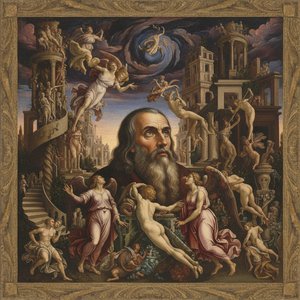
A Moment Frozen in Faith: El Greco’s “Mount Sinai”
El Greco's "Mount Sinai," painted in 1568, isn’t merely a depiction of a biblical scene; it’s a visceral embodiment of spiritual yearning and the dramatic interplay between humanity and the divine. This intimate canvas, measuring just 37 x 23 cm, belies the monumental emotional weight contained within its borders. The painting captures a pivotal moment – the revelation at Mount Sinai – where Moses receives God's law from atop a rugged mountainscape. The scene unfolds with an arresting immediacy, drawing the viewer directly into the heart of this transformative event. Notice how El Greco eschews traditional Renaissance clarity for a dynamic, almost turbulent composition; figures are elongated and distorted, their bodies imbued with a sense of urgent movement and profound emotion. This deliberate departure from established artistic norms speaks to El Greco’s unique vision – one that prioritized feeling over precise representation.
The Painter's Provenance: Echoes of Byzantium and Spanish Spirit
Born Doménikos Theotokópoulos on the island of Crete in 1541, El Greco’s artistic lineage is complex and fascinating. His early training within the Byzantine tradition instilled a deep reverence for religious iconography, evident in his meticulous rendering of drapery and the careful positioning of figures. However, he quickly transcended these influences, absorbing the dramatic intensity of Venetian painting while simultaneously forging a distinctly personal style. The “Krḗs” – Cretan – appended to many of his works is more than just a geographical marker; it’s a proud assertion of his origins and a testament to his refusal to be wholly defined by any single artistic school. Toledo, Spain, became the crucible where these diverse influences coalesced, resulting in the powerfully expressive style we recognize as El Greco's own. The muted palette – dominated by ochres, browns, and deep blues – contributes to the painting’s solemn atmosphere, reflecting the gravity of the event depicted.
A Symphony of Form and Emotion: Technique and Composition
El Greco’s technique is characterized by a remarkable disregard for anatomical accuracy. Figures are often elongated and distorted, their limbs stretching dramatically across the canvas. This stylistic choice isn't an error; rather, it serves to amplify the emotional impact of the scene. The use of *sfumato*, a subtle blurring of lines and edges, creates a sense of atmospheric depth and contributes to the painting’s ethereal quality. The composition itself is carefully constructed to draw the viewer’s eye towards the central figures – Moses and the assembled people. The rocky terrain, rendered with bold brushstrokes, provides a dramatic backdrop for this encounter with the divine. Note particularly the placement of the animal in the lower left corner; its presence adds an element of mystery and perhaps foreshadows the consequences of accepting God's law.
Symbolism and Spiritual Resonance: Decoding the Narrative
“Mount Sinai” is rich with symbolic meaning. The mountain itself represents a sacred space, a threshold between the earthly realm and the divine. The figures gathered at its base symbolize humanity’s collective response to God's revelation – a mixture of awe, fear, and acceptance. Moses, bathed in a soft light, embodies leadership and divine authority. The act of receiving the law is not simply a legal transaction; it’s a profound spiritual experience, one that fundamentally alters the relationship between God and humankind. The painting speaks to themes of faith, obedience, and the enduring struggle to reconcile human desires with divine will. It's a powerful meditation on humanity’s place in the cosmos and our ongoing quest for meaning.
- Size: 37 x 23 cm
- Date: 1568
- Artist: El Greco (Doménikos Theotokópoulos)
TopImpressionists.com offers meticulously crafted, hand-painted reproductions of “Mount Sinai,” allowing you to bring this iconic masterpiece into your home or office. Each reproduction is created by skilled artists using traditional techniques, ensuring the highest level of quality and authenticity. Explore our collection today and experience the enduring power of El Greco’s vision.
Biografia artysty
Doménikos Theotokópoulos – El Greco: A Life Forged in Faith and Fire
Doménikos Theotokópoulos, universally known as El Greco – “the Greek” – stands apart from his contemporaries as a painter whose artistic journey transcended conventional boundaries. Born in Crete, Greece (1541), under Venetian rule, his life was marked by both intellectual curiosity and unwavering devotion to Orthodox Christianity—a duality that profoundly shaped his distinctive style and enduring legacy. He wasn’t merely responding to the artistic currents of his time; he actively wrestled with them, synthesizing Byzantine traditions with Renaissance innovations into a visual language utterly his own. This singular vision anticipated the expressive fervor of Expressionism and the fragmented perspectives of Cubism centuries later, cementing his place as a pivotal figure in European art history.Early Training and Venetian Influences
El Greco’s formative years were spent honing his skills within the Byzantine artistic milieu—a tradition characterized by meticulous detail, symbolic representation, and profound spiritual contemplation. He studied under Antonios Pizzorno, a Venetian artist who instilled in him a disciplined approach to technique and an appreciation for classical ideals. Recognizing the dynamism of Venetian painting – particularly the works of Titian, Tintoretto, and Veronese – El Greco embarked on a transformative voyage to Venice around 1567. This immersion proved decisive; he absorbed their mastery of color, composition, and dramatic lighting, fundamentally altering his artistic sensibilities. He moved away from the rigid conventions of Mannerism, embracing looser brushwork and experimenting with oil paints—a medium that allowed him to achieve unprecedented levels of luminosity and expressive power. *St. Sebastian* (1600), painted during this Venetian period, exemplifies this stylistic shift beautifully. Anatomical accuracy blends seamlessly with theatrical lighting, conveying a palpable sense of pathos and spiritual torment – a hallmark of El Greco’s oeuvre.Toledo: The Crucible of Spiritual Expression
Around 1577, El Greco relocated to Toledo, Spain—a city steeped in religious fervor during the Counter-Reformation. This move proved crucial for solidifying his artistic identity and unlocking his creative potential. Toledo offered a fertile environment for artists seeking patronage from devout Catholic institutions, fostering an atmosphere conducive to exploring themes of faith, suffering, and divine grace. It was here that El Greco produced many of his most iconic paintings—works imbued with an unparalleled intensity of emotion and spiritual conviction. The Museo de Arte Público de Toledo houses numerous masterpieces by El Greco, including *The Burial of the Count of Orgaz*, arguably his magnum opus. This monumental painting depicts a miraculous event – the descent of saints to bury a nobleman – employing a masterful blend of realism and stylized figures to convey a profound meditation on mortality and redemption. The elongated forms of the saints—a stylistic characteristic that would become synonymous with El Greco’s name—are not merely decorative; they represent an attempt to transcend earthly limitations and capture the sublime beauty of divine presence.A Style Defined by Distortion and Emotion
El Greco's artistic style is instantly recognizable – and profoundly unsettling for those accustomed to more conventional representations of religious subjects. His figures are often dramatically elongated, their bodies twisted into poses that convey a sense of spiritual ecstasy or agonizing torment. This isn’t mere stylistic indulgence; it’s an intentional distortion designed to communicate the intangible realities of faith—the experience of encountering God beyond the confines of rational thought. He achieved this effect through masterful manipulation of color – employing vibrant hues that defied naturalistic conventions—and dramatic lighting—creating stark contrasts between light and shadow that heighten the emotional impact of his canvases. The use of chiaroscuro, a technique perfected by Caravaggio, further intensified the theatrical quality of El Greco’s paintings, drawing viewers into the heart of the depicted drama.Legacy and Influence
Despite facing considerable challenges during his lifetime—limited recognition in Rome and sporadic commissions—El Greco's artistic vision endured beyond his death in 1614. His distinctive style captivated artists like Picasso and Braque who recognized him as a precursor to modern art, particularly Cubism, admiring his fragmented forms and unconventional perspectives. El Greco’s influence extended far beyond the immediate stylistic realm; he inspired generations of painters to explore themes of spirituality and emotion with uncompromising honesty—a legacy that continues to resonate powerfully in contemporary artistic discourse. He remains an artist whose work compels us to confront fundamental questions about human experience, faith, and the sublime beauty of transcendence—a testament to his enduring power as a visionary innovator who dared to reimagine the visual language of religion.
El Greco
1541 - 1614 , Grecja
Najważniejsze informacje
- Artistic Movement Or Style: Mannerism Baroque
- Artists Or Movements Influenced By This Artist: ['Expressionism Cubism']
- Artists Who Influenced This Artist: ['Titian Tintoretto']
- Date Of Birth: 1541 Cret
- Date Of Death: 1614 Toledo
- Full Name: Doménikos Theotokópoulos
- Nationality: Greek-Spanish
- Notable Artworks:
- Burial Count Orgaz
- View Toledo
- El Espolio
- St Sebastian
- Place Of Birth: Crete Greece
Zobacz także powiązane artykuły
Mannerism Unveiled: The Dramatic Evolution of Renaissance Art and the Visionary Legacy of El Greco
Explore the dramatic transition from High Renaissance harmony to Mannerist tension. Discover how masters like El Greco redefined art through distortion and spiritual intensity. An expert guide for art enthusiasts seeking deep historical context and museum-quality inspiration.

25 Arcydzieł Prado: Historia Sztuki i Inspiracje do Twojego Domu | TopImpressionists
Odkryj 25 arcydzieł Museo del Prado! Poznaj historię Velázquez, Goyi i El Greco. Inspiracje wnętrzarskie z klasycznymi obrazami baroku i renesansu. Reprodukcje najwyższej jakości na TopImpressionists.com – sztuka dla Twojego domu.

El Greco: Spirituality, Style & Innovation – A Renaissance Master's Legacy
Explore the captivating world of El Greco! Discover his unique style, spiritual intensity, and lasting impact on art history. Learn about this Renaissance master's life, iconic paintings & legacy.

José Gutiérrez Solana: A Chronicle of Spanish Society Through Expressionist Vision
Explore the captivating world of José Gutiérrez Solana, a pivotal Spanish Expressionist painter. Discover his haunting depictions of early 20th-century Spain, influenced by Goya & El Greco. Learn about his key works and lasting legacy.

El Greco: 25 Arcydzieł Genialnego Malarza – Kolekcja dla Koneserów Sztuki i Wystroju Domu
Odkryj 25 arcydzieł El Greco – mistrza renesansu i manieryzmu. Poznaj historie, techniki i duchowość w jego obrazach. Reprodukcje najwyższej jakości na TopImpressionists.com. Inspiracje do wnętrz i kolekcja sztuki online!
Odkryj dzieła sztuki uporządkowane według tematów, stylów i cech charakterystycznych.


