Pracownia — Darmowa wysyłka na cały świat — Czas dostawy: 2–6 tygodni
Obraz ze zdjęcia Lista życzeń Koszyk
Podgląd w skaliPodgląd w skali Podgląd ARPodgląd AR Zamów wydruk Zamów wydrukKup obraz wysokiej rozdzielczości Kup obraz wysokiej rozdzielczości Wyślij jako kartkęWyślij jako kartkę
Szczegóły dziełaSzczegóły dzieła Dodaj do ulubionych Dodaj do ulubionych PobierzPobierz Podobne obiektyPodobne obiekty RTGRTG Pokaz slajdówPokaz slajdów

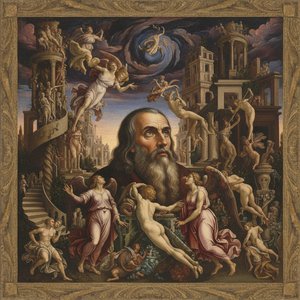
The Annunciation

Painted during El Greco's Italian period, this artwork reflects the artistic trends of its time and demonstrates his masterful synthesis of Byzantine tradition with emerging European styles.

El Greco: Świąteczny obraz św. Franciszka przyjmującego stigmata. Dramatyczna scena wiary i cierpienia, mistyczne piękno i głębokie emocje. Odkryj dzieło geniusza!

Ręcznie malowana reprodukcja olejowa

Ręcznie malowany obraz olejny na płótnie, wykonany na zamówienie przez naszych artystów w wybranym przez Ciebie wymiarze i oprawie. (Zamów wydruk Zamów wydrukKup obraz wysokiej rozdzielczości Kup obraz wysokiej rozdzielczości)

P118B $10
P118H $10
P118W $10
P438Z $10
P508JH $12
P508YH $12
P805H $10
P805Z $10
P919BZ $10
P919G $10
P919XJ $10
P959ZH $10
P968JZ $12
W106C $8
W218G $10
W218JH $8
W218Y $10
W307PJ $10
W316G $10
W316PJ $8
W316Y $10
W398PJ $8
W4111J $10
W500HY $15
W500JH $15
W692G $12
W849H $8
W940BG $15
W953PJ $8

Standard
custom
CM
INCH

Wybierz spośród naszych standardowych rozmiarów, które zachowują oryginalne proporcje dzieła sztuki.

szerokość
wysokość

Możesz wprowadzić własne wymiary, aby dopasować obraz do konkretnej ramy lub przestrzeni. Jeśli wybrany rozmiar nie będzie odpowiadał proporcjom oryginału, przytniecie dzieło sztuki lub rozszerzymy je o dodatkowe elementy, ręcznie domalowane przez artystę. Przed rozpoczęciem produkcji wyślemy projekt cyfrowy do Twojej akceptacji.
Należy pamiętać, że podgląd na ekranie nie odzwierciedla rzeczywistego przycinania ani rozszerzania obrazu. Tylko projekt dokładnie pokaże ostateczną kompozycję.
Choć oferujemy możliwość zamówienia niestandardowych rozmiarów, zalecamy wybór wymiaru z gotowej listy, aby zachować oryginalne proporcje dzieła.

Przykłady możliwych zmian: Zamień twarz na zdjęcie klienta; Dodaj zwierzę domowe (np. zamień kota na psa); Ukryj wiadomość w tle; Zmień krajobraz lub elementy tła.
Po złożeniu zamówienia zespół TopImpressionists.com skontaktuje się z klientem drogą mailową w celu uzyskania instrukcji i prześle wizualizację projektu

Dostawa na całym świecie () w ciągu 3–4 tygodni zamiast standardowych 5 tygodni. (16 Sierpień). Bez kompromisów w kwestii jakości.

why_choose_icon
Bezpłatna ekspresowa wysyłka na cały świat
why_choose_icon
Wysokiej jakości płótno lniane
why_choose_icon
Pełne ubezpieczenie przesyłki
why_choose_icon
Gwarancja zwrotu należności celnych i podatków importowych
why_choose_icon
Gwarancja wiernego odwzorowania kolorów
why_choose_icon
Polityka 60-dniowego zwrotu (tylko w przypadku wad)
why_choose_icon
Gwarancja 100% zwrotu kosztów
why_choose_icon
Zniżka przy zamówieniu wielu produktów

Suma całkowita

$ 269

reproduction

The Annunciation

Technika reprodukcji

Wymiary reprodukcji

-

Cena całkowita

$ 269

Szybki podgląd

  • Dimensions: 98 x 117 cm
  • Artistic style: Spanish Mannerism
  • Year: 1576
  • Title: The Annunciation
  • Influences:
    • Venetian painting
    • Titian
  • Movement: Renaissance
  • Location: Private Collection

Quiz o sztuce

Do każdego pytania dotyczy tylko jedna poprawna odpowiedź.

Pytanie 1:
What artistic style is prominently evident in this painting due to influences from Venetian painters like Titian?
Pytanie 2:
The architectural setting within the painting serves what purpose?
Pytanie 3:
Which artist El Greco admired greatly and whose style he consciously incorporated into his work?
Pytanie 4:
The depiction of the angel figure aligns closely with stylistic conventions established by:
Pytanie 5:
What is a key characteristic that distinguishes El Greco's approach to portraying religious scenes from earlier artistic traditions?

Opis dzieła

A Synthesis of Venetian Grandeur and Byzantine Soul: Exploring El Greco’s “The Annunciation”

El Greco’s “The Annunciation,” painted around 1576, stands as a testament to the artist's extraordinary ability to fuse disparate artistic traditions into a singular vision. More than just a depiction of a biblical narrative—the Virgin Mary receiving the divine messenger announcing Jesus’ birth—it embodies a profound meditation on faith and humility within a meticulously crafted framework that echoes the stylistic innovations of Venice and Rome.

  • Subject Matter: The painting centers on the iconic moment when Gabriel informs Mary about her impending motherhood, capturing a scene steeped in spiritual significance.
  • Style & Influence: El Greco’s approach is undeniably Venetian, inheriting the luminous palette and dramatic compositions favored by Titian and Veronese. However, he transcends mere imitation; his elongated figures and ethereal draperies bear unmistakable marks of Byzantine artistic heritage, reflecting his formative years in Crete.

The artist skillfully employs a technique characterized by layered glazing—a hallmark of Venetian painting—creating an illusionistic depth that draws the viewer into the scene. Light plays a crucial role, emanating from unseen sources and bathing the figures in a soft glow reminiscent of Titian’s masterful use of chiaroscuro. This deliberate manipulation of light enhances the emotional impact of the artwork, conveying a sense of solemn reverence.

  • Composition & Architectural Setting: El Greco abandons conventional perspectival space, opting for a simplified architectural backdrop that subtly frames the central figures. This technique prioritizes clarity and realism, emphasizing the spiritual essence of the composition rather than distracting visual details.
  • Symbolism: The book held by Gabriel symbolizes divine knowledge and revelation, while the scroll represents God’s word—a powerful reminder of the transformative power of faith. Mary's posture conveys humility and acceptance as she listens intently to the angelic proclamation.

“The Annunciation” transcends its religious subject matter to become a masterpiece of artistic expression. Its enduring appeal lies in its ability to evoke contemplation and inspire awe—qualities that resonate deeply with collectors and interior designers seeking pieces imbued with beauty, grace, and intellectual richness. A reproduction captures not only the visual splendor but also the artist’s profound understanding of human emotion and spiritual aspiration.


O artyście

Doménikos Theotokópoulos – El Greco: A Life Forged in Faith and Fire

Doménikos Theotokópoulos, universally known as El Greco – “the Greek” – stands apart from his contemporaries as a painter whose artistic journey transcended conventional boundaries. Born in Crete, Greece (1541), under Venetian rule, his life was marked by both intellectual curiosity and unwavering devotion to Orthodox Christianity—a duality that profoundly shaped his distinctive style and enduring legacy. He wasn’t merely responding to the artistic currents of his time; he actively wrestled with them, synthesizing Byzantine traditions with Renaissance innovations into a visual language utterly his own. This singular vision anticipated the expressive fervor of Expressionism and the fragmented perspectives of Cubism centuries later, cementing his place as a pivotal figure in European art history.

Early Training and Venetian Influences

El Greco’s formative years were spent honing his skills within the Byzantine artistic milieu—a tradition characterized by meticulous detail, symbolic representation, and profound spiritual contemplation. He studied under Antonios Pizzorno, a Venetian artist who instilled in him a disciplined approach to technique and an appreciation for classical ideals. Recognizing the dynamism of Venetian painting – particularly the works of Titian, Tintoretto, and Veronese – El Greco embarked on a transformative voyage to Venice around 1567. This immersion proved decisive; he absorbed their mastery of color, composition, and dramatic lighting, fundamentally altering his artistic sensibilities. He moved away from the rigid conventions of Mannerism, embracing looser brushwork and experimenting with oil paints—a medium that allowed him to achieve unprecedented levels of luminosity and expressive power. *St. Sebastian* (1600), painted during this Venetian period, exemplifies this stylistic shift beautifully. Anatomical accuracy blends seamlessly with theatrical lighting, conveying a palpable sense of pathos and spiritual torment – a hallmark of El Greco’s oeuvre.

Toledo: The Crucible of Spiritual Expression

Around 1577, El Greco relocated to Toledo, Spain—a city steeped in religious fervor during the Counter-Reformation. This move proved crucial for solidifying his artistic identity and unlocking his creative potential. Toledo offered a fertile environment for artists seeking patronage from devout Catholic institutions, fostering an atmosphere conducive to exploring themes of faith, suffering, and divine grace. It was here that El Greco produced many of his most iconic paintings—works imbued with an unparalleled intensity of emotion and spiritual conviction. The Museo de Arte Público de Toledo houses numerous masterpieces by El Greco, including *The Burial of the Count of Orgaz*, arguably his magnum opus. This monumental painting depicts a miraculous event – the descent of saints to bury a nobleman – employing a masterful blend of realism and stylized figures to convey a profound meditation on mortality and redemption. The elongated forms of the saints—a stylistic characteristic that would become synonymous with El Greco’s name—are not merely decorative; they represent an attempt to transcend earthly limitations and capture the sublime beauty of divine presence.

A Style Defined by Distortion and Emotion

El Greco's artistic style is instantly recognizable – and profoundly unsettling for those accustomed to more conventional representations of religious subjects. His figures are often dramatically elongated, their bodies twisted into poses that convey a sense of spiritual ecstasy or agonizing torment. This isn’t mere stylistic indulgence; it’s an intentional distortion designed to communicate the intangible realities of faith—the experience of encountering God beyond the confines of rational thought. He achieved this effect through masterful manipulation of color – employing vibrant hues that defied naturalistic conventions—and dramatic lighting—creating stark contrasts between light and shadow that heighten the emotional impact of his canvases. The use of chiaroscuro, a technique perfected by Caravaggio, further intensified the theatrical quality of El Greco’s paintings, drawing viewers into the heart of the depicted drama.

Legacy and Influence

Despite facing considerable challenges during his lifetime—limited recognition in Rome and sporadic commissions—El Greco's artistic vision endured beyond his death in 1614. His distinctive style captivated artists like Picasso and Braque who recognized him as a precursor to modern art, particularly Cubism, admiring his fragmented forms and unconventional perspectives. El Greco’s influence extended far beyond the immediate stylistic realm; he inspired generations of painters to explore themes of spirituality and emotion with uncompromising honesty—a legacy that continues to resonate powerfully in contemporary artistic discourse. He remains an artist whose work compels us to confront fundamental questions about human experience, faith, and the sublime beauty of transcendence—a testament to his enduring power as a visionary innovator who dared to reimagine the visual language of religion.

El Greco

El Greco

1541 - 1614 , Grecja

Krótka nota

  • Artistic Movement Or Style: Mannerism Baroque
  • Artists Or Movements Influenced By This Artist: ['Expressionism Cubism']
  • Artists Who Influenced This Artist: ['Titian Tintoretto']
  • Date Of Birth: 1541 Cret
  • Date Of Death: 1614 Toledo
  • Full Name: Doménikos Theotokópoulos
  • Nationality: Greek-Spanish
  • Notable Artworks:
    • Burial Count Orgaz
    • View Toledo
    • El Espolio
    • St Sebastian
  • Place Of Birth: Crete Greece
Odkryj dzieła sztuki uporządkowane według tematów, stylów i cech charakterystycznych.
© TopImpressionists.com — Wszelkie prawa zastrzeżone  ·  100% Ręcznie malowane · Gwarancja satysfakcji · Darmowa wysyłka na cały świat
VISA MASTERCARD