


 Podgląd w skali 1:1
 Wyślij jako kartkę
 Udostępnij
 Szczegóły dzieła
 Przewodnik

 Pobierz obraz
 Podobne obiekty
 RTG
RTG Pokaz slajdów
 Statystyki
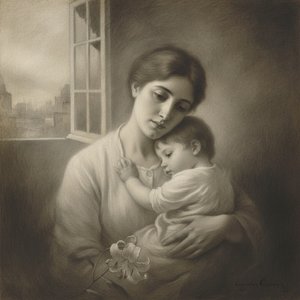
Maternity


Experience Eugène Carrière’s ‘Maternity,’ a poignant monochrome portrait of a nursing mother and child, capturing tender gestures and spiritual resonance. This iconic Symbolist work by the ‘painter of Breast-Feeding’ invites contemplation on domestic tranquility and inner light.
 Rozwiń treść
Eugène Carrière – francuski symbolista znany z monochromatycznych obrazów i intymnych scen rodzinnych. Jego twórczość wpłynęła na Picassa i jest inspiracją dla miłośników sztuki. Odkryj jego dzieła!
Giclée / Wydruk artystyczny
Wydruki giclée lub płótna o jakości muzealnej, szybka realizacja i szeroki wybór opcji wykończenia. ( Zamów ręcznie malowaną reprodukcję Przejdź do wersji cyfrowej)




P118B zł10

P118H zł10

P118W zł10

P438Z zł10

P508JH zł12

P508YH zł12

P805H zł10

P805Z zł10

P919BZ zł10

P919G zł10

P919XJ zł10

P959ZH zł10

P968JZ zł12

W106C zł8

W218G zł10

W218JH zł8

W218Y zł10

W307PJ zł10

W316G zł10

W316PJ zł8

W316Y zł10

W398PJ zł8

W4111J zł10

W500HY zł15

W500JH zł15

W692G zł12

W849H zł8

W940BG zł15

W953PJ zł8




Standardowy format
personalizowane
CM
INCH
Wybierz spośród naszych standardowych rozmiarów, które zachowują oryginalne proporcje dzieła sztuki.
Loading sizes...

szerokość
wysokość
Wpisz wymaganą szerokość i wysokość, aby dopasować grafikę do ramy lub ściany. Wydruk można jedynie przyciąć, nigdy nie powiększając go poza oryginalny obraz, dlatego format o innych proporcjach spowoduje utratę części kompozycji. Przed rozpoczęciem druku prześlemy Ci cyfrowy podgląd do zatwierdzenia. Obraz wyświetlany na tej stronie nie pokazuje rzeczywistego przycięcia — jedynie podgląd oddaje ten efekt.
Dostawa na cały świat () w ciągu 2 tygodni zamiast standardowych 4/5 tygodni. (27 Październik)

Bezpłatna ekspresowa wysyłka na cały świat

Wysokiej jakości płótno lniane

Pełne ubezpieczenie przesyłki

Gwarancja zwrotu należności celnych i podatków importowych

Gwarancja wiernego odwzorowania kolorów

100-dniowa polityka zwrotów (tylko w przypadku wad)

Gwarancja 100% zwrotu pieniędzy

Zniżka przy zakupie wielu sztuk
 Opcja ze szkłem jest dostępna wyłącznie w rozmiarach poniżej 110 cm

Maternity
Giclée / Wydruk artystyczny
Wymiary reprodukcji
-


Cena całkowita
zł 265
A Portrait of Maternal Reverence: Eugène Carrière’s Maternity
Eugène Anatole Carrière stands apart from his contemporaries—Monet, Degas, Cézanne—not merely in stylistic preference but in a profound philosophical commitment to capturing the essence of human experience. Born in 1849 in Gournay-sur-Marne, France, he embarked on an artistic journey marked by unwavering dedication to exploring themes of spirituality and domestic tranquility. His formative years were shaped by exposure to Rubens’s luminous palette and the crucible of imprisonment in Dresden, experiences that instilled within him a sensitivity to light and color—though he would ultimately abandon them for a distinctive monochrome aesthetic. This singular approach cemented his reputation as “the painter of Breast-Feeding,” a genre he pursued with fervent conviction throughout his prolific career. ### The Monochrome Palette: A Symbol of Inner Light Carrière’s artistic signature is undeniably his masterful manipulation of color—or rather, the deliberate absence thereof. Rejecting the Impressionist obsession with capturing fleeting moments of visual sensation, he sought to distill emotion into its purest form: a subdued brown hue that permeated nearly all his canvases. This stylistic choice wasn't simply an aesthetic preference; it represented a deeply held belief in the primacy of inner contemplation and spiritual illumination. As Edmond de Goncourt eloquently observed during Carrière’s lifetime, “This Carrière really is the painter of Breast-Feeding.” He meticulously studied gestures and expressions, striving to convey not just what he saw but what he felt—a palpable resonance with the viewer's own emotional landscape. The monochromatic palette served as a conduit for conveying profound psychological depth, mirroring the stillness and serenity of domestic life. ### Maternity: A Study in Tender Gestures and Spiritual Resonance “Maternity,” completed in 1890, exemplifies Carrière’s artistic vision at its zenith. This evocative portrait depicts a woman cradling her infant child, bathed in soft light emanating from an unseen source—a deliberate allusion to divine grace and nurturing compassion. The composition is strikingly simple yet powerfully expressive: the woman's gaze directs upwards, suggesting contemplation of something beyond the immediate physical realm; her hands are outstretched, conveying warmth and protection. Two figures flank the central scene, adding depth and subtly hinting at the broader context of familial devotion. Véronique Milin Dumesnil, Carrière’s granddaughter, recounted that the models for Maternity were his wife and one of their seven children—Jean René or Leon—underscoring the artist's personal connection to the subject matter. ### Technique and Historical Context: Embracing Rubensian Influence Carrière’s technique is characterized by meticulous detail and painstaking layering of paint—a testament to his unwavering commitment to capturing nuanced textures and tonal variations. He achieved this remarkable effect through a process of gradual buildup, applying thin glazes over thicker underlayers to create an illusion of depth and luminosity despite the absence of color. This approach harkens back to Rubens’s masterful use of chiaroscuro—the dramatic interplay between light and shadow—a technique that Carrière adopted with unwavering fidelity. The painting emerged during a period marked by growing interest in Symbolism, a movement that sought to transcend mere representation and delve into realms of psychological and spiritual significance. Like many Symbolist artists, Carrière aimed to evoke emotion rather than depict reality objectively, inviting viewers to contemplate the profound mysteries of human existence. ### Legacy and Emotional Impact: A Timeless Expression of Maternal Love “Maternity” remains a captivating masterpiece—a testament to Carrière’s artistic genius and his unwavering belief in the transformative power of art. Its enduring appeal lies not only in its exquisite craftsmanship but also in its ability to resonate deeply with audiences across generations. The painting captures the essence of maternal tenderness, conveying a sense of serenity and spiritual contemplation that transcends time and culture. It serves as an inspiring reminder of the beauty and significance of familial bonds—a timeless expression of love, compassion, and faith.Pytania i odpowiedzi
W jaki sposób mogę uzyskać plik cyfrowy dzieła „Maternity” – Eugène Anatole Carrière?
Cyfrową wersję dzieła „Maternity” – Eugène Anatole Carrière można zakupić na stronie Cyfrowy obraz: wysokiej rozdzielczości cyfrowe zdjęcie do pobrania.
Jaki jest zalecany format i orientacja druku dla "Maternity"?
W przypadku "Maternity" zalecanym formatem wydruku jest rozmiar Large w orientacji Portrait.
Kto stworzył "Maternity" i w jakim roku?
"Maternity" – autorstwa Eugène Anatole Carrière, rok powstania: 1880.
Biografia artysty
Eugène Anatole Carrière (1849–1906)
Eugène Anatole Carrière ur. 16 stycznia 1849 w Gournay-sur-Marne, zm. 27 marca 1906 w Paryżu) – francuski malarz i grafik. Przyczynił się do utworzenia stowarzyszenia artystycznego Société Nationale des Beaux-Arts, miał wpływ na m.in. na twórczość Picassa i Matisse`a. Jego twórczość jest ceniona za głębokie emocje oraz umiejętne wykorzystanie światłocienia i delikatnych konturów.Early Life and Training
Eugène Carrière urodził się w Gournay-sur-Marne, Seine-Saint-Denis, jako ośmy z dziewięciu dzieci rodziców. Jego edukację rozpoczął w École Municipale de Dessin w Paryżu, gdzie zdobył podstawy umiejętności artystycznych. Później studiował pod kierunkiem Alexandre Cabanela w École des Beaux-Arts, co miało istotny wpływ na jego późniejszy styl twórczy. Podczas wojny francusko-pruskiej został zesłańcem do Dresdnia, gdzie zetknął się z sztuką Petera Paula Rubensa – doświadczenie to zainspirowało go i wpłynęło na jego pierwsze prace.Artistic Style and Influences
Carrière słynie z charakterystycznej monochromatycznej kolorystyki, która stała się jednym z najbardziej rozpoznawalnych elementów jego twórczości. Jego obrazy cechują się miękkim światłocieniem i delikatnymi konturami, co przypomina styl Rubensa oraz innych malarzy romantycznych. Szczególną uwagę przyciąga umiejętność Carriera przekazywania emocji poprzez obraz – jego dzieła wyrażają głębokie uczucia i refleksje filozoficzne. Jego twórczość wykazuje wpływ impresjonizmu oraz ekspresjonizmu, szczególnie w okresie późniejszego rozwoju jego stylu.“The Young Mother” (1879)
Jedną z najważniejszych i najbardziej rozpoznawalnych prac Eugène Carrière jest obraz „Młoda Matka”, który znajduje się obecnie w Musée des Beaux-Arts de Rouen. Ten dzieło stanowi punkt wyjścia dla jego zainteresowania tematami rodzinnymi i domowymi, które stały się podstawą jego stylu twórczego. Obraz został stworzony z wykorzystaniem technik impresjonistycznych oraz elementów ekspresjonizmu, co przyczyniło się do uzyskania wyjątkowego efektu emocjonalnego. Jego obraz „Młoda Matka” jest doskonałym przykładem umiejętności Carrière w uchwyceniu piękna i delikatności codziennego życia rodzinnego.Notable Works and Exhibitions
Carrière uczestniczył w licznych wystawach salonowych oraz innych wydarzeniach artystycznych, które przyczyniły się do promocji jego twórczości i zdobycia uznania krytyków oraz społeczeństwa francuskiego. Jego prace były prezentowane zarówno w Paryżu, jak i innych europejskich miastach, gdzie zyskały międzynarodowe zainteresowanie. Szczególną uwagę zwrócono na jego obrazy przedstawiające sceny religijne oraz portrety postaci wybitnych intelektualistów i polityków. Jego twórczość pozostaje inspiracją dla współczesnych artystów i stanowi ważną część historii sztuki francuskiej XIX wieku.
Eugène Anatole Carrière
1849 - 1906 , Francja
Krótka nota
- Artistic Movement Or Style: Symbolizm
- Artists Or Movements Influenced By This Artist: ['Pablo Picasso']
- Artists Who Influenced This Artist: ['Peter Paul Rubens']
- Date Of Birth: 16 stycznia 1849
- Date Of Death: 27 marca 1906
- Full Name: Eugène Anatole Carrière
- Nationality: Francuz
- Notable Artworks:
- The Sick Child
- Young Mother
- First Communion
- Place Of Birth: Gournay-sur-Marne, Francja
Powiązane artykuły

Symbolizm w sztuce końca XIX wieku: Eksploracja mistycyzmu i znaczeń ukrytych
Odkryj fascynujący świat symbolizmu w sztuce końca XIX wieku! Analiza kluczowych dzieł, twórców i motywów tego nurtu. Poznaj mistyczne przesłania i wpływ na współczesną estetykę.

Monochromatyczne Wizje: Estetyka i Historyczne Znaczenie Fotografii Czarno-Białej
Odkryj fascynujący świat fotografii czarno-białej! Poznaj historię, techniki i arcydzieła monochromatycznej sztuki. Inspiracje, porady i analiza wpływu na współczesną estetykę. TopImpressionists.com.

Subtelności odcienia: Monochromia w sztuce – historia i współczesne interpretacje
Odkryj fascynującą historię monochromii w sztuce – od renesansowych mistrzów po współczesnych artystów. Analiza technik, psychologii koloru i wpływu na emocje. Eksperckie spojrzenie.
Eugène Carrière: The 'Peintre d'Âme' & Symbolist Portraiture’s Intimate Vision
Explore the haunting world of Eugène Carrière, a pivotal French Symbolist artist known for his deeply intimate portraits & 'peinture d'âme'. Discover his life, style, and lasting influence on modern masters like Picasso. Shop high-quality reproductions at TopImpressionists.

Late Medieval Masterpieces: 10 Artworks That Defined an Era | TopImpressionists
Journey through 10 defining Late Medieval masterpieces – from Giotto's frescoes to Jan van Eyck’s realism. Explore the stories, techniques & vibrant colors of Gothic art. Find museum-quality reproductions and elevate your home decor with TopImpressionists.com! Discover all masterpieces on TopImpressionists.com