

 Podgląd w skali 1:1
 Wyślij jako kartkę
 Udostępnij
 Szczegóły dzieła
 Przewodnik

 Pobierz obraz
 Podobne obiekty
 RTG
RTG Pokaz slajdów
 Q&A
Q&A Statystyki
The First Communion

- 65.0 x 53.0 cm


Eugene Anatole Carrière’s ‘The First Communion’ (1896) is a haunting Symbolist monochrome painting of a young girl receiving communion. Explore its ethereal beauty & influence on Picasso.
 Rozwiń treść
Eugène Carrière – francuski symbolista znany z monochromatycznych obrazów i intymnych scen rodzinnych. Jego twórczość wpłynęła na Picassa i jest inspiracją dla miłośników sztuki. Odkryj jego dzieła!
Giclée / Wydruk artystyczny
Wydruki giclée lub płótna o jakości muzealnej, szybka realizacja i szeroki wybór opcji wykończenia. ( Zamów ręcznie malowaną reprodukcję Przejdź do wersji cyfrowej)




P118B zł10

P118H zł10

P118W zł10

P438Z zł10

P508JH zł12

P508YH zł12

P805H zł10

P805Z zł10

P919BZ zł10

P919G zł10

P919XJ zł10

P959ZH zł10

P968JZ zł12

W106C zł8

W218G zł10

W218JH zł8

W218Y zł10

W307PJ zł10

W316G zł10

W316PJ zł8

W316Y zł10

W398PJ zł8

W4111J zł10

W500HY zł15

W500JH zł15

W692G zł12

W849H zł8

W940BG zł15

W953PJ zł8




Standardowy format
personalizowane
CM
INCH
Wybierz spośród naszych standardowych rozmiarów, które zachowują oryginalne proporcje dzieła sztuki.
Loading sizes...

szerokość
wysokość
Wpisz wymaganą szerokość i wysokość, aby dopasować grafikę do ramy lub ściany. Wydruk można jedynie przyciąć, nigdy nie powiększając go poza oryginalny obraz, dlatego format o innych proporcjach spowoduje utratę części kompozycji. Przed rozpoczęciem druku prześlemy Ci cyfrowy podgląd do zatwierdzenia. Obraz wyświetlany na tej stronie nie pokazuje rzeczywistego przycięcia — jedynie podgląd oddaje ten efekt.
Dostawa na cały świat () w ciągu 2 tygodni zamiast standardowych 4/5 tygodni. (2 Listopad)

Bezpłatna ekspresowa wysyłka na cały świat

Wysokiej jakości płótno lniane

Pełne ubezpieczenie przesyłki

Gwarancja zwrotu należności celnych i podatków importowych

Gwarancja wiernego odwzorowania kolorów

100-dniowa polityka zwrotów (tylko w przypadku wad)

Gwarancja 100% zwrotu pieniędzy

Zniżka przy zakupie wielu sztuk
 Opcja ze szkłem jest dostępna wyłącznie w rozmiarach poniżej 110 cm

The First Communion
Giclée / Wydruk artystyczny
Wymiary reprodukcji
-


Cena całkowita
zł 269
The Haunting Beauty of "The First Communion": A Symbolist Portrait of Innocence
Eugène Anatole Carrière’s “The First Communion,” painted in 1896, isn't merely a depiction of a religious ceremony; it’s a profoundly evocative exploration of childhood innocence, spiritual yearning, and the subtle anxieties that lie beneath the surface of faith. This masterpiece, now housed within the collections of art institutions worldwide, exemplifies Carrière’s signature style – a near-monochrome palette dominated by muted browns and greys, creating an atmosphere of ethereal mystery and quiet melancholy. The painting immediately draws the viewer into a dreamlike space, where reality seems to soften and blur at the edges.
Carrière's artistic journey was deeply influenced by his time as a prisoner in Dresden during the Franco-Prussian War. Exposure to the works of Peter Paul Rubens, with their rich, glowing colors and dramatic lighting, left an indelible mark on his approach to painting. This influence is subtly present in “The First Communion,” though Carrière ultimately developed his own distinctive style – one characterized by a deliberate reduction of color to its most essential tones, emphasizing mood and atmosphere over precise representation. The use of brown creates a sense of timelessness, suggesting that the scene unfolds outside of specific time or place, existing instead within a realm of spiritual contemplation.
A Study in Symbolism: Veil, Light, and Shadow
The central figure of the painting – a young girl receiving communion – is enveloped in a veil, a potent symbol of purity, concealment, and nascent faith. The veil isn’t simply an article of clothing; it acts as a visual barrier, hinting at the mysteries surrounding religious initiation and the vulnerability inherent in entering into a sacred tradition. The lighting within the painting is equally significant. A diffused light source casts long shadows across the girl's face and gown, contributing to the overall sense of solemnity and introspection. The interplay of light and shadow creates a visual metaphor for the spiritual journey – a movement from darkness towards enlightenment.
Carrière’s technique is notable for its meticulous layering of paint and subtle blending. He eschews sharp outlines and bold brushstrokes, opting instead for a fluid, almost watercolor-like application that lends the scene an ethereal quality. The smooth texture of the canvas, combined with the delicate gradations of color, creates a sense of translucence, as if the girl herself is partially obscured by a veil of spiritual mist. The simplified forms and flattened perspective further enhance this dreamlike effect, distancing the viewer from a realistic portrayal and inviting them to contemplate the painting’s symbolic meaning.
Historical Context and Artistic Legacy
"The First Communion" was created during the late 19th century, a period of profound social and artistic change. The Symbolist movement, which Carrière embraced, sought to express subjective emotions and spiritual experiences through art, often rejecting the realism and materialism of earlier artistic traditions. This painting aligns perfectly with the Symbolist aesthetic – it’s not about depicting a literal event but rather conveying a complex range of feelings associated with religious initiation and the transition from childhood innocence to adult faith.
Carrière's work had a significant impact on subsequent generations of artists, particularly Pablo Picasso. The influence of Carrière’s monochrome palette and his exploration of psychological themes can be seen in Picasso’s Blue Period, demonstrating the enduring legacy of this enigmatic French artist. “The First Communion” remains a powerful testament to Carrière's artistic vision – a hauntingly beautiful portrayal of faith, innocence, and the mysteries of the human spirit.
Collecting a Timeless Masterpiece: Reproductions and Beyond
TopImpressionists offers high-quality reproductions of “The First Communion,” allowing art lovers worldwide to experience the beauty and emotional depth of this iconic painting. Whether you’re seeking a stunning addition to your home or office, or simply want to connect with the artistic legacy of Eugène Carrière, our meticulously crafted reproductions capture the essence of the original while offering exceptional value. Explore our collection today and bring this evocative masterpiece into your world.
Pytania i odpowiedzi
Jaki rozmiar wydruku jest zalecany dla „The First Communion” – Eugène Anatole Carrière?
Zalecany rozmiar wydruku dla „The First Communion” – Eugène Anatole Carrière to Medium.
Gdzie i w jakim celu zaleca się użycie "The First Communion"?
Dzieło „The First Communion” – Eugène Anatole Carrière jest polecane do Statement, najlepiej w Living Room. Zastosowanie oraz przestrzeń pomagają zdecydować, gdzie najlepiej umieścić reprodukcję.
Czy w „The First Communion” – Eugène Anatole Carrière zastosowano silne kontrasty czy raczej łagodne harmonie?
Kompozycja kolorystyczna „The First Communion” – Eugène Anatole Carrière łączy w sobie Serene kontrast z Unified Palette harmonią.
Biografia artysty
Eugène Anatole Carrière (1849–1906)
Eugène Anatole Carrière ur. 16 stycznia 1849 w Gournay-sur-Marne, zm. 27 marca 1906 w Paryżu) – francuski malarz i grafik. Przyczynił się do utworzenia stowarzyszenia artystycznego Société Nationale des Beaux-Arts, miał wpływ na m.in. na twórczość Picassa i Matisse`a. Jego twórczość jest ceniona za głębokie emocje oraz umiejętne wykorzystanie światłocienia i delikatnych konturów.Early Life and Training
Eugène Carrière urodził się w Gournay-sur-Marne, Seine-Saint-Denis, jako ośmy z dziewięciu dzieci rodziców. Jego edukację rozpoczął w École Municipale de Dessin w Paryżu, gdzie zdobył podstawy umiejętności artystycznych. Później studiował pod kierunkiem Alexandre Cabanela w École des Beaux-Arts, co miało istotny wpływ na jego późniejszy styl twórczy. Podczas wojny francusko-pruskiej został zesłańcem do Dresdnia, gdzie zetknął się z sztuką Petera Paula Rubensa – doświadczenie to zainspirowało go i wpłynęło na jego pierwsze prace.Artistic Style and Influences
Carrière słynie z charakterystycznej monochromatycznej kolorystyki, która stała się jednym z najbardziej rozpoznawalnych elementów jego twórczości. Jego obrazy cechują się miękkim światłocieniem i delikatnymi konturami, co przypomina styl Rubensa oraz innych malarzy romantycznych. Szczególną uwagę przyciąga umiejętność Carriera przekazywania emocji poprzez obraz – jego dzieła wyrażają głębokie uczucia i refleksje filozoficzne. Jego twórczość wykazuje wpływ impresjonizmu oraz ekspresjonizmu, szczególnie w okresie późniejszego rozwoju jego stylu.“The Young Mother” (1879)
Jedną z najważniejszych i najbardziej rozpoznawalnych prac Eugène Carrière jest obraz „Młoda Matka”, który znajduje się obecnie w Musée des Beaux-Arts de Rouen. Ten dzieło stanowi punkt wyjścia dla jego zainteresowania tematami rodzinnymi i domowymi, które stały się podstawą jego stylu twórczego. Obraz został stworzony z wykorzystaniem technik impresjonistycznych oraz elementów ekspresjonizmu, co przyczyniło się do uzyskania wyjątkowego efektu emocjonalnego. Jego obraz „Młoda Matka” jest doskonałym przykładem umiejętności Carrière w uchwyceniu piękna i delikatności codziennego życia rodzinnego.Notable Works and Exhibitions
Carrière uczestniczył w licznych wystawach salonowych oraz innych wydarzeniach artystycznych, które przyczyniły się do promocji jego twórczości i zdobycia uznania krytyków oraz społeczeństwa francuskiego. Jego prace były prezentowane zarówno w Paryżu, jak i innych europejskich miastach, gdzie zyskały międzynarodowe zainteresowanie. Szczególną uwagę zwrócono na jego obrazy przedstawiające sceny religijne oraz portrety postaci wybitnych intelektualistów i polityków. Jego twórczość pozostaje inspiracją dla współczesnych artystów i stanowi ważną część historii sztuki francuskiej XIX wieku.
Eugène Anatole Carrière
1849 - 1906 , Francja
Krótka nota
- Artistic Movement Or Style: Symbolizm
- Artists Or Movements Influenced By This Artist: ['Pablo Picasso']
- Artists Who Influenced This Artist: ['Peter Paul Rubens']
- Date Of Birth: 16 stycznia 1849
- Date Of Death: 27 marca 1906
- Full Name: Eugène Anatole Carrière
- Nationality: Francuz
- Notable Artworks:
- The Sick Child
- Young Mother
- First Communion
- Place Of Birth: Gournay-sur-Marne, Francja
Powiązane artykuły

Sacred Narratives on Canvas: Exploring Religious Painting Through History
Explore the rich history of religious painting with TopImpressionists.com! Discover iconic artworks, symbolism & techniques from antiquity to the Renaissance. Enhance your art appreciation today.

Simon Vouet: A Baroque Master's Journey from Italian Influence to French Classicism
Explore the life & art of Simon Vouet, a pivotal French Baroque painter who introduced Italian styles to France. Discover his masterpieces and lasting influence on 17th-century art.
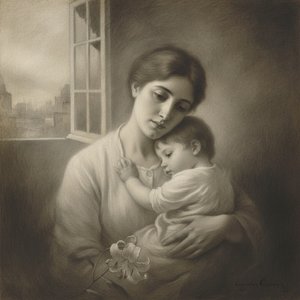
Eugène Carrière: The 'Peintre d'Âme' & Symbolist Portraiture’s Intimate Vision
Explore the haunting world of Eugène Carrière, a pivotal French Symbolist artist known for his deeply intimate portraits & 'peinture d'âme'. Discover his life, style, and lasting influence on modern masters like Picasso. Shop high-quality reproductions at TopImpressionists.

Sacred Narratives Embodied: A Comprehensive Exploration of Religious Iconography in Art History
Explore the rich history of religious iconography in art! Discover symbolism, movements & masterpieces from Byzantine to Renaissance periods. Expert insights for collectors and enthusiasts at TopImpressionists.

Charles Le Brun: Master of French Baroque Classicism & His Enduring Legacy
Explore the life & art of Charles Le Brun, master of French Baroque Classicism. Discover his royal commissions, influence on Versailles, and enduring legacy through detailed analysis & stunning artworks.