

 Podgląd w skali 1:1
 Wyślij jako kartkę
 Udostępnij
 Szczegóły dzieła
 Przewodnik

 Pobierz obraz
 Podobne obiekty
 RTG
RTG Pokaz slajdów
 Q&A
Q&A Statystyki
The Arab Falconer

- 109.0 x 72.0 cm


Eugene Fromentin’s "The Arab Falconer" (1864) captures a dramatic scene of equestrian hunting in the Romantic style. A hand-painted reproduction, perfect for art collectors.
 Rozwiń treść
"meta_description": "Eugène Fromentin (1820-1876) – francuski malarz orientalisty i pisarz. Znany z barwnych obrazów Algierii, fascynujących krajobrazów i krytyki sztuki, szczególnie 'Mistrzowie dawni'. Jego twórczość łączy piękno natury z głębokim zrozumieniem kultury."
Giclée / Wydruk artystyczny
Wydruki giclée lub płótna o jakości muzealnej, szybka realizacja i szeroki wybór opcji wykończenia. ( Zamów ręcznie malowaną reprodukcję Przejdź do wersji cyfrowej)




P118B zł10

P118H zł10

P118W zł10

P438Z zł10

P508JH zł12

P508YH zł12

P805H zł10

P805Z zł10

P919BZ zł10

P919G zł10

P919XJ zł10

P959ZH zł10

P968JZ zł12

W106C zł8

W218G zł10

W218JH zł8

W218Y zł10

W307PJ zł10

W316G zł10

W316PJ zł8

W316Y zł10

W398PJ zł8

W4111J zł10

W500HY zł15

W500JH zł15

W692G zł12

W849H zł8

W940BG zł15

W953PJ zł8




Standardowy format
personalizowane
CM
INCH
Wybierz spośród naszych standardowych rozmiarów, które zachowują oryginalne proporcje dzieła sztuki.
Loading sizes...

szerokość
wysokość
Wpisz wymaganą szerokość i wysokość, aby dopasować grafikę do ramy lub ściany. Wydruk można jedynie przyciąć, nigdy nie powiększając go poza oryginalny obraz, dlatego format o innych proporcjach spowoduje utratę części kompozycji. Przed rozpoczęciem druku prześlemy Ci cyfrowy podgląd do zatwierdzenia. Obraz wyświetlany na tej stronie nie pokazuje rzeczywistego przycięcia — jedynie podgląd oddaje ten efekt.
Dostawa na cały świat () w ciągu 2 tygodni zamiast standardowych 4/5 tygodni. (1 Listopad)

Bezpłatna ekspresowa wysyłka na cały świat

Wysokiej jakości płótno lniane

Pełne ubezpieczenie przesyłki

Gwarancja zwrotu należności celnych i podatków importowych

Gwarancja wiernego odwzorowania kolorów

100-dniowa polityka zwrotów (tylko w przypadku wad)

Gwarancja 100% zwrotu pieniędzy

Zniżka przy zakupie wielu sztuk
 Opcja ze szkłem jest dostępna wyłącznie w rozmiarach poniżej 110 cm

The Arab Falconer
Giclée / Wydruk artystyczny
Wymiary reprodukcji
-


Cena całkowita
zł 268
A first version of The Arab Falconer (Chrysler Museum of Art, Norfolk, Va.) was included in the Salon of 1863. The present picture was painted the following year. It reverses the composition and differs in its details.
Pytania i odpowiedzi
Jakie są wymiary oryginału "The Arab Falconer"?
Oryginalny utwór „The Arab Falconer” – Eugène Fromentin ma wymiary 109 x 72 cm.
Jak kolory w dziele "The Arab Falconer" współgrają ze sobą?
Harmonia kolorystyczna dzieła "The Arab Falconer" została określona jako Unified Palette.
W jaki sposób „The Arab Falconer” – Eugène Fromentin łączy Romanticism z krajem pochodzenia artysty?
"The Arab Falconer" powstało dzięki Eugène Fromentin, urodzonemu w Francja, w ramach nurtu Romanticism. Pochodzenie artysty wiąże to dzieło z Romanticism w wydaniu twórców z Francja.
Biografia artysty
Eugène Fromentin (1820–1876): French Painter & Writer Celebrated for His Evocative Orientalist Scenes of Algeria, Masterful Use of Color, and Insightful Art Criticism in ‘The Old Masters’
Eugène Fromentin (ur. 24 października 1820 w La Rochelle, zm. 26 sierpnia 1876 tamże) – francuski malarz, krytyk sztuki i pisarz. W 1843 ukończył studia prawnicze, równocześnie zajmował się malarstwem i literaturą. Dużo podróżował, m.in. do Algierii i Egiptu, co miało silny wpływ na jego twórczość. Jego prace malarskie, inspirowane dziełami m.in. Eugène Delacroix, charakteryzowały nastrojowość i bogatą kolorystykę. Tworzył kompozycje orientalne, sceny rodzajowe (Czarni kuglarze, 1859), pejzaże i epizody z polowań (Polowanie z sokołami, 1863). W 1875 przebywał w Belgii i Holandii i zainspirowany dawnym malarstwem mistrzów niderlandzkich, flamandzkich i holenderskich, napisał pracę teoretyczną „Mistrzowie dawni” (1876), dzięki której powróciło zainteresowanie sztuką tego regionu. Napisał powieść Dominique.Early Life and Artistic Training
Eugène Fromentin’s early life unfolded in La Rochelle, France, a port city steeped in maritime history. Born into a family with modest means, he initially pursued legal studies—a path deemed respectable by his parents—but quickly realized that law offered little resonance to his burgeoning artistic inclinations. Recognizing this divergence, Fromentin abandoned his academic ambitions and wholeheartedly embraced painting, marking the beginning of a transformative journey. His formative years were spent under the tutelage of Louis Cabat, a respected landscape painter who instilled in him foundational techniques and fostered an appreciation for capturing the grandeur of nature. This early training proved invaluable as it laid the groundwork for Fromentin’s subsequent explorations into Romanticism—specifically influenced by Eugène Delacroix—whose bold color palettes and dynamic compositions profoundly shaped his artistic vision.The Magnetic Pull of Algeria: An Orientalist Vision
Fromentin's artistic trajectory took an irreversible turn with his first expedition to Algeria in 1845. This wasn’t merely a quest for picturesque vistas; it was an immersion into a culture radically distinct from his own upbringing—a world pulsating with exoticism and untamed beauty. He returned repeatedly to North Africa, each visit deepening his understanding of the land and its inhabitants. These travels weren't undertaken as a detached observer documenting Algeria for European audiences; rather, he approached the region with genuine fascination, striving to convey its intrinsic splendor—as Delacroix himself eloquently described it: “the unconscious grandeur of barbarian and animal attitudes and gestures.” This unwavering dedication established Fromentin as a pivotal figure in the Orientalist movement, albeit one distinguished by remarkable realism and sensitivity. Paintings like Les Gorges de la Chiffa (1847), which garnered considerable acclaim at the Salon that year, demonstrated his ability to capture both the dramatic landscapes of Algeria and the subtle nuances of daily life within its communities.Masterpieces: Capturing Light and Movement
Fromentin’s artistic output produced several celebrated works that exemplify his mastery of technique and expressive vision. Les Gorges de la Chiffa remains a cornerstone of his oeuvre, showcasing his masterful command of color and composition—elements characteristic of Delacroix's style. Similarly, Arabs Resting (1871) portrays the tranquility of Algerian life with remarkable detail, capturing the diffused light filtering through the desert foliage. Yet, perhaps Fromentin’s most enduring achievement lies in his depiction of movement—particularly evident in Moroccan Horsemen at the Foot of the Chiffra Cliff (1871). The dynamic poses of the riders and the expansive cliff face convey a palpable sense of energy and grandeur, reflecting Fromentin's profound understanding of how light interacts with form. Furthermore, his meticulous attention to atmospheric perspective—a technique honed during his travels—elevates these paintings beyond mere representations of scenery; they become immersive experiences for the viewer.Literary Pursuits: Exploring Themes of Beauty and Perception
Beyond painting, Fromentin cultivated a prolific literary career that complemented his artistic endeavors. His travelogues—Un Été dans le Sahara (1857) and Une Année dans le Sahel (1858)—provided vivid accounts of his explorations into the Algerian desert and Sahel region, capturing not only the physical landscape but also the cultural traditions and daily routines of its people. These narratives underscored Fromentin’s belief that art and literature could illuminate shared human experiences—a conviction reflected in his meticulous observation and empathetic portrayal of individuals encountered during his journeys. However, his most significant literary contribution was undoubtedly Les Maîtres d'autrefois (The Old Masters), published in 1876—a collection of essays delving into the artistic legacies of Rubens, Rembrandt, and other masters of the Northern Renaissance and Baroque periods. Fromentin approached these artists not merely as historical figures but as fellow creators grappling with similar aesthetic challenges—a perspective that resonated deeply with his contemporaries and cemented his reputation as a discerning art critic.Legacy and Influence
Eugène Fromentin’s death in Paris in 1876 signaled the culmination of an extraordinary artistic life—one characterized by unwavering devotion to observation, masterful technique, and a profound appreciation for beauty. His influence extended beyond his immediate circle, inspiring subsequent generations of artists interested in portraying exotic landscapes and cultures with sensitivity and authenticity. Fromentin’s legacy resides not only in his celebrated paintings but also in his insightful literary works—particularly Les Maîtres d'autrefois—which continue to stimulate debate and inspire scholarly study. He demonstrated that artistic vision could transcend disciplinary boundaries, enriching both his visual art and his prose—a testament to an artist who dared to venture beyond conventional norms and embrace the boundless possibilities of creative expression.
Eugène Fromentin
1820 - 1876 , Francja
Krótka nota
- Artistic Movement Or Style: Orientalism
- Artists Or Movements Influenced By This Artist: ['Subsequent Orientalists']
- Artists Who Influenced This Artist: ['Eugène Delacroix']
- Date Of Birth: August 27, 1820
- Date Of Death: December 28, 1876
- Full Name: Eugène Fromentin
- Nationality: French
- Notable Artworks:
- Les Gorges de la Chiffa
- Arabs Resting
- Moroccan Horsemen
- Place Of Birth: La Rochelle, France
Powiązane artykuły
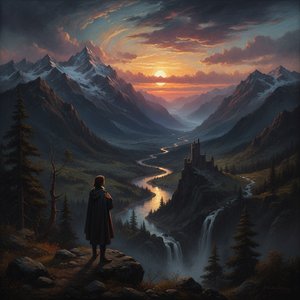
Capturing the Soul: The Emotional Majesty and Sublime Power of Romantic Landscape Painting
Explore the profound emotional depth of Romantic landscape painting. Discover how masters like Turner and Friedrich captured the sublime power of nature through intuition and imagination in this expert art history retrospective.

Capturing the Soul: A Journey Through the Emotion of Romantic Realism
Explore the profound emotion of Romantic Realism. Discover how 19th-century masters blended meticulous observation with raw human feeling to capture the soul through breathtaking oil paintings and timeless artistic legacies.

Whispers of Passion: Exploring the Emotional Beauty and Sublime Spirit of Romantic Art
Embark on an evocative journey through the emotional depths of Romantic art. Discover museum-quality, hand-painted oil reproductions and bespoke commissions that capture the sublime spirit of history. Expertly crafted for the discerning collector at TopImpressionists.com.

Capturing the Soul: The Emotional Magic and Sublime Grandeur of Romantic Landscape Painting
Explore the profound emotional depth of Romantic landscape painting. Discover how masters like Friedrich and Turner captured the sublime through light, shadow, and nature's power in this expert art history retrospective for discerning collectors.