


 Zobacz w skali 1:1
 Wyślij
 Udostępnij
 Szczegóły
 Przewodnik

 Pobierz plik obrazu
 Podobne obiekty
 RTG
RTG Pokaz slajdów
 Statystyki
Ring gymnast I
 Oil On Canvas
- WallArt
- Expressionism
 1911
1911- Modern
 178.0 x 146.0 cm
 National Gallery of Victoria
A powerful display of Nietzschean prowess defines this 1911 painting by Eugène Jansson, capturing a contorted male nude with vibrant blue contours that invites you to explore the vitality of early Expressionism.
 Czytaj więcej
Explore the captivating art of Eugène Jansson (1862-1915), a Swedish painter renowned for his atmospheric blue nocturnes & striking male nudes. Discover the 'blue painter' of Stockholm and his unique contribution to early Expressionism.
Giclée / Wydruk artystyczny
Wydruki giclée lub płótna o jakości muzealnej, szybka realizacja i szeroki wybór opcji wykończenia. ( Kup ręcznie malowany obraz Przełącz na wersję cyfrową)




P118B zł10

P118H zł10

P118W zł10

P438Z zł10

P508JH zł12

P508YH zł12

P805H zł10

P805Z zł10

P919BZ zł10

P919G zł10

P919XJ zł10

P959ZH zł10

P968JZ zł12

W106C zł8

W218G zł10

W218JH zł8

W218Y zł10

W307PJ zł10

W316G zł10

W316PJ zł8

W316Y zł10

W398PJ zł8

W4111J zł10

W500HY zł15

W500JH zł15

W692G zł12

W849H zł8

W940BG zł15

W953PJ zł8




Standardowy
na zamówienie
CM
INCH
Wybierz spośród naszych standardowych rozmiarów, które zachowują oryginalne proporcje dzieła sztuki.
Loading sizes...

szerokość
wysokość
Wpisz wymaganą szerokość i wysokość, aby dopasować grafikę do ramy lub ściany. Wydruk można jedynie przyciąć, nigdy nie powiększając go poza oryginalny obraz, dlatego format o innym proporcji spowoduje utratę części kompozycji. Przed rozpoczęciem druku prześlemy Ci cyfrowy podgląd do zatwierdzenia. Obraz wyświetlany na tej stronie nie pokazuje rzeczywistego przycięcia — jedynie podgląd oddaje ten efekt.
Dostawa na cały świat () w ciągu 2 tygodni zamiast standardowych 4/5 tygodni. (20 Październik)

Bezpłatna ekspresowa wysyłka na cały świat

Wysokiej jakości płótno lniane

Pełne ubezpieczenie transportowe

Gwarancja zwrotu należności celnych i podatków importowych

Gwarancja idealnego odwzorowania barw

100-dniowy okres na zwrot dzieła w przypadku wykrycia wad produkcyjnych

Gwarancja 100% zwrotu pieniędzy

Oferta przy zakupie wielu sztuk
 Opcja ze szkłem jest dostępna wyłącznie w rozmiarach poniżej 110 cm

Ring gymnast I
Giclée / Wydruk artystyczny
Rozmiar reprodukcji
-


Suma do zapłaty
zł 262
The Vitality of Form: A Study in Motion and Light
In the evocative masterpiece Ring gymnast I, created in 1911, the Swedish painter Eugène Jansson invites us into a realm where physical prowess meets profound artistic expression. The painting captures a moment of breathtaking suspended animation, depicting a male figure performing an acrobatic feat, his body contorted with grace and strength as he hangs from a rope. This is not merely a study of anatomy, but a celebration of the vitalist philosophy that pulsed through the early 20th century. Jansson, often celebrated for his melancholic blue nocturnes of Stockholm, shifts his focus here toward the raw, energetic spirit of the human form. The composition is masterfully balanced; while the gymnast’s body serves as the dynamic focal point, the surrounding architecture—defined by windows that pierce the interior space—provides a sense of depth and structural rhythm that anchors the viewer in this quiet, sunlit gymnasium.
The technique employed in this work reveals Jansson's evolution from a landscape painter to a master of the human figure. One cannot help but notice the startling, luminous blue line that traces the contours of the athlete’s physique. This deliberate use of color does more than define shape; it seems to electrify the muscles, imbuing the skin with an inner glow that suggests both heat and vitality. The brushwork is both precise and fluid, capturing the tension in the rope and the subtle shifts in light across the gymnast's skin. For collectors and interior designers, this piece offers a sophisticated interplay of light and shadow, making it a commanding presence that can breathe life into a contemporary or classical setting.
A Legacy of Strength and Controversy
To understand the emotional weight of Ring gymnast I, one must look toward the historical context of Jansson’s later career. Following his celebrated explorations of the Stockholm cityscape, Jansson turned his gaze toward the ritualistic beauty of the male nude, often finding inspiration in the bath-houses and gymnasiums of his home city. This period of his work was marked by a daring departure from tradition, a move that initially met with both fervent praise and sharp condemnation from the public. The painting reflects a time when the celebration of the healthy, disciplined body was deeply intertwined with the cultural zeitgeist of the 1912 Stockholm Olympic Games. There is a Nietzschean sense of power embedded in the gymnast's pose—a triumph of will over gravity.
For those seeking to adorn a space with art that tells a story of resilience and aesthetic courage, this reproduction serves as a profound centerpiece. It captures a fleeting second of athletic perfection, frozen in time through Jansson’s unique lens. The painting does not merely depict an exercise; it evokes the very essence of human potential. Whether placed in a curated gallery or a private study, Ring gymnast I resonates with an enduring energy, offering a window into a moment where art and physical excellence became one.
Pytania i odpowiedzi
Pod jakimi innymi nazwiskami znany jest Eugene Jansson?
Eugene Jansson występuje również pod innymi nazwiskami: Eugène Fredrik Jansson, Blåmålaren (The Blue Painter).
Jaka paleta barw została wykorzystana w „Ring gymnast I” autorstwa Eugene Jansson?
Paleta dzieła „Ring gymnast I” autorstwa Eugene Jansson jest opisywana jako Earthy. Stanowi ona zwięzłe zestawienie barw użytych w pracy.
Jakie wnętrze najlepiej współgra z kolorystyką „Ring gymnast I” autorstwa Eugene Jansson?
Biorąc pod uwagę jego Earthy kolorystykę, dzieło "Ring gymnast I" idealnie pasuje do Living Room.


Biografia artysty
A Life Bathed in Blue: The Enigmatic World of Eugène Jansson
Eugène Fredrik Jansson, born in Stockholm in 1862, was a Swedish painter whose work occupies a unique and haunting space within the landscape of late 19th and early 20th-century art. He wasn’t merely documenting his surroundings; he was translating an internal emotional state onto canvas, one steeped in melancholy, longing, and a profound sensitivity to light and atmosphere. Jansson's life, marked by chronic illness and a quiet introspection, profoundly shaped his artistic vision, leading him to become known as “Blåmålaren” – the Blue Painter – for his evocative nocturnal scenes of Stockholm. His story is not one of flamboyant social circles or dramatic breakthroughs, but rather a slow, deliberate exploration of color, form, and the human condition, culminating in a body of work that continues to resonate with its quiet power.Early Years and Artistic Formation
Jansson’s upbringing was relatively modest, his parents striving for cultural enrichment despite their position between the working class and lower middle class. This instilled in him an early appreciation for both art and music – he received piano lessons as a child. However, at fourteen, scarlet fever struck, leaving him with lasting health problems: impaired eyesight, hearing difficulties, and chronic kidney issues. These physical limitations undoubtedly contributed to his withdrawal from the bustling world and fostered a more internal focus. He initially studied at the Tekniska Skolan (now Konstfack) under Edvard Perséus, a portrait painter who provided foundational training. While accepted into the Royal Swedish Academy of Arts’ antique school in 1881, financial constraints prevented him from joining his peers in Paris, then the epicenter of artistic innovation. This meant Stockholm itself became his primary subject matter, and he remained largely within its confines for much of his career. His early works reflect this – assisting Perséus with portraits and experimenting with still lifes before discovering his signature style.The Nocturnes: Painting the Soul of a City
It was in the 1890s that Jansson truly found his voice, embarking on a series of night scenes that would define his reputation. These weren’t simply depictions of Stockholm at night; they were explorations of mood and emotion rendered through an almost monochromatic palette dominated by shades of blue. He painted views over Riddarfjärden bay, as seen from his home on Södermalm, and streetscapes imbued with a sense of stillness and solitude. The brushstrokes are visible, expressive, contributing to the overall feeling of atmospheric haze and dreamlike quality. These paintings weren’t about precise representation; they were about capturing the *feeling* of being in Stockholm at night – the quiet hum of the city, the play of light on water, the sense of isolation amidst urban life. The influence of Impressionism is present, but Jansson pushed beyond its focus on fleeting moments of light to create something more deeply psychological. He wasn’t merely observing; he was internalizing and re-presenting his emotional response to the city around him.A Shift in Focus: The Male Nudes
Around 1904, Jansson's artistic focus underwent a significant transformation. While continuing to paint nocturnes, he began to create a series of male nudes, often depicted in intimate settings or with symbolic objects. These paintings are remarkable for their frankness and sensitivity, challenging the conventions of the time. They weren’t overtly erotic but rather explorations of beauty, vulnerability, and the human form. The exact reasons behind this shift remain debated, but it's likely a combination of personal exploration and a growing interest in symbolism and psychological themes. These nudes were often painted in private, away from public scrutiny, reflecting a deeply personal artistic endeavor. They are characterized by soft lighting, delicate modeling, and an overall sense of quiet contemplation.Legacy and Historical Significance
Eugène Jansson died in 1915, leaving behind a relatively small but profoundly impactful body of work. He didn’t achieve widespread recognition during his lifetime, remaining somewhat outside the mainstream art world. However, his paintings have gained increasing appreciation in recent decades, recognized for their unique aesthetic and psychological depth.- He is now considered a precursor to Expressionism
- His work anticipates the Symbolist movement’s exploration of inner states.
- Jansson's sensitive portrayal of male figures challenged societal norms.

Eugene Jansson
1862 - 1915
Najważniejsze informacje
- Artistic Movement Or Style: Early Expressionism
- Artists Who Influenced This Artist: ['Edvard Perséus']
- Date Of Birth: 1862
- Date Of Death: 1915
- Full Name: Eugène Fredrik Jansson
- Nationality: Swedish
- Notable Artworks:
- Night views over Riddarfjärden
- Street views from Södermalm
- Male nudes
Zobacz także powiązane artykuły

Azure Visions: Exploring Representations of the Blue Dress in Western Art History
Explore the rich history of the blue dress in Western art! Discover its symbolism, from Renaissance masterpieces to modern interpretations by artists like Martin & Schiele. Uncover cultural meanings and artistic techniques.

Urok Nagiego Ciała w Sztuce: Historyczna i Artystyczna Eksploracja Aktu
Poznaj fascynującą historię aktu w sztuce – od starożytnych korzeni po współczesne interpretacje. Analiza technik, wybitnych artystów i wpływu anatomii na przedstawianie ludzkiego ciała. Ekskluzywne artykuły dla miłośników sztuki.

Top 10 Sławnych Obrazów w Odcieniach Szaroniebieskiego – Inspiracje dla Wnętrz | TopImpressionists.com
Odkryj 10 najsłynniejszych obrazów w odcieniach szaroniebieskiego! Poznaj historie Claude Moneta, Degasa i Van Gogha. Inspiracje wnętrzarskie i reprodukcje najwyższej jakości na TopImpressionists.com – sztuka dla Twojego domu.
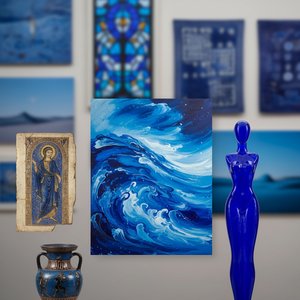
Błękit w Sztuce: Symbolika, Historia i Psychologiczne Oddziaływanie Koloru
Odkryj fascynującą historię błękitu w sztuce! Poznaj symbolikę, psychologię i wpływ tego koloru na arcydzieła renesansu i współczesne trendy. Ekspercka analiza dla miłośników sztuki.

Nagość w Sztuce: Od Klasycznej Harmonii do Współczesnych Interpretacji
Odkryj fascynującą historię nagiego ciała w sztuce – od antycznych ideałów piękna po współczesne interpretacje. Analiza symboliki, wpływ humanizmu i klasycyzmu na przedstawianie formy ludzkiej. Ekspercka analiza obrazów.