


 Zobacz w skali 1:1
 Wyślij
 Udostępnij
 Szczegóły
 Przewodnik

 Pobierz plik obrazu
 Podobne obiekty
 RTG
RTG Pokaz slajdów
 Statystyki
Sagittarius


Fernando Gallego's 'Sagittarius' depicts a heroic archer amidst celestial stars and a soaring bird. A masterful example of Hispano-Flemish art, showcasing dynamic composition & rich detail.
 Czytaj więcej
Fernando Gallego (ok. 1440-1507) był kluczowym kastylijskim malarzem stylu hispano-flamandzkiego. Znany z bogatych ołtarzy, żywego iluzjonizmu i dzieł takich jak Retablo of Ciudad Rodrigo. Poznaj jego dziedzictwo!
Ręcznie malowana reprodukcja olejowa
Ręcznie malowany obraz olejny na płótnie, wykonany na zamówienie przez naszych artystów w wybranym przez Ciebie wymiarze i oprawie. ( Przełącz na wersję drukowaną Przełącz na wersję cyfrową)




P118B zł10

P118H zł10

P118W zł10

P438Z zł10

P508JH zł12

P508YH zł12

P805H zł10

P805Z zł10

P919BZ zł10

P919G zł10

P919XJ zł10

P959ZH zł10

P968JZ zł12

W106C zł8

W218G zł10

W218JH zł8

W218Y zł10

W307PJ zł10

W316G zł10

W316PJ zł8

W316Y zł10

W398PJ zł8

W4111J zł10

W500HY zł15

W500JH zł15

W692G zł12

W849H zł8

W940BG zł15

W953PJ zł8




Standardowy
na zamówienie
CM
INCH
Wybierz spośród naszych standardowych rozmiarów, które zachowują oryginalne proporcje dzieła sztuki.
Loading sizes...

szerokość
wysokość
Wpisz wymaganą szerokość i wysokość, aby obraz pasował do Twojej ramy lub ściany. Ponieważ jest to dzieło malowane ręcznie, w przypadku rozmiaru o innym proporcji artysta może domalować nieco więcej wokół obrazu lub przyciąć fragmenty — wybór należy do Ciebie. Przed rozpoczęciem pracy prześlemy Ci cyfrową wizualizację do zatwierdzenia. Obraz widoczny na tej stronie nie przedstawia rzeczywistego efektu — jedynie wizualizacja oddaje realny rezultat.
Przykłady możliwych zmian: Zamień twarz na zdjęcie klienta; Dodaj zwierzę domowe (np. zamień kota na psa); Ukryj wiadomość w tle; Zmień krajobraz lub elementy tła.
Po złożeniu zamówienia zespół TopImpressionists.com skontaktuje się z klientem drogą mailową w celu uzyskania instrukcji i prześle wizualizację projektu
Po złożeniu zamówienia zespół TopImpressionists.com skontaktuje się z klientem drogą mailową w celu uzyskania instrukcji i prześle wizualizację projektu
Dostawa na całym świecie () w ciągu 3–4 tygodni zamiast standardowych 5 tygodni. (23 Październik). Bez kompromisów w kwestii jakości.

Bezpłatna ekspresowa wysyłka na cały świat

Wysokiej jakości płótno lniane

Pełne ubezpieczenie transportowe

Gwarancja zwrotu należności celnych i podatków importowych

Gwarancja idealnego odwzorowania barw

100-dniowy okres na zwrot dzieła w przypadku wykrycia wad produkcyjnych

Gwarancja 100% zwrotu pieniędzy

Oferta przy zakupie wielu sztuk
 Opcja ze szkłem jest dostępna wyłącznie w rozmiarach poniżej 110 cm

Sagittarius
Technika wykonania
Rozmiar reprodukcji
-


Suma do zapłaty
zł 1033
Fernando Gallego’s Sagittarius: A Tapestry of Myth and Majesty
The painting “Sagittarius,” attributed to the Spanish master Fernando Gallego (c. 1440 – 1507), is not merely a depiction of an archer; it's a vibrant portal into the heart of ancient mythology, rendered with a meticulous realism that speaks volumes about the artistic currents of late 15th-century Castile. Gallego, a pivotal figure in the burgeoning Hispano-Flemish style – a synthesis of Northern European precision and Iberian warmth – crafted this piece likely for an altarpiece, imbuing it with a solemnity and narrative power characteristic of his religious commissions. The painting’s enduring appeal lies not just in its technical skill but also in its ability to distill the essence of Sagittarius, the zodiac sign associated with travel, wisdom, and philosophical inquiry – qualities embodied by the figure at its center.
The subject itself is instantly recognizable: a powerfully built man, clad in armor and helmet, poised to release an arrow. However, Gallego elevates this familiar image through a masterful use of detail and composition. The archer’s stance is dynamic, suggesting both readiness and control; his gaze is fixed on the distant target, inviting the viewer into the scene. Crucially, he's not simply shooting at a mark; he’s engaged in a symbolic act – an embodiment of Sagittarius’s quest for knowledge and truth. The surrounding landscape, rendered with a subtle yet effective illusionistic depth, hints at a vast, open world, mirroring the sign’s association with exploration and adventure. Notice the careful rendering of textures: the gleam of the armor, the rough bark of the trees, the flowing fabric of the man's garments – all contribute to a sense of tangible reality.
The Echoes of Flemish Influence
Gallego’s style is deeply rooted in the artistic innovations sweeping through Northern Europe at the time. Like many Spanish artists working during this period, he was profoundly influenced by the Flemish masters, particularly Rogier van der Weyden and Simon Marmion. This influence manifests itself in several key ways: the meticulous attention to detail, the use of oil paint to achieve rich colors and subtle gradations, and a penchant for depicting figures with a remarkable sense of volume and realism. However, Gallego doesn’t simply mimic his Flemish predecessors; he adapts their techniques to create a distinctly Iberian aesthetic. The palette is warmer, more vibrant than typical Flemish works, reflecting the Spanish tradition of using bright pigments and incorporating gold leaf – elements that add an opulent quality to the painting.
Furthermore, Gallego demonstrates a sophisticated understanding of perspective and spatial relationships, hallmarks of Flemish art. The use of aerial perspective—where distant objects appear paler and less detailed—creates a convincing sense of depth and atmosphere. This technique, combined with the carefully arranged composition, draws the viewer’s eye towards the central figure and invites contemplation.
Symbolism and Mythological Resonance
Beyond its purely visual qualities, “Sagittarius” is rich in symbolic meaning. The archer himself represents Sagittarius's defining characteristic: the pursuit of knowledge and enlightenment. The arrow, a potent symbol of direction and purpose, signifies the path one must follow to achieve wisdom. The distant target embodies the ultimate goal – truth itself. The two stars visible on either side of the scene further enhance this symbolism, representing celestial guidance and divine inspiration. The bird soaring above the archer adds another layer of meaning, suggesting freedom, aspiration, and a connection to the heavens.
Interestingly, Sagittarius is associated with Chiron, the centaur who was renowned for his wisdom and skill as a healer and teacher in Greek mythology. Gallego’s depiction subtly evokes this legendary figure, reinforcing the painting's message of knowledge, guidance, and the pursuit of virtue. The image resonates deeply with the philosophical and spiritual currents of the Renaissance, which emphasized human potential and the importance of seeking truth through reason and experience.
A Legacy in Reproduction
Today, “Sagittarius” by Fernando Gallego stands as a testament to the enduring power of art to capture both the beauty and the complexity of the human experience. Reproductions offer an accessible way to appreciate this remarkable work, bringing its rich symbolism and artistic mastery into homes and galleries worldwide. When selecting a reproduction, consider the quality of materials used – archival-quality prints on canvas or fine art paper will ensure that the colors remain vibrant for generations to come. This painting is more than just a beautiful image; it’s a window into a bygone era, inviting us to contemplate the timeless themes of wisdom, knowledge, and the pursuit of truth.
Pytania i odpowiedzi
Czy mogę użyć rozszerzonej rzeczywistości, aby zobaczyć „Sagittarius” autorstwa Fernando Gallego w swoim pokoju?
Strona Podgląd AR dzieła „Sagittarius” autorstwa Fernando Gallego wykorzystuje rozszerzoną rzeczywistość, aby pokazać obraz w Twojej własnej przestrzeni za pomocą kompatybilnego urządzenia.
W jaki sposób styl dzieła "Sagittarius" odnosi się do epoki jego twórcy?
"Sagittarius" należy do nurtu Hispano-Flemish Style, a jego twórca tworzył w epoce Renesans.
Jaki dominujący odcień przenika „Sagittarius” autorstwa Fernando Gallego?
Dominującym odcieniem dzieła „Sagittarius” autorstwa Fernando Gallego jest Ochre to Sepia. Odcień ten stanowi bazową tonację palety barw.
Biografia artysty
Fernando Gallego: Mistrz stylu hiszpańsko-flamandzkiego
Fernando Gallego, nazwisko często spowite tajemnicą, a jednak głęboko rezonujące w historii sztuki hiszpańskiej, był kastylijskim malarzem, który rozkwitł na przełomie XV i XVI wieku. Urodzony około 1440 roku w Salamance i tragicznie zmarły przed 1507 rokiem, przeżył lata kluczowego przejścia artystycznego – momentu, w którym północnoeuropejski realizm spotkał się z rodzącymiymi się ideałami włoskiego renesansu. Dziedzictwo Gallego nie definiują pojedyncze, monumentalne arcydzieła, lecz niezwykle płodna twórczość precyzyjnie wykonanych paneli religijnych, w szczególności ołtarzy i retablos, które stanowią bezcenne źródło wiedzy o kulturze wizualnej jego epoki. Choć definitywne szczegóty biograficzne pozostają nieuchwytne, śledzenie jego dzieł poprzez atrybucje i zapisy historyczne kreśli fascynujący obraz artysty głęboko zainspirowanego malarstwem flamandzkim, zwłaszcza twórczością Rogiera van der Weyden, a jednocześnie mocno zakorzenionego w hiszpańskiej tradycji artystycznej.Wczesne lata i edukacja artystyczna – cień niepewności
Dokładne źródła edukacji artystycznej Fernando Gallego pozostają nieuchwytne, co od dawna intryguje historyków sztuki. Mimo spekulacji łączących go z warsztatami w Salamance i innych regionach, konkretne dowody są niezwykle ograniczone. Prawdopodobnie rozpoczął swoją karierę w tętniącym życiem środowisku artystycznym Kastylii i Extremadury – regionów słynących wówczas z bogatego mecenatu religijnego. Dominująca teoria sugeruje silny związek z malarstwem flamandzkim, szczególnie w zakresie naturalistycznego ujęcia formy i technicznej biegłości widocznej w dziełach Rogiera van der Weyden – stylu charakteryzującego się drobiazgowym detalem, głębokim rezonansem emocjonalnym oraz wyrafinowanym wykorzystaniem światła i cienia. Wczesne malarstwo niderlandzkie, ze swoim żywym iluzjonizmem i złożoną ikonografią, wywarło głęboki wpływ na podejście Gallego do kompozycji i przedstawiania postaci. Przypuszcza się, że mógł spędzić czas na studiach we Flandrii, choć pozostaje to niepotwierdzone. Co ciekawe, dzieła przypisywane mu często wykazują podobieństwa stylistyczne z Francisco Gallego, jego prawdopodobnym asystentem – relacja ta dodaje kolejną warstwę złożoności do zrozumienia rozwoju artystycznego mistrza.Rozkwit kariery: Ołtarze i retablos
Kariera Gallego była w dużej mierłości poświęcona tworzeniu niewielkich paneli przeznaczonych do wkomponowania w większe ołtarze, znane jako retablos. Te pełne pobożności dzieła stanowiły centrum życia religijnego w XV-wiecznej Hiszpanii, służąc jako punkty skupienia modlitwy oraz wizualne narracje w kościołach i kaplicach. Umiejętność Gallego objawiała się nie tylko w biegłości technicznej – czego dowodem jest gładka aplikacja farby, precyzyjne oddanie draperii i realistyczne portretowanie postaci ludzkich – ale także w zdolności do nasycania tych scen wyczuwalnym dramatyzmem i intensywnością emocjonalną. Często przedstawiał historie biblijne, żywoty świętych oraz epizody z historii chrześcijaństwa, stosując starannie wyważoną równowagę między realizmem a reprezentacją symboliczną. Szczególnie godnym uwagi przykładem jest Retablo z Ciudad Rodrigo, monumentalne dzieło podjęte we współpracy z Mistrzem Bartolomé, ukazujące niezwykłą dbałość Gallego o detal oraz jego zdolność do integrowania wielu narracji w obrębie jednego panelu. Skala tego projektu – świadectwo znaczenia sztuki religijnej tamtych czasów – podkreśla pozycję Gallego jako czołowego artysty w Kastylii.Wybitne dzieła i techniki artystyczne
Wśród zachowanych prac Gallego kilka wyróżnia się wyjątkową wartością artystyczną i znaczeniem historycznym. „Madonna Królów Katolickich”, znajdująca się w Muzeum Getty, stanowi przykład mistrzowskiego wykorzystania koloru, światła i kompozycji do stworzenia głęboko poruszającego przedstawienia Matki Bożej i Dzieciątka Jezus. „Ara” (Niebo Salamanki), rozległy fresk zdobiący Uniwersytet w Salamance, reprezentuje wyjątkowe osiągnięcie – monumentalne przedsięwzięcie demonstrujące ambicję i umiejętności techniczne artysty. Ten fresk, przedstawiający sceny astronomiczne i konstelacje, ukazuje jego zdolność do przekładania złożonych koncepcji naukowych na angażujące wizualnie obrazy. Gallego pracował głównie techniką olejną na panelu, choć w swoich wczesnych dziełach wykorzystywał również temperę. Jego skrupulatna uwaga do detalu, połączona ze zrozumieniem perspektywy i relacji przestrzennych, zaowocowała niezwykle realistyczną i żywotną jakością jego malarstwa. Znany był z mozolnego indywidualizowania postaci w swoich scenach, co wzmacniało ich dramatyzm, jednocześnie prezentując jego kunszt techniczny.Dziedzictwo i znaczenie historyczne
Wpływ Fernando Gallego na sztukę hiszpańską jest znaczący, mimo ograniczonej dokumentacji dotyczącej jego życia. Reprezentuje on kluczowe ogniwo między wczesnymi wpływami flamandzkimi, które kształtowały XV-wieczną Hiszpanię, a rozkwitającym stylem renesansowym, który wkrótce miał zdominować krajobraz artystyczny. Jego twórczość dostarcza cennych informacji o wierzeniach religijnych, zwyczajach społecznych i praktykach artystycznych jego czasów. Choć często pozostawał w cieniu bardziej sławnych współczesnych, wkład Gallego w rozwój malarstwa hiszpańskiego jest niezaprzeczalny. Ciągłe badanie jego retablos i paneli otwiera okno na świat pobożności XV-wiecznej Hiszpanii, ujawniając bogactwo informacji o ikonografii religijnej, technikach artystycznych oraz życiu tych, którzy zamawiali i podziwiali te potężne dzieła sztuki. Jego dziedzictwo trwa poprzez piękno i emocjonalny rezonans jego obrazów, przypominając nam o nieprzemijającej mocy wizualnego opowiadania historii, która łączy odbiorców ponad wiekami.
Fernando Gallego
1440 - 1507 , Hiszpania
Najważniejsze informacje
- Artistic Movement Or Style: Styl hiszpańsko-flamandzki
- Artists Who Influenced This Artist: ['Rogier van der Weyden']
- Date Of Birth: ok. 1440, Salamanka
- Date Of Death: 1507, Salamanka
- Full Name: Fernando Gallego
- Nationality: kastylijski
- Notable Artworks:
- Niebo Salamanki
- Retablo z Ciudad Rodrigo
- Pieta (Muzeum Getty)
- Place Of Birth: Salamanka, Hiszpania
Zobacz także powiązane artykuły

The Noble Steed on Canvas: A Historical & Artistic Exploration of Horse Painting Across Cultures
Explore the rich history of horse painting! Discover masterpieces from Stubbs to Munnings & learn about symbolism, techniques & artists. Find museum-quality reproductions at TopImpressionists.

Konie jako Muzy w Sztuce: Historyczna i Artystyczna Eksploracja Końskiego Wizerunku
Odkryj fascynującą historię koni w sztuce! Eksploracja końskiego wizerunku od mitologii po współczesność. Analiza symboliki, gatunków i wpływowych dzieł malarskich. Poznaj bogactwo artystycznej interpretacji konia.
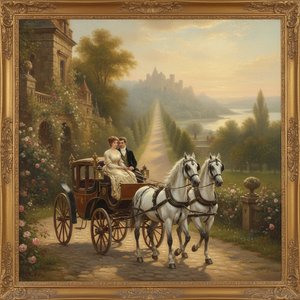
Timeless Elegance: A Visual Journey Through the Romance of Horse Carriage Artworks
Embark on a visual journey through the romantic world of horse carriage art. Discover the mastery of equestrian oil paintings, from Impressionist textures to classical realism, and learn how to bring timeless elegance into your home with museum-quality reproductions.

10 Arcydzieł Ekspresjonizmu Niemieckiego, Które Zdefiniowały Epokę | TopImpressionists
Poznaj 10 arcydzieł ekspresjonizmu niemieckiego – od Kirchnera po Muncha. Odkryj historię, emocje i techniki tych ikonicznych dzieł sztuki. Reprodukcje najwyższej jakości na TopImpressionists.com. Eksploruj kolekcję online!

Konie w sztuce: Symbolika, reprezentacje i ewolucja motywu od starożytności do współczesności
Odkryj fascynującą historię koni w sztuce! Poznaj symbolikę, reprezentacje i ewolucję motywu od starożytności do współczesności. Ekspercka analiza dla miłośników sztuki i historii.