


 Zobacz w skali 1:1
 Wyślij
 Udostępnij
 Szczegóły
 Przewodnik

 Pobierz plik obrazu
 Podobne obiekty
 RTG
RTG Pokaz slajdów
 Statystyki
triptych, august, 1972 a


Triptych, August 1972 A - This unsettling painting depicts a man slumped on a chair with his head bowed, capturing Bacon's signature exploration of psychological torment and visceral emotion. Influenced by Surrealism and Expressionism, it showcases a haunting gaze and a desolate interior.
 Czytaj więcej
Odkryj mroczną wizję Francis Bacon'a – "Ukrzyżowanie" (1965). Ten poruszający tryptyk to brutalna eksploracja ludzkiego cierpienia i egzystencjalnego lęku. Sztuka, która wstrząsa i zmusza do refleksji.
Dzieło sztuki prezentowane na tej stronie podlega ochronie prawem autorskim, co oznacza, że nie mamy prawa do tworzenia ani sprzedaży jego identycznej reprodukcji. Ochrona ta jest egzekwowana na mocy umów międzynarodowych, takich jak Konwencja berneńska oraz przez przepisy prawa krajowego, w tym te określone w Prawo autorskie USA – Tytuł 17.
Jako pełną szacunku i legalną alternatywę oferujemy personalizowane, malowane ręcznie dzieła sztuki inspirowane oryginałem. Nasi wykwalifikowani i profesjonalni artyści starannie analizują styl, nastrój oraz artystyczną esencję pierwowzoru, aby stworzyć nowe, unikalne dzieło, które przywołuje te same emocje – pozostając jednocześnie w pełni oryginalną kreacją.
Metoda ta jest w pełni zgodna z przepisami prawa autorskiego, ponieważ nie polega na kopiowaniu ani powielaniu chronionego dzieła. Stanowi ona kreatywną reinterpretację – nowy obraz, który czerpie inspirację z oryginału, ale nie jest z nim tożsamy.
Ręcznie malowana reprodukcja olejowa
Ręcznie malowany obraz olejny na płótnie, wykonany na zamówienie przez naszych artystów w wybranym przez Ciebie wymiarze i oprawie. ( Przełącz na wersję drukowaną Przełącz na wersję cyfrową)




P118B zł10

P118H zł10

P118W zł10

P438Z zł10

P508JH zł12

P508YH zł12

P805H zł10

P805Z zł10

P919BZ zł10

P919G zł10

P919XJ zł10

P959ZH zł10

P968JZ zł12

W106C zł8

W218G zł10

W218JH zł8

W218Y zł10

W307PJ zł10

W316G zł10

W316PJ zł8

W316Y zł10

W398PJ zł8

W4111J zł10

W500HY zł15

W500JH zł15

W692G zł12

W849H zł8

W940BG zł15

W953PJ zł8




Standardowy
na zamówienie
CM
INCH
Wybierz spośród naszych standardowych rozmiarów, które zachowują oryginalne proporcje dzieła sztuki.
Loading sizes...

szerokość
wysokość
Wpisz wymaganą szerokość i wysokość, aby obraz pasował do Twojej ramy lub ściany. Ponieważ jest to dzieło malowane ręcznie, w przypadku rozmiaru o innym proporcji artysta może domalować nieco więcej wokół obrazu lub przyciąć fragmenty — wybór należy do Ciebie. Przed rozpoczęciem pracy prześlemy Ci cyfrową wizualizację do zatwierdzenia. Obraz widoczny na tej stronie nie przedstawia rzeczywistego efektu — jedynie wizualizacja oddaje realny rezultat.
Przykłady możliwych zmian: Zamień twarz na zdjęcie klienta; Dodaj zwierzę domowe (np. zamień kota na psa); Ukryj wiadomość w tle; Zmień krajobraz lub elementy tła.
Po złożeniu zamówienia zespół TopImpressionists.com skontaktuje się z klientem drogą mailową w celu uzyskania instrukcji i prześle wizualizację projektu
Po złożeniu zamówienia zespół TopImpressionists.com skontaktuje się z klientem drogą mailową w celu uzyskania instrukcji i prześle wizualizację projektu
Dostawa na całym świecie () w ciągu 3–4 tygodni zamiast standardowych 5 tygodni. (25 Październik). Bez kompromisów w kwestii jakości.

Bezpłatna ekspresowa wysyłka na cały świat

Wysokiej jakości płótno lniane

Pełne ubezpieczenie transportowe

Gwarancja zwrotu należności celnych i podatków importowych

Gwarancja idealnego odwzorowania barw

100-dniowy okres na zwrot dzieła w przypadku wykrycia wad produkcyjnych

Gwarancja 100% zwrotu pieniędzy

Oferta przy zakupie wielu sztuk
 Opcja ze szkłem jest dostępna wyłącznie w rozmiarach poniżej 110 cm

triptych, august, 1972 a
Technika wykonania
Rozmiar reprodukcji
-


Suma do zapłaty
zł 1032
A Visceral Encounter with the Human Condition
In the hauntingly profound Triptych, August 1972 A, Francis Bacon invites the viewer into a space where the boundaries between the physical body and psychological torment dissolve. This masterpiece serves as a visceral confrontation with fear, vulnerability, and the inescapable awareness of mortality. Rather than offering the comfort of traditional portraiture, which seeks to capture a stable likeness, Bacon presents a fragmented reality. The central figure, seated in a state of profound isolation, appears caught in a moment of existential crisis, his posture slumped and his expression obscured by a sense of deep-seated dread. It is an artwork that does not merely ask to be seen, but demands to be felt, pulling the observer into a silent dialogue with the shadows of the human psyche.
The technique employed in this triptych is nothing short of masterful, characterized by a deliberate abrasiveness that mirrors the artist's internal struggles. Bacon utilizes a heavy, gestural application of oil paint, where thick impasto meets frantic scraping and manipulation with palette knives. This creates a rugged, fleshy surface texture that evokes the very sensation of decaying skin or wounded muscle. The color palette is intentionally somber, dominated by earthy ochres, bruised crimsons, and ghostly greys. These muted tones are not merely aesthetic choices; they act as conduits for an atmosphere of unease, ensuring that every brushstroke contributes to the pervasive sense of isolation and the weight of time passing.
The Echoes of History and Symbolism
To understand the profound emotional impact of this work, one must look toward the historical shadows that loomed over Bacon’s life. The pervasive atmosphere of dread within the triptych is inextricably linked to the collective trauma of the mid-2tem century, particularly the devastation witnessed during the London Blitz and the broader horrors of World War II. The distorted, fragmented figures are symbolic of a world shattered by conflict, reflecting a generation grappling with unprecedented uncertainty. In this work, the human form becomes a canvas for the scars of history, where the physical distortion of the subject serves as a metaphor for the psychological fragmentation caused by war and loss.
For the discerning collector or interior designer, Triptych, August 1972 A offers more than just a striking visual; it provides a profound intellectual and emotional anchor for a space. As a high-quality reproduction, this piece brings a sophisticated, avant-garde energy to any curated collection. It is an ideal selection for those who appreciate art that challenges the status quo and explores the deeper, often darker, layers of existence. Whether placed in a contemplative study or as a bold centerpiece in a modern gallery setting, this work continues to provoke thought, serving as a timeless testament to the power of expressionistic truth and the enduring complexity of the human spirit.
Pytania i odpowiedzi
Czy obraz „triptych, august, 1972 a” autorstwa Francis Bacon można swobodnie reprodukować?
Status praw autorskich dla „triptych, august, 1972 a” autorstwa Francis Bacon: dzieło znajduje się w nadal chronione prawem autorskim. Określa to, czy reprodukcje obrazu mogą być sporządzane swobodnie.
Jakiej kolorystyki używa "triptych, august, 1972 a"?
Kolory dzieła "triptych, august, 1972 a" tworzą Earthy paletę barw. Klasyfikacja ta opisuje dominujące rodziny kolorystyczne.
Jaki jest dominujący kolor w „triptych, august, 1972 a” autorstwa Francis Bacon?
Dominującym kolorem dzieła „triptych, august, 1972 a” autorstwa Francis Bacon jest Walnut (#684934).
Biografia artysty
Początki i burzliwa młodość Francisa Bacona
Francis Bacon, urodzony w Dublinie w 1909 roku, stał się jednym z najbardziej rozpoznawalnych i kontrowersyjnych artystów XX wieku. Jego twórczość, naznaczona surowością emocji i bezkompromisowym spojrzeniem na ludzką egzystencję, wywarła ogromny wpływ na rozwój malarstwa współczesnego. Wczesne lata Bacona nie były łatwe – częste przeprowadzki spowodowane chorobą matki zaszczepiły w nim poczucie braku stabilności i odosobnienia, które głęboko wpłynęło na jego światopogląd i znalazło odbicie w jego płótnach. Złożona relacja z wymagającym ojcem oraz silna więź z nianią, Jessie Lightfoot, ukształtowały jego wrażliwość emocjonalną. Początkowo zainteresowany wyścigami konnymi i hazardem, Bacon przez wiele lat dryfował między różnymi zajęciami, zanim w końcu, pod koniec lat dwudziestych, poświęcił się malarstwu – opóźniony start, który być może wzmocnił poczucie pilności i intensywności jego późniejszych prac. Nie miał formalnego wykształcenia artystycznego, zamiast tego torował sobie własną drogę, czerpiąc inspiracje z różnorodnych źródeł i rozwijając niepowtarzalny, często niepokojący język wizualny.Wpływy i kształtowanie się stylu
Artystyczne przebudzenie Bacona nie było natychmiastowe, lecz stopniowym procesem przyswajania wrażeń. Twórczość Pabla Picassa, a zwłaszcza zdeformowane figury z wczesnego okresu kubizmu, okazała się kluczowa w uwolnieniu go od tradycyjnej reprezentacji rzeczywistości. Inspirację czerpał również z poruszającej fotografii Egona Schiele’go, którego ekspresyjne zniekształcenia ludzkiej formy rezonowały z jego własnym rodzącym się fascynowaniem kruchością i podatnością na cierpienie. Decydującym momentem okazało się jednak przypadkowe spotkanie z filmem *Pancernik Potemkin* Siergieja Eisensteina. Wizualna siła filmu, szczególnie zbliżenie na krzyczącą twarz, stała się trwałym motywem w jego twórczości, symbolizując pierwotny lęk i głębię ludzkich cierpień. Podziwiał także mistrzów dawnych, zwłaszcza Diego Velázqueza, którego *Portret papieża Innocentego X* wielokrotnie reinterpretował na przestrzeni lat, przekształcając autorytatywną postać papieską w udręczonego ducha. Te wpływy nie były jedynie stylistycznymi zapożyczeniami; zostały przyswojone i przetworzone przez jego unikalną wrażliwość, dając początek wizji artystycznej, która była zarówno głęboko osobista, jak i powszechnie zrozumiała.Przełomowy moment i charakterystyczne cechy stylu
Prawdziwy przełom w karierze Bacona nastąpił wraz z *Tryptykiem: Studium postaci u podstawy krzyża* (1944), dziełem, które zszokowało i poruszyło publiczność powojennej Londynu. Ten tryptyk ustanowił jego charakterystyczny styl – zdeformowane, rozbite figury odizolowane w klaustrofobicznych przestrzeniach. Nie były to przedstawienia religijnego męczeństwa, lecz wizualne eksploracje ludzkiego bólu, pozbawione pocieszycielnej narracji i duchowego ukojenia. Jego obrazy często charakteryzują się rozmyte lub rozpływające się formy, oddając stan psychicznego niepokoju i fizycznej wrażliwości. Często wykorzystywał geometryczne struktury – klatki, pudła – aby ograniczyć swoje postaci, podkreślając ich izolację i bezsilność. Paleta Bacona była zazwyczaj stonowana i ponura, odzwierciedlająca mroczne tematy, które eksplorował, choć przetykana wybuchami intensywnych kolorów, które wzmacniały emocjonalny efekt. Użycie tych klatek nie było jedynie zabiegiem kompozycyjnym; symbolizowało inherentne ograniczenia i przeszkody narzucone ludzkiemu istnieniu. Dążył do uchwycenia nie tylko *tego*, jak rzeczy wyglądają, ale przede wszystkim *jak* się czują, przenosząc na płótno stany wewnętrzne lęku, strachu i rozpaczy z brutalną szczerością.Motywy śmiertelności, bólu i kondycji ludzkiej
Przez całą swoją bogatą karierę Bacon wielokrotnie powracał do pewnych motywów: ukrzyżowania jako symbolu cierpienia; portretów wnikających w psychologiczną intensywność jego modeli, często przyjaciół i kochanków, takich jak George Dyer; oraz autoportretów służących introspekcyjnym eksploracjom tożsamości i śmiertelności. Seria *Studium po Velázquezowskim Portrecie Papieża Innocentego X* (1953) jest być może jednym z jego najbardziej ikonicznych osiągnięć, przekształcając godny portret Velázqueza w krzyczący widm, uosabiający egzystencjalny lęk. Portrety George’a Dyera, jego burzliwego kochanka, są szczególnie przejmujące, oddając zarówno intensywność ich związku, jak i zbliżający się cień tragedii. Prace Bacona nie dotyczyły przedstawiania konkretnych osób; chodziło o eksplorację uniwersalnych tematów ludzkiej podatności na cierpienie, izolacji i nieuchronności śmierci. Nie stronił od ciemniejszych aspektów egzystencji, lecz konfrontował się z nimi bezpośrednio, zmuszając widzów do zmierzenia się z własną śmiertelnością i lękami.Trwałe dziedzictwo: kwestionowanie konwencji
Wpływ Francisa Bacona na sztukę XX wieku jest niezaprzeczalny. Podważył tradycyjne pojęcia reprezentacji, odrzucając idealizowaną piękność na rzecz surowego, bezkompromisowego portretu ludzkiej kondycji. Jego twórczość wywarła ogromny wpływ na pokolenia artystów, torując drogę nowym formom ekspresji i kwestionując konwencjonalne granice artystyczne.- Ekspresjonizm powojenny: Bacon jest uważany za kluczową postać tego ruchu, inspirując artystów swoim śmiałym stylem i psychologiczną głębią.
- Rekordy aukcyjne i wystawy muzealne: Jego obrazy nadal osiągają wysokie ceny na aukcjach i są prezentowane w najważniejszych muzeach na całym świecie, umacniając jego pozycję w historii sztuki.
- Konfrontacja z prawdą: Dziedzictwo Bacona tkwi w jego zdolności do konfrontowania niewygodnych prawd o ludzkim istnieniu i przekładania tych doświadczeń na potężne i niezapomniane obrazy.

Francis Bacon
1909 - 1992 , Irlandia
Najważniejsze informacje
- Artyści I Ruchy Zainspirowane Nim: ['Ekspresjonizm powojenny']
- Artyści, Którzy Wpłynęli Na Niego:
- Picasso
- Schiele
- Data Urodzenia: 28 października 1909
- Data Śmierci: 28 kwietnia 1992
- Miejsce Urodzenia: Dublin, Irlandia
- Narodowość: Irlandzko-brytyjska
- Pełne Imię I Nazwisko: Francis Bacon
- Ruch Artystyczny/Styl: Ekspresjonizm
- Znane Dzieła:
- Trzy studia...
- Seria papieży
- Portret Dyer
Zobacz także powiązane artykuły

Lucian Freud: A Psychological Portraiture of Post-War Existence
Explore the profound psychological depth of Lucian Freud's portraits. Discover his unique realism, artistic evolution, and lasting influence on modern art. A collector’s guide to a master.

Surrealist Expressionism: A Definitive Guide to the Intersection of Dream Logic and Raw Emotion
Explore the profound history of Surrealist Expressionism. Discover how artists blended dream logic with raw emotion to navigate post-war trauma through masterful, evocative imagery and psychological depth.

Odkrywając wewnętrzne światy: Eksploracja głębi psychologicznej w sztuce XX i XXI wieku
Odkryj głębię psychologiczną sztuki XX i XXI wieku! Analizujemy ekspresjonizm, surrealizm i inne kierunki, odsłaniając ukryte emocje i znaczenia. Poradniki dla kolekcjonerów i miłośników sztuki.
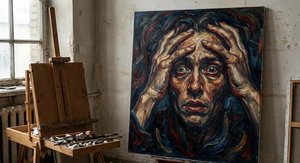
Ekspresjonizm Figuracyjny: Emocjonalna Intensywność i Subiektywna Rzeczywistość w Sztuce XX Wieku
Odkryj głębię ekspresjonizmu figuracyjnego! Analiza dzieł Van Gogha, Muncha i innych mistrzów. Historia, symbolika i wpływ na współczesną sztukę. Ekskluzywne reprodukcje w TopImpressionists.

Francis Bacon: 25 Arcydzieł Ekspresjonizmu i Wnętrza Pełne Emocji | TopImpressionists.com
Poznaj 25 najbardziej znanych obrazów Francis Bacona – arcydzieł ekspresjonizmu pełnych emocji i dramatyzmu. Odkryj historię, technikę i wpływ tego wybitnego artysty. Reprodukcje najwyższej jakości na TopImpressionists.com! Eksploruj kolekcję online.
Odkryj dzieła sztuki uporządkowane według tematów, stylów i cech charakterystycznych.


