

 Podgląd w skali 1:1
 Wyślij jako kartkę
 Udostępnij
 Szczegóły dzieła
 Przewodnik

 Pobierz obraz
 Podobne obiekty
 RTG
RTG Pokaz slajdów
 Q&A
Q&A Statystyki
The Martigues

- 36.0 x 46.0 cm


A serene harbor scene blending Impressionism and Dadaism, this 1904 oil painting by Francis Picabia captures a tranquil blue and white seascape that invites you to bring a piece of art history into your home.
 Rozwiń treść
Francis Picabia – wybitny malarz i poeta, pionier Cubizmu, Dada i Surrealizmu. Jego dzieła kwestionują konwencje i eksplorują granice sztuki z niezwykłą swobodą.
Giclée / Wydruk artystyczny
Wydruki giclée lub płótna o jakości muzealnej, szybka realizacja i szeroki wybór opcji wykończenia. ( Zamów ręcznie malowaną reprodukcję Przejdź do wersji cyfrowej)




P118B zł10

P118H zł10

P118W zł10

P438Z zł10

P508JH zł12

P508YH zł12

P805H zł10

P805Z zł10

P919BZ zł10

P919G zł10

P919XJ zł10

P959ZH zł10

P968JZ zł12

W106C zł8

W218G zł10

W218JH zł8

W218Y zł10

W307PJ zł10

W316G zł10

W316PJ zł8

W316Y zł10

W398PJ zł8

W4111J zł10

W500HY zł15

W500JH zł15

W692G zł12

W849H zł8

W940BG zł15

W953PJ zł8




Standardowy format
personalizowane
CM
INCH
Wybierz spośród naszych standardowych rozmiarów, które zachowują oryginalne proporcje dzieła sztuki.
Loading sizes...

szerokość
wysokość
Wpisz wymaganą szerokość i wysokość, aby dopasować grafikę do ramy lub ściany. Wydruk można jedynie przyciąć, nigdy nie powiększając go poza oryginalny obraz, dlatego format o innych proporcjach spowoduje utratę części kompozycji. Przed rozpoczęciem druku prześlemy Ci cyfrowy podgląd do zatwierdzenia. Obraz wyświetlany na tej stronie nie pokazuje rzeczywistego przycięcia — jedynie podgląd oddaje ten efekt.
Dostawa na cały świat () w ciągu 2 tygodni zamiast standardowych 4/5 tygodni. (31 Październik)

Bezpłatna ekspresowa wysyłka na cały świat

Wysokiej jakości płótno lniane

Pełne ubezpieczenie przesyłki

Gwarancja zwrotu należności celnych i podatków importowych

Gwarancja wiernego odwzorowania kolorów

100-dniowa polityka zwrotów (tylko w przypadku wad)

Gwarancja 100% zwrotu pieniędzy

Zniżka przy zakupie wielu sztuk
 Opcja ze szkłem jest dostępna wyłącznie w rozmiarach poniżej 110 cm

The Martigues
Giclée / Wydruk artystyczny
Wymiary reprodukcji
-


Cena całkowita
zł 268
A Serene Voyage Through Light and Color
In the quietude of 1904, a young Francis Picabia captured a moment of profound stillness in his masterpiece, The Martigues. This evocative oil on canvas invites the viewer into a tranquil harbor scene, where the boundaries between water, sky, and shore seem to dissolve into a dreamlike haze. The composition is anchored by a large sailing vessel that rests upon the calm expanse of the sea, its presence balanced by the solitary figure of a man standing near a boat in the foreground. This human element provides a poignant sense of scale and a touch of narrative intimacy, suggesting a moment of quiet contemplation amidst the vastness of the coastal landscape. As the eye wanders toward the horizon, the soft silhouettes of trees and distant buildings emerge, lending a gentle depth to the scene that draws the observer deeper into this maritime sanctuary.
The technical brilliance of The Martigues lies in Picabia’s masterful ability to weave together the disparate threads of late 19th-century innovation. At first glance, the painting breathes with the luminous energy of Impressionism, utilizing a palette dominated by soothing blues and crisp whites to evoke the cool, refreshing atmosphere of a coastal morning. Yet, beneath this surface lies a more complex structural approach; the artist employs short, broken brushstrokes reminiscent of Pointillism, creating a textured, tactile surface that dances with light. Subtle hints of yellow-gold on the ship's rigging provide a warm, rhythmic contrast to the cool tones, while delicate traces of green in the vegetation add organic vitality. This experimental fusion of styles showcases an artist on the precipice of a revolution, blending the sensory delights of light and color with a burgeoning interest in more structured, modern forms.
The Dawn of an Avant-Garde Spirit
To behold The Martigues is to witness the early tremors of a cultural earthquake. While Picabia would later become a central provocateur of the Dada movement—a movement defined by its rejection of traditional aesthetics and its embrace of the absurd—this particular work captures him in a more lyrical, transitional phase. It serves as a beautiful bridge between the representational traditions of the past and the radical experimentation of the 20th century. The painting does not merely depict a harbor; it symbolizes the spirit of exploration and the fluidity of identity. The sailing ship, poised for movement yet resting in stillness, acts as a metaphor for the artist’s own restless journey through Cubism, Surrealism, and Dadaism.
For the discerning collector or interior designer, this reproduction offers more than just visual elegance; it provides a window into the soul of modern art history. The soft, diffused lighting and the absence of harsh shadows create an atmosphere of peace that is ideal for creating a sophisticated, calming sanctuary within a home or gallery space. Whether placed in a sunlit study or a contemporary living area, The Martelligues brings with it a sense of historical weight and artistic prestige. Owning a high-quality, hand-painted reproduction allows one to inhabit the same world of light and texture that Picabia inhabited over a century ago, making the profound legacy of the French avant-garde a tangible part of your personal environment.
Pytania i odpowiedzi
Z jakiej epoki pochodzi „The Martigues” – Francis Picabia?
„The Martigues” – Francis Picabia pochodzi z okresu Modern. Epoka ta stanowi kontekst historyczny dla tego dzieła.
Jaki nastrój wprowadzi The Martigues do wnętrza?
„The Martigues” – Francis Picabia ma Serene atmosferę i jest polecane do Hotel Room. Nastrój to to, co dzieło wnosi do otaczającej je przestrzeni.
Z jakiego kraju pochodzi dzieło Dadaism pt. "The Martigues"?
"The Martigues" powstało dzięki Francis Picabia, urodzonemu w Francja, w ramach nurtu Dadaism. Pochodzenie artysty wiąże to dzieło z Dadaism w wydaniu twórców z Francja.


Biografia artysty
A Life Forged in Avant-Garde Fire: The World of Francis Picabia
Francis Picabia, a name synonymous with the restless spirit of early 20th-century art, was more than just a painter; he was a provocateur, a poet, a typographer, and a relentless explorer of artistic boundaries. Born in Paris in 1879 to a French mother and a Cuban father steeped in diplomatic circles, Picabia’s life was marked by both privilege and a profound dissatisfaction with convention. This duality fueled his artistic journey, propelling him through Cubism, Dada, Surrealism, and beyond, leaving an indelible mark on the landscape of modern art. His early years were shadowed by tragedy – the loss of his mother to tuberculosis when he was just five – but also nurtured by a father who encouraged his burgeoning talent. Inheriting a substantial fortune allowed Picabia the freedom to dedicate himself entirely to artistic pursuits, a luxury that enabled him to relentlessly experiment and challenge established norms. He wasn’t merely interested in *what* art looked like; he questioned its very purpose and meaning.From Impressionistic Beginnings to Cubist Revolution
Picabia's initial forays into the art world were rooted in the prevailing styles of the time, particularly Impressionism. He painted Parisian landscapes and riverbanks with a technical proficiency that nonetheless left him feeling unfulfilled. Critics found his work derivative, lacking originality, prompting a crucial turning point. This dissatisfaction spurred him to seek new avenues of expression, leading him towards the revolutionary ideas brewing within the Cubist movement around 1909. Joining the Puteaux Group – a collective including Marcel Duchamp and Guillaume Apollinaire – proved pivotal. He immersed himself in the deconstruction of form, the fragmentation of perspective, and the exploration of geometric abstraction. This period saw a significant shift in his aesthetic, moving away from representational accuracy towards a more conceptual approach to painting. His canvases began to pulse with a new energy, reflecting the intellectual ferment of the era. The influence of Duchamp was particularly strong, fostering a shared spirit of iconoclasm and a willingness to dismantle artistic traditions. Picabia’s work during this time often featured bold color palettes and fragmented forms, anticipating the key tenets of Cubism while simultaneously pushing its boundaries.Dada’s Provocateur: Machines, Satire, and the Rejection of Reason
The outbreak of World War I served as a catalyst for Picabia's most radical phase – his embrace of Dadaism. Disgusted by the senseless violence and societal hypocrisy he witnessed, he rejected reason, logic, and traditional artistic values altogether. A move to New York in 1915 placed him at the heart of an emerging American Dada scene alongside Duchamp and Man Ray. It was here that Picabia truly honed his unique brand of Dadaist expression. He began creating a series of “machine drawings,” depicting fantastical mechanical contraptions – often imbued with sexual undertones – that served as biting critiques of modern society’s obsession with technology and industrialization. These works weren't simply depictions of machines; they were allegories for the dehumanizing forces at play in the world around him. His satirical wit, combined with a masterful command of line and form, made these drawings particularly potent. He published *The Little Review*, a Dadaist journal that further disseminated his provocative ideas and challenged conventional artistic norms. Universal Prostitution, a complex drawing created during this period, exemplifies his willingness to confront taboo subjects and dismantle societal expectations.A Shifting Kaleidoscope: Surrealism and Beyond
Picabia’s artistic journey was characterized by constant evolution and a refusal to be pigeonholed. While deeply involved with Dada, he briefly flirted with Surrealism in the 1920s, exploring the realm of dreams and the subconscious. However, even this association proved temporary. He quickly grew disillusioned with what he perceived as the rigid dogma of the Surrealist movement, preferring to maintain his independence and continue charting his own course. Throughout the latter part of his career, Picabia continued to experiment with various styles and techniques, incorporating elements of figuration, abstraction, and even transparency into his work. His later paintings often featured biomorphic forms and a vibrant palette, reflecting a renewed interest in organic shapes and sensual textures. He remained a restless innovator until his death in 1953, leaving behind a body of work that continues to challenge and inspire artists today.Legacy: A Pioneer of Modern Artistic Freedom
Francis Picabia’s influence on modern art is undeniable. His relentless experimentation, his rejection of convention, and his willingness to embrace contradiction paved the way for generations of artists who followed. He was a true pioneer of artistic freedom, demonstrating that art could be anything – a political statement, a philosophical inquiry, a personal expression, or simply a playful exploration of form and color. His work anticipated many of the key developments in 20th-century art, from Pop Art to Conceptualism. He challenged the very definition of what constituted “art,” forcing viewers to question their own assumptions and preconceptions. Today, Picabia’s paintings are celebrated for their intellectual rigor, their visual dynamism, and their enduring relevance. His legacy lies not only in his individual masterpieces but also in his unwavering commitment to artistic innovation and his refusal to be bound by the limitations of tradition.
Francis Picabia
1879 - 1953 , Francja
Krótka nota
- Artistic Movement Or Style: Cubizm, Dada, Surrealizm
- Artists Or Movements Influenced By This Artist:
- Dada
- Surrealizm
- Artists Who Influenced This Artist:
- Sisley
- Duchamp
- Date Of Birth: 22 stycznia 1879
- Date Of Death: 30 listopada 1953
- Full Name: Francis-Marie Martinez Picabia
- Nationality: Francuz
- Notable Artworks:
- Amorous Parade
- Caoutchouc
- Place Of Birth: Paryż, Francja
Powiązane artykuły

Top 10 Sławnych Obrazów w Odcieniach Szaroniebieskiego – Inspiracje dla Wnętrz | TopImpressionists.com
Odkryj 10 najsłynniejszych obrazów w odcieniach szaroniebieskiego! Poznaj historie Claude Moneta, Degasa i Van Gogha. Inspiracje wnętrzarskie i reprodukcje najwyższej jakości na TopImpressionists.com – sztuka dla Twojego domu.

Pierre-Auguste Renoir: 25 Arcydzieł Pełnych Światła i Uroków | TopImpressionists.com
Odkryj 25 najpiękniejszych obrazów Pierre’a-Auguste Renoir! Poznaj historię impresjonizmu, światło w jego malarstwie i arcydzieła takie jak 'Taniec w Le Moulin de la Galette'. Reprodukcje najwyższej jakości na TopImpressionists.com – inspiracje dla Twojego wnętrza.
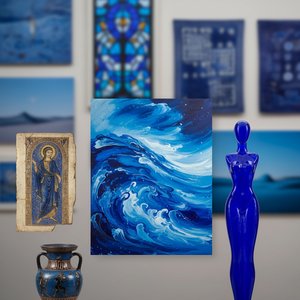
Błękit w Sztuce: Symbolika, Historia i Psychologiczne Oddziaływanie Koloru
Odkryj fascynującą historię błękitu w sztuce! Poznaj symbolikę, psychologię i wpływ tego koloru na arcydzieła renesansu i współczesne trendy. Ekspercka analiza dla miłośników sztuki.

Białe arcydzieła: Top 10 słynnych obrazów pełnych światła i emocji | TopImpressionists.pl
Odkryj 10 najsłynniejszych obrazów, w których biel dominuje i tworzy wyjątkową atmosferę. Poznaj historie Moneta, Van Gogha i innych mistrzów! Reprodukcje najwyższej jakości na TopImpressionists.com – inspiracje wnętrzarskie i kolekcjonerstwo sztuki online.

Claude Monet: 25 Najlepszych Arcydzieł Impresjonizmu | Reprodukcje Obrazów Online
Odkryj 25 najpiękniejszych arcydzieł Claude Moneta – impresjonistycznych pejzaży, nymfeii i słonecznych krajobrazów. Poznaj historię sztuki i zainspiruj się do dekoracji wnętrz z TopImpressionists.com! Eksploruj pełną kolekcję online.