


 Zobacz w skali 1:1
 Wyślij
 Udostępnij
 Szczegóły
 Przewodnik

 Pobierz plik obrazu
 Podobne obiekty
 RTG
RTG Pokaz slajdów
 Statystyki
Moolight, the Old House


Frederick Childe Hassam’s "Moonlight, the Old House" captures a serene Impressionist landscape with soft moonlight illuminating an old house – a timeless piece perfect for art lovers and collectors.
 Czytaj więcej
Frederick Childe Hassam – pionier amerykańskiego impresjonizmu! Jego obrazy oświetlają życie miasta i wybrzeża, uchwycując ducha Ameryki początku XX wieku. Odkryj jego światła i kolory!
Giclée / Wydruk artystyczny
Wydruki giclée lub płótna o jakości muzealnej, szybka realizacja i szeroki wybór opcji wykończenia. ( Kup ręcznie malowany obraz Przełącz na wersję cyfrową)




P118B zł10

P118H zł10

P118W zł10

P438Z zł10

P508JH zł12

P508YH zł12

P805H zł10

P805Z zł10

P919BZ zł10

P919G zł10

P919XJ zł10

P959ZH zł10

P968JZ zł12

W106C zł8

W218G zł10

W218JH zł8

W218Y zł10

W307PJ zł10

W316G zł10

W316PJ zł8

W316Y zł10

W398PJ zł8

W4111J zł10

W500HY zł15

W500JH zł15

W692G zł12

W849H zł8

W940BG zł15

W953PJ zł8




Standardowy
na zamówienie
CM
INCH
Wybierz spośród naszych standardowych rozmiarów, które zachowują oryginalne proporcje dzieła sztuki.
Loading sizes...

szerokość
wysokość
Wpisz wymaganą szerokość i wysokość, aby dopasować grafikę do ramy lub ściany. Wydruk można jedynie przyciąć, nigdy nie powiększając go poza oryginalny obraz, dlatego format o innym proporcji spowoduje utratę części kompozycji. Przed rozpoczęciem druku prześlemy Ci cyfrowy podgląd do zatwierdzenia. Obraz wyświetlany na tej stronie nie pokazuje rzeczywistego przycięcia — jedynie podgląd oddaje ten efekt.
Dostawa na cały świat () w ciągu 2 tygodni zamiast standardowych 4/5 tygodni. (24 Październik)

Bezpłatna ekspresowa wysyłka na cały świat

Wysokiej jakości płótno lniane

Pełne ubezpieczenie transportowe

Gwarancja zwrotu należności celnych i podatków importowych

Gwarancja idealnego odwzorowania barw

100-dniowy okres na zwrot dzieła w przypadku wykrycia wad produkcyjnych

Gwarancja 100% zwrotu pieniędzy

Oferta przy zakupie wielu sztuk
 Opcja ze szkłem jest dostępna wyłącznie w rozmiarach poniżej 110 cm

Moolight, the Old House
Giclée / Wydruk artystyczny
Rozmiar reprodukcji
-


Suma do zapłaty
zł 266
The Painting
"CITE Frederick Childe Hassam: Moonlight, the Old House CITE" is a captivating oil on canvas painting created in 1906. The artwork is currently housed at the Glensheen Historic Estate in the United States. This beautiful representation of an old house under the soft glow of moonlight showcases Hassam's skillful use of light and color.Composition and Details
The painting depicts a serene scene with a white, old house as its central focus. Two windows are visible, one on the left side and another closer to the center of the house. A fence surrounds the property, adding to the sense of tranquility. Notably, a chair is placed near the right edge of the painting, which adds a touch of human presence without disrupting the peaceful atmosphere.Artistic Style
Frederick Childe Hassam was an American Impressionist painter known for his landscapes and cityscapes. His style often featured soft, dreamy light and vibrant colors, as seen in "Moonlight, the Old House." This painting exemplifies Hassam's ability to capture the essence of a moment in time, creating a sense of stillness and contemplation.Other Works by Frederick Childe Hassam
For those interested in exploring more of Hassam's work, Surf and Rocks and Laurel on the Ledges are notable pieces that showcase his Impressionist style. Additionally, The Jewel Box, Old Lyme is another significant work by the artist.Museum and Collection
While "Moonlight, the Old House" is located at the Glensheen Historic Estate, other notable museums like the Parrish Art Museum in New York also house important American art collections, including works from the 19th and early 20th centuries.Conclusion
"Moonlight, the Old House" by Frederick Childe Hassam is a masterpiece that embodies the serene and peaceful qualities of Impressionist art. Its beautiful depiction of an old house under moonlight invites viewers to step into a tranquil world. For those who appreciate hand-made oil painting reproductions, TopImpressionists offers high-quality reproductions of this and other notable artworks.Pytania i odpowiedzi
W jaki sposób mogę uzyskać plik cyfrowy dzieła „Moolight, the Old House” autorstwa Frederick Childe Hassam?
Aby otrzymać plik cyfrowy dzieła „Moolight, the Old House” autorstwa Frederick Childe Hassam, zamów wysokiej rozdzielczości cyfrowe zdjęcie do pobrania na stronie Obraz cyfrowy.
Jaka technika została użyta w przypadku "Moolight, the Old House" i kiedy powstało to dzieło?
"Moolight, the Old House" powstało w 1906 roku przy użyciu techniki Oil On Canvas. Materiał i data opisują, w jaki sposób oraz kiedy wykonano oryginał.
Jak harmonijna jest kolorystyka dzieła „Moolight, the Old House” autorstwa Frederick Childe Hassam?
Kolory dzieła „Moolight, the Old House” autorstwa Frederick Childe Hassam wykazują Balanced Harmony harmonię. Harmonia opisuje wzajemne relacje między kolorami.
Podobne dzieła


Biografia artysty
A Pioneer of American Impressionism: The Life and Art of Frederick Childe Hassam
Frederick Childe Hassam, born in Boston on October 17, 1859, stands as a pivotal figure in the development of American Impressionism. His artistic journey, beginning with an early inclination towards drawing and culminating in recognition as one of the nation’s most celebrated painters, is a testament to his dedication and unique vision. Unlike many of his contemporaries who sought formal training exclusively abroad, Hassam largely honed his skills through self-study and practical experience, initially finding work as an illustrator for prominent magazines such as *Harper's Weekly* and *Scribner’s Monthly*. This formative period instilled within him a keen observational eye and a talent for narrative composition—qualities that would consistently characterize his distinctive style. While he did eventually travel to Europe in 1886, undertaking brief studies in Paris, it was the American landscape and urban life that truly ignited his artistic imagination. He wasn’t merely replicating European techniques; rather, he adapted them to capture a distinctly *American* experience, imbuing his work with a fresh perspective and vibrant energy.Early Years and Artistic Foundations
Hassam's early years were marked by a burgeoning interest in art, nurtured through informal lessons and a keen eye for detail. Born into a family of modest means—his father was a cutlery merchant—he initially pursued an accounting career but quickly realized his true calling lay in the visual arts. A pivotal moment arrived in 1872 when a devastating fire ravaged much of Boston’s commercial district, including his father's business. To assist his family financially, Hassam secured employment as a draftsman at Little, Brown & Company, where he honed his technical skills and developed a reputation for precision. Simultaneously, he continued to cultivate his artistic talent through classes at the Lowell Institute and the Boston Art Club, absorbing influences from various movements while simultaneously forging his own distinctive style. His early work primarily consisted of watercolor landscapes, often depicting scenes of rural New England—a period marked by a deep appreciation for the region’s natural beauty and picturesque charm. The influence of J.M.W. Turner, with his masterful use of light and atmosphere, proved particularly formative during his European studies in 1886.Capturing Light and Modern Life
Hassam's art is immediately recognizable for its luminous quality, achieved through a meticulous manipulation of light and color. He embraced the core principles of Impressionism—capturing fleeting moments and atmospheric effects—but infused his work with a uniquely American sensibility. Rather than simply replicating European techniques, he sought to depict scenes that resonated with the experiences of everyday life in America. His paintings frequently portray bustling urban environments like New York City and Boston, showcasing fashionable ladies strolling along Fifth Avenue, horse-drawn carriages navigating crowded streets, or quiet moments within domestic interiors. These weren’t merely depictions of places; they were insightful portraits of a rapidly evolving society, capturing the dynamism and vibrancy of late 19th and early 20th century America. Works such as *The Sonata* (1893) exemplify his ability to evoke mood and atmosphere through subtle color harmonies and delicate brushwork, creating an intimate and contemplative experience for the viewer. Similarly, his coastal scenes, like *Gloucester* (1899), transform ordinary harbors into shimmering visions of tranquility—a testament to his sensitivity to light and atmospheric conditions.The Ten American Painters and Artistic Independence
A defining moment in Hassam’s career was his involvement with “The Ten American Painters,” a group formed in 1897 as a direct response to the conservative policies of the Society of American Artists. This collective, comprised of artists like John Henry Twachtman, Willard Leroy Metcalf, and Edmund Tarbell, sought to establish an independent platform for exhibiting their work and promoting a more progressive approach to art. Hassam assumed the role of the group’s first president, solidifying his position as a leader within the American art world. This period marked a significant shift towards artistic independence—a deliberate rejection of academic constraints and a commitment to exploring individual styles without compromise. The exhibitions organized by “The Ten” played a crucial role in elevating Impressionism's status as a legitimate and respected movement within the United States, providing a vital alternative to established art institutions.Patriotism and Later Years: The Flag Paintings
With the outbreak of World War I, Hassam’s artistic focus underwent a dramatic transformation. Inspired by a surge of patriotic fervor sweeping across America, he embarked on a series of paintings depicting American flags waving proudly along Fifth Avenue in New York City. These “Flag” paintings, created between 1916 and 1919, represent perhaps his most iconic works—powerful expressions of civic pride and wartime solidarity. Far from being mere symbolic representations, these canvases convey an intense sense of energy and optimism amidst the turmoil of global conflict. *Victory Day, May 1919*, a particularly striking example, captures the jubilant atmosphere of New York City following the armistice. Throughout his later years, Hassam continued to paint prolifically, experimenting with etching and lithography alongside his oil paintings—demonstrating an enduring commitment to his artistic principles and a willingness to adapt to evolving techniques.Legacy and Enduring Influence
Frederick Childe Hassam passed away in East Hampton, New York, on August 27, 1935, leaving behind a vast and influential body of work. His legacy extends far beyond his technical mastery—he played a pivotal role in establishing American Impressionism as a distinct artistic movement. He demonstrated that American artists could not only embrace European techniques but also adapt them to create something uniquely their own. Hassam’s paintings continue to resonate with audiences today, offering glimpses into a bygone era and reminding us of the enduring power of art to capture the spirit of a time and place. His influence can be seen in the work of countless artists who followed him, solidifying his position as one of the most important figures in American art history. His dedication to capturing light, color, and the essence of modern life ensures that his paintings will continue to inspire and captivate generations to come.
Frederick Childe Hassam
1859 - 1935 , Stany Zjednoczone
Najważniejsze informacje
- Artistic Movement Or Style: Impresjonizm, Tonalizm
- Artists Or Movements Influenced By This Artist: ['Amerykański Impresjonizm']
- Artists Who Influenced This Artist: ['Monet']
- Date Of Birth: 17 października 1859
- Date Of Death: 27 sierpnia 1935
- Full Name: Frederick Childe Hassam
- Nationality: Amerykański
- Notable Artworks:
- Maidy w Mist
- Mt. Beacon
- Sona
- Gloucester
- Place Of Birth: Boston, USA
Zobacz także powiązane artykuły
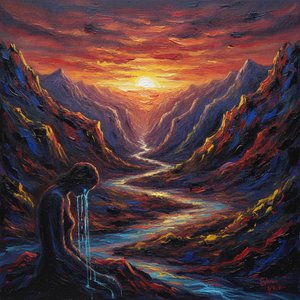
Capturing Emotion: A Journey Through the Soul of Expressionist Landscapes
Explore the profound emotional depth of Expressionist landscapes. Discover how Post-Impressionist masters moved beyond light to capture the soul through vibrant color and form. A curated journey for true art lovers seeking the beauty of expressive mastery.
Odkryj dzieła sztuki uporządkowane według tematów, stylów i cech charakterystycznych.


