


 Zobacz w skali 1:1
 Wyślij
 Udostępnij
 Szczegóły
 Przewodnik

 Pobierz plik obrazu
 Podobne obiekty
 RTG
RTG Pokaz slajdów
 Statystyki
Café 1


Experience George Grosz’s ‘Café 1’! A vibrant depiction of urban life in Berlin, showcasing his distinctive style & social commentary. Hand-painted reproduction available.
 Czytaj więcej
George Grosz (1893-1959) – niemiecki grafik i malarz, znany z satyrycznych obrazów krytykujących Weimarową Republikę i fascystyzm. Jego dzieła, łączące Dadaizm i Nową Rzeczywistość, ukazują społeczne problemy i są ważnym świadectwem epoki.
Dzieło sztuki prezentowane na tej stronie podlega ochronie prawem autorskim, co oznacza, że nie mamy prawa do tworzenia ani sprzedaży jego identycznej reprodukcji. Ochrona ta jest egzekwowana na mocy umów międzynarodowych, takich jak Konwencja berneńska oraz przez przepisy prawa krajowego, w tym te określone w Prawo autorskie USA – Tytuł 17.
Jako pełną szacunku i legalną alternatywę oferujemy personalizowane, malowane ręcznie dzieła sztuki inspirowane oryginałem. Nasi wykwalifikowani i profesjonalni artyści starannie analizują styl, nastrój oraz artystyczną esencję pierwowzoru, aby stworzyć nowe, unikalne dzieło, które przywołuje te same emocje – pozostając jednocześnie w pełni oryginalną kreacją.
Metoda ta jest w pełni zgodna z przepisami prawa autorskiego, ponieważ nie polega na kopiowaniu ani powielaniu chronionego dzieła. Stanowi ona kreatywną reinterpretację – nowy obraz, który czerpie inspirację z oryginału, ale nie jest z nim tożsamy.
Ręcznie malowana reprodukcja olejowa
Ręcznie malowany obraz olejny na płótnie, wykonany na zamówienie przez naszych artystów w wybranym przez Ciebie wymiarze i oprawie. ( Przełącz na wersję drukowaną Przełącz na wersję cyfrową)




P118B zł10

P118H zł10

P118W zł10

P438Z zł10

P508JH zł12

P508YH zł12

P805H zł10

P805Z zł10

P919BZ zł10

P919G zł10

P919XJ zł10

P959ZH zł10

P968JZ zł12

W106C zł8

W218G zł10

W218JH zł8

W218Y zł10

W307PJ zł10

W316G zł10

W316PJ zł8

W316Y zł10

W398PJ zł8

W4111J zł10

W500HY zł15

W500JH zł15

W692G zł12

W849H zł8

W940BG zł15

W953PJ zł8




Standardowy
na zamówienie
CM
INCH
Wybierz spośród naszych standardowych rozmiarów, które zachowują oryginalne proporcje dzieła sztuki.
Loading sizes...

szerokość
wysokość
Wpisz wymaganą szerokość i wysokość, aby obraz pasował do Twojej ramy lub ściany. Ponieważ jest to dzieło malowane ręcznie, w przypadku rozmiaru o innym proporcji artysta może domalować nieco więcej wokół obrazu lub przyciąć fragmenty — wybór należy do Ciebie. Przed rozpoczęciem pracy prześlemy Ci cyfrową wizualizację do zatwierdzenia. Obraz widoczny na tej stronie nie przedstawia rzeczywistego efektu — jedynie wizualizacja oddaje realny rezultat.
Przykłady możliwych zmian: Zamień twarz na zdjęcie klienta; Dodaj zwierzę domowe (np. zamień kota na psa); Ukryj wiadomość w tle; Zmień krajobraz lub elementy tła.
Po złożeniu zamówienia zespół TopImpressionists.com skontaktuje się z klientem drogą mailową w celu uzyskania instrukcji i prześle wizualizację projektu
Po złożeniu zamówienia zespół TopImpressionists.com skontaktuje się z klientem drogą mailową w celu uzyskania instrukcji i prześle wizualizację projektu
Dostawa na całym świecie () w ciągu 3–4 tygodni zamiast standardowych 5 tygodni. (22 Październik). Bez kompromisów w kwestii jakości.

Bezpłatna ekspresowa wysyłka na cały świat

Wysokiej jakości płótno lniane

Pełne ubezpieczenie transportowe

Gwarancja zwrotu należności celnych i podatków importowych

Gwarancja idealnego odwzorowania barw

100-dniowy okres na zwrot dzieła w przypadku wykrycia wad produkcyjnych

Gwarancja 100% zwrotu pieniędzy

Oferta przy zakupie wielu sztuk
 Opcja ze szkłem jest dostępna wyłącznie w rozmiarach poniżej 110 cm

Café 1
Technika wykonania
Rozmiar reprodukcji
-


Suma do zapłaty
zł 1033
A Window into the Weimar Soul
In the heart of a bustling, fractured Berlin, George Grosz captures a moment of suspended animation in his evocative work, Café 1. This painting serves as more than just a depiction of a social gathering; it is a vibrant, almost frenetic window into the urban pulse of the early twentieth century. As one gazes upon the canvas, the viewer is immediately swept into a crowded, atmospheric setting where the clinking of cups and the low hum of conversation seem to vibrate through the brushstrokes. The scene is populated by a diverse cast of characters—individuals caught in the quiet, mundane rituals of eating, drinking, and socializing—yet there is an underlying tension that suggests the world outside these cafe walls is far from stable. Through his masterful use of color and composition, Grosz invites us to witness the delicate dance of human connection amidst the encroaching shadows of a changing era.
The technique employed in Café 1 reflects the artist's unique ability to blend meticulous observation with a sharp, satirical edge. While his early training involved the disciplined study of Dutch masters, here we see a departure toward a more expressive and jagged aesthetic. The figures are rendered with a certain rhythmic energy, their forms defined by lines that feel both deliberate and urgent. The interplay of light and shadow across the dining tables creates a sense of depth, drawing the eye through the layers of the crowd toward the subtle details—a man in a tie, a woman lost in thought, and even the unexpected presence of birds that flutter near the periphery. This layering of detail ensures that every glance reveals something new, making the painting an endlessly engaging subject for close study.
Symbolism and the Urban Tapestry
Beyond its surface beauty, Café 1 functions as a profound piece of social commentary. Grosz, a chronicler of societal decay, uses the cafe setting as a microcosm of the Weimar Republic. The arrangement of people—some isolated in their own thoughts, others huddled in small groups—mirrors the fragmented nature of a society struggling to find its footing between tradition and modernity. The presence of the birds adds a layer of surrealist intrigue, perhaps symbolizing a fleeting sense of freedom or an external world that remains indifferent to the human drama unfolding within the cafe's walls. For the discerning collector, the painting offers a rich tapestry of meaning, where every object, from a simple coffee cup to a formal necktie, serves as a symbol of the social hierarchies and cultural shifts defining the age.
For interior designers and art enthusiasts alike, this reproduction offers a commanding presence that brings both historical weight and intellectual depth to any space. The painting’s palette, though colorful, possesses a sophisticated complexity that allows it to integrate seamlessly into both contemporary and classic decor. It acts as a conversation piece, sparking dialogue about history, sociology, and the enduring power of art to capture the human condition. To possess a hand-painted reproduction of Café 1 is to hold a fragment of Berlin's turbulent history, offering an emotional resonance that transcends time and provides a soulful focal point for any curated collection.
Pytania i odpowiedzi
Czy mogę użyć rozszerzonej rzeczywistości, aby zobaczyć „Café 1” autorstwa George Grosz w swoim pokoju?
Dzieło „Café 1” autorstwa George Grosz można przymierzyć na własnej ścianie dzięki stronie Podgląd AR, wykorzystując rozszerzoną rzeczywistość na kompatybilnym urządzeniu.
Do czego zaleca się wykorzystanie wydruku "Café 1"?
Reprodukcja dzieła „Café 1” autorstwa George Grosz jest polecana do Conversation. Sugestia ta wynika z tematyki, nastroju oraz kolorystyki pracy.
Jakie umiejscowienie najlepiej pasuje do formatu dzieła „Café 1” autorstwa George Grosz?
Format Landscape dzieła „Café 1” autorstwa George Grosz jest rekomendowany do Coffee Shop. Format oraz przestrzeń wspólnie pomagają w odpowiednim rozmieszczeniu reprodukcji.
Biografia artysty
A Satirist of Shattered Worlds: The Life and Art of George Grosz
George Grosz, born Georg Ehrenfried Groß w 1893 w Berlinie, był wizualnym kronikarzem rozkładu społecznego i napięć politycznych. Jego sztuka nie była jedynie *przed* swoim czasem – burzliwą Republiką Weimarską i rosnącym faszyzmem – lecz gorącą reakcją na nie, gniewnym potępieniem przedstawionym w szorstkich liniach i groteskowych karykaturach. Grosz nie po prostu malował Berlin; rozkazywał go, ujawniając jego moralne zepsucie z bezwzględną szczerością. Początkowe lata jego życia były naznaczone niestabilnością po śmierci ojca, co napędliło matkę do zarządzania pensjonatem dla oficerów, umieszczając młodego Georga w świecie pruskiej militarnej hierarchii i sztywnego społeczeństwa – świecie, który później bezlitośnie satyryzował. Jego formalne szkolenie artystyczne rozpoczęło się od dokładnych kopii tradycyjnych mistrzów holenderskich, takich jak Eduard von Grützner, doskonaląc umiejętności techniczne przed porzuceniem konwencji akademickich na bardziej prowokacyjny ścieżkę. Ta wczesna dyscyplina jednak stanowiła fundament, na którym zbudowano jego unikalny i ekspresyjny styl.Dada, Nowa Obiektywność i Narodziny Wizji Krytycznej
Rozwój artystyczny Grosza był nierozerwalnie związany z awangardowymi ruchami, które rozkwitały w powojennej Niemczech. Stał się kluczową postacią Berlina Dada, przyjmując jej nihilistyczną duszę i antyestablishmentowe zamiary. Jednak, na odmienne niż niektórzy jego Dadaści, którzy radośnie zachwycali się czystą absurdu, Grosz skierował energię rebelii Dada na cel – konkretne komentarze społeczne. Jego prace z tego okresu – takie jak *The Pit* (1921) i *Pillars of Society* (1926) – są wstrząsającymi potępieniami niemieckiego burżuazji, elity wojskowej i skorumpowanego systemu politycznego, który doprowadził kraj do katastrofy. Nie interesowało go piękno estetyczne; dążył do szokowania, prowokowania i ujawniania hipokryzji. To zaangażowanie w krytykę społeczną ewoluowało w jego udział w *Nowej Obiektywności* (Neue Sachlichkeit), ruchu cechowanym przez realistyczne, lecz bezwzględnie rzeczowe przedstawienie współczesnego życia. Choć dzielił z innymi artystami Nowej Obiektywności skupienie na realizmie, Grosz wzbogacił go unikalną, żarliwą satyrą, która odróżniała go od innych członków grupy. Jego obrazy i rysunki nie były jedynie reprezentacjami rzeczywistości; były zniekształconymi odbiciami społeczeństwa na skraju upadku.Emigracja i Transformacja: Nowy Świat, Zmieniający Się Styl
Wzrost nazizmu zmusił Grosza do emigracji w 1933 roku. Znalezionął schronienie w Stanach Zjednoczonych, stając się naturalnym obywatelem w 1938 roku. Ta relokacja oznaczła znaczący zwrot w jego karierze artystycznej. Oddalony od kontekstu, który napędzał jego najbardziej potężne prace, i konfrontowany z nowymi realiami społecznymi i politycznymi, styl Grosza zaczął zmieniać się. Oczywista satyra i karykatury ustąpiły miejsca bardziej stonowanym krajobrazom i portretom, często naznaczonym poczuciem melancholii i rozczarowania. Chociaż kontynuował wystawy i wykłady na Art Students’ League w Nowym Jorku, jego praca nie miała tej samej żarliwości jak okres berliński. Zmagając się z poszukiwaniem swojego miejsca w nowym środowisku, Grosz zmagał się z uczuciami alienacji i artystyczną niepewnością. Apokaliptyczne wizje, które pojawiły się w tym czasie – obrazy przedstawiające zrujnowane krajobrazy i fragmentowane postacie – odzwierciedlały nie tylko horror rozgrywający się w Europie, ale także jego własne wewnętrzne rozterki.Dziedzictwo i Trwałe Znaczenie
George Grosz powrócił do Berlina w 1959 roku, tuż przed śmiercią, poruszająca scena powrotu do miasta, które było zarówno inspiracją, jak i udręką dla niego. Jego dziedzictwo wykracza daleko poza historyczny kontekst Republiki Weimarskiej. Jest potężnym przykładem artysty, który ośmielił się konfrontować z niepokojącymi prawdami i kwestionować normy społeczne. Jego praca stanowi ostrzeżenie przed zagrożeniami ekstremizmu politycznego, niesprawiedliwości społecznej i niekontrolowanej władzy.- Moc Satyryczna: Mistrzowski użycie karykatury nadal inspiruje artystów i komentatorów dzisiaj.
- Komentarz Społeczny: Jego bezwzględna krytyka problemów społecznych pozostaje niezwykle aktualna w świecie, który wciąż zmaga się z nierównościami, korupcją i polaryzacją polityczną.
- Świadectwo Historyczne: Jego sztuka dostarcza cennych informacji na temat klimatu społecznego i politycznego międzywojennej Niemiec, oferując żywe zrozumienie sił, które doprowadziły do II wojny światowej.

George Grosz
1893 - 1959 , Niemcy
Najważniejsze informacje
- Artistic Movement Or Style: Dada, Nowa Rzeczowość
- Date Of Birth: 26 lip 1893
- Date Of Death: 6 lip 1959
- Full Name: George Grosz
- Nationality: Niemiec
- Notable Artworks:
- The Pit
- Pillars Society
- Place Of Birth: Berlin, Niemcy
Zobacz także powiązane artykuły
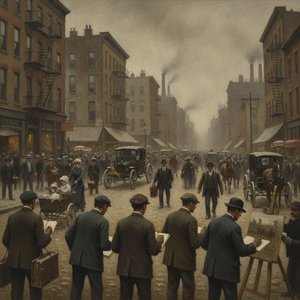
The Ashcan School: Capturing the Raw, Unfiltered Soul of Urban Life through American Realism
Discover the raw beauty of the Ashcan School. Explore how masters like Bellows and Henri captured the gritty, vibrant soul of early 20th-century New York through profound American Realism and evocative urban landscapes.
Odkryj dzieła sztuki uporządkowane według tematów, stylów i cech charakterystycznych.


