

 Podgląd w skali 1:1
 Wyślij jako kartkę
 Udostępnij
 Szczegóły dzieła
 Przewodnik

 Pobierz obraz
 Podobne obiekty
 RTG
RTG Pokaz slajdów
 Pytania i odpowiedzi
 Statystyki
The Blue Washbasin

- 60.0 x 80.0 cm


Georges Braque’s masterful Cubist depiction captures a serene still life scene featuring a blue washbasin and pitcher amidst luscious fruits—a testament to the artist's innovative style during the 1942 period. Explore this captivating artwork and bring its timeless beauty into your home.
 Rozwiń treść
Poznaj Georges’a Braque'a (1882-1963): pioniera Kubizmu i mistrza Fauwizmu! Eksploruj jego innowacyjne dzieła sztuki, od „Domów przy L’Estaque” po oszałamiające kolaże. Jego twórczość zmieniła oblicze sztuki nowoczesnej!
Dzieło sztuki prezentowane na tej stronie podlega ochronie prawem autorskim, co oznacza, że nie mamy prawa do tworzenia ani sprzedaży jego identycznej reprodukcji. Ochrona ta jest egzekwowana na mocy umów międzynarodowych, takich jak Konwencja berneńska oraz przez przepisy prawa krajowego, w tym te określone w Prawo autorskie USA – Tytuł 17.
Metoda ta jest w pełni zgodna z przepisami prawa autorskiego, ponieważ nie polega na kopiowaniu ani powielaniu chronionego dzieła. Stanowi ona kreatywną reinterpretację – nowy obraz, który czerpie inspirację z oryginału, ale nie jest z nim tożsamy.
Giclée / Wydruk artystyczny
Wydruki giclée lub płótna o jakości muzealnej, szybka realizacja i szeroki wybór opcji wykończenia. ( Zamów ręcznie malowaną reprodukcję Przejdź do wersji cyfrowej)




P118B zł10

P118H zł10

P118W zł10

P438Z zł10

P508JH zł12

P508YH zł12

P805H zł10

P805Z zł10

P919BZ zł10

P919G zł10

P919XJ zł10

P959ZH zł10

P968JZ zł12

W106C zł8

W218G zł10

W218JH zł8

W218Y zł10

W307PJ zł10

W316G zł10

W316PJ zł8

W316Y zł10

W398PJ zł8

W4111J zł10

W500HY zł15

W500JH zł15

W692G zł12

W849H zł8

W940BG zł15

W953PJ zł8




Standardowy format
personalizowane
CM
INCH
Wybierz spośród naszych standardowych rozmiarów, które zachowują oryginalne proporcje dzieła sztuki.
Loading sizes...

szerokość
wysokość
Wpisz wymaganą szerokość i wysokość, aby dopasować grafikę do ramy lub ściany. Wydruk można jedynie przyciąć, nigdy nie powiększając go poza oryginalny obraz, dlatego format o innych proporcjach spowoduje utratę części kompozycji. Przed rozpoczęciem druku prześlemy Ci cyfrowy podgląd do zatwierdzenia. Obraz wyświetlany na tej stronie nie pokazuje rzeczywistego przycięcia — jedynie podgląd oddaje ten efekt.
Dostawa na cały świat () w ciągu 2 tygodni zamiast standardowych 4/5 tygodni. (8 Listopad)

Bezpłatna ekspresowa wysyłka na cały świat

Wysokiej jakości płótno lniane

Pełne ubezpieczenie przesyłki

Gwarancja zwrotu należności celnych i podatków importowych

Gwarancja wiernego odwzorowania kolorów

100-dniowa polityka zwrotów (tylko w przypadku wad)

Gwarancja 100% zwrotu pieniędzy

Zniżka przy zakupie wielu sztuk
 Opcja ze szkłem jest dostępna wyłącznie w rozmiarach poniżej 110 cm

The Blue Washbasin
Giclée / Wydruk artystyczny
Wymiary reprodukcji
-


Cena całkowita
zł 274
A Symphony in Blue: Reimagining Reality through Braque
In the quiet corners of art history, few works possess the transformative power of Georges Braque’s "The Blue Washbasin." Painted during a period of profound artistic metamorphosis, this masterpiece serves as more than a mere arrangement of household objects; it is a window into the very soul of the Cubist revolution. At first glance, the viewer is greeted by a serene, almost meditative composition featuring a washbasin, a pitcher, and the humble presence of fruit—apples and bananas—resting near a chair. Yet, beneath this tranquil surface lies a radical deconstruction of the physical world. Braque does not simply paint what he sees; he paints the act of seeing itself, inviting us to move beyond the superficiality of light and shadow into a deeper, more structural understanding of existence.
The brilliance of the piece lies in its geometric fragmentation. Moving away from the traditional single-point perspective that had dominated Western art since the Renaissance, Braque employs a technique where objects are dissected into overlapping planes. The washbasin is not a solid, singular entity but a rhythmic dance of blue pigments, ranging from deep, nocturnal indigos to ethereal, pale cerulean. This deliberate use of color theory allows the artist to create depth without relying on illusionistic trickery. Instead, the weight and volume of the objects are felt through the tension between these fractured planes, creating a sense of movement that keeps the eye perpetually wandering across the canvas, discovering new angles and hidden dimensions with every glance.
The Tactile Soul of a Masterpiece
For the discerning collector or interior designer, the allure of "The Blue Washbasin" resides in its remarkable textural complexity. Braque, whose lineage was rooted in the practical craft of house painting and decoration, brought an unparalleled mastery of material to his canvases. In this work, one can sense the deliberate application of impasto—the thick, sculptural buildup of paint—particularly where the light hits the curves of the fruit. This tactile quality contrasts beautifully with smoother, more blended passages that define the porcelain-like surface of the basin. Such nuance provides a sensory richness that makes a high-quality reproduction feel alive within a room, offering a sophisticated focal point that commands attention through subtlety rather than noise.
Beyond its technical prowess, the painting carries an emotional resonance that is both grounding and intellectually stimulating. There is a certain stillness in the blue palette that evokes a sense of peace, yet the fractured composition introduces a subtle, underlying energy—a reminder of the complexity inherent in even the most mundane moments of life. It is a work of profound reflection, capturing the tension between the permanence of objects and the fleeting nature of human perception. To display such a piece is to invite a conversation about perspective, inviting guests to pause, reflect, and appreciate the structural beauty that exists within the everyday.
A Timeless Legacy for Modern Spaces
As we look back at the historical context of 1942, a time of global upheaval, Braque’s ability to find order and aesthetic truth in a simple still life becomes even more poignant. This painting stands as a bridge between the sensory delights of Post-Impressionism and the analytical rigor of Cubism. It remains an essential cornerstone for any serious collection of modern art, offering a sophisticated blend of historical significance and contemporary aesthetic appeal. Whether placed in a minimalist gallery setting or as a centerpiece in a richly textured living space, "The Blue Washbasin" continues to inspire awe, serving as a testament to the enduring power of the avant-garde to redefine our world.
Pytania i odpowiedzi
Czy mogę przyjrzeć się bliżej dziełu "The Blue Washbasin"?
Widok rentgenowski dzieła „The Blue Washbasin” – Georges Braque jest dostępny na stronie Analiza rentgenowska: to interaktywna analiza obrazu obejmująca jedenaście warstw optycznych.
Jaki jest zalecany rozmiar wydruku dla „The Blue Washbasin” – Georges Braque?
Zalecany rozmiar wydruku dla „The Blue Washbasin” – Georges Braque to Medium.
Czy mogę zobaczyć podgląd „The Blue Washbasin” – Georges Braque przed złożeniem zamówienia?
Podgląd dzieła „The Blue Washbasin” – Georges Braque można znaleźć na stronie Podgląd w pomieszczeniu.
Biografia artysty
Early Life and Artistic Foundations
Georges Braque, urodzony w Argenteuil, Francja, w 1882 roku, rozpoczął drogę artystyczną głęboko związana z ewolucją krajobrazu sztuki nowoczesnej. Jego wychowanie w rodzinie malarzy i dekoratorów nie tylko zapewniło mu biegłość techniczną w materiałach, ale także od najmłodszych lat rozwijało go docenianie formy i struktury. Początkowo podążając za ścieżką ojca, intuicja artystyczna Braque szybko popchnęła go ku formalnemu szkoleniu w École des Beaux-Arts w Le Havre, otwierając drogę do zostania jednym z najbardziej wpływowych malarzy XX wieku. Ta fundacja – połączenie praktycznej rzemiosła i studiów akademickich – okazała się kluczowa, ponieważ później dekonstruował i odtwarzał tradycyjne konwencje artystyczne.
Przenosząc się do Paryża w 1902 roku, Braque kontynuował studia w Académie Humbert, zanurzając się w tętniącym życiem środowisku artystycznym miasta. To właśnie tutaj poznał takich artystów jak Marie Laurencin i Francis Picabia, tworząc więzi, które ukształtowały jego rozwój wczesny. Jego początkowe prace odzwierciedlały wpływy impresjonizmu i postimpresjonizmu, ale kluczowe spotkanie z odważnymi kolorami i ekspresyjną wolnością fauwistów w 1905 roku zapaliło nową drogę w jego eksploracji artystycznej.
The Embrace of Fauvism and the Dawn of Cubism
Adopcja przez Braque zasad fauwizmu – charakteryzująca się intensywnymi, nienaturalistycznymi kolorami i ekspresją emocjonalną – doskonale ilustruje się w obrazach takich jak The Patience. Okres ten widniał przy jego boku artyści, tacy jak Henri Matisse i André Derain, eksperymentując z żywymi paletami i uproszczonymi formami. Jednak zaangażowanie Braque w fauwizm nie było jedynie naśladowcze; wzbogacił je o unikalną wrażliwość, łagodząc niekontrolowaną ekscytację ruchu, wprowadzając bardziej powściągliwy i analityczny podchod.
Przełom nastąpił w 1907 roku dzięki spotkaniu z wystawą retrospektywną dzieł Paula Cézanne’a. Nacisk Cézanne'a na formy geometryczne i wielotomowe perspektywy głęboko wpłynął na Braque, przygotowując grunt pod jego przełomową współpracę z Pablo Picasso. Od 1908 roku ci dwaj artyści-legenda rozpoczęli intensywne intelektualne wymiany, które dały początek kubizmowi – rewolucyjnemu ruchowi, który zburzył tradycyjne koncepcje reprezentacji. Braque i Picasso wspólnie opracowywali analizujący kubizm, rozkładając obiekty na geometryczne kształty i prezentując je z wielu perspektyw jednocześnie, kwestionując percepcję przestrzeni, formy i rzeczywistości widza.
Wczesne prace, takie jak Houses at L'Estaque, demonstrują ten wczesny etap, ukazując radykalną odmienność od konwencjonalnej perspektywy i skupienie na podstawowej strukturze form. Paleta była celowo przygaszona, podkreślając formę nad kolorem, aby reprezentować całość obecności obiektu, a nie tylko jego wygląd.
Innovation Through Fragmentation and Collage
Współpraca Braque z Picasso kontynuowała rozszerzanie granic ekspresji artystycznej, prowadząc do rozwoju syntetycznego kubizmu około 1912 roku. Ta faza obejmowała wprowadzenie kolażu – włączania rzeczywistych materiałów, takich jak wycinki gazet, papier ścierny i tkaniny, do obrazów. Ta innowacja podważała tradycyjną hierarchię między malarstwem a rzeźbiarstwem, zacierając granice między sztuką a życiem.
Pionierskie użycie Braque’a *papier collé* (pasted paper) stanowiło znaczący punkt zwrotny w jego rozwoju artystycznym. Włączając fragmenty codziennych przedmiotów do swoich kompozycji, zakłócał iluzoryczną przestrzeń tradycyjnego malarstwa i wprowadzał nowy poziom materialności i faktury.
Wypadek I wojny światowej w 1914 roku przerwał tę intensywną współpracę, ponieważ Braque został wezwany do służby wojskowej. Doświadczenia wojenne głęboko wpłynęły na jego wizję artystyczną, prowadząc go do eksploracji bardziej osobistych i lirycznych tematów w swojej twórczości powojennej.
Later Years and Enduring Legacy
Po wojnie Braque’s style ewoluował poza ścisłe ramy kubizmu, integrując elementy klasycznej kompozycji i odnowione zainteresowanie pejzażem. Mimo że zachowywał geometryczne wpływy, które definiowały jego wcześniejsze prace, rozwijał bardziej wyrafinowaną i kontemplacyjną metodę malowania. Jego późniejsze krajobrazy i wnętrza charakteryzują się spokojną atmosferą i subtelnymi harmoniami kolorów.
Przez całą karierę Braque pozostawał zaangażowany w eksplorację podstawowych zasad formy, przestrzeni i reprezentacji. Kontynuował eksperymentowanie z różnymi materiałami i technikami, rozszerzając granice ekspresji artystycznej do śmierci w 1963 roku. Jego wpływ na kolejne pokolenia artystów jest niezrównany, kształtując bieg historii sztuki nowoczesnej i inspirując wielu malarzy, rzeźbiarzy i twórców kolażu.
Influences and Notable Works
- Influenced By: Henri Matisse, André Derain, Paul Cézanne
- Key Works: Houses at L'Estaque, The Patience, Violin and Palette, Mandola
- Impact on Art History: Revolutionized 20th-century art through Cubism; challenged traditional notions of perspective and representation.

Georges Braque
1882 - 1963 , Francja
Krótka nota
- Artistic Movement Or Style: Kubizm, Fauwizm
- Artists Or Movements Influenced By This Artist:
- Pablo Picasso
- Sztuka nowoczesna
- Artists Who Influenced This Artist:
- Henri Matisse
- Paul Cézanne
- Date Of Birth: 13 maja 1882
- Date Of Death: 31 sierpnia 1963
- Full Name: Georges Braque
- Nationality: Francuz
- Notable Artworks:
- Domki w L'Estaque
- Cierpliwość
- Skrzypce i dzban
- Place Of Birth: Argenteuil, Francja
Powiązane artykuły

Georges Seurat: 25 Arcydzieł Punktalizmu dla Twojego Domu | TopImpressionists.com
Odkryj 25 arcydzieł Georges'a Seurata! Poznaj historię punktalizmu, impresjonistyczne pejzaże i fascynującą technikę malarską. Reprodukcje obrazów najwyższej jakości na TopImpressionists.com – inspiracje do Twojego wnętrza. Eksploruj pełną kolekcję online!

Georges Braque: 25 Arcydzieł Kubizmu i Nowoczesnej Sztuki | TopImpressionists.com
Odkryj 25 arcydzieł Georges'a Braque – pioniera kubizmu i malarstwa nowoczesnego. Poznaj historię, techniki i inspiracje za jego najsłynniejszymi obrazami. Reprodukcje najwyższej jakości na TopImpressionists.com! Eksploruj pełną kolekcję online.
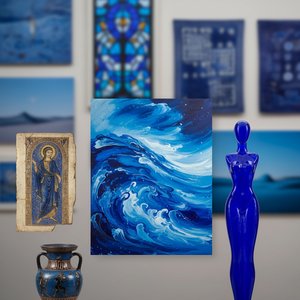
Błękit w Sztuce: Symbolika, Historia i Psychologiczne Oddziaływanie Koloru
Odkryj fascynującą historię błękitu w sztuce! Poznaj symbolikę, psychologię i wpływ tego koloru na arcydzieła renesansu i współczesne trendy. Ekspercka analiza dla miłośników sztuki.

Dekonstrukcja Rzeczywistości: Kompleksowa Eksploracja Martwej Natury w Kubizmie
Odkryj fascynujący świat kubizmu! Kompleksowa analiza martwej natury w twórczości Picassa i Braque’a. Historia, techniki, wpływ na sztukę współczesną – wszystko, co musisz wiedzieć.

Top 10 Sławnych Obrazów w Odcieniach Szaroniebieskiego – Inspiracje dla Wnętrz | TopImpressionists.com
Odkryj 10 najsłynniejszych obrazów w odcieniach szaroniebieskiego! Poznaj historie Claude Moneta, Degasa i Van Gogha. Inspiracje wnętrzarskie i reprodukcje najwyższej jakości na TopImpressionists.com – sztuka dla Twojego domu.
Odkryj dzieła sztuki uporządkowane według tematów, stylów i cech charakterystycznych.


