


 Zobacz w skali 1:1
 Wyślij
 Udostępnij
 Szczegóły
 Przewodnik

 Pobierz plik obrazu
 Podobne obiekty
 RTG
RTG Pokaz slajdów
 Statystyki
Trees, winter
 Oil On Canvas
- WallArt
- Post-Impressionism
 1883
1883- 19th Century
 15.0 x 25.0 cm
Experience Georges Pierre Seurat’s "Trees, Winter," a stunning post-impressionist masterpiece showcasing Pointillism's luminous precision and captivating winter forest scene. Discover this iconic artwork and bring its beauty into your space.
 Czytaj więcej
Odkryj Georges'a Seurata (1859-1891), pioniera pointylizmu i neoimpresjonizmu! Zobacz 'Niedzielę na wyspie Grande Jatte' i jego rewolucyjną teorię koloru. Zamów reprodukcje!
Ręcznie malowana reprodukcja olejowa
Ręcznie malowany obraz olejny na płótnie, wykonany na zamówienie przez naszych artystów w wybranym przez Ciebie wymiarze i oprawie. ( Przełącz na wersję drukowaną Przełącz na wersję cyfrową)




P118B zł10

P118H zł10

P118W zł10

P438Z zł10

P508JH zł12

P508YH zł12

P805H zł10

P805Z zł10

P919BZ zł10

P919G zł10

P919XJ zł10

P959ZH zł10

P968JZ zł12

W106C zł8

W218G zł10

W218JH zł8

W218Y zł10

W307PJ zł10

W316G zł10

W316PJ zł8

W316Y zł10

W398PJ zł8

W4111J zł10

W500HY zł15

W500JH zł15

W692G zł12

W849H zł8

W940BG zł15

W953PJ zł8




Standardowy
na zamówienie
CM
INCH
Wybierz spośród naszych standardowych rozmiarów, które zachowują oryginalne proporcje dzieła sztuki.
Loading sizes...

szerokość
wysokość
Wpisz wymaganą szerokość i wysokość, aby obraz pasował do Twojej ramy lub ściany. Ponieważ jest to dzieło malowane ręcznie, w przypadku rozmiaru o innym proporcji artysta może domalować nieco więcej wokół obrazu lub przyciąć fragmenty — wybór należy do Ciebie. Przed rozpoczęciem pracy prześlemy Ci cyfrową wizualizację do zatwierdzenia. Obraz widoczny na tej stronie nie przedstawia rzeczywistego efektu — jedynie wizualizacja oddaje realny rezultat.
Przykłady możliwych zmian: Zamień twarz na zdjęcie klienta; Dodaj zwierzę domowe (np. zamień kota na psa); Ukryj wiadomość w tle; Zmień krajobraz lub elementy tła.
Po złożeniu zamówienia zespół TopImpressionists.com skontaktuje się z klientem drogą mailową w celu uzyskania instrukcji i prześle wizualizację projektu
Po złożeniu zamówienia zespół TopImpressionists.com skontaktuje się z klientem drogą mailową w celu uzyskania instrukcji i prześle wizualizację projektu
Dostawa na całym świecie () w ciągu 3–4 tygodni zamiast standardowych 5 tygodni. (24 Październik). Bez kompromisów w kwestii jakości.

Bezpłatna ekspresowa wysyłka na cały świat

Wysokiej jakości płótno lniane

Pełne ubezpieczenie transportowe

Gwarancja zwrotu należności celnych i podatków importowych

Gwarancja idealnego odwzorowania barw

100-dniowy okres na zwrot dzieła w przypadku wykrycia wad produkcyjnych

Gwarancja 100% zwrotu pieniędzy

Oferta przy zakupie wielu sztuk
 Opcja ze szkłem jest dostępna wyłącznie w rozmiarach poniżej 110 cm

Trees, winter
Technika wykonania
Rozmiar reprodukcji
-


Suma do zapłaty
zł 1036
Georges Pierre Seurat’s “Trees, Winter”: A Symphony of Light and Precision
“Trees, Winter,” painted in 1883 by Georges Pierre Seurat stands as a cornerstone of Post-Impressionism—a movement that irrevocably altered the course of artistic expression. More than just a depiction of a snowy forest landscape, this artwork embodies Seurat’s groundbreaking approach to painting: Pointillism, a method rooted in scientific observation and driven by an unwavering desire to capture the essence of visual perception.
Seurat's journey toward artistic innovation began amidst the intellectual ferment of Parisian life. Born in 1859, he benefited from a privileged upbringing fostered by his father’s legal profession and subsequent foray into property speculation—allowing him access to formative art education. Early influences included Impressionism, particularly Monet and Renoir, yet Seurat swiftly recognized limitations within Impressionistic techniques, prioritizing instead the pursuit of optical accuracy.
The Science Behind Brilliance: Pointillist Technique
Unlike Impressionists who blended colors on canvas to create an illusion of luminosity, Seurat meticulously applied tiny dots of pure pigment—primarily complementary hues—onto the surface. This seemingly simple technique demanded exhaustive mathematical calculations and a profound understanding of color theory. Seurat’s meticulous process aimed to stimulate retinal cells, triggering a phenomenon known as chromoluminarism – essentially recreating the way light interacts with surfaces to produce color perception.
- Mathematical Precision: Seurat employed hexagonal grids overlaid on his canvas to ensure consistent spacing and distribution of pigment dots.
- Complementary Color Harmony: The artist skillfully utilized complementary colors—such as yellow and violet—to maximize visual impact and create a vibrant, balanced composition.
- Optical Mixing: Rather than blending pigments physically, Seurat relied on the eye’s ability to fuse adjacent dots of color, resulting in an astonishingly luminous effect.
A Landscape Steeped in Symbolism
"Trees, Winter" transcends mere topographical representation; it speaks to themes of solitude and contemplation amidst the austere beauty of nature. The stark white snow serves as a canvas for Seurat’s masterful rendering of bare branches—a visual metaphor for resilience and enduring strength during periods of dormancy. Furthermore, the muted earth tones contribute to an atmosphere of quiet introspection, inviting viewers to pause and appreciate the subtle nuances of winter light.
Emotional Resonance: Capturing Atmosphere
Despite its seemingly objective depiction, “Trees, Winter” possesses a palpable emotional depth. Seurat’s unwavering dedication to scientific rigor—combined with his sensitivity to color and texture—creates an artwork that resonates with viewers on a visceral level. It's a testament to the artist’s ability to transform observation into profound artistic expression, securing its place as a timeless masterpiece of Post-Impressionism.
Pytania i odpowiedzi
Jaka jest luminancja dzieła „Trees, winter” autorstwa Georges Pierre Seurat?
Kolory dzieła "Trees, winter" wykazują luminancję na poziomie Gentle Luminance.
Jakie są proporcje oraz wymiary dzieła „Trees, winter” autorstwa Georges Pierre Seurat?
„Trees, winter” autorstwa Georges Pierre Seurat ma proporcje pracy w formacie Panoramic o wymiarach 15 x 25 cm.
Jakiej techniki użyto do wykonania „Trees, winter” autorstwa Georges Pierre Seurat?
Technika wykonania dzieła „Trees, winter” autorstwa Georges Pierre Seurat to Oil On Canvas. Reprodukcje mają na celu wierne oddanie wyglądu tej techniki.
Podobne dzieła


Biografia artysty
Przełomowy Wizjoner Światła i Koloru: Życie i Sztuka Georges’a Seurata
Georges Pierre Seurat, urodzony w Paryżu 2 grudnia 1859 roku, wyłonił się jako kluczowa postać w przejściu od impresjonizmu do sztuki nowoczesnej. Jego krótkie, lecz niezwykle intensywne życie artystyczne zrewolucjonizowało malarstwo poprzez rozwój pointylizmu – techniki opartej na zasadach naukowych i nieustannym dążeniu do prawdy optycznej. Historia Seurata to opowieść o skrupulatnej obserwacji, intelektualnej rygorze oraz głębokiej wrażliwości na niuanse światła i koloru – cechy, które odróżniły go od jego ówczesnych współtwórców i wciąż urzekają odbiorców. Jego dzieciństwo, choć pozornie konwencjonalne, położyło fundamenty pod przyszłe artystyczne poszukiwania. Rodzina przeniosła się na Boulevard de Magenta krótko po jego urodzeniu, a jego ojciec, Antoine Chrysostome Seurat, emerytowany urzędnik prawny i spekulant nieruchomościami, zapewnił młodemu Georgesowi komfortowe wychowanie, umożliwiające dostęp do edukacji artystycznej. Rozpoczął formalne szkolenie w École Municipale de Sculpture et Dessin pod okiem rzeźbiarza Justina Lequiena, a następnie zapisał się na prestiżową École des Beaux-Arts w 1878 roku, studiując pod kierunkiem Henri Lehmanna. Te lata kształtowania charakteru wpoiły mu solidne podstawy tradycyjnych technik, jednak nawet wtedy zaczynał kształtować się jego unikalny charakter artystyczny – połączenie delikatnej wrażliwości i rodzącego się zamiłowania do systematycznej analizy.Od Korzeni Akademickich do Chromoluminaryzmu
Rozwój artystyczny Seurata nie był nagłym skokiem w innowację, lecz raczej stopniową ewolucją napędzaną intelektualną ciekawością i rygorystycznymi eksperymentami. Początkowo jego prace odzwierciedlały akademickie standardy tamtej epoki, demonstrując biegłość w rysunku i szacunek dla ustalonych zasad kompozycyjnych. Wkrótce jednak zaczął kwestionować te konwencje, poszukując bardziej naukowego podejścia do malarstwa. Zanurzył się w rozwijającej się dziedzinie teorii koloru, studiując pisma takich naukowców jak Michel Eugène Chevreul i Ogden Rood, którzy badali optyczne efekty zestawionych kolorów. To badanie stało się kamieniem węgielnym jego rewolucyjnej techniki – chromoluminaryzmu – nauki o kolorze i jej praktycznego zastosowania, pointylizmu. Sedno idei było zaskakująco proste: nakładanie małych, odrębnych kropek czystych kolorów na płótno, polegając na oku widza, aby optycznie je połączyły i stworzyły żywy, luminescencyjny efekt. Nie chodziło tu jedynie o osiągnięcie jaśniejszych kolorów; chodziło o zrozumienie, jak ludzki układ wzrokowy postrzega światło i kolor oraz wykorzystanie tej wiedzy do stworzenia bardziej dynamicznego i angażującego doświadczenia malarskiego. Skrupulatnie przygotowywał się do swoich monumentalnych kompozycji rysunkami w Conté na papierze o szorstkiej fakturze, starannie planując umiejscowienie każdej kropki, demonstrując niemal matematyczną precyzję w swoim procesie artystycznym.Kamienie Milowe Innowacji: Główne Dzieła i Wizja Artystyczna
Kulminacją jego badań i eksperymentów jest prawdopodobnie A Sunday Afternoon on the Island of La Grande Jatte (1884-1886), monumentalne dzieło, które zapoczątkowało neoimpresjonizm. To ikoniczne malowidło przedstawiające paryżan spędzających leniwe popołudnie nad Sekwaną, w pełni demonstruje jego technikę pointylistyczną. Postacie, oddane starannie rozmieszczonym kropkom koloru, zdają się mienić i pulsować światłem, tworząc atmosferę spokojnego bezruchu. Alfalfa, Saint-Denis (1886-1887) demonstruje zastosowanie teorii kolorów do krajobrazu wiejskiego, podczas gdy wcześniejsze prace, takie jak Landscape at Saint-Ouen (1882-1883), ukazują jego ewoluujący styl i rosnące zainteresowanie uchwyceniem efektów światła i atmosfery. Nawet przedstawienia nowoczesnego życia paryskiego, takie jak The Eiffel Tower (1889), zostały przekształcone dzięki jego unikalnej technice, prezentując harmonijną fuzję industrialnej nowoczesności i artystycznej innowacji. Bathers at Asnières (1884), kolejne znaczące dzieło, badał tematy rekreacji i życia nowoczesnego w swoim charakterystycznym stylu, zapowiadając bardziej dopracowane podejście widoczne w *La Grande Jatte*. Te obrazy nie były jedynie reprezentacjami scen; były starannie skonstruowanymi eksperymentami wizualnymi zaprojektowanymi do badania możliwości koloru i percepcji.Trwałe Dziedzictwo: Wpływ i Znaczenie Historyczne
Pomimo tragicznie krótkiego życia – Seurat zmarł w wieku 31 lat w 1891 roku – jego wpływ na świat sztuki był głęboki i dalekosiężny. Jego praca podważała tradycyjne konwencje artystyczne, otwierając drogę dla wielu kolejnych ruchów. Nacisk na subiektywne wyrażenie i eksplorację nowych technik rezonował z artystami dążącymi do zerwania z ograniczeniami akademickimi. Wpływ Seurata można dostrzec w pracach fowistów, którzy przyjęli odważne kolory i ekspresyjne pociągnięcia pędzla; kubistów, którzy dekonstruowali formy na geometryczne kształty oraz ekspresjonistów abstrakcyjnych, którzy priorytetyzowali emocjonalną intensywność i spontaniczny gest. Jego naukowe podejście do malarstwa, choć początkowo kontrowersyjne, ostatecznie poszerzyło definicję możliwości artystycznych. Udowodnił, że sztuka może być zarówno intelektualnie rygorystyczna, jak i emocjonalnie poruszająca – synteza, która wciąż inspiruje artystów dzisiaj. Dziedzictwo Seurata wykracza poza jego innowacje techniczne; pozostawił po sobie dorobek, który uchwycił esencję nowoczesnego życia z niezrównaną precyzją i pięknem, umacniając swoją pozycję jako prawdziwego pioniera sztuki nowoczesnej. Jego obrazy pozostają świadectwem mocy obserwacji, eksperymentowania i trwałego ludzkiego pragnienia zrozumienia świata wokół nas poprzez pryzmat artystycznego wyrazu.
Georges Pierre Seurat
1859 - 1891 , Francja
Najważniejsze informacje
- Artyści Wpływający:
- Michel Eugène Chevreul
- Ogden Rood
- Data Urodzenia: 2 grudnia 1859
- Data Śmierci: 29 marca 1891
- Miejsce Urodzenia: Paryż, Francja
- Narodowość: Francuski
- Pełne Imię: Georges Pierre Seurat
- Ruch Artystyczny: Neoimpresjonizm, Pointylizm
- Ruchy/Artyści Pod Wpływem:
- Fawizm
- Kubizm
- Abstrakcyjny ekspresjonizm
- Znaczące Dzieła:
- Niedzielne popołudnie na wyspie Grande Jatte
- Kąpiące się w Asnières
- Alfalfa, Saint-Denis
- Wieża Eiffla
Zobacz także powiązane artykuły

Beyond the Light: Discovering the Soul and Emotional Depth of Post-Impressionism
Embark on a cultural journey through Post-Impressionism. Discover the profound emotional depth of masters like Van Gogh and Cézanne, exploring how they moved beyond light to capture the very soul of human experience through vibrant color and symbolic form.
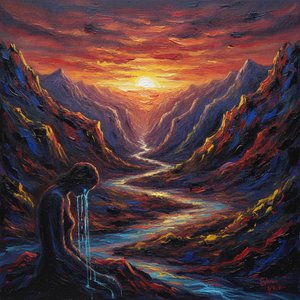
Capturing Emotion: A Journey Through the Soul of Expressionist Landscapes
Explore the profound emotional depth of Expressionist landscapes. Discover how Post-Impressionist masters moved beyond light to capture the soul through vibrant color and form. A curated journey for true art lovers seeking the beauty of expressive mastery.
Odkryj dzieła sztuki uporządkowane według tematów, stylów i cech charakterystycznych.


