

 Podgląd w skali 1:1
 Wyślij jako kartkę
 Udostępnij
 Szczegóły dzieła
 Przewodnik

 Pobierz obraz
 Podobne obiekty
 RTG
RTG Pokaz slajdów
 Q&A
Q&A Statystyki
untitled (372)


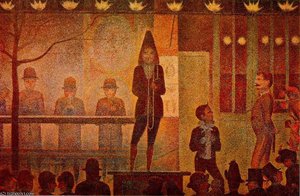
Experience the brilliance of Georges Seurat's "Untitled (372)" – a captivating Pointillist portrait capturing a vibrant stage performance. Explore its luminous precision and discover the legacy of Impressionism’s innovator.
 Rozwiń treść
Odkryj Georges'a Seurata (1859-1891), pioniera pointylizmu i neoimpresjonizmu! Zobacz 'Niedzielę na wyspie Grande Jatte' i jego rewolucyjną teorię koloru. Zamów reprodukcje!
Giclée / Wydruk artystyczny
Wydruki giclée lub płótna o jakości muzealnej, szybka realizacja i szeroki wybór opcji wykończenia. ( Zamów ręcznie malowaną reprodukcję Przejdź do wersji cyfrowej)




P118B zł10

P118H zł10

P118W zł10

P438Z zł10

P508JH zł12

P508YH zł12

P805H zł10

P805Z zł10

P919BZ zł10

P919G zł10

P919XJ zł10

P959ZH zł10

P968JZ zł12

W106C zł8

W218G zł10

W218JH zł8

W218Y zł10

W307PJ zł10

W316G zł10

W316PJ zł8

W316Y zł10

W398PJ zł8

W4111J zł10

W500HY zł15

W500JH zł15

W692G zł12

W849H zł8

W940BG zł15

W953PJ zł8




Standardowy format
personalizowane
CM
INCH
Wybierz spośród naszych standardowych rozmiarów, które zachowują oryginalne proporcje dzieła sztuki.
Loading sizes...

szerokość
wysokość
Wpisz wymaganą szerokość i wysokość, aby dopasować grafikę do ramy lub ściany. Wydruk można jedynie przyciąć, nigdy nie powiększając go poza oryginalny obraz, dlatego format o innych proporcjach spowoduje utratę części kompozycji. Przed rozpoczęciem druku prześlemy Ci cyfrowy podgląd do zatwierdzenia. Obraz wyświetlany na tej stronie nie pokazuje rzeczywistego przycięcia — jedynie podgląd oddaje ten efekt.
Dostawa na cały świat () w ciągu 2 tygodni zamiast standardowych 4/5 tygodni. (1 Listopad)

Bezpłatna ekspresowa wysyłka na cały świat

Wysokiej jakości płótno lniane

Pełne ubezpieczenie przesyłki

Gwarancja zwrotu należności celnych i podatków importowych

Gwarancja wiernego odwzorowania kolorów

100-dniowa polityka zwrotów (tylko w przypadku wad)

Gwarancja 100% zwrotu pieniędzy

Zniżka przy zakupie wielu sztuk
 Opcja ze szkłem jest dostępna wyłącznie w rozmiarach poniżej 110 cm

untitled (372)
Giclée / Wydruk artystyczny
Wymiary reprodukcji
-


Cena całkowita
zł 268
A Symphony of Light and Color: The Visionary World of Georges Seurat
In the quiet revolution of late 19th-century Paris, Georges Seurat emerged not merely as a painter, but as a conductor of light. His work, exemplified by the mesmerizing "Untitled (372)," represents a profound departure from the spontaneous, fleeting brushstrokes of his Impressionist contemporaries. While others sought to capture the ephemeral shimmer of a passing moment, Seurat embarked on a meticulous scientific investigation into the very mechanics of human perception. This particular piece invites the viewer into a vibrant stage scene, where a woman stands bathed in radiant hues, delivering a performance that feels both intimate and monumental. Through his eyes, a simple theatrical moment is transformed into a structured exploration of how color and light dance upon the retina.
The magic of this masterpiece lies in its revolutionary technique: Pointillism. Rather than the traditional method of blending pigments on a palette to create smooth transitions, Seurat applied tiny, distinct dots of pure, unadulterated color directly onto the canvas. This method, often referred to as chromoluminarism, relies on the viewer's eye to perform the work of blending. As you stand before the painting, the individual specks of pigment merge in your mind, creating a luminous, vibrating effect that traditional blending could never achieve. This creates a textured, almost breathing surface that captures the shimmering atmosphere of the stage, making the light feel as though it is pulsing with its own internal energy.
A Bridge Between Eras: Historical and Emotional Resonance
To behold "Untitled (37 and 2)" is to witness a pivotal moment in art history, where the subjective beauty of Impressionism met the objective rigor of modern science. Seurat was deeply influenced by contemporary research into optics and color theory, particularly the work of Eugène Chevreuil. By treating the canvas as a laboratory for light, he bridged the gap between the romanticized landscapes of the past and the structured abstraction of the future. The scene itself—a woman performing before an attentive, scattered audience—serves as a beautiful metaphor for this intersection. There is a sense of shared focus, a collective breath held in anticipation, which mirrors the way the viewer must focus to allow the Pointillist dots to coalesce into a coherent image.
For the discerning collector or interior designer, this artwork offers more than just visual splendor; it provides an emotional anchor of sophistication and intellectual depth. The vibrant palette and dynamic composition bring a lively, sophisticated energy to any space, making it an ideal centerpiece for a room designed for contemplation or grand entertaining. Whether placed in a contemporary gallery setting or a classic study, the painting’s ability to evoke both scientific precision and poetic beauty ensures it remains a timeless conversation piece. Owning a high-quality reproduction of such a seminal work allows one to bring the luminous, transformative spirit of Seurat into the modern home, celebrating a legacy of light that continues to captivate the human soul.
Pytania i odpowiedzi
Czy obraz „untitled (372)” – Georges Pierre Seurat można swobodnie reprodukować?
Jeśli chodzi o prawa autorskie, "untitled (372)" znajduje się w należy do domeny publicznej – autorskie prawa majątkowe wygasły.
Jak technika i ruch łączą się w "untitled (372)"?
"untitled (372)" powstało przy użyciu Oil, w stylu Impressionistic Precision.
Czy kolory w „untitled (372)” – Georges Pierre Seurat są nasycone czy stonowane?
Kolory dzieła „untitled (372)” – Georges Pierre Seurat charakteryzują się Subtle Color nasyceniem. Nasycenie określa, jak żywe lub stonowane są barwy.
Podobne dzieła




Biografia artysty
Przełomowy Wizjoner Światła i Koloru: Życie i Sztuka Georges’a Seurata
Georges Pierre Seurat, urodzony w Paryżu 2 grudnia 1859 roku, wyłonił się jako kluczowa postać w przejściu od impresjonizmu do sztuki nowoczesnej. Jego krótkie, lecz niezwykle intensywne życie artystyczne zrewolucjonizowało malarstwo poprzez rozwój pointylizmu – techniki opartej na zasadach naukowych i nieustannym dążeniu do prawdy optycznej. Historia Seurata to opowieść o skrupulatnej obserwacji, intelektualnej rygorze oraz głębokiej wrażliwości na niuanse światła i koloru – cechy, które odróżniły go od jego ówczesnych współtwórców i wciąż urzekają odbiorców. Jego dzieciństwo, choć pozornie konwencjonalne, położyło fundamenty pod przyszłe artystyczne poszukiwania. Rodzina przeniosła się na Boulevard de Magenta krótko po jego urodzeniu, a jego ojciec, Antoine Chrysostome Seurat, emerytowany urzędnik prawny i spekulant nieruchomościami, zapewnił młodemu Georgesowi komfortowe wychowanie, umożliwiające dostęp do edukacji artystycznej. Rozpoczął formalne szkolenie w École Municipale de Sculpture et Dessin pod okiem rzeźbiarza Justina Lequiena, a następnie zapisał się na prestiżową École des Beaux-Arts w 1878 roku, studiując pod kierunkiem Henri Lehmanna. Te lata kształtowania charakteru wpoiły mu solidne podstawy tradycyjnych technik, jednak nawet wtedy zaczynał kształtować się jego unikalny charakter artystyczny – połączenie delikatnej wrażliwości i rodzącego się zamiłowania do systematycznej analizy.Od Korzeni Akademickich do Chromoluminaryzmu
Rozwój artystyczny Seurata nie był nagłym skokiem w innowację, lecz raczej stopniową ewolucją napędzaną intelektualną ciekawością i rygorystycznymi eksperymentami. Początkowo jego prace odzwierciedlały akademickie standardy tamtej epoki, demonstrując biegłość w rysunku i szacunek dla ustalonych zasad kompozycyjnych. Wkrótce jednak zaczął kwestionować te konwencje, poszukując bardziej naukowego podejścia do malarstwa. Zanurzył się w rozwijającej się dziedzinie teorii koloru, studiując pisma takich naukowców jak Michel Eugène Chevreul i Ogden Rood, którzy badali optyczne efekty zestawionych kolorów. To badanie stało się kamieniem węgielnym jego rewolucyjnej techniki – chromoluminaryzmu – nauki o kolorze i jej praktycznego zastosowania, pointylizmu. Sedno idei było zaskakująco proste: nakładanie małych, odrębnych kropek czystych kolorów na płótno, polegając na oku widza, aby optycznie je połączyły i stworzyły żywy, luminescencyjny efekt. Nie chodziło tu jedynie o osiągnięcie jaśniejszych kolorów; chodziło o zrozumienie, jak ludzki układ wzrokowy postrzega światło i kolor oraz wykorzystanie tej wiedzy do stworzenia bardziej dynamicznego i angażującego doświadczenia malarskiego. Skrupulatnie przygotowywał się do swoich monumentalnych kompozycji rysunkami w Conté na papierze o szorstkiej fakturze, starannie planując umiejscowienie każdej kropki, demonstrując niemal matematyczną precyzję w swoim procesie artystycznym.Kamienie Milowe Innowacji: Główne Dzieła i Wizja Artystyczna
Kulminacją jego badań i eksperymentów jest prawdopodobnie A Sunday Afternoon on the Island of La Grande Jatte (1884-1886), monumentalne dzieło, które zapoczątkowało neoimpresjonizm. To ikoniczne malowidło przedstawiające paryżan spędzających leniwe popołudnie nad Sekwaną, w pełni demonstruje jego technikę pointylistyczną. Postacie, oddane starannie rozmieszczonym kropkom koloru, zdają się mienić i pulsować światłem, tworząc atmosferę spokojnego bezruchu. Alfalfa, Saint-Denis (1886-1887) demonstruje zastosowanie teorii kolorów do krajobrazu wiejskiego, podczas gdy wcześniejsze prace, takie jak Landscape at Saint-Ouen (1882-1883), ukazują jego ewoluujący styl i rosnące zainteresowanie uchwyceniem efektów światła i atmosfery. Nawet przedstawienia nowoczesnego życia paryskiego, takie jak The Eiffel Tower (1889), zostały przekształcone dzięki jego unikalnej technice, prezentując harmonijną fuzję industrialnej nowoczesności i artystycznej innowacji. Bathers at Asnières (1884), kolejne znaczące dzieło, badał tematy rekreacji i życia nowoczesnego w swoim charakterystycznym stylu, zapowiadając bardziej dopracowane podejście widoczne w *La Grande Jatte*. Te obrazy nie były jedynie reprezentacjami scen; były starannie skonstruowanymi eksperymentami wizualnymi zaprojektowanymi do badania możliwości koloru i percepcji.Trwałe Dziedzictwo: Wpływ i Znaczenie Historyczne
Pomimo tragicznie krótkiego życia – Seurat zmarł w wieku 31 lat w 1891 roku – jego wpływ na świat sztuki był głęboki i dalekosiężny. Jego praca podważała tradycyjne konwencje artystyczne, otwierając drogę dla wielu kolejnych ruchów. Nacisk na subiektywne wyrażenie i eksplorację nowych technik rezonował z artystami dążącymi do zerwania z ograniczeniami akademickimi. Wpływ Seurata można dostrzec w pracach fowistów, którzy przyjęli odważne kolory i ekspresyjne pociągnięcia pędzla; kubistów, którzy dekonstruowali formy na geometryczne kształty oraz ekspresjonistów abstrakcyjnych, którzy priorytetyzowali emocjonalną intensywność i spontaniczny gest. Jego naukowe podejście do malarstwa, choć początkowo kontrowersyjne, ostatecznie poszerzyło definicję możliwości artystycznych. Udowodnił, że sztuka może być zarówno intelektualnie rygorystyczna, jak i emocjonalnie poruszająca – synteza, która wciąż inspiruje artystów dzisiaj. Dziedzictwo Seurata wykracza poza jego innowacje techniczne; pozostawił po sobie dorobek, który uchwycił esencję nowoczesnego życia z niezrównaną precyzją i pięknem, umacniając swoją pozycję jako prawdziwego pioniera sztuki nowoczesnej. Jego obrazy pozostają świadectwem mocy obserwacji, eksperymentowania i trwałego ludzkiego pragnienia zrozumienia świata wokół nas poprzez pryzmat artystycznego wyrazu.
Georges Pierre Seurat
1859 - 1891 , Francja
Krótka nota
- Artyści Wpływający:
- Michel Eugène Chevreul
- Ogden Rood
- Data Urodzenia: 2 grudnia 1859
- Data Śmierci: 29 marca 1891
- Miejsce Urodzenia: Paryż, Francja
- Narodowość: Francuski
- Pełne Imię: Georges Pierre Seurat
- Ruch Artystyczny: Neoimpresjonizm, Pointylizm
- Ruchy/Artyści Pod Wpływem:
- Fawizm
- Kubizm
- Abstrakcyjny ekspresjonizm
- Znaczące Dzieła:
- Niedzielne popołudnie na wyspie Grande Jatte
- Kąpiące się w Asnières
- Alfalfa, Saint-Denis
- Wieża Eiffla
Powiązane artykuły

The Symphony of Dots: Unveiling the Luminous Magic and Optical Brilliance of Pointillism
Discover the luminous magic of Pointillism and the scientific brilliance of Georges Seurat. Explore our exquisite, hand-painted oil reproductions, meticulously crafted to bring the timeless elegance and optical beauty of Neo-Impressionism into your home with museum-grade quality.

The Magic of Pointillism: How Seurat and Signac Revolutionized Color and Light
Discover the luminous revolution of Pointillism. Explore how masters Georges Seurat and Paul Signac used scientific color theory and optical mixing to transform light and art history in this deep dive into Neo-Impressionist brilliance.
Odkryj dzieła sztuki uporządkowane według tematów, stylów i cech charakterystycznych.


