


 Podgląd w skali 1:1
 Wyślij jako kartkę
 Udostępnij
 Szczegóły dzieła
 Przewodnik

 Pobierz obraz
 Podobne obiekty
 RTG
RTG Pokaz slajdów
 Statystyki
Christ before the High Priest
 Oil On Canvas
- WallArt
- Dutch Baroque
 1617
1617 272.0 x 183.0 cm
 Narodowa Galeria Sztuki
Experience the dramatic intensity of Gerard van Honthorst’s ‘Christ Before the High Priest.’ This 1617 oil painting, rich with chiaroscuro and biblical drama, captures a pivotal moment in art history. Own a stunning reproduction today!
 Rozwiń treść
Gerard van Honthorst – mistrz światła i cienia w malarstwie barokowym. Jego dramatyczne portrety i sceny nocne, inspirowane Caravaggiem, zrewolucjonizowały sztukę holenderskiego Złotego Wieku. Odkryj jego arcydzieła!
Ręcznie malowana reprodukcja olejowa
Ręcznie malowany obraz olejny na płótnie, wykonany na zamówienie przez naszych artystów w wybranym przez Ciebie wymiarze i oprawie. ( Przełącz na wydania drukowane Przejdź do wersji cyfrowej)




P118B zł10

P118H zł10

P118W zł10

P438Z zł10

P508JH zł12

P508YH zł12

P805H zł10

P805Z zł10

P919BZ zł10

P919G zł10

P919XJ zł10

P959ZH zł10

P968JZ zł12

W106C zł8

W218G zł10

W218JH zł8

W218Y zł10

W307PJ zł10

W316G zł10

W316PJ zł8

W316Y zł10

W398PJ zł8

W4111J zł10

W500HY zł15

W500JH zł15

W692G zł12

W849H zł8

W940BG zł15

W953PJ zł8




Standardowy format
personalizowane
CM
INCH
Wybierz spośród naszych standardowych rozmiarów, które zachowują oryginalne proporcje dzieła sztuki.
Loading sizes...

szerokość
wysokość
Wpisz wymaganą szerokość i wysokość, aby obraz pasował do Twojej ramy lub ściany. Ponieważ jest to dzieło malowane ręcznie, w przypadku rozmiaru o innych proporcjach artysta może domalować nieco więcej wokół obrazu lub przyciąć jego fragmenty — wybór należy do Ciebie. Przed rozpoczęciem pracy prześlemy Ci cyfrową wizualizację do zatwierdzenia. Obraz widoczny na tej stronie nie przedstawia rzeczywistego efektu — jedynie wizualizacja oddaje realny rezultat.
Przykłady możliwych zmian: Zamień twarz na zdjęcie klienta; Dodaj zwierzę domowe (np. zamień kota na psa); Ukryj wiadomość w tle; Zmień krajobraz lub elementy tła.
Po złożeniu zamówienia zespół TopImpressionists.com skontaktuje się z klientem drogą mailową w celu uzyskania instrukcji i prześle wizualizację projektu
Po złożeniu zamówienia zespół TopImpressionists.com skontaktuje się z klientem drogą mailową w celu uzyskania instrukcji i prześle wizualizację projektu
Dostawa na całym świecie () w ciągu 3–4 tygodni zamiast standardowych 5 tygodni. (26 Październik). Bez kompromisów w kwestii jakości.

Bezpłatna ekspresowa wysyłka na cały świat

Wysokiej jakości płótno lniane

Pełne ubezpieczenie przesyłki

Gwarancja zwrotu należności celnych i podatków importowych

Gwarancja wiernego odwzorowania kolorów

100-dniowa polityka zwrotów (tylko w przypadku wad)

Gwarancja 100% zwrotu pieniędzy

Zniżka przy zakupie wielu sztuk
 Opcja ze szkłem jest dostępna wyłącznie w rozmiarach poniżej 110 cm

Christ before the High Priest
Technika reprodukcji
Wymiary reprodukcji
-


Cena całkowita
zł 1033
A Dramatic Encounter: Gerard van Honthorst’s “Christ Before the High Priest”
Gerard van Honthorst's "Christ Before the High Priest," painted in 1617, is more than just a biblical scene; it’s a masterclass in Baroque drama rendered in oil on canvas. Currently residing within the esteemed National Gallery in London, this work immediately commands attention with its masterful manipulation of light and shadow – a signature technique that firmly establishes Honthorst as a key figure in the Dutch Golden Age. The painting depicts a pivotal moment: Jesus Christ facing interrogation by High Priest Caiaphas, just hours before his crucifixion. It’s a scene brimming with tension, spiritual weight, and an undeniable sense of impending doom, all expertly conveyed through the artist's keen eye for detail and profound understanding of human emotion.
The Language of Light: Tenebrism and Chiaroscuro
Honthorst’s artistic journey was profoundly shaped by his time in Rome, where he encountered the revolutionary work of Caravaggio. This encounter ignited within him a passion for tenebrism – an approach to painting that utilizes stark contrasts between light and dark to create a theatrical effect. In “Christ Before the High Priest,” this technique is flawlessly executed. A single, unseen light source illuminates Christ’s face and upper body, casting the surrounding figures and the shadowed room in deep darkness. This dramatic interplay of light and shadow isn't merely aesthetic; it serves to draw the viewer’s eye directly to the central figure, emphasizing his vulnerability and the gravity of the situation. The use of chiaroscuro – a specific type of chiaroscuro focusing on subtle gradations of light – adds depth and volume to the figures, making them appear almost tangible within the space.
Composition and Symbolism: A Triangular Narrative
The composition of the painting is carefully constructed, employing a deliberate triangular arrangement that lends stability and balance to the scene. Christ occupies the apex of this triangle, immediately establishing him as the focal point. To his left stands an elderly man, gesturing emphatically towards the figure of Christ – a gesture laden with judgment and perhaps even accusation. Opposite him is a young woman, her expression one of quiet contemplation or perhaps apprehensive interest. These figures, along with the high priest (though not explicitly depicted), contribute to a complex narrative that speaks to themes of faith, betrayal, and divine justice. The dark background, adorned with what appear to be classical sculptures and paintings – remnants of the Marquis Giustiniani’s collection in Rome – subtly references the artistic traditions Honthorst encountered during his formative years, creating a dialogue between Italian Baroque influences and Dutch realism.
A Window into the Dutch Golden Age: Faith, Drama, and Artistic Innovation
“Christ Before the High Priest” stands as a powerful testament to the artistic flourishing of the Dutch Golden Age. Beyond its technical brilliance, the painting reflects the era’s fascination with religious themes and dramatic storytelling. Honthorst wasn't simply replicating biblical scenes; he was imbuing them with an emotional intensity that resonated deeply with his audience. His work exemplifies the period’s commitment to realism while simultaneously embracing theatricality and a heightened sense of drama – qualities that would become hallmarks of Dutch Baroque painting. The piece offers a compelling glimpse into the spiritual and artistic climate of 17th-century Holland, showcasing a dynamic interplay between faith, art, and social context.
TopImpressionists is proud to offer exquisite, hand-painted reproductions of Gerard van Honthorst’s “Christ Before the High Priest.” Each reproduction captures the original's dramatic intensity and meticulous detail, allowing you to bring this iconic masterpiece into your home or office. Explore our collection today and experience the power of Baroque art firsthand.
Pytania i odpowiedzi
Jakie miejsce zajmuje „Christ before the High Priest” wśród powracających motywów w twórczości Gerard van Honthorst?
Wśród motywów charakterystycznych dla twórczości Gerard van Honthorst – takich jak caravaggio’s tenebrism, roman influence, religious interrogation, biblical scene, marquis giustiniani’s collection piece, dramatic light, emotional intensity, honthorst's signature baroque style – dzieło „Christ before the High Priest” wprowadza własne skupienie na christ, high priest, drama, light, shadow, biblical, baroque, tension.
Czy prawa autorskie do „Christ before the High Priest” – Gerard van Honthorst pozwalają na tworzenie reprodukcji?
Status praw autorskich do dzieła „Christ before the High Priest” – Gerard van Honthorst jest jasny: utwór znajduje się w należy do domeny publicznej – autorskie prawa majątkowe wygasły. Jego obecność w Narodowa Galeria Sztuki nie zmienia tego stanu rzeczy.
Czy mogę zobaczyć „Christ before the High Priest” – Gerard van Honthorst w różnym oświetleniu?
"Christ before the High Priest" można badać warstwa po warstwie na stronie Analiza rentgenowska, która oferuje interaktywny podgląd inspirowany stołem świetlnym konserwatora, prezentujący jedenaście optycznych odczytów obrazu.
Biografia artysty
A Master of Light and Shadow: The Life and Art of Gerard van Honthorst
Gerard van Honthorst emerged from Utrecht in 1592, a pivotal figure poised to illuminate the Dutch Golden Age with his dramatic artistry. Initially guided by his father, a decorative painter, young Gerard’s talent blossomed under the tutelage of Abraham Bloemaert, establishing a solid foundation in draftsmanship and composition. However, it was a transformative journey to Rome that irrevocably altered the course of his artistic development. There, amidst the fervent energy of the Italian Baroque, he encountered the groundbreaking work of Caravaggio – an encounter that would define his signature style and earn him the evocative nickname “Gherardo delle Notti,” or Gerard of the Nights. The dramatic use of *tenebrism*, a technique employing stark contrasts between light and dark, became Honthorst’s hallmark, imbuing his canvases with a palpable sense of drama and emotional intensity. He wasn't merely imitating Caravaggio; he was translating the Italian master’s innovations into a distinctly Dutch sensibility, focusing on intimate scenes illuminated by artificial light sources – candles, lamps, and fires – creating an atmosphere both realistic and deeply theatrical. This mastery over light wasn’t simply technical skill; it was a means of revealing character, of drawing the viewer into the emotional core of each scene. Honthorst's early works in Rome showcased this talent brilliantly, establishing him as a rising star within the Italian art world.From Roman Acclaim to Dutch Mastery
Honthorst’s time in Rome was marked by considerable success and patronage. He found favor amongst the city’s elite, including Vincenzo Giustiniani, for whom he created the powerful “Christ Before the High Priest,” a work that exemplifies his masterful command of light and shadow. This painting, now residing in London’s National Gallery, showcases not only his technical skill but also his ability to convey profound psychological depth within his figures. The scene depicts Christ calmly awaiting judgment before the High Priest Caiaphas, bathed in a dramatic spotlight while the surrounding figures are shrouded in darkness – a masterful use of *tenebrism* that heightens the drama and emphasizes Christ’s serenity amidst impending doom. He further solidified his reputation by working for Cosimo II de' Medici, Grand Duke of Tuscany, demonstrating an adaptability and versatility that would serve him well throughout his career. Honthorst’s ability to capture not just physical likeness but also the character and social standing of his sitters made him highly sought after by wealthy merchants, nobles, and even royalty. This period saw a flourishing of commissions, allowing Honthorst to refine his style and establish a distinctive voice within Dutch painting. His portraits were particularly admired for their realism and psychological insight, capturing the nuances of personality with remarkable skill.The Utrecht Caravaggisti: A Distinctly Dutch Interpretation
Upon returning to Utrecht around 1620, Honthorst quickly established himself as a leading portrait painter in the Dutch Republic. He was a key figure in the *Utrecht Caravaggisti* movement – a group of Dutch painters who embraced Caravaggio’s dramatic realism and *tenebrism*. Alongside artists like Hendrick ter Brugghen and Dirck van Baburen, he helped to establish a distinctly Dutch interpretation of Italian Baroque style. The Utrecht Caravaggisti didn't simply copy Caravaggio; they adapted his techniques to the Dutch context, often incorporating elements of genre scenes and everyday life into their works. Honthorst’s emphasis on genre scenes illuminated by artificial light – candlelight, lamps, or fireplaces – became a hallmark of his style. These scenes weren’t merely decorative; they were imbued with emotional intensity and psychological depth, reflecting the complexities of human experience. His willingness to experiment with unusual lighting effects and dramatic compositions set him apart from other artists of his time.Courtly Artist: Commissions and Collaborations
The reach of Honthorst’s talent extended beyond the Netherlands. His work attracted the attention of Sir Dudley Carleton, who enthusiastically recommended him to prominent English aristocrats like the Earl of Arundel and Lord Dorchester. This led to commissions from Queen Elizabeth of Bohemia, sister of Charles I, who employed him as both a painter and drawing master for her children. These royal connections culminated in significant works such as the allegorical depiction of Charles and Henrietta Maria as Diana and Apollo, now housed at Hampton Court Palace – a grand composition that showcases Honthorst’s mastery of perspective and his ability to create visually stunning scenes. Honthorst’s willingness to collaborate with other artists also speaks to his open-mindedness and artistic generosity. He famously hosted Peter Paul Rubens during a visit to Utrecht, even painting him in a playful scene depicting Diogenes searching for an honest man – a testament to the mutual respect between these two Baroque giants. These collaborations weren't simply about sharing workload; they were intellectual exchanges that enriched the artistic landscape.Legacy and the Enduring Power of Light
Gerard van Honthorst’s influence resonated far beyond his lifetime. He was a key figure in the *Utrecht Caravaggisti* movement – a group of Dutch painters who embraced Caravaggio’s dramatic realism and *tenebrism*. His emphasis on genre scenes illuminated by artificial light, his masterful portraits, and his ability to convey emotional depth through skillful use of chiaroscuro left an indelible mark on the development of Dutch Golden Age painting. Even his brother, Willem van Honthorst, followed in his footsteps, though often with works initially misattributed to Gerard due to stylistic similarities. Van Honthorst died in Utrecht in 1656, leaving behind a body of work that continues to captivate audiences today and remind us of the enduring power of light and shadow to reveal the human condition. His paintings are celebrated for their dramatic beauty, psychological insight, and masterful use of *tenebrism*, solidifying his place as a pivotal figure in art history.
Gerard van Honthorst
1590 - 1656 , Holandia
Krótka nota
- Artistic Movement Or Style: Barok, Caravaggismo
- Artists Or Movements Influenced By This Artist: ['Utrecht Caravaggisti']
- Artists Who Influenced This Artist: ['Caravaggio']
- Date Of Birth: 1590
- Date Of Death: 1656
- Full Name: Gerard van Honthorst
- Nationality: Holender
- Notable Artworks:
- Chrystus przed Kajfaszem
- Sąd Midasa
- Place Of Birth: Utrecht, Holandia
Powiązane artykuły

10 Arcydzieł Wczesnoniderlandzkiego Malarstwa, które Zdefiniowały Epokę | Reprodukcje Obrazów
Odkryj 10 arcydzieł wczesnoniderlandzkiego malarstwa! Poznaj historie van Eycka, Weydena i Memlinga. Reprodukcje obrazów najwyższej jakości dla Twojego wnętrza. Inspiracje i dekoracje ścienne na TopImpressionists.com

Rembrandt van Rijn: 25 Najwybitniejszych Dzieł Sztuki – Reprodukcje i Inspiracje do Wnętrz
Poznaj 25 arcydzieł Rembrandta van Rijn! Odkryj fascynujące historie, techniki i wpływ holenderskiego mistrza baroku na świat sztuki. Reprodukcje obrazów najwyższej jakości – inspiracje do wnętrz na TopImpressionists.com

10 Arcydzieł Wczesnego Renesansu Niderlandzkiego: Sztuka i Dekoracja Domu
Odkryj 10 arcydzieł wczesnego renesansu niderlandzkiego! Poznaj historie van Eycka, Rogiera van der Weydena i innych mistrzów. Reprodukcje obrazów najwyższej jakości dla Twojego wnętrza – TopImpressionists.com

Charles-André van Loo: A Study in Rococo Portraiture & the French Court's Artistic Dynamics
Explore the elegant world of Charles-André van Loo, a master of Rococo portraiture at the French court. Discover his life, techniques, and enduring influence on 18th-century art. Hand-painted reproductions available.
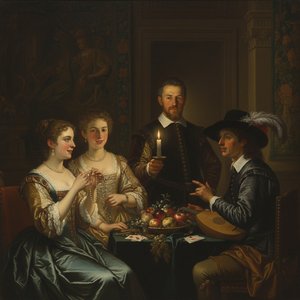
Gerard van Honthorst: Illuminating the Dutch Golden Age with Caravaggism & Courtly Grace
Explore the captivating world of Gerard van Honthorst, a Dutch Golden Age master renowned for his dramatic chiaroscuro & courtly portraits. Discover his life, art, and lasting influence on Baroque painting.
Odkryj dzieła sztuki uporządkowane według tematów, stylów i cech charakterystycznych.

