

Shown: · With its frame:
 Podgląd w skali 1:1
 Wyślij jako kartkę
 Udostępnij
 Szczegóły dzieła
 Przewodnik

 Pobierz obraz
 Podobne obiekty
 RTG
RTG Pokaz slajdów
 Q&A
Q&A Statystyki
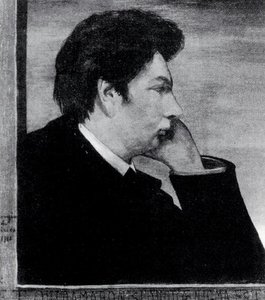
Self-portrait 7


zł 1036
Ręcznie malowana reprodukcja olejowa
Ręcznie malowany obraz olejny na płótnie, wykonany na zamówienie przez naszych artystów w wybranym przez Ciebie wymiarze i oprawie. ( Przełącz na wydania drukowane Przejdź do wersji cyfrowej)
Ten utwór podlega ochronie prawem autorskim
Dzieło sztuki prezentowane na tej stronie podlega ochronie prawem autorskim, co oznacza, że nie mamy prawa do tworzenia ani sprzedaży jego identycznej reprodukcji. Ochrona ta jest egzekwowana na mocy umów międzynarodowych, takich jak Konwencja berneńska oraz przez przepisy prawa krajowego, w tym te określone w Prawo autorskie USA – Tytuł 17.
Jako pełną szacunku i legalną alternatywę oferujemy personalizowane, malowane ręcznie dzieła sztuki inspirowane oryginałem. Nasi wykwalifikowani i profesjonalni artyści starannie analizują styl, nastrój oraz artystyczną esencję pierwowzoru, aby stworzyć nowe, unikalne dzieło, które przywołuje te same emocje – pozostając jednocześnie w pełni oryginalną kreacją.
Metoda ta jest w pełni zgodna z przepisami prawa autorskiego, ponieważ nie polega na kopiowaniu ani powielaniu chronionego dzieła. Stanowi ona kreatywną reinterpretację – nowy obraz, który czerpie inspirację z oryginału, ale nie jest z nim tożsamy.
 Dowiedz się więcej
Size
·Standardowy format
personalizowane
CM
INCH
Wybierz spośród naszych standardowych rozmiarów, które zachowują oryginalne proporcje dzieła sztuki.
Loading sizes...

szerokość
wysokość
Wpisz wymaganą szerokość i wysokość, aby obraz pasował do Twojej ramy lub ściany. Ponieważ jest to dzieło malowane ręcznie, w przypadku rozmiaru o innych proporcjach artysta może domalować nieco więcej wokół obrazu lub przyciąć jego fragmenty — wybór należy do Ciebie. Przed rozpoczęciem pracy prześlemy Ci cyfrową wizualizację do zatwierdzenia. Obraz widoczny na tej stronie nie przedstawia rzeczywistego efektu — jedynie wizualizacja oddaje realny rezultat.
Finish
·
White zł1

Blurside zł1

Extended zł1

P118B zł10

P118H zł10

P118W zł10

P438Z zł10

P508JH zł12

P508YH zł12

P805H zł10

P805Z zł10

P919BZ zł10

P919G zł10

P919XJ zł10

P959ZH zł10

P968JZ zł12

W106C zł8

W218G zł10

W218JH zł8

W218Y zł10

W307PJ zł10

W316G zł10

W316PJ zł8

W316Y zł10

W398PJ zł8

W4111J zł10

W500HY zł15

W500JH zł15

W692G zł12

W849H zł8

W940BG zł15

W953PJ zł8

H24-GOLD zł30

H24-SILVER zł30

H36-GOLD zł45

H36-SILVER zł45
Shipped in a protective tube, ready for your own framer.
Above 105 cm the frame is shipped as a kit for a professional framer — read the details.
Extras
optionalWhat do the extras include?
Examples of what can be changed: Replace face with customer photo; Add pet (e.g., replace cat with dog); Include hidden message in background; Change background landscape or elements.
After order, TopImpressionists.com team will email client for instructions and provide a mockup preview
After order, TopImpressionists.com team will email client for instructions and provide a mockup preview
Dostawa na całym świecie () w ciągu 3–4 tygodni zamiast standardowych 5 tygodni. (29 Październik). Bez kompromisów w kwestii jakości.
Lakier ochronny
Etykieta obiektu
Szczegóły grawerowanej brązowej tabliczki
This elegant plaque features the artist's name and the title of the artwork, finely engraved for a timeless presentation.
It is made from bronze with a refined, elegant finish. The text is precisely laser-engraved for a sharp and permanent result. Measuring 9x2 cm, the plaque is compact yet easy to read. It's built to be durable and scratch-resistant, offering a professional, museum-quality look. Mounting is simple thanks to the included adhesive backing.
Szczegóły przezroczystej tabliczki akrylowej
The plaque includes essential engraved details such as the artist's name, the title of the artwork, the date it was created, the type of media used-like oil on canvas or watercolor-a brief description of the piece, and a QR code that links to the complete artwork information.
It is crafted from clear acrylic, offering a sleek, modern appearance. The text is UV-engraved in black to ensure strong visual contrast. With a size of 10x15 cm, it ensures optimal readability. It comes equipped with two metal hooks for secure wall mounting. The plaque is designed to be weather-resistant, making it suitable for various environments, and it includes interactive features that work seamlessly with smartphone scanning.
Szczegóły czarnej tabliczki akrylowej
This elegant plaque includes engraved information such as the artist's name, the title of the artwork, the date it was created, the type of media used (like oil on canvas or watercolor), a short description of the artwork, and a QR code for quick access to more information.
The plaque itself is made from refined black acrylic with a premium finish. The text is laser-engraved in white for high contrast and readability. Its size is 10x15 cm, designed to be easy to read. It comes with two metal hooks for professional mounting. The design is sleek and fits any interior style. It is also weather-resistant and durable, with built-in digital integration for mobile compatibility.
Opcja ze szkłem jest dostępna wyłącznie w rozmiarach poniżej 110 cm
 Opcja ze szkłem jest dostępna wyłącznie w rozmiarach poniżej 110 cm
- Bezpłatna ekspresowa wysyłka na cały świat
- Wysokiej jakości płótno lniane
- Pełne ubezpieczenie przesyłki
- Gwarancja zwrotu należności celnych i podatków importowych
- Gwarancja wiernego odwzorowania kolorów
- 100-dniowa polityka zwrotów (tylko w przypadku wad)
- Gwarancja 100% zwrotu pieniędzy
- Zniżka przy zakupie wielu sztuk


Opis obiektu
A haunting self-portrait by Giorgio de Chirico (1922). Explore the artist's melancholic style, surreal imagery, and philosophical depth in this iconic masterpiece.
Biografia artysty
Giorgio de Chirico – mistrz metafizycznego malarstwa! Odkryj jego surrealistyczne miasta, filozoficzne obrazy i ikoniczne manekiny. Wpływ na Surrealizm i współczesną sztukę.
About the painting
A Dreamscape in Gray: De Chirico’s “Self-Portrait 7”
Giorgio de Chirico's "Self-Portrait 7," painted around 1922, isn’t merely a depiction of an artist; it’s a distilled essence of the anxieties and intellectual currents swirling through Europe at the dawn of the 20th century. This haunting monochrome study, housed within the Toledo Museum of Art, invites us into a realm where reality fractures, memory bleeds into dream, and the self becomes both subject and object—a captivating paradox that defines much of de Chirico’s oeuvre. The painting immediately arrests with its stark simplicity: a figure rendered in muted grays, positioned slightly off-center against a subtly receding backdrop, his hand partially obscuring his mouth as if holding back a profound thought or perhaps a secret sorrow.
The work belongs firmly within de Chirico’s “Metaphysical” period, a movement he pioneered alongside his brother, Andrea Savinio. This style rejected the superficiality of contemporary art and sought to capture not just appearances but the underlying anxieties and irrationalities of human experience. Influenced by philosophers like Arthur Schopenhauer and Friedrich Nietzsche, de Chirico aimed to depict a world where logic dissolves, and the familiar becomes unsettlingly strange. The painting’s palette—a carefully orchestrated symphony of grays—is crucial to this effect. It's not simply black and white; it’s a spectrum of tones that evokes both melancholy and a sense of timelessness, mirroring the artist’s own preoccupation with mortality and the passage of time.
Deconstructing Form: Technique and Composition
Technically, “Self-Portrait 7” is characterized by a meticulous layering of oil paint—a technique de Chirico revisited after abandoning his earlier, more vibrant style. He employed subtle gradations of tone to create an illusion of depth and texture, suggesting the rough surface of clothing and the smooth planes of the face. The composition itself is deceptively simple, yet profoundly effective. The figure’s placement off-center creates a dynamic tension, drawing the eye across the canvas and inviting contemplation. Notice how the background recedes sharply, almost dissolving into an indeterminate space—a technique that reinforces the painting's sense of unease and disorientation.
The use of line is equally deliberate. The strong outlines defining the face and body are softened by the surrounding tones, creating a sense of ambiguity. There’s a deliberate lack of detail; de Chirico wasn’t interested in photographic realism but rather in capturing the *feeling* of a scene—the emotional weight of a moment. The inclusion of the bust of Eudipides, subtly referenced in the painting's title and further explored in another work by the artist, adds an additional layer of symbolic complexity, hinting at themes of fate, suffering, and the burden of knowledge.
Symbolism and Emotional Resonance
The obscured mouth is perhaps the most potent symbol within the portrait. It suggests restraint, introspection, or even a suppressed emotion—a refusal to fully articulate the anxieties that plague the artist’s mind. The overall mood is undeniably melancholic, yet there's also an undercurrent of quiet dignity and resilience. De Chirico wasn’t simply depicting sadness; he was exploring the complex relationship between the self and the world, revealing a profound sense of isolation within a rapidly changing society.
The painting’s setting—a vaguely architectural space—further contributes to its unsettling atmosphere. It's reminiscent of Roman arcades, which de Chirico frequently depicted in his work, but here they feel strangely deserted and devoid of life. This reinforces the sense of alienation and loneliness that permeates the portrait. The subtle inclusion of a tangerine adds an unexpected element of warmth and color—a fleeting reminder of beauty amidst the prevailing gloom.
A Legacy of Dreamlike Visions
“Self-Portrait 7” stands as a quintessential example of de Chirico’s unique artistic vision. It's a painting that defies easy interpretation, inviting viewers to engage with its mysteries and grapple with its emotional complexities. It’s not merely a portrait; it’s a window into the artist’s psyche—a glimpse behind the curtain of his creative process. De Chirico’s work continues to resonate today because it taps into universal anxieties about identity, mortality, and the nature of reality. Reproductions of this powerful image offer a chance to bring this dreamlike vision into your own space, prompting reflection and sparking conversation.
Pytania i odpowiedzi
Do jakiego nurtu artystycznego należy „Self-portrait 7” – Giorgio de Chirico?
„Self-portrait 7” to dzieło należące do nurtu Metaphysical Art. Nurt ten określa tradycję artystyczną, w której osadzone jest dzieło.
Czy „Self-portrait 7” – Giorgio de Chirico to dzieło o jasnej czy ciemnej kolorystyce?
Zarejestrowane wartości dla „Self-portrait 7” – Giorgio de Chirico to: jasność deep_shadow, luminancja Soft Shadow.
Gdzie najlepiej eksponować dzieło „Self-portrait 7” w formacie Portrait?
Format Portrait dzieła „Self-portrait 7” – Giorgio de Chirico jest rekomendowany do Living Room. Format oraz przestrzeń wspólnie pomagają w odpowiednim rozmieszczeniu reprodukcji.
Quick facts and art quiz
About Giorgio de Chirico

Giorgio de Chirico
1888 - 1978, Grecja
Biografia artysty
Giorgio de Chirico: A Dreamscape of the Mind
Giorgio de Chirico, urodzony w 1888 roku w Wolosie, Grecji, jako syn włoskich rodziców – genuejskiej matki i sycylijskiego ojca, rozpoczął swoją artystyczną podróż od połączenia dziedzictwa klasycznego z narastającym poczuciem nowoczesnej alienacji. Wczesna edukacja w Ateńskim Politechnice zapewniła mu solidne podstawy techniczne, jednak to studia w Monachium zapaliły prawdziwego ognia jego kreatywności. Tam, w intelektualnym fermentie przedwojennej Europy, spotkał prace Arnolda Böcklina i Maxa Klingera – artystów, których symbolistyczne krajobrazy i przerażające obrazy głęboko rezonowały z rozwijającym się jego estetycznym światem. Równie wpływowe były prądy filozoficzne tamtej epoki – pisma Fryderyka Nietzschego, Artura Schopenhauera i Otto Weiningera – które badały tematy egzystencjalizmu, nielojalność ludzkich pragnień i subiektywność rzeczywistości. Te idee stały się centralne dla przełomowej artystycznej wizji de Chirico.Narodziny Sztuki Metafizycznej
W około 1909 roku zaczęła kształtować się unikalny styl, który sam określił jako “sztukę metafizyczną”. Nie była to jedynie innowacja stylistyczna; była to głęboka próba uchwycenia ukrytych rzeczywistości pod powierzchnią codziennego życia, ujawnienia niepokojącej poezji skrywającej się w znanych przestrzeniach. Kluczowym momentem stała się wizyta we Florencji i doświadczenie na Piazza Santa Croce, która zainspirowała jego ikonową serię “Metafizycznych Placów”. Obrazy te charakteryzują się ich dziwaczną ciszą, długimi dramatycznymi cieniami, iluzorycznymi perspektywami oraz obecnością klasycznej architektury zestawionej z niepokojącymi elementami, takimi jak bezimienne manekiny i potężne posągi. Efekt jest głęboko zniekształcający, wywołujący poczucie nostalgii, izolacji i niemalże niewyobrażalnego pragnienia czegoś straconego lub niedostępnego. De Chirico założył Scuola Metafisica, która znacząco wpłynęła na Surrealizm, choć później odsunął się od interpretacji jego twórczości przez ten nurt. Jego obrazy nie były przeznaczone do ilustrowania snów, lecz raczej do przedstawiania rzeczywistości poza widzialnym światem – królestwa, w którym czas i przestrzeń są płynne, a granice między świadomością a podświadomieniem się zacierają. Znaczące dzieła takie jak *“Wzburzenie Myśliciela”*, *“Enigma Popołudnia Jesiennego”* i *“Pieśń Miłości”* ilustrują ten przerażający estetyczny świat, zapraszając widza do kontemplacji tajemnic istnienia i kruchości ludzkiej percepcji.Zmiana Stylu i Trwała Dziedzictwa
Po I wojnie światowej, około 1919 roku, artystyczna ścieżka de Chirico podjęła niespodziewany zwrot. Odrzucił swój wczesny styl metafizyczny, przyjmując zamiast tego bardziej tradycyjną, neoklasyczną lub neobarokową estetykę. Ta zmiana spotkała się z poważnymi kontrowersjami; wielu krytyków żałował utraty innowacyjnego ducha, który definiował jego wczesne dzieło. Jednak de Chirico pozostał wierny swoim artystycznym wyborom, powracając do tematów przeszłości, ale przedstawiając je odmienioną wrażliwością. Kontynuował malowanie i wystawy przez całe życie, eksplorując różne style i tematy, zachowując jednocześnie stałą zaangażowaną w rzemiosło i umiejętności techniczne. Pomimo krytyki, jego wpływ na kolejne pokolenia artystów nie może być przeceniony. Jego innowacyjne wykorzystanie przestrzeni, perspektywy i symboliki podważało konwencjonalne normy artystyczne i wytyczył drogę dla nowych form ekspresji.Wpływy i Trwałe Dziedzictwo
Prace de Chirico stanowią kluczowy most między późniejszym ruchem Symbolistycznym a wczesnym Surrealizmem w XX wieku. Był bezpośrednio zainspirowany artystami takimi jak Arnold Böcklin i Max Klinger, których sugestywne obrazy rezonowały z jego fascynacją mitologią i podświadomością. Filozofowie tacy jak Nietzsche i Schopenhauer dostarczyli mu ramy do badania tematów egzystencjalnego lęku, alienacji i poszukiwania sensu w pozornie bezsensownym świecie. Jednak wpływ de Chirico wykraczał daleko poza Surrealizm. Artystami takimi jak René Magritte i Salvador Dalí byli głęboko zainspirowani jego obrazami metafizycznymi, przyjmując jego techniki zestawiania, iluzorycznej perspektywy i symbolicznej reprezentacji do tworzenia własnych, marzących światów. Jego dzieła wpłynęły również na późniejsze nurty takie jak Realizm magiczny, który dążył do przedstawienia codziennej rzeczywistości z podniesionym poczuciem tajemnicy i psychologicznej głębi. Dzisiaj obrazy de Chirico są wystawiane w renomowanych muzeach na całym świecie, w tym w Muzeum poświęconym jego twórczości w samym sercu Rzymu, zapewniając, że jego dziedzictwo jako jednego z najważniejszych postaci sztuki XX wieku pozostaje trwałe. Zostawił za sobą nie tylko zbiór dzieł sztuki, ale także nowy sposób postrzegania świata – sposób na dostrzeganie rzeczywistości jako miejsca ukrytych znaczeń, niepokojącej piękności i trwałej tajemnicy.Kluczowe Wpływy & Linia Artystyczna
- Zainspirowany przez: Arnold Böcklin, Max Klinger, Fryderyk Nietzsche, Arthur Schopenhauer.
- Zainspirował: Surrealizm, szczególnie artystów takich jak René Magritte i Salvador Dalí. Jego dzieła również wpłynęły na późniejsze nurty takie jak Realizm magiczny.
Krótka nota
- Artistic Movement Or Style: Metafizyczne malarstwo
- Artists Or Movements Influenced By This Artist:
- Surrealizm
- Magritte
- Artists Who Influenced This Artist:
- Böcklin
- Klinger
- Date Of Birth: 10 lipca 1888
- Date Of Death: 20 listopada 1978
- Full Name: Giorgio de Chirico
- Nationality: Włoski
- Notable Artworks:
- Enigma popołudniowego
- Śpiew miłości
- Place Of Birth: Wolos, Grecja
Odkryj dzieła sztuki uporządkowane według tematów, stylów i cech charakterystycznych.


Self-portrait 7
·