Zobacz w skali 1:1
 Wyślij
 Udostępnij
 Szczegóły
 Przewodnik

 Pobierz plik obrazu
 Podobne obiekty
 RTG
RTG Pokaz slajdów
 Statystyki
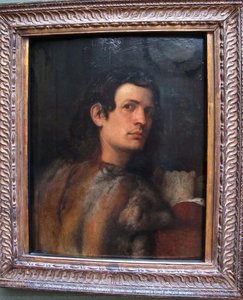
Boy with flute


 Czytaj więcej
Poznaj Giorgiona i jego niezwykły obraz "Portret Giorgiona", arcydzieło włoskiego Renesansu skupiające się na introspekcji artystycznej i innowacji malarskiej szkoły wergierskiej. Odkryj piękno kolorystyki i atmosfery!
Ręcznie malowana reprodukcja olejowa
Ręcznie malowany obraz olejny na płótnie, wykonany na zamówienie przez naszych artystów w wybranym przez Ciebie wymiarze i oprawie. ( Przełącz na wersję drukowaną Przełącz na wersję cyfrową)




P118B zł10

P118H zł10

P118W zł10

P438Z zł10

P508JH zł12

P508YH zł12

P805H zł10

P805Z zł10

P919BZ zł10

P919G zł10

P919XJ zł10

P959ZH zł10

P968JZ zł12

W106C zł8

W218G zł10

W218JH zł8

W218Y zł10

W307PJ zł10

W316G zł10

W316PJ zł8

W316Y zł10

W398PJ zł8

W4111J zł10

W500HY zł15

W500JH zł15

W692G zł12

W849H zł8

W940BG zł15

W953PJ zł8




Standardowy
na zamówienie
CM
INCH
Wybierz spośród naszych standardowych rozmiarów, które zachowują oryginalne proporcje dzieła sztuki.
Loading sizes...

szerokość
wysokość
Wpisz wymaganą szerokość i wysokość, aby obraz pasował do Twojej ramy lub ściany. Ponieważ jest to dzieło malowane ręcznie, w przypadku rozmiaru o innym proporcji artysta może domalować nieco więcej wokół obrazu lub przyciąć fragmenty — wybór należy do Ciebie. Przed rozpoczęciem pracy prześlemy Ci cyfrową wizualizację do zatwierdzenia. Obraz widoczny na tej stronie nie przedstawia rzeczywistego efektu — jedynie wizualizacja oddaje realny rezultat.
Przykłady możliwych zmian: Zamień twarz na zdjęcie klienta; Dodaj zwierzę domowe (np. zamień kota na psa); Ukryj wiadomość w tle; Zmień krajobraz lub elementy tła.
Po złożeniu zamówienia zespół TopImpressionists.com skontaktuje się z klientem drogą mailową w celu uzyskania instrukcji i prześle wizualizację projektu
Po złożeniu zamówienia zespół TopImpressionists.com skontaktuje się z klientem drogą mailową w celu uzyskania instrukcji i prześle wizualizację projektu
Dostawa na całym świecie () w ciągu 3–4 tygodni zamiast standardowych 5 tygodni. (21 Październik). Bez kompromisów w kwestii jakości.

Bezpłatna ekspresowa wysyłka na cały świat

Wysokiej jakości płótno lniane

Pełne ubezpieczenie transportowe

Gwarancja zwrotu należności celnych i podatków importowych

Gwarancja idealnego odwzorowania barw

100-dniowy okres na zwrot dzieła w przypadku wykrycia wad produkcyjnych

Gwarancja 100% zwrotu pieniędzy

Oferta przy zakupie wielu sztuk
 Opcja ze szkłem jest dostępna wyłącznie w rozmiarach poniżej 110 cm

Boy with flute
Technika wykonania
Rozmiar reprodukcji
-


Suma do zapłaty
zł 1021
A Venetian Reverie: Unveiling Giorgione’s ‘Boy with Flute’
Giorgione's “Boy with Flute,” painted around 1508, isn’t merely a portrait; it’s an invitation into a fleeting moment of serene beauty – a quintessential example of the Venetian Renaissance at its most evocative. The painting immediately captivates with its luminous palette and the palpable sense of stillness that permeates the scene. The young man, bathed in diffused light, appears lost in his own world as he plays a simple flute, an instrument often associated with pastoral tranquility and youthful innocence. This wasn’t simply a commission for a wealthy patron; it feels like a distillation of Venetian ideals – a celebration of beauty, harmony, and the subtle pleasures of life.
The Painter's Hand: Technique and Style
Giorgione’s style is notoriously difficult to pin down, contributing significantly to his enduring mystique. He operated outside the rigid confines of academic painting, favoring a more intuitive approach that prioritized atmosphere and color over precise detail. “Boy with Flute” exemplifies this perfectly. Notice how Giorgione employs *sfumato*, a technique perfected by Leonardo da Vinci, to soften edges and create an almost hazy effect. The light seems to emanate from within the figure itself, blurring the boundaries between subject and background. The brushstrokes are incredibly subtle, layered upon each other to build up depth and luminosity. He masterfully uses color – predominantly muted greens, blues, and ochres – to evoke a sense of twilight or early morning, lending the scene an ethereal quality. The composition is remarkably simple yet profoundly effective; the figure dominates the frame without feeling cramped, drawing the viewer into his contemplative state.
- Color Palette: Dominated by muted greens, blues, and ochres – creating a sense of twilight or early morning.
- Sfumato Technique: Employed to soften edges and create an atmospheric haze.
- Brushwork: Subtle and layered, contributing to the painting’s luminous quality.
A Fragment of Venice: Historical Context and Symbolism
Painted in the early 16th century, “Boy with Flute” reflects the flourishing artistic climate of Venice at the time – a city renowned for its wealth, trade, and patronage of the arts. Giorgione’s work aligns closely with the Venetian *Trecento* style, characterized by its emphasis on color, light, and classical themes. The flute itself carries symbolic weight; it represents youth, innocence, and connection to nature. The dark background, devoid of specific details, could be interpreted as a representation of the unknown or the realm of dreams – further enhancing the painting’s enigmatic quality. Some scholars suggest that the setting might allude to the Venetian countryside, a popular subject for Renaissance artists seeking inspiration beyond the city walls.
Emotional Resonance: A Portrait of Contemplation
Beyond its technical brilliance and historical context, “Boy with Flute” possesses a remarkable emotional resonance. The young man’s expression is one of quiet contemplation – he's not actively performing but lost in the act of playing. This invites us to consider our own relationship with music, nature, and the simple joys of life. The painting doesn’t demand an explanation; it simply *is*—a beautiful, self-contained moment captured on canvas. It speaks to a universal human desire for peace and connection, making it a timeless work that continues to captivate viewers centuries after its creation. A reproduction of this piece offers a window into the soul of Renaissance Venice, bringing a touch of serene beauty to any space.
Pytania i odpowiedzi
W jaki sposób „Boy with flute” autorstwa Giorgione łączy High Renaissance z krajem pochodzenia artysty?
"Boy with flute" zostało stworzone przez Giorgione, urodzonego w Włochy, w ramach nurtu High Renaissance. Pochodzenie artysty wiąże to dzieło z High Renaissance w wydaniu twórców z Włochy.
Jaki nastrój i emocje łączą się w "Boy with flute"?
W "Boy with flute" nastrojowi Romantic towarzyszy emocja Melancholic.
Z jakich materiałów wykonano "Boy with flute" i w jakim stylu?
„Boy with flute” autorstwa Giorgione łączy technikę Acrylic On Canvas ze stylem High Renaissance. Technika i nurt opisują sposób wykonania oraz styl dzieła.
Biografia artysty
Wenecki Enigma: Życie i Dziedzictwo Giorgiona
Giorgio Barbarelli da Castelfranco, znany całemu światu jako Giorgione, pozostaje jedną z najbardziej nieuchwytnych i fascynujących postaci sztuki renesansu. Urodzony w małym miasteczku Castelfranco Veneto niedaleko Wenecji około 1477 lub 1478 roku – dokładna data jest przedmiotem sporów – jego tragicznie krótkie życie, które zakończyło się około 1510 roku w wieku trzydziestu dwóch lub trzydziestu trzech lat, skrywa artystyczny wpływ, który rezonuje aż do dziś. W przeciwieństwie do wielu jego współczesnych, których życiorysy są dobrze udokumentowane, historia Giorgiona spowita jest tajemnicą, układaną z nielicznych zapisów historycznych oraz często romantyzowanych relacji Giorgio Vasariego. To, co wiemy, sugeruje człowieka głęboko zanurzonego w tętniącej życiem kulturze Wenecji – miasta, które sprzyjało zarówno innowacjom artystycznym, jak i zmysłowemu uwielbieniu piękna. Prawdopodobnie kształcił się pod okiem Giovanniego Belliniego, czołowego weneckiego malarza, chłonąc ugruntowane tradycje, zanim wytyczył własną, unikalną ścieżkę. Jego wczesne zlecenia obejmowały portrety dostojnych postaci, takich jak doża Agostino Barbarigo, co dowodziło natychmiastowego talentu do oddawania podobieństwa i statusu. Jednak to właśnie odejście od konwencjonalnej tematyki i rewolucyjne podejście do malarstwa sprawiły, że Giorgione naprawdę się wyróżnił.Poetyckie Wizje: Styl i Innowacja
Styl artystyczny Giorgiona stanowił znaczące zerwanie z dominującym we Florencji naciskiem na perspektywę linearną i precyzyjny rysunek. Stał się on rzecznikiem koloru, atmosfery i ewokatywnej nastrojowości, która stała się znakiem rozpoznawczym szkoły weneckiej. Jego technika polegała na zmiękczaniu konturów, stosowaniu subtelnych przejść tonalnych – *sfumato* – w celu stworzenia efektów atmosferycznych oraz przedkładaniu ogólnej harmonii nad drobiazgową szczegółowość. To podejście nie było jedynie wyborem technicznym; odzwierciedlało fundamentalnie inną wrażliłość artystyczną. Giorgione nie dążył do kopiowania rzeczywistości, lecz do uchwycenia jej esencji, ulotnych emocji i poetyckiego rezonansu. Jego obrazy często przedstawiają enigmatyczne tematy i wieloznaczne narracje, zapraszając widza do świata kontemplacji, zamiast oferować jasne opowieści. Burza, być może jego najsłynniejsze dzieło, idealnie to obrazuje. Scena ta – żołnierz i karmiąca matka pośród burzowego krajobrazu – od wieków wprawia historyków sztuki w konsternację, a jej znaczenie pozostaje kusząco nieuchwytne. Podobnie Koncert pastoralny (Fête champêtre) prezentuje sielankowe zgromadzenie muzyków w pasterskiej scenerii, celebrowane nie za konkretną opowieść, lecz za harmonijną kompozycję i liryczną jakość. Dzieła te nie miały być zagadkami do rozwiązania; miały wywoływać uczucia, nastroje i poczucie zachwytu.Arcydzieła i Nieprzemijający Wpływ
Choć jego dorobek został ograniczony przez przedwczesną śmierć, Giorgione pozostawił po sobie niewielki, lecz niezwykle wpływowy zbiór dzieł. Śpiąca Wenus, prawdopodobnie ukończona przy pomocy Tycjana po śmierci artysty, jest ikonicznym przedstawieniem bogini, ukazującym jego mistrzostwu w operowaniu kolorem i formą. Leniwa poza i miękkie tony ciała ucieleśniają weneckie uwielbienie dla zmysłowości i piękna. Do innych znaczących dzieł należą Judyta, wczesny przykład rozwijającego się stylu, oraz portrety ujawniające niezwykłą zdolność do chwytania charakteru i istoty swoich modeli. Wpływ Giorgiona wykraczał daleko poza jego własne płótna. Był mentorem dla Tycjana, który stał się jednym z najsławniejszych artystów dojrzałego renesansu, kontynuując innowacje Giorgiona w zakresie koloru i malarstwa atmosferycznego. Nacisk na barwę i nastrój głęboko wpłynął na rozwój malarstwa weneckiego, odróżniając je od tradycji florenckiej i ustanawiając Wenecję jako główne centrum innowacji artystycznej.Trwałe Dziedzictwo: Historyczne Znaczenie Giorgiona
Mimo krótkiej kariery, Giorgion zajmuje kluczowe miejsce w historii sztuki. Stał się pomostem między wcześniejszymi tradycjami weneckimi a innowacjami Tycjana i innych późniejszych mistrzów, fundamentalnie zmieniając bieg malarstwa włoskiego. Jego nacisk na poetycki nastrój, efekty atmosferyczne i wieloznaczne narracje utorował drogę nowym poszukiwaniom artystycznym i zainspirował pokolenia twórców. Sama tajemnica otaczająca jego życie i twórczość przyczyniła się do jego trwałego mistycyzmu i uroku. Pozostaje on symbolem wolności artystycznej, innowacji i potęgi sugestii – malarzem, który odważył się postawić uczucie ponad formę, atmosferę ponad dokładność i poezję ponad narrację.Kluczowe Dzieła Giorgiona
- Burza (ok. 1506-1508)
- Koncert pastoralny (Fête champêtre) (ok. 1509)
- Śpiąca Wenus (ok. 1510)
- Judyta (1504)
- Portret weneckiego dżentelmena

Giorgione
1477 - 1510 , Włochy
Najważniejsze informacje
- Artistic Movement Or Style: High Renaissance, Venetian school
- Artists Or Movements Influenced By This Artist: ['Titian']
- Artists Who Influenced This Artist: ['Giovanni Bellini']
- Date Of Birth: c. 1477/78
- Date Of Death: before November 7, 1510
- Full Name: Giorgio Barbarelli da Castelfranco Zorzi
- Nationality: Italian
- Notable Artworks:
- The Tempest
- Pastoral Concert
- Sleeping Venus
- Place Of Birth: Castelfranco Veneto, Italy
Zobacz także powiązane artykuły

Złoty Świt Innowacji: Odkrywanie Wenecjańskiego Renesansu Artystycznego (1430–1580)
Odkryj złoty wiek renesansu weneckiego (1430-1580)! Analiza innowacyjnych technik malarskich, portretów i krajobrazów. Ekskluzywne informacje dla kolekcjonerów i miłośników sztuki.

Giorgione: Enigma and Innovation in Early Venetian Renaissance Painting
Explore the enigmatic world of Giorgione, a pivotal figure in the Venetian Renaissance. Discover his innovative techniques, iconic paintings like 'The Tempest', and lasting influence on art history. Learn more at TopImpressionists.

Jacopo Tintoretto: 25 Arcydzieł Pełnych Dramatyzmu i Światła | TopImpressionists.com
Odkryj 25 arcydzieł Jacopo Tintoretto – weneckiego mistrza dramatyzmu i światła! Poznaj historie, techniki i inspiracje za jego najsłynniejszymi obrazami. Reprodukcje najwyższej jakości na TopImpressionists.com. Eksploruj kolekcję online!

Venetian Renaissance: The Golden Age of Color, Light, and Luminous Artistry
Embark on a journey through the Venetian Renaissance. Discover how masters like Giorgione and Titian revolutionized art through luminous color and light. Explore the profound legacy of the Venetian School and its enduring influence on the world of fine art.

Pietro Longhi's Venetian Scenes: A Study of Rococo Society & Domestic Life
Explore the captivating world of Pietro Longhi's Venetian scenes! Discover insightful analysis of his Rococo masterpieces & social commentary on 18th-century life. Learn about this 'Venetian Hogarth' and his lasting artistic legacy.
Odkryj dzieła sztuki uporządkowane według tematów, stylów i cech charakterystycznych.