

Shown: · With its frame:
 Podgląd w skali 1:1
 Wyślij jako kartkę
 Udostępnij
 Szczegóły dzieła
 Przewodnik

 Pobierz obraz
 Podobne obiekty
 RTG
RTG Pokaz slajdów
 Q&A
Q&A Statystyki
Tempest (detail)_5

zł 1036
Ręcznie malowana reprodukcja olejowa
Ręcznie malowany obraz olejny na płótnie, wykonany na zamówienie przez naszych artystów w wybranym przez Ciebie wymiarze i oprawie. ( Przełącz na wydania drukowane Przejdź do wersji cyfrowej)
Size
·Standardowy format
personalizowane
CM
INCH
Wybierz spośród naszych standardowych rozmiarów, które zachowują oryginalne proporcje dzieła sztuki.
Loading sizes...

szerokość
wysokość
Wpisz wymaganą szerokość i wysokość, aby obraz pasował do Twojej ramy lub ściany. Ponieważ jest to dzieło malowane ręcznie, w przypadku rozmiaru o innych proporcjach artysta może domalować nieco więcej wokół obrazu lub przyciąć jego fragmenty — wybór należy do Ciebie. Przed rozpoczęciem pracy prześlemy Ci cyfrową wizualizację do zatwierdzenia. Obraz widoczny na tej stronie nie przedstawia rzeczywistego efektu — jedynie wizualizacja oddaje realny rezultat.
 Dowiedz się więcej
Finish
·
White zł1

Blurside zł1

Extended zł1

P118B zł10

P118H zł10

P118W zł10

P438Z zł10

P508JH zł12

P508YH zł12

P805H zł10

P805Z zł10

P919BZ zł10

P919G zł10

P919XJ zł10

P959ZH zł10

P968JZ zł12

W106C zł8

W218G zł10

W218JH zł8

W218Y zł10

W307PJ zł10

W316G zł10

W316PJ zł8

W316Y zł10

W398PJ zł8

W4111J zł10

W500HY zł15

W500JH zł15

W692G zł12

W849H zł8

W940BG zł15

W953PJ zł8

H24-GOLD zł30

H24-SILVER zł30

H36-GOLD zł45

H36-SILVER zł45
Shipped in a protective tube, ready for your own framer.
Above 105 cm the frame is shipped as a kit for a professional framer — read the details.
Extras
optionalWhat do the extras include?
Examples of what can be changed: Replace face with customer photo; Add pet (e.g., replace cat with dog); Include hidden message in background; Change background landscape or elements.
After order, TopImpressionists.com team will email client for instructions and provide a mockup preview
After order, TopImpressionists.com team will email client for instructions and provide a mockup preview
Dostawa na całym świecie () w ciągu 3–4 tygodni zamiast standardowych 5 tygodni. (29 Październik). Bez kompromisów w kwestii jakości.
Lakier ochronny
Etykieta obiektu
Szczegóły grawerowanej brązowej tabliczki
This elegant plaque features the artist's name and the title of the artwork, finely engraved for a timeless presentation.
It is made from bronze with a refined, elegant finish. The text is precisely laser-engraved for a sharp and permanent result. Measuring 9x2 cm, the plaque is compact yet easy to read. It's built to be durable and scratch-resistant, offering a professional, museum-quality look. Mounting is simple thanks to the included adhesive backing.
Szczegóły przezroczystej tabliczki akrylowej
The plaque includes essential engraved details such as the artist's name, the title of the artwork, the date it was created, the type of media used-like oil on canvas or watercolor-a brief description of the piece, and a QR code that links to the complete artwork information.
It is crafted from clear acrylic, offering a sleek, modern appearance. The text is UV-engraved in black to ensure strong visual contrast. With a size of 10x15 cm, it ensures optimal readability. It comes equipped with two metal hooks for secure wall mounting. The plaque is designed to be weather-resistant, making it suitable for various environments, and it includes interactive features that work seamlessly with smartphone scanning.
Szczegóły czarnej tabliczki akrylowej
This elegant plaque includes engraved information such as the artist's name, the title of the artwork, the date it was created, the type of media used (like oil on canvas or watercolor), a short description of the artwork, and a QR code for quick access to more information.
The plaque itself is made from refined black acrylic with a premium finish. The text is laser-engraved in white for high contrast and readability. Its size is 10x15 cm, designed to be easy to read. It comes with two metal hooks for professional mounting. The design is sleek and fits any interior style. It is also weather-resistant and durable, with built-in digital integration for mobile compatibility.
Opcja ze szkłem jest dostępna wyłącznie w rozmiarach poniżej 110 cm
 Opcja ze szkłem jest dostępna wyłącznie w rozmiarach poniżej 110 cm
- Bezpłatna ekspresowa wysyłka na cały świat
- Wysokiej jakości płótno lniane
- Pełne ubezpieczenie przesyłki
- Gwarancja zwrotu należności celnych i podatków importowych
- Gwarancja wiernego odwzorowania kolorów
- 100-dniowa polityka zwrotów (tylko w przypadku wad)
- Gwarancja 100% zwrotu pieniędzy
- Zniżka przy zakupie wielu sztuk


Opis obiektu
A captivating depiction of a Venetian castle under stormy skies, illuminated by a dramatic lightning bolt. Giorgione's masterpiece embodies Renaissance artistry and captures the essence of medieval life.
Biografia artysty
Poznaj Giorgiona i jego niezwykły obraz "Portret Giorgiona", arcydzieło włoskiego Renesansu skupiające się na introspekcji artystycznej i innowacji malarskiej szkoły wergierskiej. Odkryj piękno kolorystyki i atmosfery!
About the painting
Giorgione’s Tempest: A Venetian Masterpiece of Dramatic Atmosphere
Giorgio Barbarelli da Castelfranco, known universally as Giorgione, remains one of the most enigmatic figures in Renaissance art—a painter whose life and legacy continue to fascinate scholars and inspire artists alike. Born around 1477 or 1478 in Castel Franco Veneto, near Venice, Giorgione’s artistic output was remarkably brief, spanning just a handful of paintings completed before his untimely death in 1510 at the age of thirty-two or thirty-three. Despite the paucity of biographical details—primarily gleaned from Giorgio Vasari’s admiring accounts—Giorgione’s influence on subsequent generations of painters is undeniable, cementing his place as a pivotal innovator within Venetian artistic tradition.
His apprenticeship under Giovanni Bellini undoubtedly shaped his early style, absorbing the established conventions of Venetian painting while simultaneously fostering an inclination towards experimentation. Unlike many artists of his era who meticulously documented their lives and careers, Giorgione’s personal history remains largely unknown, adding to the aura of mystery surrounding his work.
Style and Technique: Embracing Illusionism
Giorgione’s distinctive approach to painting—often termed “illusionistic”—was characterized by a masterful manipulation of perspective and color. He eschewed the rigid geometric precision favored by some contemporaries, opting instead for softer contours and atmospheric haze that conveyed a palpable sense of depth and realism. This technique—particularly evident in his celebrated masterpiece, *Tempest*, now housed at Palazzo Ducale in Venice—employed subtle gradations of hue to create an immersive visual experience, transporting viewers into the heart of a dramatic Venetian night.
The painting’s palette is dominated by muted tones—ochres, siennas, and umbers—creating a harmonious blend that evokes the brooding beauty of a storm-swept landscape. Giorgione skillfully utilized glazing techniques—applying thin layers of translucent pigment over previous coats—to achieve luminous effects and imbue the canvas with an ethereal glow.
Historical Context: Venice at Its Zenith
*Tempest* was created during Venice’s golden age—a period marked by unparalleled economic prosperity, artistic flourishing, and political dominance. The Venetian Republic thrived on maritime trade, attracting merchants from across Europe and fostering a cosmopolitan culture that embraced innovation and intellectual curiosity. Artists like Giorgione drew inspiration from classical ideals of beauty and harmony, reflecting the humanist spirit of the Renaissance.
However, Giorgione’s artistic vision transcended mere imitation; he sought to capture not just what was seen but also what was felt—the apprehension and wonder evoked by confronting the sublime power of nature. The painting's setting—a castle silhouetted against a turbulent sky ablaze with lightning—served as a powerful metaphor for human vulnerability in the face of overwhelming forces.
Symbolism and Emotional Impact: A Portrait of Darkness
Beyond its technical brilliance, *Tempest* is laden with symbolic significance. The castle itself represents authority and resilience, yet it is dwarfed by the immensity of the storm—a reminder that even the most formidable structures are ultimately subject to decay and destruction. The lightning bolts symbolize divine wrath and illuminate the darkness, prompting contemplation on mortality and the ephemeral nature of earthly existence.
Giorgione’s masterful depiction of atmospheric gloom conveys a profound emotional resonance—a sense of melancholy beauty that lingers long after viewing the painting. It is precisely this evocative power—this ability to capture the intangible essence of human experience—that secures Giorgione's enduring legacy as one of Venice’s greatest artistic treasures.
Pytania i odpowiedzi
Co wyjaśnia sytuację prawną dotyczącą praw autorskich do „Tempest (detail)_5” – Giorgione?
Dzieło "Tempest (detail)_5" autorstwa Giorgione znajduje się w należy do domeny publicznej – autorskie prawa majątkowe wygasły. Okres ochrony praw autorskich liczony jest od daty śmierci artysty, a Giorgione zmarł(a) w 1510.
Jak harmonijna jest kolorystyka dzieła „Tempest (detail)_5” – Giorgione?
„Tempest (detail)_5” – Giorgione prezentuje Softly Mixed Palette harmonię kolorystyczną.
Czy mogę zobaczyć „Tempest (detail)_5” – Giorgione w różnym oświetleniu?
Strona Analiza rentgenowska dzieła „Tempest (detail)_5” – Giorgione to interaktywny podgląd, który pozwala na przeglądanie jedenastu warstw optycznych obrazu, w tym widoku w stylu rentgenowskim.
Quick facts and art quiz
About Giorgione

Giorgione
1477 - 1510, Włochy
Biografia artysty
Wenecki Enigma: Życie i Dziedzictwo Giorgiona
Giorgio Barbarelli da Castelfranco, znany całemu światu jako Giorgione, pozostaje jedną z najbardziej nieuchwytnych i fascynujących postaci sztuki renesansu. Urodzony w małym miasteczku Castelfranco Veneto niedaleko Wenecji około 1477 lub 1478 roku – dokładna data jest przedmiotem sporów – jego tragicznie krótkie życie, które zakończyło się około 1510 roku w wieku trzydziestu dwóch lub trzydziestu trzech lat, skrywa artystyczny wpływ, który rezonuje aż do dziś. W przeciwieństwie do wielu jego współczesnych, których życiorysy są dobrze udokumentowane, historia Giorgiona spowita jest tajemnicą, układaną z nielicznych zapisów historycznych oraz często romantyzowanych relacji Giorgio Vasariego. To, co wiemy, sugeruje człowieka głęboko zanurzonego w tętniącej życiem kulturze Wenecji – miasta, które sprzyjało zarówno innowacjom artystycznym, jak i zmysłowemu uwielbieniu piękna. Prawdopodobnie kształcił się pod okiem Giovanniego Belliniego, czołowego weneckiego malarza, chłonąc ugruntowane tradycje, zanim wytyczył własną, unikalną ścieżkę. Jego wczesne zlecenia obejmowały portrety dostojnych postaci, takich jak doża Agostino Barbarigo, co dowodziło natychmiastowego talentu do oddawania podobieństwa i statusu. Jednak to właśnie odejście od konwencjonalnej tematyki i rewolucyjne podejście do malarstwa sprawiły, że Giorgione naprawdę się wyróżnił.Poetyckie Wizje: Styl i Innowacja
Styl artystyczny Giorgiona stanowił znaczące zerwanie z dominującym we Florencji naciskiem na perspektywę linearną i precyzyjny rysunek. Stał się on rzecznikiem koloru, atmosfery i ewokatywnej nastrojowości, która stała się znakiem rozpoznawczym szkoły weneckiej. Jego technika polegała na zmiękczaniu konturów, stosowaniu subtelnych przejść tonalnych – *sfumato* – w celu stworzenia efektów atmosferycznych oraz przedkładaniu ogólnej harmonii nad drobiazgową szczegółowość. To podejście nie było jedynie wyborem technicznym; odzwierciedlało fundamentalnie inną wrażliłość artystyczną. Giorgione nie dążył do kopiowania rzeczywistości, lecz do uchwycenia jej esencji, ulotnych emocji i poetyckiego rezonansu. Jego obrazy często przedstawiają enigmatyczne tematy i wieloznaczne narracje, zapraszając widza do świata kontemplacji, zamiast oferować jasne opowieści. Burza, być może jego najsłynniejsze dzieło, idealnie to obrazuje. Scena ta – żołnierz i karmiąca matka pośród burzowego krajobrazu – od wieków wprawia historyków sztuki w konsternację, a jej znaczenie pozostaje kusząco nieuchwytne. Podobnie Koncert pastoralny (Fête champêtre) prezentuje sielankowe zgromadzenie muzyków w pasterskiej scenerii, celebrowane nie za konkretną opowieść, lecz za harmonijną kompozycję i liryczną jakość. Dzieła te nie miały być zagadkami do rozwiązania; miały wywoływać uczucia, nastroje i poczucie zachwytu.Arcydzieła i Nieprzemijający Wpływ
Choć jego dorobek został ograniczony przez przedwczesną śmierć, Giorgione pozostawił po sobie niewielki, lecz niezwykle wpływowy zbiór dzieł. Śpiąca Wenus, prawdopodobnie ukończona przy pomocy Tycjana po śmierci artysty, jest ikonicznym przedstawieniem bogini, ukazującym jego mistrzostwu w operowaniu kolorem i formą. Leniwa poza i miękkie tony ciała ucieleśniają weneckie uwielbienie dla zmysłowości i piękna. Do innych znaczących dzieł należą Judyta, wczesny przykład rozwijającego się stylu, oraz portrety ujawniające niezwykłą zdolność do chwytania charakteru i istoty swoich modeli. Wpływ Giorgiona wykraczał daleko poza jego własne płótna. Był mentorem dla Tycjana, który stał się jednym z najsławniejszych artystów dojrzałego renesansu, kontynuując innowacje Giorgiona w zakresie koloru i malarstwa atmosferycznego. Nacisk na barwę i nastrój głęboko wpłynął na rozwój malarstwa weneckiego, odróżniając je od tradycji florenckiej i ustanawiając Wenecję jako główne centrum innowacji artystycznej.Trwałe Dziedzictwo: Historyczne Znaczenie Giorgiona
Mimo krótkiej kariery, Giorgion zajmuje kluczowe miejsce w historii sztuki. Stał się pomostem między wcześniejszymi tradycjami weneckimi a innowacjami Tycjana i innych późniejszych mistrzów, fundamentalnie zmieniając bieg malarstwa włoskiego. Jego nacisk na poetycki nastrój, efekty atmosferyczne i wieloznaczne narracje utorował drogę nowym poszukiwaniom artystycznym i zainspirował pokolenia twórców. Sama tajemnica otaczająca jego życie i twórczość przyczyniła się do jego trwałego mistycyzmu i uroku. Pozostaje on symbolem wolności artystycznej, innowacji i potęgi sugestii – malarzem, który odważył się postawić uczucie ponad formę, atmosferę ponad dokładność i poezję ponad narrację.Kluczowe Dzieła Giorgiona
- Burza (ok. 1506-1508)
- Koncert pastoralny (Fête champêtre) (ok. 1509)
- Śpiąca Wenus (ok. 1510)
- Judyta (1504)
- Portret weneckiego dżentelmena
Krótka nota
- Artistic Movement Or Style: High Renaissance, Venetian school
- Artists Or Movements Influenced By This Artist: ['Titian']
- Artists Who Influenced This Artist: ['Giovanni Bellini']
- Date Of Birth: c. 1477/78
- Date Of Death: before November 7, 1510
- Full Name: Giorgio Barbarelli da Castelfranco Zorzi
- Nationality: Italian
- Notable Artworks:
- The Tempest
- Pastoral Concert
- Sleeping Venus
- Place Of Birth: Castelfranco Veneto, Italy
Odkryj dzieła sztuki uporządkowane według tematów, stylów i cech charakterystycznych.


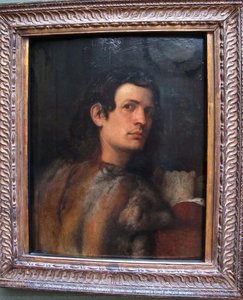


Tempest (detail)_5
·