

Shown: · With its frame:
 Podgląd w skali 1:1
 Wyślij jako kartkę
 Udostępnij
 Szczegóły dzieła
 Przewodnik

 Pobierz obraz
 Podobne obiekty
 RTG
RTG Pokaz slajdów
 Q&A
Q&A Statystyki


zł 1046
Ręcznie malowana reprodukcja olejowa
Ręcznie malowany obraz olejny na płótnie, wykonany na zamówienie przez naszych artystów w wybranym przez Ciebie wymiarze i oprawie. ( Przełącz na wydania drukowane Przejdź do wersji cyfrowej)
Size
·Standardowy format
personalizowane
CM
INCH
Wybierz spośród naszych standardowych rozmiarów, które zachowują oryginalne proporcje dzieła sztuki.
Loading sizes...

szerokość
wysokość
Wpisz wymaganą szerokość i wysokość, aby obraz pasował do Twojej ramy lub ściany. Ponieważ jest to dzieło malowane ręcznie, w przypadku rozmiaru o innych proporcjach artysta może domalować nieco więcej wokół obrazu lub przyciąć jego fragmenty — wybór należy do Ciebie. Przed rozpoczęciem pracy prześlemy Ci cyfrową wizualizację do zatwierdzenia. Obraz widoczny na tej stronie nie przedstawia rzeczywistego efektu — jedynie wizualizacja oddaje realny rezultat.
 Dowiedz się więcej
Finish
·
White zł1

Blurside zł1

Extended zł1

P118B zł10

P118H zł10

P118W zł10

P438Z zł10

P508JH zł12

P508YH zł12

P805H zł10

P805Z zł10

P919BZ zł10

P919G zł10

P919XJ zł10

P959ZH zł10

P968JZ zł12

W106C zł8

W218G zł10

W218JH zł8

W218Y zł10

W307PJ zł10

W316G zł10

W316PJ zł8

W316Y zł10

W398PJ zł8

W4111J zł10

W500HY zł15

W500JH zł15

W692G zł12

W849H zł8

W940BG zł15

W953PJ zł8

H24-GOLD zł30

H24-SILVER zł30

H36-GOLD zł45

H36-SILVER zł45
Shipped in a protective tube, ready for your own framer.
Above 105 cm the frame is shipped as a kit for a professional framer — read the details.
Extras
optionalWhat do the extras include?
Examples of what can be changed: Replace face with customer photo; Add pet (e.g., replace cat with dog); Include hidden message in background; Change background landscape or elements.
After order, TopImpressionists.com team will email client for instructions and provide a mockup preview
After order, TopImpressionists.com team will email client for instructions and provide a mockup preview
Dostawa na całym świecie () w ciągu 3–4 tygodni zamiast standardowych 5 tygodni. (1 Listopad). Bez kompromisów w kwestii jakości.
Lakier ochronny
Etykieta obiektu
Szczegóły grawerowanej brązowej tabliczki
This elegant plaque features the artist's name and the title of the artwork, finely engraved for a timeless presentation.
It is made from bronze with a refined, elegant finish. The text is precisely laser-engraved for a sharp and permanent result. Measuring 9x2 cm, the plaque is compact yet easy to read. It's built to be durable and scratch-resistant, offering a professional, museum-quality look. Mounting is simple thanks to the included adhesive backing.
Szczegóły przezroczystej tabliczki akrylowej
The plaque includes essential engraved details such as the artist's name, the title of the artwork, the date it was created, the type of media used-like oil on canvas or watercolor-a brief description of the piece, and a QR code that links to the complete artwork information.
It is crafted from clear acrylic, offering a sleek, modern appearance. The text is UV-engraved in black to ensure strong visual contrast. With a size of 10x15 cm, it ensures optimal readability. It comes equipped with two metal hooks for secure wall mounting. The plaque is designed to be weather-resistant, making it suitable for various environments, and it includes interactive features that work seamlessly with smartphone scanning.
Szczegóły czarnej tabliczki akrylowej
This elegant plaque includes engraved information such as the artist's name, the title of the artwork, the date it was created, the type of media used (like oil on canvas or watercolor), a short description of the artwork, and a QR code for quick access to more information.
The plaque itself is made from refined black acrylic with a premium finish. The text is laser-engraved in white for high contrast and readability. Its size is 10x15 cm, designed to be easy to read. It comes with two metal hooks for professional mounting. The design is sleek and fits any interior style. It is also weather-resistant and durable, with built-in digital integration for mobile compatibility.
Opcja ze szkłem jest dostępna wyłącznie w rozmiarach poniżej 110 cm
 Opcja ze szkłem jest dostępna wyłącznie w rozmiarach poniżej 110 cm
- Bezpłatna ekspresowa wysyłka na cały świat
- Wysokiej jakości płótno lniane
- Pełne ubezpieczenie przesyłki
- Gwarancja zwrotu należności celnych i podatków importowych
- Gwarancja wiernego odwzorowania kolorów
- 100-dniowa polityka zwrotów (tylko w przypadku wad)
- Gwarancja 100% zwrotu pieniędzy
- Zniżka przy zakupie wielu sztuk


Opis obiektu
Experience the elegance of Rococo art! Giovanni Domenico Tiepolo's 'Minuet,' painted in 1756, captures a lively Venetian ballroom scene with vibrant colors and masterful composition.
Biografia artysty
Discover Giovanni Domenico Tiepolo, Rococo master & son of Giovanni Battista! Explore his Venetian frescoes & mythological paintings showcasing elegance & artistry.
About the painting
A Symphony of Grace: The Rococo Splendor of Tiepolo’s Minuet
In the delicate dance of light and shadow, Giovanni Domenico Tiepolo’s 1756 masterpiece, "Minuet," invites the viewer into a world where the boundaries between the earthly and the divine dissolve. As a quintessential emblem of the Rococo movement, this work captures the very essence of eighteenth-century aristocratic elegance—a period defined by a thirst for frivolity, idealized beauty, and theatrical grandeur. To gaze upon this canvas is to step into the opulent social spheres of the Habsburg court, where every gesture is choreographed with refinement and every hue whispers of luxury. The painting does not merely depict a dance; it orchestrates an immersive experience, pulling the observer into a rhythmic celebration of life itself.
The composition is a masterclass in the Rococo aesthetic, characterized by its rejection of Baroque solemnity in favor of playful asymmetry and a luminous, pastel-driven palette. Tiepolo employs a breathtaking array of delicate creams, blush pinks, and shimmering golds that seem to glow from within, mirroring the sumptuous silks and intricate ornamentation found in the grandest European interiors. Through the expert use of trompe l'oeil techniques, the artist subtly blurs the lines between the painted surface and architectural reality, creating an illusionistic depth that makes the grand classical structures feel as though they are expanding into the viewer's own space. The light does not simply illuminate the figures; it dances across them, lending a palpable sense of atmosphere and movement to the entire scene.
Mythological Echoes and Symbolic Grandeur
Beyond its surface-level charm, "Minuet" is deeply interwoven with the mythological narratives that provided the intellectual backbone of the era. At the heart of this graceful ballet stands a statue of Diana, the goddess of hunting and chastity. This inclusion serves as a profound symbol of virtue and nobility, acting as a silent, watchful guardian over the festivities. The dancers and musicians, arranged in a rhythmic semi-circle, are positioned within an architectural setting reminiscent of ancient Roman temples, a deliberate choice by Tiepolo to ground the ephemeral joy of the dance in the eternal ideals of classical harmony and proportion. This juxtaposition suggests that even the most fleeting moments of human pleasure can be imbued with divine significance.
For the discerning collector or interior designer, "Minuet" offers more than just visual beauty; it provides a profound emotional resonance. The painting captures a sense of exuberant optimism and the effortless poise of a bygone era. Whether placed in a sun-drenched gallery or as a focal point in a sophisticated living space, a high-quality reproduction of this work brings with it an air of historical prestige and timeless sophistication. It is a piece that invites conversation, evoking the spirit of an age where art was a celebration of light, movement, and the enduring pursuit of grace.
Pytania i odpowiedzi
Jaki jest ogólny nastrój dzieła „Minuet” – Giovanni Domenico Tiepolo?
Nastrój dzieła „Minuet” – Giovanni Domenico Tiepolo opisuje się jako Elegant. Klasyfikacja ta może pomóc w dopasowaniu pracy do konkretnego wnętrza.
Na którym etapie kariery Giovanni Domenico Tiepolo znajduje się dzieło „Minuet”, biorąc pod uwagę jego datę powstania?
"Minuet", powstałe w 1756, należy do Mature Period w twórczości Giovanni Domenico Tiepolo.
Kto jest autorem i jaki styl reprezentuje "Minuet"?
"Minuet" powstało autorstwa Giovanni Domenico Tiepolo w stylu Rococo Style. Artysta oraz nurt definiują tradycję tego dzieła.
Quick facts and art quiz
About Giovanni Domenico Tiepolo
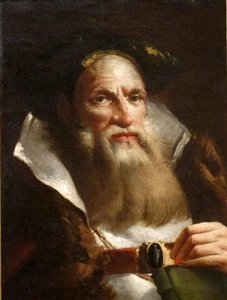
Giovanni Domenico Tiepolo
2007 - 1770, Włochy
Biografia artysty
Giovanni Domenico Tiepolo: Mistrz Fresków Rokokowych
Giovanni Domenico Tiepolo (30 sierpnia 1727 – 3 marca 1804) był wybitnym włoskim malarzem i grafikiem pochodzącym z Republiki Wenecji. Uznaje się go za jedną z czołowych postaci stylu rokoko, który przejął i rozwinął, czerpiąc z niezwykłego dziedzictwa swojego sławnego ojca, Giovanniego Battisty Tiepolo. Jego wieloletnia kariera pozostawiła po sobie bogaty dorobek artystyczny, charakteryzujący się żywą kolorystyką, dynamiczną kompozycją oraz pełnymi elegancji przedstawieniami scen mitologicznych, portretów i pejzaży.
Wczesne lata i kształcenie
Urodzony w rodzinie artystycznej, Giovanni Domenico od najmłodszych lat był głęboko związany ze światem sztuki. Jego głównym mentorem był ojciec, Giovanni Battista Tiepolo – celebryta malarstwa, znany z monumentalnych fresków zdobiących pałace i kościoły w całej Europie. Pod czujnym okiem ojca, Giovanni Domenico przechodził rygorystyczne szkolenie, zgłębiając techniki i stylistyczne niuanse, które w przyszłości ukształtowały jego własny język artystyczny. Korzystał również z inspiracji płynących od innych znamienitych twórców epoki, takich jak Sebastiano Ricci czy Federico Bencovich, co pozwoliło mu jeszcze bardziej poszerzyć swoje horyzonty. Jako młody człowiek często asystował ojcu przy wielkoskalowych projektach, zdobywając bezcenne doświadczenie praktyczne w trudnej sztuce malowania fresków.
Kariera artystyczna i styl
Twórczość Giovanniego Domenico rozkwitała przez całe XVIII stulecie. Zdołał on ugruntować swoją pozycję jako utalentowany artysta, zdolny zarówno do tworzenia dzieł samodzielnych, jak i wnoszenia istotnego wkładu w projekty wspólne. Choć początkowo ściśle współpracował z ojcem, z czasem wypracował własny, unikalny styl, zachowując jednak elementy estetyki rokoko, która dominowała wówczas w sztuce weneckiej. Jego bogaty warsztat obejmował freski, malarstwo sztalugowe na płótnie oraz precyzyjne techniki graficzne.
- Freski: Tiepolo zyskał szczególną sławę dzięki swoim freskom, którymi ozdobił liczne miejsca w całej Italii, tworząc tam niezwykle złożone i bogate sceny. Do najważniejszych przykładów należą dekoracje w Ca' Dolfin przy Grand Canal w Wenecji oraz sufit w kościele Gesuati (Santa Maria del Rosario), również w Wenecji.
- Malarstwo: Poza freskami, stworzył znaczną liczbę obrazów na płótnie, często podejmując tematy mitologiczne lub portretowe. Przykładami mogą być dzieła takie jak „Perseusz i Andromeda” (zobacz tutaj), „Porwanie Europy” (zobacz tutaj) oraz „Myśliwy z jeleniem” (zobacz tutaj).
- Akwaforty: Tiepolo wykazał się również niezwykłym kunsztem w grafice warsztatowej, tworząc szczegółowe i ekspresyjne odbitki, takie jak „Święci Augustyn, Ludwik Francuski, Jan Ewangelista i Magnus” (zobacz tutaj).
Wpływy i ewolucja twórcza
Rozwój artystyczny Giovanniego Domenico był głęboko zakorzeniony w dziedzictwie jego ojca. Od starszego Tiepolo przejął mistrzostwo w operowaniu kolorem, kompozycją oraz umiejętność prowadzenia narracji wizualnej. Niemniej jednak, styl Giovanniego ewoluował w stronę większego nacisku na sceny rodzajowe i przedstawienia codziennego życia, co odróżniało go od bardziej monumentalnych i klasycznie inspirowanych dzieł ojca. Artysta wykazywał również fascynację teatralnością i ruchem, co jest wyraźnie widoczne w obrazach takich jak „Pulcinella” (zobacz tutaj) czy „Apoteoza Herkulesa” (zobacz tutaj).
Znaczenie historyczne
Giovanni Domenico Tiepolo odegrał kluczową rolę w kontynuacji i ewolucji weneckiego rokoka. Choć za życia często pozostawał w cieniu sławy swojego ojca, dziś jest uznawany za wybitnego artystę o własnej, niepowtarzalnej wartości. Jego freski i malarstwo stanowią bezcenne źródło wiedzy o gustach artystycznych i wartościach kulturowych XVIII-wiecznej Wenecji oraz Włoch. Umiejętność łączenia tematów klasycznych ze współczesną mu wrażliwością ugruntowała jego miejsce w nurcie rokoka, pozostawiając po sobie dziedzictwo pełne witalności, które nieustannie zachwyca odbiorców do dziś.
Quick facts about Giovanni Domenico Tiepolo
- Artistic Movement Or Style: Rococo
- Artists Who Influenced This Artist: ['Giovanni Battista Tiepolo']
- Date Of Birth: August 30, 1727
- Full Name: Giovanni Domenico Tiepolo
- Nationality: Italian
- Notable Artworks:
- Perseus and Andromeda
- The Rape of Europa
- Hunter with Deer
- Place Of Birth: Venice, Italy
Odkryj dzieła sztuki uporządkowane według tematów, stylów i cech charakterystycznych.


Giovanni Domenico Tiepolo
Minuet
() ·
With its frame: · Hand-painted in oil on linen
Total