

 Podgląd w skali 1:1
 Wyślij jako kartkę
 Udostępnij
 Szczegóły dzieła
 Przewodnik

 Pobierz obraz
 Podobne obiekty
 RTG
RTG Pokaz slajdów
 Pytania i odpowiedzi
 Statystyki
A messa prima


A moonlit night of mystery unfolds in Giovanni Segantini's post-impressionist masterpiece A messa prima where a woman watches a figure depart, inviting you to explore this ethereal moment through a fine oil reproduction.
 Rozwiń treść
Giovanni Segantini (1858-1899): Włoski malarz słynący z sugestywnych krajobrazów alpejskich w stylu symbolistycznym i dywizjonizmie, oddający piękno i duchowość gór. Jego obrazy, pełne światła i emocji, są ikoniczne dla sztuki epoki.
Giclée / Wydruk artystyczny
Wydruki giclée lub płótna o jakości muzealnej, szybka realizacja i szeroki wybór opcji wykończenia. ( Zamów ręcznie malowaną reprodukcję Przejdź do wersji cyfrowej)




P118B zł10

P118H zł10

P118W zł10

P438Z zł10

P508JH zł12

P508YH zł12

P805H zł10

P805Z zł10

P919BZ zł10

P919G zł10

P919XJ zł10

P959ZH zł10

P968JZ zł12

W106C zł8

W218G zł10

W218JH zł8

W218Y zł10

W307PJ zł10

W316G zł10

W316PJ zł8

W316Y zł10

W398PJ zł8

W4111J zł10

W500HY zł15

W500JH zł15

W692G zł12

W849H zł8

W940BG zł15

W953PJ zł8




Standardowy format
personalizowane
CM
INCH
Wybierz spośród naszych standardowych rozmiarów, które zachowują oryginalne proporcje dzieła sztuki.
Loading sizes...

szerokość
wysokość
Wpisz wymaganą szerokość i wysokość, aby dopasować grafikę do ramy lub ściany. Wydruk można jedynie przyciąć, nigdy nie powiększając go poza oryginalny obraz, dlatego format o innych proporcjach spowoduje utratę części kompozycji. Przed rozpoczęciem druku prześlemy Ci cyfrowy podgląd do zatwierdzenia. Obraz wyświetlany na tej stronie nie pokazuje rzeczywistego przycięcia — jedynie podgląd oddaje ten efekt.
Dostawa na cały świat () w ciągu 2 tygodni zamiast standardowych 4/5 tygodni. (7 Listopad)

Bezpłatna ekspresowa wysyłka na cały świat

Wysokiej jakości płótno lniane

Pełne ubezpieczenie przesyłki

Gwarancja zwrotu należności celnych i podatków importowych

Gwarancja wiernego odwzorowania kolorów

100-dniowa polityka zwrotów (tylko w przypadku wad)

Gwarancja 100% zwrotu pieniędzy

Zniżka przy zakupie wielu sztuk
 Opcja ze szkłem jest dostępna wyłącznie w rozmiarach poniżej 110 cm

A messa prima
Giclée / Wydruk artystyczny
Wymiary reprodukcji
-


Cena całkowita
zł 274
A Nocturnal Encounter in Light and Shadow
In the quiet, silvered depths of Giovanni Segantini’s 1885 masterpiece, A messa prima, we are invited into a world where the boundaries between reality and dream begin to dissolve. This post-impressionist gem captures a profound moment of human connection—or perhaps, more poignantly, a moment of departure. At the heart of the composition stands a woman perched upon a staircase, her silhouette marked by an elegant ponytail, gazing downward with an expression that oscillates between longing and resignation. Below her, a figure retreats into the shadows, walking away into the mysteries of the night. The scene is not merely a depiction of a physical space, but an emotional landscape where every brushstroke serves to heighten the sense of intrigue and quiet melancholy that defines this nocturnal encounter.
The atmosphere of the painting is thick with the ethereal glow of a moonlit sky, a technique that Segantini employs to envelop the viewer in a soft, luminous haze. Through his masterful use of light, the artist transforms a simple architectural setting into a stage for symbolic storytelling. The moonlight does more than illuminate the figures; it acts as a celestial witness to the fleeting nature of human presence. As the light touches the edges of the stairs and the distant, shadowy figures in the background, it creates a sense of depth that pulls the observer deeper into the painting’s mystery. This interplay of light and dark—the chiaroscuro of the post-impressionist era—imbues the work with a spiritual weight, suggesting that even in the darkness, there is a profound beauty to be found in the transient moments of our lives.
The Mastery of Post-Impressionist Technique
Segantini’s approach to A messa prima showcases his unique ability to blend the structural precision of his training with the emotive, atmospheric qualities of Symbolism. The technique used here allows for a dreamy, almost otherworldly quality that is characteristic of his most celebrated works. Rather than focusing on harsh outlines, Segantini utilizes subtle transitions of tone to suggest movement and emotion. This soft-focus effect creates a sense of nostalgia, as if we are viewing a memory rather than a live event. For the discerning collector or interior designer, this painting offers a sophisticated textural depth that can anchor a room, providing a focal point that rewards prolonged contemplation.
Beyond its visual allure, the painting serves as a poignant reflection on the passage of time and the fragility of human bonds. The composition is meticulously balanced to guide the eye from the central woman, down the descending steps, and toward the receding figures in the distance, mirroring the very movement of life itself—a constant progression away from what was once close. To possess a high-quality reproduction of this work is to bring a piece of art history into one's personal sanctuary; it is an invitation to reflect on the beauty of the ephemeral and the enduring power of the human spirit. Whether placed in a contemporary gallery setting or a classic study, A messa prima remains a timeless testament to the evocative power of Segantini’s vision.
Pytania i odpowiedzi
Czy kolory w „A messa prima” – Giovanni Segantini są nasycone czy stonowane?
Dzieło „A messa prima” – Giovanni Segantini charakteryzuje się Subtle Color nasyceniem kolorów.
Jaki jest format dzieła "A messa prima"?
Dzieło „A messa prima” – Giovanni Segantini ma format Panoramic. Format ten określa proporcje kompozycji.
Co łączy "A messa prima" z resztą twórczości Giovanni Segantini?
"A messa prima" dzieli z innymi dziełami Giovanni Segantini styl właściwy dla Post-Impressionism oraz powracające motywy: post-impressionism and symbolism, human connection themes, fleeting nature of time, early career development.


Biografia artysty
Giovanni Segantini: A Master of Alpine Light and Symbolism
Giovanni Segantini, a name synonymous with the majestic beauty of the Italian Alps, was more than just a painter; he was a poet of light and shadow, a translator of nature’s profound spirit. His life, marked by early hardship and ultimately culminating in artistic triumph, is a testament to the power of perseverance and the enduring allure of the mountains. Born in Arco, nestled within the dramatic landscape of Trentino in 1858, Segantini's journey was one shaped by poverty, loss, and an unwavering dedication to capturing the essence of his beloved Alps.Early Years: Struggle and a Spark of Artistic Promise
Segantini’s childhood was far from idyllic. His father, a traveling tradesman, moved frequently, leaving his mother to raise him alone amidst financial instability. This itinerant existence instilled in young Giovanni a sense of displacement and resilience. Following his mother's untimely death, he found himself adrift, eventually ending up in a Milanese reformatory. It was within these austere walls that a chaplain recognized the nascent artistic talent simmering beneath the surface – a gift that would ultimately shape his destiny. Recognizing this potential, the chaplain secured Segantini’s release and encouraged him to pursue drawing, laying the foundation for his future career. Initially working as a photographer's assistant, honing his observational skills and understanding of light, he soon felt compelled to dedicate himself fully to painting, embarking on a path fueled by both passion and determination.The Brera Academy and Influences: Bridging Realism and Symbolism
Segantini’s formal artistic training began at the prestigious Brera Academy in Milan, where he encountered figures who would profoundly influence his style. He studied under Vittorio Grubicy de Dragon, a critic and dealer known for his appreciation of Divisionist techniques – a method emphasizing the use of small, distinct brushstrokes to create an optical mixture of colors. Simultaneously, he was deeply moved by the works of Anton Mauve and Jean-François Millet, artists who championed realism and depicted scenes from rural life with remarkable sensitivity. These influences combined to shape Segantini’s approach: he sought to capture not just the outward appearance of his subjects but also their emotional essence, imbuing his landscapes with a profound sense of atmosphere and feeling.Divisionism and the Language of Light
Segantini's artistic signature lies in his masterful application of Divisionist techniques. Rather than blending colors directly on the canvas, he meticulously applied tiny dots or strokes of pure color side by side, allowing the viewer’s eye to optically mix them together. This created a vibrant, luminous effect, particularly evident in his depictions of sunlight filtering through the alpine foliage and reflecting off snow-capped peaks. He wasn't simply painting what he saw; he was translating the *experience* of seeing – the shimmering light, the subtle shifts in color, the feeling of being immersed within the grandeur of nature. This technique allowed him to capture the ephemeral qualities of light with astonishing precision.The Engadin and a New Artistic Home
In 1886, Segantini embarked on a transformative journey to the Engadin valley in Switzerland – a region that would become his lifelong artistic sanctuary. The dramatic landscapes of the Engadine, with its towering mountains, crystal-clear lakes, and expansive meadows, captivated him completely. He settled in Maloja, establishing a studio and immersing himself in the rhythms of mountain life. It was here that he truly blossomed as an artist, developing his unique style and exploring themes deeply rooted in nature’s spirituality. The Schafberg, a formidable peak overlooking Pontresina, became a recurring motif in his work, symbolizing not only the physical majesty of the Alps but also their spiritual significance.Key Works and Enduring Themes
Segantini's oeuvre is rich with iconic paintings that continue to resonate with viewers today. *The Chancel of Sant’Antonio*, a vibrant depiction of a Milanese church, showcased his early talent and established him as a rising star. However, it was his alpine landscapes – works like *Life (La Vita)*, *Donna alla fonte* (a poignant scene of a woman by a mountain spring), and *Capriolo morto* (a haunting portrayal of a dead roe deer) – that cemented his reputation as a master of the genre. These paintings are not merely representations of scenery; they are imbued with symbolic meaning, exploring themes of mortality, spirituality, and the interconnectedness of humanity and nature. His later works, particularly those created in Switzerland, reveal an increasingly introspective and philosophical approach to art.Legacy: A Lasting Impression on Alpine Art
Giovanni Segantini’s legacy extends far beyond his individual paintings. He was a pivotal figure in the development of Italian landscape painting at the end of the 19th century, bridging the gap between realism and Symbolism. His innovative use of color and light, combined with his profound understanding of nature's spirit, continues to inspire artists today. Segantini’s work serves as a powerful reminder of the beauty and majesty of the Alps, and of the enduring human capacity for wonder and artistic expression. He died tragically in 1899 while working on his final masterpiece, *Nature*, solidifying his place as one of Italy's most beloved and influential artists.
Giovanni Segantini
1858 - 1899 , Austria
Krótka nota
- Artistic Movement Or Style: Symbolizm, Dywizjonizm
- Artists Or Movements Influenced By This Artist: ['Scapigliatura']
- Artists Who Influenced This Artist:
- Anton Mauve
- Jean-François Millet
- Date Of Birth: 15 stycznia 1858
- Date Of Death: 28 września 1899
- Full Name: Giovanni Battista Emanuele Maria Segantini
- Nationality: Włoski
- Notable Artworks:
- Chrzcielnica Sant'Antonio
- Lavandaia
- Życie (La Vita)
- Kobieta przy studnie
- Dziewczyna szyjąca skarpę
- Zabójstwo rozgównych
- Jeleń martwy
- Miłość przy źródle
- Place Of Birth: Arco, Austria-Węgry
Powiązane artykuły
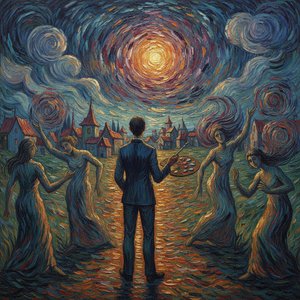
Beyond the Light: Capturing Emotion Through the Expressive Soul of Post-Impressionism
Explore the profound emotional depth of Post-Impressionism. Discover how masters like Van Gogh and Cézanne moved beyond light to capture raw feeling through color and texture. A journey into art history for the true connoisseur.
Odkryj dzieła sztuki uporządkowane według tematów, stylów i cech charakterystycznych.

