

 Podgląd w skali 1:1
 Wyślij jako kartkę
 Udostępnij
 Szczegóły dzieła
 Przewodnik

 Pobierz obraz
 Podobne obiekty
 RTG
RTG Pokaz slajdów
 Pytania i odpowiedzi
 Statystyki
Donna che si lava

- 115.0 x 63.0 cm


A vibrant 1954 portrait by Giuseppe Ajmone captures a woman in a colorful bathroom setting with expressive pink and yellow tones, offering a unique opportunity to bring this mid-century Italian masterpiece into your home.
 Rozwiń treść
Odkryj poruszające obrazy Giuseppe Ajmone: pejzaże i półabstrakcyjne postacie inspirowane twórczością Bonnarda i Picassa. Poznaj jego włoskie dziedzictwo w TopImpressionists.
Dzieło sztuki prezentowane na tej stronie podlega ochronie prawem autorskim, co oznacza, że nie mamy prawa do tworzenia ani sprzedaży jego identycznej reprodukcji. Ochrona ta jest egzekwowana na mocy umów międzynarodowych, takich jak Konwencja berneńska oraz przez przepisy prawa krajowego, w tym te określone w Prawo autorskie USA – Tytuł 17.
Metoda ta jest w pełni zgodna z przepisami prawa autorskiego, ponieważ nie polega na kopiowaniu ani powielaniu chronionego dzieła. Stanowi ona kreatywną reinterpretację – nowy obraz, który czerpie inspirację z oryginału, ale nie jest z nim tożsamy.
Giclée / Wydruk artystyczny
Wydruki giclée lub płótna o jakości muzealnej, szybka realizacja i szeroki wybór opcji wykończenia. ( Zamów ręcznie malowaną reprodukcję Przejdź do wersji cyfrowej)




P118B zł10

P118H zł10

P118W zł10

P438Z zł10

P508JH zł12

P508YH zł12

P805H zł10

P805Z zł10

P919BZ zł10

P919G zł10

P919XJ zł10

P959ZH zł10

P968JZ zł12

W106C zł8

W218G zł10

W218JH zł8

W218Y zł10

W307PJ zł10

W316G zł10

W316PJ zł8

W316Y zł10

W398PJ zł8

W4111J zł10

W500HY zł15

W500JH zł15

W692G zł12

W849H zł8

W940BG zł15

W953PJ zł8




Standardowy format
personalizowane
CM
INCH
Wybierz spośród naszych standardowych rozmiarów, które zachowują oryginalne proporcje dzieła sztuki.
Loading sizes...

szerokość
wysokość
Wpisz wymaganą szerokość i wysokość, aby dopasować grafikę do ramy lub ściany. Wydruk można jedynie przyciąć, nigdy nie powiększając go poza oryginalny obraz, dlatego format o innych proporcjach spowoduje utratę części kompozycji. Przed rozpoczęciem druku prześlemy Ci cyfrowy podgląd do zatwierdzenia. Obraz wyświetlany na tej stronie nie pokazuje rzeczywistego przycięcia — jedynie podgląd oddaje ten efekt.
Dostawa na cały świat () w ciągu 2 tygodni zamiast standardowych 4/5 tygodni. (6 Listopad)

Bezpłatna ekspresowa wysyłka na cały świat

Wysokiej jakości płótno lniane

Pełne ubezpieczenie przesyłki

Gwarancja zwrotu należności celnych i podatków importowych

Gwarancja wiernego odwzorowania kolorów

100-dniowa polityka zwrotów (tylko w przypadku wad)

Gwarancja 100% zwrotu pieniędzy

Zniżka przy zakupie wielu sztuk
 Opcja ze szkłem jest dostępna wyłącznie w rozmiarach poniżej 110 cm

Donna che si lava
Giclée / Wydruk artystyczny
Wymiary reprodukcji
-


Cena całkowita
zł 274
An Intimate Encounter with Light and Form
In the quiet, private moments of domestic life, there exists a profound beauty that often escapes the hurried gaze of the world. Giuseppe Ajmone, a master of capturing these ephemeral instances, invites us into such a moment with his 1954 masterpiece, Donna che si lava (Woman Washing). The painting presents us with a figure seen from behind, her back turned to the viewer as she engages in a ritual of cleansing. This perspective creates an immediate sense of voyeuristic intimacy, yet it remains deeply respectful, drawing the observer into a private sanctuary rather than intruding upon it. The composition is a delicate dance of light and shadow, where the warmth of pinks and yellows breathes life into the skin, transforming a mundane bathroom setting into a stage of vibrant, chromatic expression.
The technique employed by Ajmone reflects his deep connection to the post-war Italian tradition, blending elements of semi-abstraction with a palpable sense of reality. Influenced by the luminous palettes of Pierre Bonnard and the structural boldness of Picasso, Ajmone utilizes color not merely as a descriptive tool but as an emotional language. The way the light dances across the woman's form suggests a fluid, almost rhythmic movement, where the boundaries between the subject and her environment begin to soften. Scattered throughout the scene, objects such as a delicate cup, a bottle, and various bowls are rendered with a painterly touch that emphasizes texture and light over rigid detail, contributing to a dynamic composition that feels both grounded and dreamlike.
A Legacy of Italian Modernism
To understand the depth of Donna che lava, one must look toward the rich historical tapestry of Ajmone’s career. Emerging from the prestigious Brera Academy under the tutelage of masters like Achille Funi and Carlo Carrà, Ajmone was a central figure in the mid-century Italian art scene. His participation in landmark exhibitions, such as the Manifesto del Realismo and the prestigious Venice Biennale, places this work within a period of intense artistic exploration following World War II. This era was defined by a search for a new visual language—one that could reconcile the weight of tradition with the burgeoning freedom of modern abstraction. In this painting, we see that reconciliation perfectly realized; it is a work that honors the human figure while embracing the expressive potential of color and light.
For the discerning collector or interior designer, this piece offers more than just visual appeal; it provides an emotional anchor for a sophisticated space. The warmth of the palette makes it an ideal centerpiece for rooms designed to evoke tranquility and refinement. Whether placed in a sun-drenched morning room or a moody, contemporary study, the painting’s ability to command attention through subtle nuance ensures it remains a conversation piece for years to come. Owning a reproduction of such a significant work allows one to bring a fragment of Italian modernism into the home, fostering an environment of cultured contemplation and timeless elegance.
Pytania i odpowiedzi
Jaka jest technika i wymiary oryginału „Donna che si lava” – Giuseppe Ajmone?
"Donna che si lava" powstało przy użyciu Oil On Canvas i w swojej oryginalnej formie ma wymiary 115 x 63 cm.
Ile lat miał Giuseppe Ajmone, gdy powstało dzieło „Donna che si lava”?
Giuseppe Ajmone stworzył/a "Donna che si lava" w wieku 31 lat. Artysta urodził/a się w 1923, a datowanie dzieła to 1954.
Z jakich materiałów wykonano "Donna che si lava" i w jakim stylu?
W "Donna che si lava" technika Oil On Canvas łączy się z nurtem Contemporary Realism.
Podobne dzieła


Biografia artysty
wczesne lata i edukacja
giuseppe ajmone, znamienity włoski malarz, przyszedł na świat w 1923 roku w carpignano sesia we Włoszech. W 1941 roku przeniósł się do Mediolanu, aby kształcić swój talent w murach akademiii brera, gdzie pod czujnym okiem mistrzów, takich jak achille funi oraz carlo carrà, zgłębiał tajniki sztuki.kariera artystyczna
droga twórcza ajmone była naznaczona udziałem w niezwykle istotnych wydarzeniach artystycznych, w tym w wystawie manifesto del realismo (znanej również jako oltre guernica) w 1946 roku. Jego talent został doceniony już na początku drogi, kiedy to otrzymał nagrodę podczas pierwszej krajowej wystawy malarstwa w bellagio. W 1950 roku miał zaszczyt uczestniczyć w 25. międzynarodowej wystawie podczas biennale w Wenecji, a rok później uhonorowano go prestiżową nagrodą premio senatore borletti, przyznawaną młodym włoskim malarzom.międzynarodowe wystawy i współpraca
dzieła ajmone zyskały uznanie na całym świecie, prezentowane w najważniejszych ośrodkach sztuki, takich jak:- biennale di san paolo del brasile (1951 i 1959)
- biennale internationale di tokyo (1959)
- pittsburgh international museum of art (1955 i 1958)
- wystawy w kopenhadze, dortmundzie, norymberdze oraz buenos aires
wybitne dzieła i styl
malarstwo ajmone często przenosiło widza w świat pejzaży i półabstrakcyjnych postaci. Jego unikalny język wizualny czerpał inspirację z dokonań wielkich mistrzów, takich jak bonnard, picasso, braque oraz nicolas de staël. Mimo tych wpływów, twórczość ajmone zachwyca przede wszystkim własną, niepowtarzalną aurą, charakteryzującą się subtelnością, melancholią i głęboką intymnością przekazu.późniejsze lata i dziedzictwo
w 1982 roku ajmone osiadł w romagnano sesia (novara), gdzie pozostał aż do śmierci w 2005 roku. Jego artystyczne dziedzictwo jest wciąż żywe, celebrowane podczas licznych wystaw oraz dzięki staraniom o zachowanie jego dorobku dla przyszłych pokoleń. podziwiaj dzieła giuseppe ajmone w TopImpressionists: dowiedz się więcej o giuseppe ajmone na wikipedia: giuseppe ajmone - wikipedia
Giuseppe Ajmone
1923 - 2005 , Włochy
Powiązane artykuły

Angelo Chiacchio: A Mid-Century American Illustration Master & the Rise of Commercial Art
Explore the captivating world of Angelo Chiacchio, a master of mid-century American illustration. Discover his evolution, signature style, and lasting impact on commercial art & design. Learn about his legacy at the Museum of American Illustration.
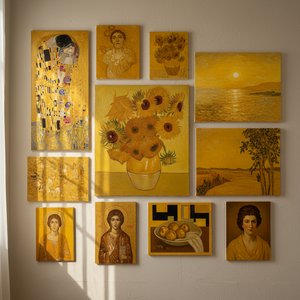
Top 10 Sławnych Obrazów w Odcieniach Ochry Żółtej – Sztuka i Dekoracja Domu
Odkryj 10 najsłynniejszych obrazów w odcieniach ochry żółtej! Van Gogh, Monet i inni mistrzowie. Poznaj historię sztuki, inspiracje kolorystyczne i techniki malarskie. Reprodukcje najwyższej jakości na TopImpressionists.com – udekoruj swój dom arcydziełami!
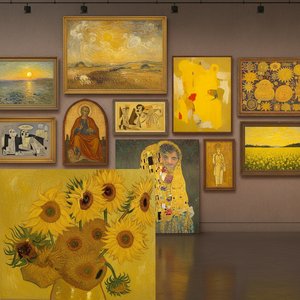
Top 10 Arcydzieł w Odcieniach Chromowej Żółci – Inspiracje do Wnętrz od TopImpressionists
Odkryj 10 arcydzieł sztuki, w których króluje chromowa żółć! Van Gogh, Monet, Renoir i inni mistrzowie. Inspiracje wnętrzarskie i reprodukcje obrazów najwyższej jakości na TopImpressionists.com. Eksploruj pełną kolekcję online!

The Golden Hue: Exploring Symbolism & Emotion in Yellow Art
Explore the rich symbolism & emotional power of yellow in art history! From Van Gogh to Kandinsky, discover how artists used this vibrant hue. Expert analysis & high-quality reproductions at TopImpressionists.

Top 10 Sławnych Obrazów w Odcieniach Delikatnego Różu – Sztuka i Dekoracja Domu
Odkryj 10 najsłynniejszych obrazów w odcieniach delikatnego różu! Poznaj historie Monet, Degasa i innych mistrzów impresjonizmu. Inspiracje do dekoracji wnętrz i reprodukcje najwyższej jakości na TopImpressionists.com – sztuka dla Twojego domu.