

 Podgląd w skali 1:1
 Wyślij jako kartkę
 Udostępnij
 Szczegóły dzieła
 Przewodnik

 Pobierz obraz
 Podobne obiekty
 RTG
RTG Pokaz slajdów
 Pytania i odpowiedzi
 Statystyki
Skiffs on the Yerres

- 116.0 x 88.0 cm


Discover 'Skiffs on the Yerres' by Gustave Caillebotte – a serene Impressionist painting capturing Parisian river life. Explore its loose brushstrokes & atmospheric beauty.
 Rozwiń treść
Gustave Caillebotte (1848-1894): Francuski malarz, mistrz realistycznego i impresjonistycznego oddawania życia paryskiej ulicy. Znany z obrazu 'Paris Street; Rainy Day'.
Giclée / Wydruk artystyczny
Wydruki giclée lub płótna o jakości muzealnej, szybka realizacja i szeroki wybór opcji wykończenia. ( Zamów ręcznie malowaną reprodukcję Przejdź do wersji cyfrowej)




P118B zł10

P118H zł10

P118W zł10

P438Z zł10

P508JH zł12

P508YH zł12

P805H zł10

P805Z zł10

P919BZ zł10

P919G zł10

P919XJ zł10

P959ZH zł10

P968JZ zł12

W106C zł8

W218G zł10

W218JH zł8

W218Y zł10

W307PJ zł10

W316G zł10

W316PJ zł8

W316Y zł10

W398PJ zł8

W4111J zł10

W500HY zł15

W500JH zł15

W692G zł12

W849H zł8

W940BG zł15

W953PJ zł8




Standardowy format
personalizowane
CM
INCH
Wybierz spośród naszych standardowych rozmiarów, które zachowują oryginalne proporcje dzieła sztuki.
Loading sizes...

szerokość
wysokość
Wpisz wymaganą szerokość i wysokość, aby dopasować grafikę do ramy lub ściany. Wydruk można jedynie przyciąć, nigdy nie powiększając go poza oryginalny obraz, dlatego format o innych proporcjach spowoduje utratę części kompozycji. Przed rozpoczęciem druku prześlemy Ci cyfrowy podgląd do zatwierdzenia. Obraz wyświetlany na tej stronie nie pokazuje rzeczywistego przycięcia — jedynie podgląd oddaje ten efekt.
Dostawa na cały świat () w ciągu 2 tygodni zamiast standardowych 4/5 tygodni. (3 Listopad)

Bezpłatna ekspresowa wysyłka na cały świat

Wysokiej jakości płótno lniane

Pełne ubezpieczenie przesyłki

Gwarancja zwrotu należności celnych i podatków importowych

Gwarancja wiernego odwzorowania kolorów

100-dniowa polityka zwrotów (tylko w przypadku wad)

Gwarancja 100% zwrotu pieniędzy

Zniżka przy zakupie wielu sztuk
 Opcja ze szkłem jest dostępna wyłącznie w rozmiarach poniżej 110 cm

Skiffs on the Yerres
Giclée / Wydruk artystyczny
Wymiary reprodukcji
-


Cena całkowita
zł 274
A Moment Suspended on the Yerres River
To gaze upon Skiffs on the Yerres is to be gently ushered into a pocket of profound tranquility, a vision steeped in the luminous atmosphere of late nineteenth-century Parisian leisure. This painting does not merely depict a river scene; it captures the very breath of a slow afternoon. The composition draws the eye immediately to the small wooden skiff, where two figures paddle downstream, their activity imbued with a quiet rhythm that seems almost audible across the canvas. It is an immersion into nature’s embrace, rendered with an immediacy that belies its age.
The Impressionist Gaze: Light and Brushwork
Gustave Caillebotte masterfully employs the techniques of Impressionism to elevate a simple outing into an art experience. Observe how the light—soft, diffused, and hazy—seems to emanate from within the scene itself. The artist utilizes visible, broken brushstrokes, allowing the viewer’s eye to complete the picture, much as one completes a perfect memory. These strokes build up color in patches of greens and browns, giving the water and foliage a palpable texture. While the overall impression is one of fluidity, note the underlying structure: the strong horizontal lines echoing the river's steady flow provide a grounding counterpoint to the organic, rounded shapes of the boat and the surrounding reeds. This technical brilliance transforms mere paint into an atmospheric event.
Echoes of Modern Parisian Life
Painted in 1877, this work situates itself at a fascinating crossroads in art history. Caillebotte, deeply influenced by the burgeoning modernity of Paris and his own early fascination with photography, captured life not as it was formally posed, but as it was experienced—fleeting, unscripted, and beautifully ephemeral. The subject matter speaks to a growing appreciation for the pleasures of the bourgeoisie engaging with the natural world outside the rigid confines of the city center. It is a testament to leisure, suggesting a time when the rhythm of life could slow down enough to simply drift downstream.
Symbolism of Passage and Serenity
Beyond its technical merits, Skiffs on the Yerres resonates with deep symbolic weight. The river itself has always been an ancient metaphor for the passage of time—a constant, unstoppable flow against which human moments are measured. The skiff represents a journey, perhaps one of introspection or escape. For the contemporary collector or designer, this piece offers more than mere decoration; it offers an emotional anchor. It whispers promises of peace, suggesting that true connection—whether with nature or with another person—is found in these quiet, unhurried moments.
Bringing the Riverside Calm Home
Reproducing the depth and luminosity of this original oil on canvas allows one to bring a piece of this pastoral serenity into any interior space. The palette, dominated by earthy greens and muted browns, integrates seamlessly into sophisticated decor schemes, while the visible texture of the brushwork adds an undeniable layer of artisanal richness. Owning a reproduction of Skiffs on the Yerres is to curate not just art, but a feeling—the profound, restorative calm found at the edge of a slow-moving river.
Pytania i odpowiedzi
Czy istnieje karta informacyjna o „Skiffs on the Yerres” – Gustaw Caillebotte przeznaczona dla studentów?
Dla dzieła „Skiffs on the Yerres” – Gustaw Caillebotte dostępna jest strona Karta informacyjna dla uczniów: nadająca się do druku karta informacyjna o utworze, przygotowana z myślą o uczniach i wykorzystaniu w klasie.
Gdzie najlepiej powiesić reprodukcję „Skiffs on the Yerres” – Gustaw Caillebotte?
Dzięki formatowi Landscape, reprodukcja dzieła „Skiffs on the Yerres” idealnie sprawdzi się w Lounge.
W którym roku powstało „Skiffs on the Yerres” – Gustaw Caillebotte?
"Skiffs on the Yerres" powstało w 1877 roku. Data ta pozwala umiejscowić dzieło w kontekście twórczości Gustaw Caillebotte oraz epoki, w której powstało.
Podobne dzieła


Biografia artysty
A Parisian of the New Age: The Life and Art of Gustave Caillebotte
Gustave Caillebotte, born into a prosperous Parisian family in 1848, was an artist uniquely positioned to capture the dramatic transformations reshaping his city. His father, Martial Caillebotte, inherited a successful textile business and served as a judge, providing Gustave with both financial security and a vantage point from which to observe the burgeoning modern world. While initially pursuing legal studies – earning degrees in law in 1868 and 1870 – Caillebotte’s true calling lay within the realm of art. He began serious training under Léon Bonnat, immersing himself in painting while simultaneously developing a keen interest in photography, an emerging medium that would profoundly influence his artistic vision. This early exposure to photographic principles—its framing, perspective, and capturing of fleeting moments—would become hallmarks of his distinctive style. Caillebotte wasn’t merely documenting change; he was actively engaging with the aesthetic possibilities it presented.Realism Infused with Impressionist Light
Caillebotte's artistic path diverged from strict academic tradition, yet he never fully embraced the purely optical explorations of many of his Impressionist contemporaries. He found kinship with artists like Edgar Degas and Giuseppe de Nittis, sharing a fascination with modern life but approaching it through a lens of meticulous realism. His early masterpiece, Les Raboteurs de Parquet (The Floor Scrapers), exhibited at the 1875 Salon, immediately established his reputation as a bold and unconventional painter. The work depicts three laborers painstakingly scraping a wooden floor, rendered with an unflinching honesty that shocked some viewers while captivating others. It wasn’t simply the subject matter—the working class rarely graced the canvases of high art—but also the composition: cropped, almost jarringly direct, and devoid of sentimental idealization. This commitment to portraying contemporary life without embellishment continued in works like View of Rooftops (Snow), where he masterfully captured the industrial landscape of a rapidly changing Paris. The influence of photography is particularly evident in his use of sharp lines, precise detail, and carefully constructed viewpoints—elements that anticipate the developments of early modernism. However, Caillebotte wasn’t immune to the allure of Impressionism; his palette gradually lightened, and he began experimenting with broken brushstrokes and atmospheric effects, particularly noticeable in his evocative depictions of Parisian rooftops bathed in snow – a testament to his ability to synthesize realism and fleeting light.A Patron and a Pioneer: Navigating the Art World
Beyond his own artistic endeavors, Caillebotte played a crucial role in supporting the Impressionist movement. His financial independence, stemming from his family’s wealth, allowed him to become a significant patron, purchasing works by Monet, Renoir, Pissarro, Cézanne, and Degas at a time when their art was largely rejected by the official Salon. He wasn't merely a collector; he actively championed these artists, organizing and financing several of the Impressionist exhibitions that defied conventional artistic norms. This dedication to fostering innovation extended to his own collection, which he bequeathed to the French state upon his death in 1894—a bequest initially met with resistance but ultimately forming the cornerstone of the Musée d’Orsay's renowned Impressionist holdings. Caillebotte’s unique perspective also manifested in his compositions; works like Boulevard vu d’en haut (Boulevard Seen from Above), painted in 1880, demonstrate a strikingly modern sensibility, employing an elevated viewpoint and dynamic cropping that subtly foreshadow the photographic perspectives of the 20th century. This innovative approach to composition, possibly influenced by Japanese prints and his own photographic experiments, set him apart as a true pioneer—a bridge between realism and the emerging visual language of modernity.Notable Works
- Les Raboteurs de Parquet (The Floor Scrapers) (1875): A groundbreaking work showcasing Caillebotte’s realism and unconventional composition.
- View of Rooftops (Snow) (1878): Demonstrates his use of high vantage points and atmospheric effects, influenced by photography and Japanese prints.
- Boulevard vu d’en haut (Boulevard Seen from Above) (1880): A strikingly modern composition with a dynamic perspective.
- Paris Street; Rainy Day (1877): Perhaps his most famous work, capturing the bustling energy of Parisian life in a unique and evocative manner.
- The Bezique Game(1881) : A captivating Impressionist painting of Parisian leisure.
Legacy and Rediscovery: A Modern Master Reclaimed
For decades following his death, Caillebotte’s work remained relatively obscure, overshadowed by the more celebrated figures of Impressionism. It wasn't until the late 20th century that a comprehensive reassessment of his art began to take place, fueled by scholarly research and major exhibitions. This rediscovery revealed an artist of remarkable technical skill, intellectual depth, and visionary insight. Caillebotte’s paintings are not simply depictions of modern life; they are profound meditations on the complexities of urban existence, the changing social landscape, and the evolving relationship between art and reality. His ability to seamlessly blend realism with Impressionist techniques, his innovative compositions, and his unwavering commitment to portraying the world around him have secured his place as a pivotal figure in 19th-century art. Today, Caillebotte’s works are celebrated for their unique perspective, their masterful execution, and their enduring relevance—a testament to an artist who dared to capture the spirit of a new age.
Gustaw Caillebotte
1848 - 1894 , Francja
Krótka nota
- Artistic Movement Or Style: Impressionizm, Realizm
- Artists Or Movements Influenced By This Artist: ['Impressioniści']
- Artists Who Influenced This Artist:
- Bonnat
- Degas
- Date Of Birth: 19 sierpnia 1848
- Date Of Death: 21 lutego 1894
- Full Name: Gustave Caillebotte
- Nationality: Francuz
- Notable Artworks:
- Les Raboteurs
- Rooftop
- Boulevard
- Place Of Birth: Paryż, Francja
Powiązane artykuły
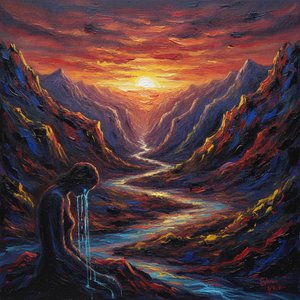
Capturing Emotion: A Journey Through the Soul of Expressionist Landscapes
Explore the profound emotional depth of Expressionist landscapes. Discover how Post-Impressionist masters moved beyond light to capture the soul through vibrant color and form. A curated journey for true art lovers seeking the beauty of expressive mastery.
Odkryj dzieła sztuki uporządkowane według tematów, stylów i cech charakterystycznych.


