


 Zobacz w skali 1:1
 Wyślij
 Udostępnij
 Szczegóły
 Przewodnik

 Pobierz plik obrazu
 Podobne obiekty
 RTG
RTG Pokaz slajdów
 Statystyki
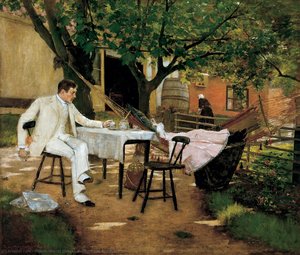
The Orange Trees


Delve into 10 iconic paintings dominated by 'anthracite' tones – from Rembrandt & Caravaggio to Goya. Explore the stories, techniques & dramatic beauty of these masterpieces. Find museum-quality reproductions for your home at !
 Czytaj więcej
Gustave Caillebotte (1848-1894): Francuski malarz, mistrz realistycznego i impresjonistycznego oddawania życia paryskiej ulicy. Znany z obrazu 'Paris Street; Rainy Day'.
Ręcznie malowana reprodukcja olejowa
Ręcznie malowany obraz olejny na płótnie, wykonany na zamówienie przez naszych artystów w wybranym przez Ciebie wymiarze i oprawie. ( Przełącz na wersję drukowaną Przełącz na wersję cyfrową)




P118B zł10

P118H zł10

P118W zł10

P438Z zł10

P508JH zł12

P508YH zł12

P805H zł10

P805Z zł10

P919BZ zł10

P919G zł10

P919XJ zł10

P959ZH zł10

P968JZ zł12

W106C zł8

W218G zł10

W218JH zł8

W218Y zł10

W307PJ zł10

W316G zł10

W316PJ zł8

W316Y zł10

W398PJ zł8

W4111J zł10

W500HY zł15

W500JH zł15

W692G zł12

W849H zł8

W940BG zł15

W953PJ zł8




Standardowy
na zamówienie
CM
INCH
Wybierz spośród naszych standardowych rozmiarów, które zachowują oryginalne proporcje dzieła sztuki.
Loading sizes...

szerokość
wysokość
Wpisz wymaganą szerokość i wysokość, aby obraz pasował do Twojej ramy lub ściany. Ponieważ jest to dzieło malowane ręcznie, w przypadku rozmiaru o innym proporcji artysta może domalować nieco więcej wokół obrazu lub przyciąć fragmenty — wybór należy do Ciebie. Przed rozpoczęciem pracy prześlemy Ci cyfrową wizualizację do zatwierdzenia. Obraz widoczny na tej stronie nie przedstawia rzeczywistego efektu — jedynie wizualizacja oddaje realny rezultat.
Przykłady możliwych zmian: Zamień twarz na zdjęcie klienta; Dodaj zwierzę domowe (np. zamień kota na psa); Ukryj wiadomość w tle; Zmień krajobraz lub elementy tła.
Po złożeniu zamówienia zespół TopImpressionists.com skontaktuje się z klientem drogą mailową w celu uzyskania instrukcji i prześle wizualizację projektu
Po złożeniu zamówienia zespół TopImpressionists.com skontaktuje się z klientem drogą mailową w celu uzyskania instrukcji i prześle wizualizację projektu
Dostawa na całym świecie () w ciągu 3–4 tygodni zamiast standardowych 5 tygodni. (24 Październik). Bez kompromisów w kwestii jakości.

Bezpłatna ekspresowa wysyłka na cały świat

Wysokiej jakości płótno lniane

Pełne ubezpieczenie transportowe

Gwarancja zwrotu należności celnych i podatków importowych

Gwarancja idealnego odwzorowania barw

100-dniowy okres na zwrot dzieła w przypadku wykrycia wad produkcyjnych

Gwarancja 100% zwrotu pieniędzy

Oferta przy zakupie wielu sztuk
 Opcja ze szkłem jest dostępna wyłącznie w rozmiarach poniżej 110 cm

The Orange Trees
Technika wykonania
Rozmiar reprodukcji
-


Suma do zapłaty
zł 1032
A Moment Frozen in Time: The Serenity of Caillebotte’s Garden
In the quietude of a Parisian afternoon, Gustave Caillebotte’s “The Orange Trees” (1878) invites the viewer into a sanctuary of light and leisure. This exquisite canvas is far more than a mere botanical study; it is an intimate window into the soul of the French bourgeoisie at the dawn of modernity. Painted en plein air at his family’s estate in Yerres, the work captures a fleeting instance of tranquility where time seems to suspend its forward march. Within the frame, we encounter the artist's brother, Martial, and their cousin, Zoé, nestled beneath the dappled shade of citrus trees. Their relaxed postures and contemplative gazes evoke a sense of intellectual repose, reflecting a period when the garden served as a vital stage for social connection and quiet reflection away from the burgeoning industrial bustle of Paris.
The technical mastery of Caillebotte lies in his ability to marry the precision of realism with the atmospheric soul of Impressionism. While he possessed a keen eye for detail—likely sharpened by his profound interest in the emerging medium of photography—he did not seek to replicate reality with clinical coldness. Instead, he employed loose, rhythmic brushstrokes to breathe life into the textures of the gravel path and the lush foliage. His palette is a masterclass in subtlety, dominated by soft lavenders, muted greys, and warm ochres that harmonize to create a serene, almost ethereal atmosphere. For the discerning collector or interior designer, this delicate balance of color and light offers a sophisticated aesthetic that brings a sense of calm and organic elegance to any curated space.
Symbolism and the Spirit of an Era
Beyond its surface beauty, “The Orange Trees” is rich with the symbolic language of the late 19th century. The orange trees themselves serve as potent emblems of resilience, fertility, and a deep-seated connection to the natural world—themes that resonated powerfully within the Impressionist movement. Even the inclusion of a fashionable garden tub acts as a subtle nod to the horticultural passions of the era, underscoring how even the most casual leisure activities were imbued with artistic expression. Caillebotte captures the tension of his time: the transition from the rigid academic traditions of the past toward a new, honest observation of everyday life.
To possess a reproduction of this masterpiece is to invite a piece of history into one's home. The emotional impact of the painting is profound; it evokes a nostalgic longing for a slower pace of life, making it an ideal centerpiece for those seeking to infuse their interiors with warmth, sophistication, and a touch of Parisian grace. Whether viewed as a study in light or a narrative of familial peace, Caillebotte’s work remains a timeless testament to the beauty found in life's most quiet, unscripted moments.
Pytania i odpowiedzi
Z jakiego okresu pochodzi „The Orange Trees” autorstwa Gustaw Caillebotte?
"The Orange Trees" pochodzi z epoki 19th Century.
Jakie emocje przekazuje dzieło "The Orange Trees" należące do nurtu Impressionist Realism?
"The Orange Trees" niesie ze sobą Calm wydźwięk emocjonalny w obrębie nurtu Impressionist Realism.
Do którego etapu rozwoju Gustaw Caillebotte należy dzieło „The Orange Trees”?
„The Orange Trees” należy do Mature Period w twórczości Gustaw Caillebotte. Klasyfikacja ta wiąże dzieło z rozwojem artysty.
Podobne dzieła




Biografia artysty
A Parisian of the New Age: The Life and Art of Gustave Caillebotte
Gustave Caillebotte, born into a prosperous Parisian family in 1848, was an artist uniquely positioned to capture the dramatic transformations reshaping his city. His father, Martial Caillebotte, inherited a successful textile business and served as a judge, providing Gustave with both financial security and a vantage point from which to observe the burgeoning modern world. While initially pursuing legal studies – earning degrees in law in 1868 and 1870 – Caillebotte’s true calling lay within the realm of art. He began serious training under Léon Bonnat, immersing himself in painting while simultaneously developing a keen interest in photography, an emerging medium that would profoundly influence his artistic vision. This early exposure to photographic principles—its framing, perspective, and capturing of fleeting moments—would become hallmarks of his distinctive style. Caillebotte wasn’t merely documenting change; he was actively engaging with the aesthetic possibilities it presented.Realism Infused with Impressionist Light
Caillebotte's artistic path diverged from strict academic tradition, yet he never fully embraced the purely optical explorations of many of his Impressionist contemporaries. He found kinship with artists like Edgar Degas and Giuseppe de Nittis, sharing a fascination with modern life but approaching it through a lens of meticulous realism. His early masterpiece, Les Raboteurs de Parquet (The Floor Scrapers), exhibited at the 1875 Salon, immediately established his reputation as a bold and unconventional painter. The work depicts three laborers painstakingly scraping a wooden floor, rendered with an unflinching honesty that shocked some viewers while captivating others. It wasn’t simply the subject matter—the working class rarely graced the canvases of high art—but also the composition: cropped, almost jarringly direct, and devoid of sentimental idealization. This commitment to portraying contemporary life without embellishment continued in works like View of Rooftops (Snow), where he masterfully captured the industrial landscape of a rapidly changing Paris. The influence of photography is particularly evident in his use of sharp lines, precise detail, and carefully constructed viewpoints—elements that anticipate the developments of early modernism. However, Caillebotte wasn’t immune to the allure of Impressionism; his palette gradually lightened, and he began experimenting with broken brushstrokes and atmospheric effects, particularly noticeable in his evocative depictions of Parisian rooftops bathed in snow – a testament to his ability to synthesize realism and fleeting light.A Patron and a Pioneer: Navigating the Art World
Beyond his own artistic endeavors, Caillebotte played a crucial role in supporting the Impressionist movement. His financial independence, stemming from his family’s wealth, allowed him to become a significant patron, purchasing works by Monet, Renoir, Pissarro, Cézanne, and Degas at a time when their art was largely rejected by the official Salon. He wasn't merely a collector; he actively championed these artists, organizing and financing several of the Impressionist exhibitions that defied conventional artistic norms. This dedication to fostering innovation extended to his own collection, which he bequeathed to the French state upon his death in 1894—a bequest initially met with resistance but ultimately forming the cornerstone of the Musée d’Orsay's renowned Impressionist holdings. Caillebotte’s unique perspective also manifested in his compositions; works like Boulevard vu d’en haut (Boulevard Seen from Above), painted in 1880, demonstrate a strikingly modern sensibility, employing an elevated viewpoint and dynamic cropping that subtly foreshadow the photographic perspectives of the 20th century. This innovative approach to composition, possibly influenced by Japanese prints and his own photographic experiments, set him apart as a true pioneer—a bridge between realism and the emerging visual language of modernity.Notable Works
- Les Raboteurs de Parquet (The Floor Scrapers) (1875): A groundbreaking work showcasing Caillebotte’s realism and unconventional composition.
- View of Rooftops (Snow) (1878): Demonstrates his use of high vantage points and atmospheric effects, influenced by photography and Japanese prints.
- Boulevard vu d’en haut (Boulevard Seen from Above) (1880): A strikingly modern composition with a dynamic perspective.
- Paris Street; Rainy Day (1877): Perhaps his most famous work, capturing the bustling energy of Parisian life in a unique and evocative manner.
- The Bezique Game(1881) : A captivating Impressionist painting of Parisian leisure.
Legacy and Rediscovery: A Modern Master Reclaimed
For decades following his death, Caillebotte’s work remained relatively obscure, overshadowed by the more celebrated figures of Impressionism. It wasn't until the late 20th century that a comprehensive reassessment of his art began to take place, fueled by scholarly research and major exhibitions. This rediscovery revealed an artist of remarkable technical skill, intellectual depth, and visionary insight. Caillebotte’s paintings are not simply depictions of modern life; they are profound meditations on the complexities of urban existence, the changing social landscape, and the evolving relationship between art and reality. His ability to seamlessly blend realism with Impressionist techniques, his innovative compositions, and his unwavering commitment to portraying the world around him have secured his place as a pivotal figure in 19th-century art. Today, Caillebotte’s works are celebrated for their unique perspective, their masterful execution, and their enduring relevance—a testament to an artist who dared to capture the spirit of a new age.
Gustaw Caillebotte
1848 - 1894 , Francja
Najważniejsze informacje
- Artistic Movement Or Style: Impressionizm, Realizm
- Artists Or Movements Influenced By This Artist: ['Impressioniści']
- Artists Who Influenced This Artist:
- Bonnat
- Degas
- Date Of Birth: 19 sierpnia 1848
- Date Of Death: 21 lutego 1894
- Full Name: Gustave Caillebotte
- Nationality: Francuz
- Notable Artworks:
- Les Raboteurs
- Rooftop
- Boulevard
- Place Of Birth: Paryż, Francja
Zobacz także powiązane artykuły

Capturing the Mist: The Timeless Beauty of British Landscape Impressionism
Explore the ethereal beauty of British Landscape Impressionism. Discover how masters captured light and mist through plein air techniques, offering a profound connection to the English countryside's timeless, atmospheric soul.

The Soul of Impressionism: Why Oil on Canvas Captures Eternal Light and Timeless Emotion
Discover the enchanting alchemy of Impressionism. Explore how the mastery of oil on canvas, through glazing and impasto, captures eternal light and emotion. Perfect for lovers of Monet and Van Gogh seeking the profound depth of hand-painted fine art.

Beyond the Light: Capturing Raw Emotion and Subjective Vision in Post-Impressionist Landscapes
Explore the profound emotional depth of Post-Impressionist landscapes. Discover how masters like Van Gogh moved beyond light to capture raw human feeling through vibrant color and expressive texture in this expert art history retrospective.
Odkryj dzieła sztuki uporządkowane według tematów, stylów i cech charakterystycznych.


