

 Podgląd w skali 1:1
 Wyślij jako kartkę
 Udostępnij
 Szczegóły dzieła
 Przewodnik

 Pobierz obraz
 Podobne obiekty
 RTG
RTG Pokaz slajdów
 Statystyki
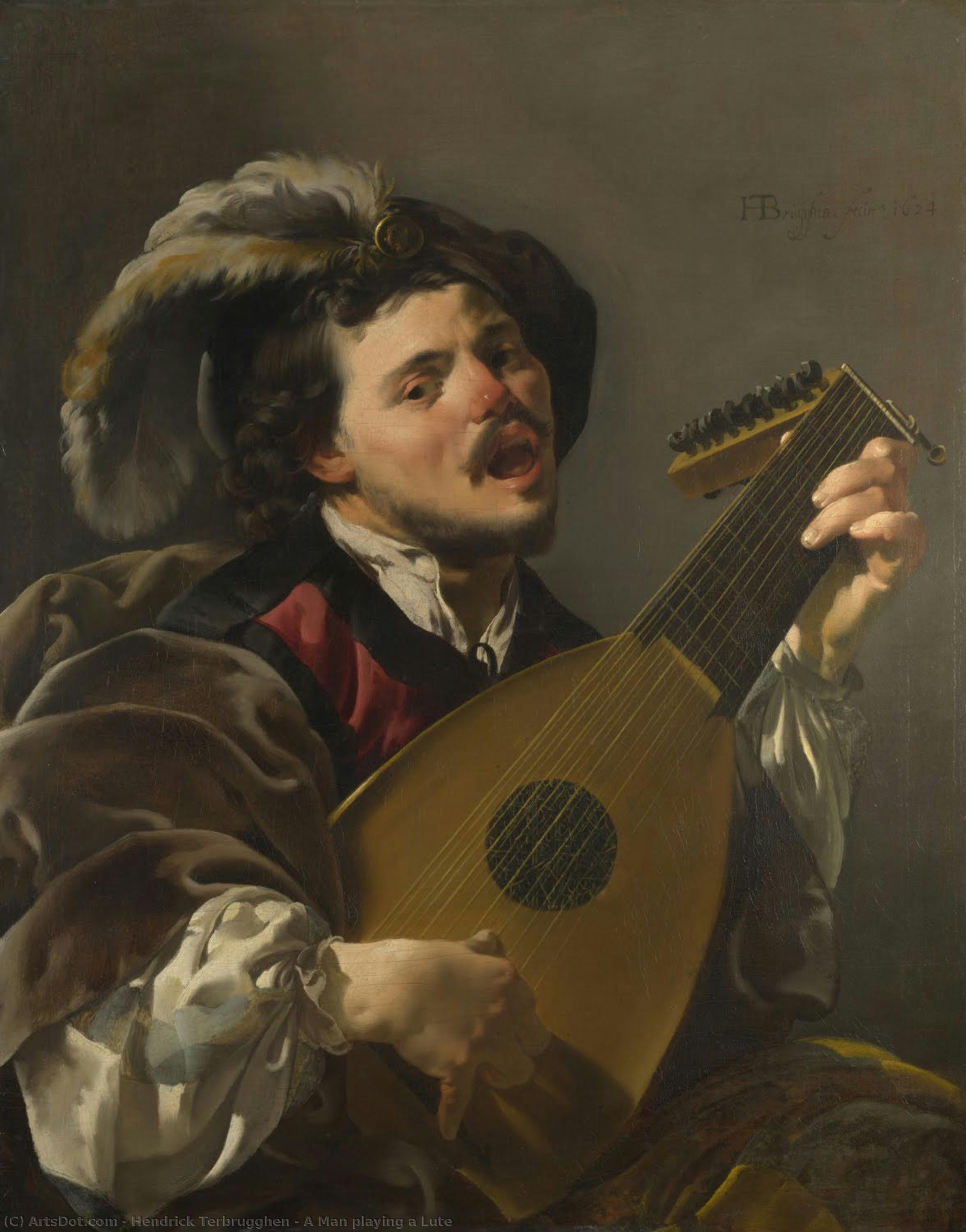
A Man playing a Lute
 Oil
Oil- WallArt
- Baroque
 1624
1624- Early Modern
 100.0 x 78.0 cm
 Narodowa Galeria Sztuki
Hendrick Terbrugghen's masterpiece, ‘A Man Playing a Lute,’ exemplifies the Utrecht Caravaggisti movement. Painted in 1624, it captures a male musician engrossed in his instrument—a lute—with masterful use of chiaroscuro reminiscent of Caravaggio’s style.
 Rozwiń treść
Odkryj Hendricka Terbrugghena: malarza holenderskiego Złotego Wieku, znanego z dramatycznego światłocienia i stylu inspirowanego Caravaggiem. Poznaj jego dzieła 'Zwiastowanie' i 'Grającego na lutni'. #DutchArt #Caravaggisti
Giclée / Wydruk artystyczny
Wydruki giclée lub płótna o jakości muzealnej, szybka realizacja i szeroki wybór opcji wykończenia. ( Zamów ręcznie malowaną reprodukcję Przejdź do wersji cyfrowej)




P118B zł10

P118H zł10

P118W zł10

P438Z zł10

P508JH zł12

P508YH zł12

P805H zł10

P805Z zł10

P919BZ zł10

P919G zł10

P919XJ zł10

P959ZH zł10

P968JZ zł12

W106C zł8

W218G zł10

W218JH zł8

W218Y zł10

W307PJ zł10

W316G zł10

W316PJ zł8

W316Y zł10

W398PJ zł8

W4111J zł10

W500HY zł15

W500JH zł15

W692G zł12

W849H zł8

W940BG zł15

W953PJ zł8




Standardowy format
personalizowane
CM
INCH
Wybierz spośród naszych standardowych rozmiarów, które zachowują oryginalne proporcje dzieła sztuki.
Loading sizes...

szerokość
wysokość
Wpisz wymaganą szerokość i wysokość, aby dopasować grafikę do ramy lub ściany. Wydruk można jedynie przyciąć, nigdy nie powiększając go poza oryginalny obraz, dlatego format o innych proporcjach spowoduje utratę części kompozycji. Przed rozpoczęciem druku prześlemy Ci cyfrowy podgląd do zatwierdzenia. Obraz wyświetlany na tej stronie nie pokazuje rzeczywistego przycięcia — jedynie podgląd oddaje ten efekt.
Dostawa na cały świat () w ciągu 2 tygodni zamiast standardowych 4/5 tygodni. (27 Październik)

Bezpłatna ekspresowa wysyłka na cały świat

Wysokiej jakości płótno lniane

Pełne ubezpieczenie przesyłki

Gwarancja zwrotu należności celnych i podatków importowych

Gwarancja wiernego odwzorowania kolorów

100-dniowa polityka zwrotów (tylko w przypadku wad)

Gwarancja 100% zwrotu pieniędzy

Zniżka przy zakupie wielu sztuk
 Opcja ze szkłem jest dostępna wyłącznie w rozmiarach poniżej 110 cm

A Man playing a Lute
Giclée / Wydruk artystyczny
Wymiary reprodukcji
-


Cena całkowita
zł 265
The Melodic Shadows of the Utrecht Caravaggisti
In the quiet intimacy of 1624, Hendrick Terbrugghen captured a moment of profound musical devotion that transcends the centuries. A Man playing a Lute is not merely a portrait of a musician; it is a masterclass in the dramatic interplay of light and shadow, a hallmark of the Utrecht Caravaggisti movement. As the man cradles his instrument, the viewer is drawn into a private world where the only sound is the imagined resonance of plucked strings. The composition breathes with an elegance that speaks to the sophisticated tastes of the Dutch Golden Age, offering a window into a period where art sought to bridge the gap between the earthly and the divine through the visceral beauty of everyday life.
The technique employed by Terbrugghen is nothing short of breathtaking. Utilizing the chiaroscuro method—a technique perfected by Caravaggio and brought to the Netherlands by artists like Terbrugghen—the painter uses deep, velvety shadows to sculpt the figure from the darkness. This high-contrast approach directs our gaze toward the vibrant textures of the subject's attire: the rich, crimson fabric of his clothing and the soft, tactile presence of his fur-trimmed hat. Every brushstroke serves to highlight the intricate craftsmanship of the lute itself, making the instrument feel heavy, tangible, and central to the soul of the painting.
A Symphony of Color and Texture
For the discerning collector or interior designer, this piece offers a magnificent palette of warm tones that can anchor a room with a sense of historical prestige. The deep reds and earthy ochres create an atmosphere of warmth and luxury, making it an ideal centerpiece for a study, a library, or a formal dining area. The visual weight of the lute, which occupies a significant portion of the canvas, provides a structural focal point that commands attention without overwhelming the surrounding decor. It is a work that invites contemplation, encouraging guests to linger on the fine details of the man's concentrated expression and the delicate anatomy of his hands.
Beyond its aesthetic appeal, the painting carries a symbolic weight common in seventeenth-century Dutch art. The lute often served as a metaphor for harmony—both musical and social. To possess such a work is to invite a sense of balance and refined culture into one's space. Whether viewed as a historical artifact or a stunning decorative element, A Man playing a Lute remains a timeless testament to the power of light to reveal the hidden beauty in a single, fleeting moment of artistic expression.
Pytania i odpowiedzi
Kto stworzył "A Man playing a Lute"?
„A Man playing a Lute” zostało stworzone przez Hendrick Terbrugghen. Informacje na tej stronie dotyczą oryginalnego dzieła autorstwa Hendrick Terbrugghen.
Czy mogę zamówić olejną reprodukcję "A Man playing a Lute"?
"A Man playing a Lute" jest dostępny jako ręcznie malowana reprodukcja olejowa na płótnie lnianym. Zamówienie można złożyć na stronie Ręcznie malowana reprodukcja, wybierając preferowany rozmiar.
Czy kolory w „A Man playing a Lute” – Hendrick Terbrugghen są nasycone, czy stonowane?
Dzieło „A Man playing a Lute” – Hendrick Terbrugghen charakteryzuje się nasyceniem na poziomie Subtle Color oraz intensywnością Monochromatic.
Biografia artysty
Wczesne lata i inspiracje
Hendrick Jansz Terbrugghen, wybitna postać malarstwa holenderskiego Złotego Wieku, przyszedł na świat w 1588 roku w Overijssel, w Niderlandach. Jego ojciec, Jan Egbertsz Terbrugghen, pełnił funkcję sekretarza na dworze w Utrechtu u boku księcia Wilhelma Milczącego. To bliskie obcowanie z dworską kulturą prawdopodobnie ukształtowało w Hendricku wczesną pasję do sztuki.Kariera artystyczna i styl
Artystyczna wędrówka Terbrugghena rozpoczęła się od studiów pod okiem Abrahama Bloemaerta, malarza manierystycznego. Z czasem artysta stał się jednym z czołowych przedstawicieli utrechckich karawagistów – grupy holenderskich mistrzów zainspirowanych dramatyzmem Caravaggia. Jego twórczość wyróżnia się niezwykłym wykorzystaniem światłocienia, co możemy podziwiać w takich dziełach jak Zwiastowanie (Alte Pinakothek, Monachium, Niemcy) czy Biesiadnik (Alte Pinakothek, Monachium, Niemcy).Wybitne dzieła i dziedzictwo
* Grający na lutni (The Kremer Collection, Amsterdam, Holandia), będący autorską repliką obrazu znajdującego się w National Gallery w Londynie, który zachwyca bogatą kolorystyką. * Zwiastowanie, arcydzieło będące świadectwem jego mistrzostwa w operowaniu stylem Caravaggia. Wpływ na późniejszych artystów: Twórczość Terbrugghena wywarła głęboki wpływ na późniejsze pokolenia malarzy, w tym na Rembrandta van Rijna, którego słynny obraz Straż nocna (Rijksmuseum, Amsterdam, Holandia) stanowi dowód na trwałe dziedzictwo utrechckich karawagistów.Muzea i kolekcje prezentujące dzieła Terbrugghena
* Mauritshuis (Haga, Holandia), gdzie można podziwiać prace takie jak Nimfa i satyr autorstwa Sir Petera Paula Rubensa. * Kolekcja Kremera (Amsterdam, Holandia), w której znajduje się dzieło Terbrugghena Grający na lutni.- Odkryj więcej dzieł Terbrugghena na TopImpressionists.com
- Poznaj malarstwo holenderskiego Złotego Wieku i jego wpływy w sekcji historii sztuki TopImpressionists.com
- Dowiedz się więcej o innych artystach, takich jak Dirck van Baburen, współtowarzysz z grupy utrechckich karawagistów, na TopImpressionists.com
Podsumowanie
Enigmatyczne życie Terbrugghena oraz jego znaczący wkład w malarstwo holenderskiego Złotego Wieku pozostawiły niezatarte piętno w historii sztuki. Jego dramatyczne operowanie światłem i cieniem nieustannie inspiruje artystów i miłośników piękna, czyniąc go fascynującą postacią w świecie sztuki.
Hendrick Terbrugghen
1627 - 1629 , Holandia
Krótka nota
- Artistic Movement Or Style: Malarstwo Caravaggistów
- Artists Or Movements Influenced By This Artist: Rembrandt van Rijn
- Artists Who Influenced This Artist: Abraham Bloemaert
- Date Of Birth: 1588
- Date Of Death: listopad 1629
- Full Name: Hendrick Jansz Terbrugghen
- Nationality: Holender
- Notable Artworks:
- Grający na lutni
- Zwiastowanie
- Dawid wychwalany przez Izraelitki
- Place Of Birth: Overijssel, Holandia
Powiązane artykuły

Golden Light & Dutch Skies: The Timeless Magic of Dutch Golden Age Landscapes
Discover the breathtaking beauty of Dutch Golden Age landscapes. Explore the mastery of light, chiaroscuro, and 17th-century realism through an expert art history lens, celebrating the enduring legacy of the Dutch Masters for discerning collectors and art lovers.

Mastering Light & Shadow: A Journey Through the Dutch Golden Age's Luminous Legacy
Embark on a cultural journey through the Dutch Golden Age. Explore the masterful interplay of light and shadow in 17th-century masterpieces, from Rembrandt to Vermeer, and discover how this era of profound realism continues to inspire fine art collectors today.
Odkryj dzieła sztuki uporządkowane według tematów, stylów i cech charakterystycznych.
