


 Podgląd w skali 1:1
 Wyślij jako kartkę
 Udostępnij
 Szczegóły dzieła
 Przewodnik

 Pobierz obraz
 Podobne obiekty
 RTG
RTG Pokaz slajdów
 Q&A
Q&A Statystyki
Collioure Interior
 Obraz olejny na płótnie
- Sztuka ścienna
- Fauvism
 1905
1905- Modernizm
 60.0 x 73.0 cm
Experience Matisse's 'Collioure Interior': A vibrant Fauvist masterpiece capturing domestic tranquility & the beauty of southern France through bold color.
 Rozwiń treść
Matisse’s Impact on Modern Art</h2>
<p>Henri Matisse died in Nice in 1954, leaving behind a body of work that continues to inspire and captivate audiences worldwide. His impact on the art world is undeniable; he challenged conventional notions of representation, championed the expressive power of color, and paved the way for future generations of artists. Often considered alongside
Giclée / Wydruk artystyczny
Wydruki giclée lub płótna o jakości muzealnej, szybka realizacja i szeroki wybór opcji wykończenia. ( Zamów ręcznie malowaną reprodukcję Przejdź do wersji cyfrowej)




P118B zł10

P118H zł10

P118W zł10

P438Z zł10

P508JH zł12

P508YH zł12

P805H zł10

P805Z zł10

P919BZ zł10

P919G zł10

P919XJ zł10

P959ZH zł10

P968JZ zł12

W106C zł8

W218G zł10

W218JH zł8

W218Y zł10

W307PJ zł10

W316G zł10

W316PJ zł8

W316Y zł10

W398PJ zł8

W4111J zł10

W500HY zł15

W500JH zł15

W692G zł12

W849H zł8

W940BG zł15

W953PJ zł8




Standardowy format
personalizowane
CM
INCH
Wybierz spośród naszych standardowych rozmiarów, które zachowują oryginalne proporcje dzieła sztuki.
Loading sizes...

szerokość
wysokość
Wpisz wymaganą szerokość i wysokość, aby dopasować grafikę do ramy lub ściany. Wydruk można jedynie przyciąć, nigdy nie powiększając go poza oryginalny obraz, dlatego format o innych proporcjach spowoduje utratę części kompozycji. Przed rozpoczęciem druku prześlemy Ci cyfrowy podgląd do zatwierdzenia. Obraz wyświetlany na tej stronie nie pokazuje rzeczywistego przycięcia — jedynie podgląd oddaje ten efekt.
Dostawa na cały świat () w ciągu 2 tygodni zamiast standardowych 4/5 tygodni. (30 Październik)

Bezpłatna ekspresowa wysyłka na cały świat

Wysokiej jakości płótno lniane

Pełne ubezpieczenie przesyłki

Gwarancja zwrotu należności celnych i podatków importowych

Gwarancja wiernego odwzorowania kolorów

100-dniowa polityka zwrotów (tylko w przypadku wad)

Gwarancja 100% zwrotu pieniędzy

Zniżka przy zakupie wielu sztuk
 Opcja ze szkłem jest dostępna wyłącznie w rozmiarach poniżej 110 cm

Collioure Interior
Giclée / Wydruk artystyczny
Wymiary reprodukcji
-


Cena całkowita
zł 266
Collioure Interior: A Fauvist Masterpiece by Henri Matisse
- Title: Collioure Interior
- Artist: Henri Matisse
- Date: 1905
- Medium: Oil on Canvas
- Dimensions: 60 x 73 cm
The Scene and Composition
“Collioure Interior” transports viewers to a serene domestic scene in the picturesque town of Collioure, France. The painting depicts a woman seated comfortably on a bench near a window, tenderly holding a baby while gazing out at the vibrant landscape beyond. The room itself is simply furnished with a bed and two chairs, creating an intimate atmosphere. However, it's Matisse’s bold use of color that truly brings the scene to life. The foreground bursts with reds, greens, and yellows, contrasting beautifully with the tranquil backdrop of the Collioure scenery visible through the window.
Fauvism: A Revolution in Color
This artwork is a prime example of Fauvism, an art movement that emerged in France around 1905. "Fauves" translates to “wild beasts,” reflecting the critics’ initial reaction to the movement's unconventional use of color and energetic brushstrokes. Henri Matisse was one of its leading figures. Fauvist artists rejected traditional techniques of realistic representation, instead prioritizing emotional expression through vibrant, non-naturalistic colors. They sought to liberate color from its descriptive function, using it purely for aesthetic impact.
Symbolism and Emotional Impact
While seemingly a simple domestic scene, "Collioure Interior" carries deeper symbolic weight. The woman's gaze towards the landscape suggests a longing or contemplation, while the presence of the baby evokes themes of motherhood and familial love. The intense colors aren’t meant to accurately depict reality but rather to convey Matisse’s emotional response to the scene. The painting exudes a sense of warmth, tranquility, and joy—a celebration of life's simple pleasures. The bold color choices create an almost dreamlike quality, inviting viewers to immerse themselves in the artist's subjective experience.
Historical Context and Legacy
Painted during Matisse’s time spent in Collioure, "Collioure Interior" reflects a period of artistic experimentation and innovation. It marks a significant step towards abstraction in Matisse’s work, as he increasingly prioritized color and form over realistic representation. The painting's influence can be seen in subsequent generations of artists who embraced bold colors and expressive brushwork. It remains an iconic example of Fauvism and a testament to Matisse’s enduring legacy as one of the most important figures in modern art.
Pytania i odpowiedzi
Jaki klimat wnosi „Collioure Interior” – Henri Matisse do wnętrza?
Dzięki swojemu Sielski nastrojowi, "Collioure Interior" idealnie sprawdzi się w Salon lub strefa dzienna.
Z jakiej epoki pochodzi „Collioure Interior” – Henri Matisse?
„Collioure Interior” – Henri Matisse pochodzi z okresu Modernizm. Epoka ta stanowi kontekst historyczny dla tego dzieła.
Jaki rozmiar "Collioure Interior" jest sugerowany do Salon lub strefa dzienna?
W pomieszczeniu typu Salon lub strefa dzienna sugerowany jest wydruk dzieła „Collioure Interior” w rozmiarze Standardowy format.
Biografia artysty
Początki i Formowanie się Wizji Artystycznej
Henri Émile Benoît Matisse, urodzony 31 grudnia 1869 roku w sennym miasteczku Le Cateau-Cambrésis na północy Francji, początkowo zdawał się przeznaczony do zupełnie innej ścieżki życiowej. Po ukończeniu szkoły średniej podjął studia prawnicze w Paryżu, lecz los odwrócił jego plany w 1889 roku, gdy nagłe zapalenie wyrostka robaczkowego zmusiło go do długiej rekonwalescencji. W czasie przymusowego odpoczynku odkrył ukryty talent i pasję – malarstwo. Zestaw farb podarowany przez matkę okazał się nie tylko formą rozrywki, ale prawdziwym objawieniem, punktem zwrotnym, który skierował go na drogę artystyczną. Wychowany w rodzinie kupców zboża w Bohain-en-Vermandois, Matisse początkowo wydawał się mało prawdopodobnym kandydatem na bohemistycznego malarza, jednak ziarno zostało zasiane i zaczęło kiełkować podczas powolnej rekonwalescencji. Wkrótce zapisał się do Académie Julian, a następnie do École Nationale des Beaux-Arts, gdzie studiował pod okiem Williama-Adolphe’a Bouguereau oraz Gustave’a Moreau, przyswajając klasyczne techniki malarskie, które stanowiły solidny fundament dla jego przyszłych innowacji. Jego wczesne prace świadczyły o opanowaniu warsztatu, lecz brakowało im indywidualnego charakteru, który miał uczynić go jednym z najważniejszych artystów XX wieku.Rozkwit Fauwizmu i Odważne Eksperymenty Kolorystyczne
Przełomowy moment w życiu Matisse’a nastąpił w 1896 roku podczas pobytu w Belle-Île z australijskim malarzem Johnem Russellem. To spotkanie okazało się transformacyjne. Russell wprowadził go w fascynujący świat impresjonizmu, a co ważniejsze – do pełnych emocji płócien Vincenta van Gogha. Wpływ ten był ogromny. Ekspresyjna gra kolorów Van Gogha zburzyła dotychczasową powściągliwość Matisse’a, skłaniając go do śmielszych i bardziej subiektywnych poszukiwań. Zaczynając odchodzić od stonowanych barw ziemi, zaczął sięgać po odcienie rezonujące z uczuciami, a nie wiernym odwzorowaniem rzeczywistości. Ta eksploracja doprowadziła do narodzin Fauwizmu około 1905 roku – ruchu, w którym Matisse stał się czołową postacią. Sama nazwa, oznaczająca „dzikie bestie”, początkowo miała charakter pejoratywny i została użyta przez krytyka wobec szokująco żywych i nienaturalnych barw prezentowanych na Salonie Jesiennym. Matisse, obok artystów takich jak André Derain i Maurice de Vlaminck, propagował intensywność koloru jako samodzielny element ekspresji, upraszczając formy w celu wzmocnienia jego oddziaływania. Obraz „The Gourds” (1905) jest doskonałym przykładem tego stylu – feeria czerwieni, zieleni i żółci nałożonych z wolnością, ignorując tradycyjną perspektywę i wierne odwzorowanie rzeczywistości. Charakterystycznymi cechami Fauwizmu były intensywnie nasycone palety barw, uproszczone kształty, ekspresyjny pociągnięcie pędzla oraz świadome odrzucenie konwencjonalnego realizmu na rzecz emocjonalnego oddziaływania.Dojrzałość i Harmonia Dekoracyjna
Po początkowym entuzjazmie związanym z Fauwizmem, styl Matisse’a przeszedł subtelną, lecz znaczącą ewolucję. Choć nigdy nie porzucił miłości do koloru, jego prace stały się bardziej wyrafinowane, skłaniając się ku estetyce dekoracyjnej, która podkreślała spłaszczone formy i misternie zdobione wzory. Eksplorował tematykę wypoczynku, życia domowego oraz ludzkiej postaci w spokojnych sceneriach, tworząc kompozycje pełne harmonii i emocjonalnego rezonansu. Przeprowadzka do Nicei na Lazurowym Wybrzeżu w 1917 roku jeszcze bardziej wpłynęła na tę zmianę, nadając jego pracom poczucie spokoju i klasycznej równowagi. Zaczął koncentrować się na tworzeniu otoczeń – obrazów, rzeźb i przedmiotów dekoracyjnych – które otulały widza atmosferą piękna i ukojenia. W tym okresie eksperymentował z różnymi mediami, w tym ceramiką i tkaninami, rozszerzając swoją wizję artystyczną poza tradycyjny format płótna. Nie ograniczał się jedynie do przedstawiania scen; konstruował światy zaprojektowane tak, aby wywoływać określone emocje.Późne Lata: Innowacja Przez Ograniczenia
Wraz z pogarszającym się stanem zdrowia, który ograniczył zdolność Matisse’a do malowania w konwencjonalny sposób, artysta wkroczył na niezwykły nowy etap swojej twórczości – tworzenie kolaży papierowych, zwanych *découpages*. Powstałe około 1947 roku prace były odpowiedzią na przymusowe okoliczności. Unieruchomiony w wózku inwalidzkim nie mógł fizycznie stać i malować, ale nadal potrafił manipulować papierem za pomocą nożyczek. To, co zaczęło się jako praktyczne rozwiązanie, przerodziło się w przełomową technikę artystyczną. Malował duże arkusze papieru w jaskrawych kolorach, a następnie wycinał z nich kształty – organiczne formy, liście, postacie – i układał je na płótnie, tworząc kompozycje pełne dynamiki i pozornej prostoty. Te *découpages* nie były jedynie substytutem malarstwa; reprezentowały nowy sposób myślenia o kolorze, formie i kompozycji. Kontynuował w nich całożyciowe poszukiwania tych elementów, demonstrując niezgasłą artystyczną wizję nawet w obliczu fizycznych ograniczeń.- Technika wycinania z papieru pozwoliła mu osiągnąć czystość formy i koloru, trudną do uzyskania za pomocą farb.
- Prace te często nawiązywały do wcześniejszych tematów i motywów z jego obrazów, prezentując je w świeży i innowacyjny sposób.
- Pokazały jego zdolność do adaptacji i ewolucji jako artysty przez całą karierę.
Trwałe Dziedzictwo: Wpływ Matisse’a na Sztukę Współczesną
Henri Matisse zmarł w Nicei w 1954 roku, pozostawiając po sobie bogate dziedzictwo, które nadal inspiruje i fascynuje odbiorców na całym świecie. Jego wpływ na świat sztuki jest niezaprzeczalny; podważył konwencjonalne pojęcia reprezentacji, propagował ekspresyjną moc koloru oraz utorował drogę przyszłym pokoleniom artystów. Często porównywany do Pabla Picassa jako jednego z najbardziej wpływowych twórców XX wieku, Matisse fundamentalnie ukształtował modernizm. Jego spuścizna wykracza poza same dzieła sztuki – obejmuje filozofię celebrującą radość, piękno i transformacyjny potencjał koloru. Nie malował tego, co widział; tworzył emocjonalne doświadczenie dla odbiorcy, zapraszając go do podzielenia się jego wizją świata skąpanego w świetle i jaskrawych barwach. Wpływ Matisse’a można dostrzec w niezliczonych pracach artystów z różnych dziedzin, umacniając jego pozycję jako prawdziwego mistrza sztuki nowoczesnej – malarza, który odważył się widzieć świat nie takim, jaki jest, ale takim, jakim mógłby być, pełnym koloru, harmonii i nieskończonych możliwości.
Henri Matisse
1869 - 1954 , Francja
Krótka nota
- Artyści I Ruchy Inspirowane Nim:
- Modernizm
- Ekspresjonizm
- Artyści, Którzy Go Zainspirowali:
- Van Gogh
- Chardin
- Russell
- Data Urodzenia: 31 grudnia 1869
- Data Śmierci: 1954
- Miejsce Urodzenia: Le Cateau-Cambrésis, Francja
- Narodowość: Francuz
- Pełne Imię I Nazwisko: Henri Émile Benoît Matisse
- Ruch Artystyczny: Fowizm
- Znane Dzieła:
- The Gourds
- Laurette in a White Turban
Powiązane artykuły

Top 10 arcydzieł Fauwizmu: Kolor i ekspresja w Twoim wnętrzu | TopImpressionists.com
Odkryj 10 arcydzieł Fauwizmu! Poznaj historię Matisse'a, Deraina i innych artystów tego rewolucyjnego ruchu. Ekspresjonizm kolorystyczny w Twoim wnętrzu – reprodukcje najwyższej jakości na TopImpressionists.com. Eksploruj kolekcję online!

Henri Matisse: 25 Arcydzieł Koloru i Inspiracji | TopImpressionists.com
Odkryj 25 arcydzieł Henri Matisse’a – od żywych kolorów fauwizmu po ikoniczne kompozycje. Poznaj historię, technikę i inspiracje malarstwa francuskiego. Reprodukcje obrazów najwyższej jakości na TopImpressionists.com! Eksploruj kolekcję online.

Dziki Instynkt Koloru: Rewolucyjne Użycie Barw i Form w Fauwizmie
Odkryj rewolucyjny świat fauwizmu! Poznaj historię tego nurtu, kluczowych artystów i charakterystyczne użycie koloru. Analiza dzieł, inspiracje i wpływ na sztukę nowoczesną – wszystko w jednym miejscu.
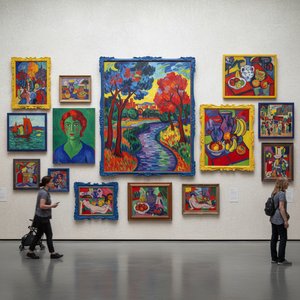
Fauwiści: 10 arcydzieł, które zrewolucjonizowały malarstwo | TopImpressionists.com
Poznaj 10 arcydzieł Fauwyzmu! Odkryj historię Matisse'a, Deraina i innych artystów tego rewolucyjnego ruchu. Żywe kolory, ekspresja i inspiracje wnętrzarskie czekają. Reprodukcje obrazów najwyższej jakości na TopImpressionists.com
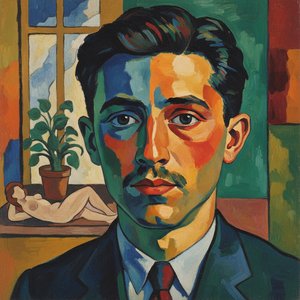
Henri Matisse: A Revolutionary Use of Color and Form in Modern Art
Explore the revolutionary art of Henri Matisse! Discover his bold use of color, Fauvist origins, and lasting impact on modern painting. A comprehensive guide for art enthusiasts.
Odkryj dzieła sztuki uporządkowane według tematów, stylów i cech charakterystycznych.


